

Follow-Up Testing After Medical Travel: Timing, Reports, and Comparisons

Medically reviewed by the Acıbadem clinical team — June 13, 2026
Follow-up testing after medical travel is easiest when you plan it before you fly home. This guide explains timing, what to keep in your records, and how to compare results from different labs with less confusion.
At a glance
- Best time to plan follow-up: Before discharge and before you leave Turkey
- What to keep: Discharge summary, test reports, imaging files, medication list
- Why comparisons can be tricky: Different labs, units, and reference ranges can change the meaning of a result
- Who can help: Your treating team, international patient services, and your home doctor
- Helpful for: Anyone returning home after surgery, treatment, or diagnostic care
Why follow-up testing matters once you are back home
The first few weeks after medical travel are often when patients feel the most uncertainty. You have the original treatment notes in one country, your local doctor in another, and perhaps a new test result that seems different from the one you received before you flew home. Follow-up testing helps connect those pieces so your recovery does not depend on guesswork.
It is also the simplest way to make sure your care stays continuous. A good follow-up plan tells you when to repeat blood work, whether you need imaging, and which changes are expected versus which ones should prompt a call to a clinician. Acibadem Health Point patients often leave with a clearer aftercare map because their treatment team and international patient services can help organize the records you will need later.
Think of follow-up testing as part of the treatment, not an optional extra. It helps your home doctor understand what was done, what needs monitoring, and how to interpret your recovery in context. That is especially important when care spans borders and different healthcare systems use different documentation styles.
The right timing is not one-size-fits-all
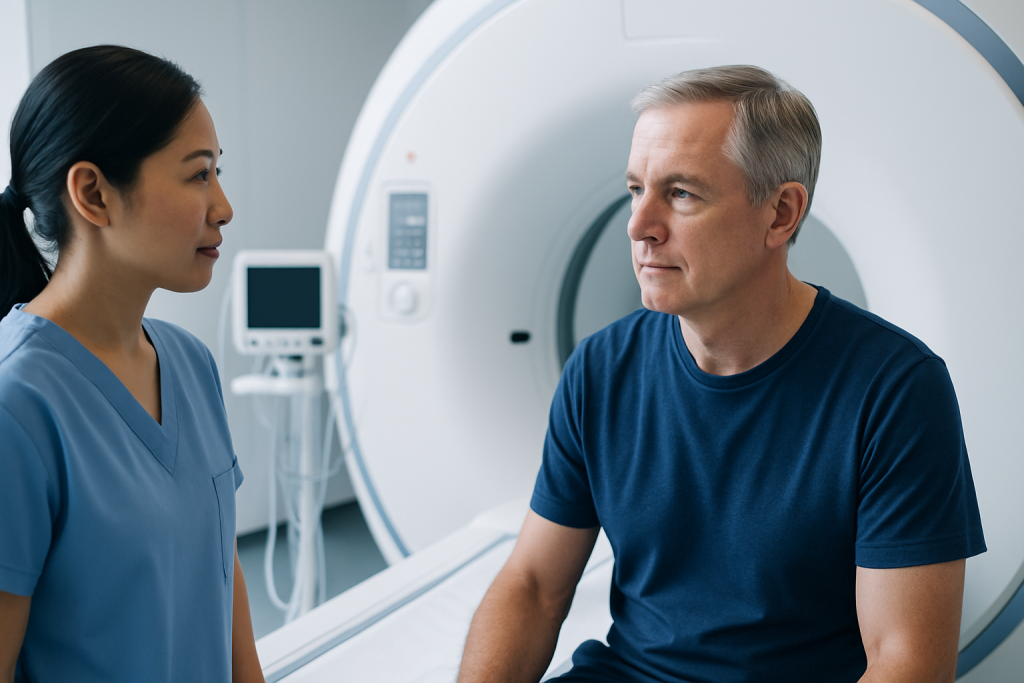
There is no universal schedule that works for every patient after treatment abroad. Timing depends on the procedure, your current symptoms, how far you traveled, and whether your clinician wants to track healing, medication effects, or a known condition. Some patients need a test within days of returning home; others are told to wait a few weeks so the body has time to settle.
Before you leave Turkey, ask for a practical timeline rather than a vague instruction to “follow up later.” You want to know what should be checked first, what can wait, and what can be handled by your local doctor. If you are still under the care of Acibadem Health Point, your team can often help explain which results matter most and how urgently they should be repeated.
A useful rule is to match the test to the reason for checking. If the goal is to monitor medication safety, your schedule may be earlier. If the goal is to assess healing or long-term progress, the test may be planned farther out. Clear timing protects you from both missed issues and unnecessary repeat testing.
- Ask when the next test should happen, not just “soon.”
- Confirm whether fasting or special preparation is needed.
- Check whether the same lab method should be used for comparison.
- Save the exact dates in your phone calendar before you travel back.
What to ask for before you fly home

The most useful follow-up plans are built before discharge. If you wait until you are home, you may discover that your records are incomplete or that your local clinician needs a document format you do not have. Ask for a discharge summary, procedure notes if relevant, medication list, and copies of all recent test results.
If imaging was done, request the files themselves, not only the written report. A CD, USB drive, or secure digital link may be useful depending on your home country’s system. Many international patients also benefit from a short plain-language summary that explains what the result means and what should be monitored next.
Acibadem Health Point’s international patient services can help make this handoff smoother by organizing reports and providing interpreter support if you need to review instructions in another language. That support is especially valuable when you need to explain your care quickly to a family doctor, specialist, or insurer back home.
- Discharge summary in English, if available
- Copies of lab reports with dates and reference ranges
- Imaging reports and image files
- Medication list, including dose and timing
- Written follow-up instructions and warning signs
How to compare test results from different countries or labs
Comparing test results is not always as simple as placing two numbers side by side. Different laboratories may use different machines, reporting units, or reference ranges, which can make a result look better or worse than it really is. Even the same test can be presented differently depending on the country.
Start by checking whether the units match. Then look at the reference range printed next to the result, because a number that seems “high” in one system may be normal in another. If you are comparing trends over time, it helps to use the same lab whenever possible, or at least tell your doctor that the samples were processed in different places.
When in doubt, do not try to interpret a borderline change on your own. Ask the clinician who ordered the test to look at the full picture: your symptoms, treatment history, medications, and whether the difference is clinically meaningful. A small variation can be routine, while a larger change may need prompt review.
- Compare units first, then the reference range.
- Keep the exact date and lab name for each result.
- Note whether you were fasting, unwell, or recently took medication.
- Bring previous results to every follow-up appointment.
Making your reports easy to use for your home doctor
Your home doctor can only help if the information is readable, complete, and in the right order. A photo of a report on your phone is better than nothing, but a properly organized file set is far more useful. Put your documents together before you travel so nothing gets scattered across email, messaging apps, and paper folders.
Create one folder for discharge paperwork, one for imaging, one for lab results, and one for prescriptions. If you have multiple appointments after travel, bring the same set each time. This saves time and reduces the chance of repeating tests simply because a report could not be located.
If language is a barrier, ask for translated summaries or ask your local clinician to review the original English documents with you. Acibadem Health Point can help patients prepare records in a way that is easier to share across borders, which can make the first appointment at home much less stressful.
When a new result should prompt a call, not a wait
Most follow-up testing is routine, but some situations deserve faster attention. If a result is far outside the expected range, if your symptoms are getting worse, or if you have new pain, fever, swelling, shortness of breath, or bleeding, contact a clinician promptly. Do not assume a strange result is harmless simply because you feel mostly okay.
It is also worth calling if the report you received does not match the instructions you were given at discharge. Sometimes the issue is a missing context note, but sometimes it is a genuine change that should be reviewed. If you are under follow-up with Acibadem Health Point, your care team can help clarify which findings need urgent attention and which can wait for the planned review.
When you speak to a doctor, be specific. Mention the test name, the date, the exact number, the units, and any symptoms you are experiencing. That detail helps the clinician decide whether you need another test, a medication adjustment, or a same-day review.
A simple system that keeps your aftercare manageable
The easiest way to stay on track after medical travel is to treat your records like a travel document set: one place, easy access, and updated before every appointment. Keep both digital and printed copies if you can. If your recovery involves several specialists, add a short note explaining who is responsible for each part of follow-up.
Try to note the reason for each test in plain language. For example: “blood count to check recovery,” “imaging to review healing,” or “repeat labs for medication safety.” That small detail makes old reports much easier to understand months later, especially if you are comparing results from different systems.
International care can feel fragmented when you first return home, but it becomes manageable with a few habits. Clear dates, complete reports, and a direct line to your treating team turn follow-up from a guessing game into a practical part of recovery.
Step by step
- Confirm the follow-up schedule before discharge. Ask your treating team which tests are needed, when they should happen, and whether any preparation is required. Write down the timing before you leave the hospital so you are not relying on memory after a long flight home.
- Collect the documents you will actually need. Request the discharge summary, test reports, medication list, imaging files, and any written aftercare instructions. If you are a patient of Acibadem Health Point, ask the international patient services team to help you organize the set before travel.
- Store everything in one system. Use one digital folder and one paper folder if possible. Label files by date and type so your home doctor can find what they need quickly.
- Check units and reference ranges before comparing numbers. Do not compare two test results until you know they use the same units and similar reference ranges. If the labs differ, ask a clinician to interpret the trend rather than deciding on your own.
- Share the full context with your local doctor. Bring the reason for your treatment, the date of travel, current symptoms, and any medication changes. The more context you provide, the less likely you are to repeat tests just to fill in missing details.
- Watch for changes that need earlier review. If you develop new symptoms or a result is clearly outside the expected range, contact a clinician sooner rather than waiting for the next planned visit. Early review is especially important when the test is meant to monitor healing or medication safety.
Your checklist
- Ask for your follow-up timeline before you fly home
- Get a discharge summary in English if possible
- Collect lab reports with units and reference ranges
- Save imaging files, not only written reports
- Keep a current medication list with doses
- Store the contact details for your treating team
- Book the first follow-up appointment before you return if possible
- Write down any warning signs you were told to watch for
Key takeaways
- Plan follow-up testing before you travel home, not after questions arise.
- Keep complete records so your home doctor can understand your treatment quickly.
- Different labs may report the same test in different ways, so context matters.
- New or worsening symptoms should be reviewed sooner rather than later.
- Acibadem Health Point can help international patients organize reports and aftercare details before discharge.
Frequently asked questions
How soon should I have follow-up testing after treatment abroad?
It depends on the treatment, your symptoms, and what the test is checking. Some patients need a review within days, while others are scheduled weeks later. The safest approach is to ask for a specific timetable before you leave Turkey.
What documents should I bring to my first doctor visit at home?
Bring your discharge summary, recent lab results, imaging reports and files, medication list, and any written aftercare instructions. If possible, keep both digital and printed copies. That makes it much easier for your local doctor to review your care without repeating the whole history.
Why do my test results look different from the ones done in Turkey?
Different labs may use different machines, units, and reference ranges. A number can look different even when the clinical meaning is similar. Ask a doctor to compare the full reports rather than focusing on the number alone.
Can Acibadem Health Point help after I return home?
Yes, the international patient services team can help you organize records, understand discharge instructions, and prepare documents for follow-up care. If you need interpreter support or help finding the right files, that can make the handoff to your home doctor much smoother.
Should I repeat a test if my local doctor asks for one?
Sometimes yes, especially if the lab method is different or the result needs to be checked in a new setting. In other cases, your home doctor may be able to use the report you already have. Share all previous documents so the decision is based on full information, not just caution.
What if I feel well but one result is slightly off?
Mild changes can happen during recovery and may not mean something is wrong. Still, the result should be interpreted in context, especially if it was ordered to monitor healing or medication effects. If you are unsure, ask the clinician who ordered the test to explain whether it needs action or simple observation.
More Patient Guides

Special Needs Travel Checklist Before Surgery in Turkey
Plan a smoother surgery trip to Turkey with a practical special needs checklist for mobility, documents, medications, and support needs.
8 min read
What Companions Should Know Before Surgery in Turkey
Know how to support a loved one before surgery in Turkey, from travel and paperwork to hospital routines, rest, and communication.
8 min read
Wheelchair Access Guide for Medical Travel in Turkey
Plan wheelchair-accessible medical travel in Turkey with practical tips on airports, transfers, hospitals, rooms, and support from Acibadem Health Point.
9 min readRelated Specialists

Dr. Safiye Sayilir
Physical Medicine & Rehabilitation
Dr. Özgün Barış Çolak
Physical Medicine & Rehabilitation
Prof. Dr. Meltem Vural
Physical Medicine & Rehabilitation
Prof. Dr. Meral Bayramoğlu
Physical Medicine & Rehabilitation