

Before You Book: The Questions That Change Everything

A practical guide to booking treatment in Turkey: what to ask, how to prepare, what to expect, and how Acibadem supports you.
Medically reviewed by the Acıbadem clinical team — June 13, 2026
This guide helps you ask the right questions before booking treatment in Turkey, so you can compare options, prepare safely, and travel with realistic expectations. It also explains how Acibadem Health Point supports your journey from online evaluation to recovery at home.
At a glance
- Procedure type: Varies by condition; may be surgical, minimally invasive, or outpatient
- Purpose: To clarify whether treatment is appropriate, what it involves, and how to prepare before booking
- Anesthesia: Depends on the planned procedure and your medical condition
- Hospital stay: May be same-day, overnight, or several days depending on treatment
- Estimated recovery: Varies widely; your team will outline the expected recovery window
- Return to daily life: Often within days to weeks, depending on the procedure and healing progress
- Final result timeline: Can take weeks to months; some treatments continue to improve over time
- Suitable department: The relevant specialty department based on your diagnosis and treatment plan
- International patient support: Online evaluation, interpreter support, transfer guidance, accommodation help, and remote follow-up
What is this treatment?
This guide is not about one specific procedure. Instead, it is about the stage before treatment, when you decide whether to move forward, where to have care, and what questions will help you make a safe and informed choice. If you are considering treatment in Turkey, this early stage matters because it shapes everything that follows: the medical plan, the timing of travel, the length of stay, and your recovery expectations.
At Acibadem Health Point, the first conversation is usually a medical one, not a booking one. You share your symptoms, diagnosis, previous reports, test results, and goals, and the team helps determine whether your case is suitable for online review, an in-person consultation, or a particular department. That step can save you time and reduce uncertainty before you commit to a journey.
For many international patients, the right questions are the difference between a rushed decision and a well-prepared treatment plan. This guide shows you what to ask, what information to gather, and how to understand the practical side of treatment abroad in a calm, structured way.
When is it recommended?
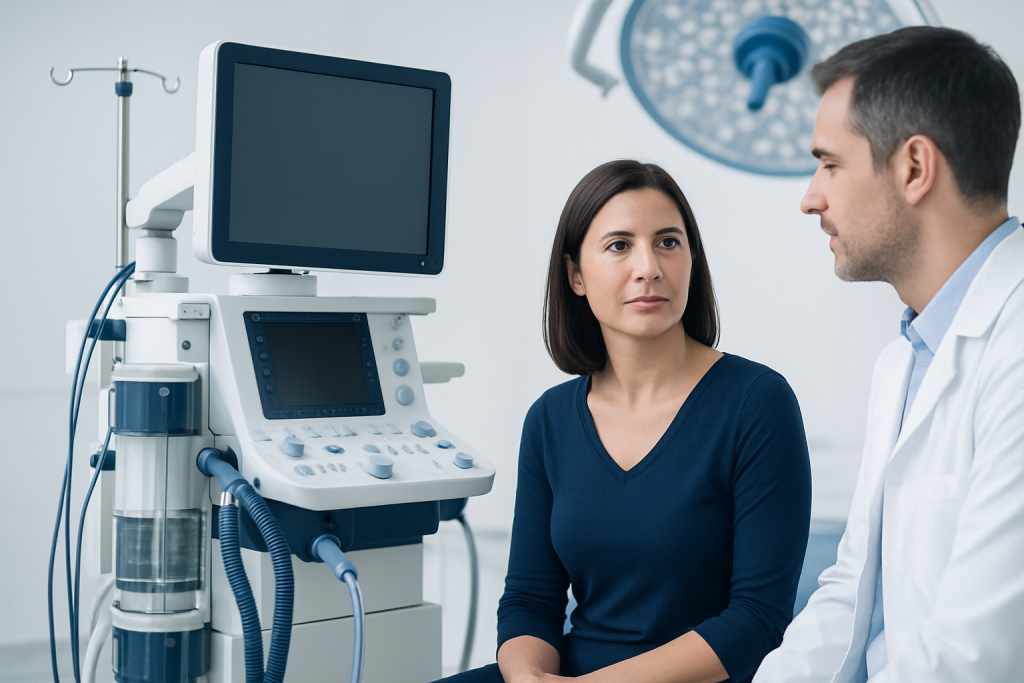
This planning stage is recommended whenever you are exploring treatment outside your home country, especially if you want a clearer understanding of whether the procedure is appropriate, how urgent it is, and what kind of hospital or specialist team you need. It is particularly useful if you have several medical opinions, a complex diagnosis, a previous surgery, or a treatment plan that may involve travel and time away from home.
You may also benefit from this process if you are comparing options between hospitals, trying to understand whether a procedure is cosmetic, functional, preventive, reconstructive, or disease-related, or simply want to know whether your medical history changes the plan. For some patients, an online evaluation is enough to confirm the next step. For others, the team may recommend a face-to-face assessment in Turkey before finalizing the treatment plan.
It is best to ask these questions before you book flights or non-refundable accommodation. That way, your travel dates can match the medical plan rather than the other way around.
Who is a good candidate?

A good candidate for international treatment planning is someone who has a defined medical concern, enough documentation to support review, and realistic expectations about what treatment can and cannot do. You are usually in a stronger position if you can clearly describe your symptoms, list prior treatments, and share any scans, pathology reports, laboratory results, or photographs that help the specialist understand your case.
You may be a good candidate if you are medically stable enough to travel, if the treatment is available and appropriate in Turkey, and if you have time to complete the recommended consultation, tests, treatment, and recovery before returning home. Patients often benefit when they are open about chronic conditions, medications, allergies, smoking status, previous anesthesia issues, and any personal or family history that may affect care.
Not everyone is ready to travel immediately. If your condition is unstable, requires urgent local care, or needs detailed monitoring that is not practical during a short stay, the team may advise postponing travel or arranging local treatment first. That honesty is part of safe planning.
Treatment options
The “options” in this stage are not about one operation; they are about how treatment may be delivered once your specialist has reviewed your case. Depending on your diagnosis, the plan may involve surgery, a minimally invasive procedure, medical therapy, a diagnostic procedure, rehabilitation, or a combination of approaches. In some cases, the best path is to treat the problem directly. In others, the first step is a more detailed assessment to confirm the diagnosis.
Your specialist may also explain different technical approaches. For example, some procedures can be done as day surgery, while others need an overnight stay or more. Some conditions may be treated with a single procedure, while others need staged care, such as a first intervention followed by a later revision, adjustment, or follow-up treatment. If your case is complex, a multidisciplinary team may be involved so that different specialists can review the same information before a recommendation is made.
At Acibadem Health Point, treatment options are discussed in a way that fits your medical picture, not in a one-size-fits-all format. The goal is to help you understand why one approach is being suggested over another, what the recovery may involve, and what alternative paths exist if the initial plan does not suit your needs or timeline.
Online evaluation before travel
For many international patients, the most efficient first step is an online medical evaluation. You send your documents through the international patient channel, and the team reviews your case before you travel. This can help determine whether the treatment is suitable, whether more tests are needed, and how long you should plan to stay in Turkey.
The quality of the review depends heavily on the information you provide. Clear reports, recent imaging, a complete medication list, and, when relevant, well-lit photos or videos can make the evaluation much more accurate. If details are missing, the team may ask follow-up questions or suggest additional tests before giving a recommendation.
An online review cannot replace an in-person consultation, but it can prevent unnecessary travel and help you arrive with a realistic plan. It is also the point where practical issues such as language support, transfer needs, and accommodation guidance can begin to take shape.
Before the treatment
Before treatment, you should be clear about your diagnosis, your goals, your current medications, and any restrictions you may have. You may be asked to stop certain medications before the procedure, fast for a set period, or complete blood tests, imaging, or specialist consultations. The exact preparation depends on the treatment and your individual risk profile.
This is also the time to ask practical questions: How long will you need in Turkey? Will there be one visit or several? What tests are done before treatment? Who will explain the anesthesia plan? What should you bring to the hospital? These details reduce stress and help you feel more in control once you arrive.
If you are traveling with a companion, ask what support they can expect during the process. Acibadem Health Point can help coordinate interpreter support, airport or ground transfers, and information that makes the journey easier to navigate in a new country.
What happens during the treatment
What happens on the day of treatment depends entirely on the procedure you are having. You may start with admission, consent review, vital signs, and a final discussion with your specialist or anesthesiologist. In surgical cases, anesthesia may be local, regional, or general, depending on the procedure and your health status. Some treatments are completed quickly; others require more time in the operating room or procedure suite.
Your medical team will focus on safety, timing, and communication. If anything in the plan needs to change based on your examination or test results, they should explain why before proceeding. That is one reason the pre-operative assessment is so important: it allows the team to confirm that the plan still matches your needs on the day of treatment.
After the procedure, you are usually monitored until the team is satisfied that you are stable, comfortable, and ready for the next step. In many cases, this includes instructions for medications, wound care, activity limits, and the timing of your first follow-up visit.
Hospital stay and discharge
Hospital stay length varies widely. Some treatments are done on a same-day basis, while others require overnight observation or a longer stay, especially if surgery, drains, pain control, or closer monitoring are needed. Your specialist should tell you in advance what is typical for your treatment and what could make your stay longer.
Before discharge, you should receive instructions that you can understand and follow after you leave the hospital. These usually cover medication use, wound or incision care if relevant, hygiene, activity limits, travel timing, and the schedule for your follow-up visit. If you do not feel confident about any part of the discharge plan, ask for clarification before you leave.
For international patients, discharge planning should also include travel readiness. Acibadem Health Point can help ensure that the next steps are coordinated, including transport to your hotel or airport, if appropriate, and remote follow-up after you return home.
Recovery timeline
Recovery can be very different from one treatment to another, but it helps to understand the broad stages so you know what is normal and what may need attention. Your own timeline will depend on the exact procedure, your general health, whether you have other conditions, and how closely you follow your aftercare instructions.
| Timeframe | What to expect |
|---|---|
| First 24 hours | Monitoring for stability, pain or symptom control, rest, and instructions from the care team. You may feel tired, groggy, or uncomfortable depending on the treatment. |
| First week | Most patients need a calm routine, limited activity, and close attention to medication, wound care, or specific restrictions. Swelling, bruising, or discomfort may be expected in many procedures. |
| Weeks 2-4 | Energy often improves, and many patients can return to more normal daily tasks, though exercise or strenuous activity may still be restricted. Follow-up appointments may be scheduled during this period. |
| Months 1-3 | Healing continues beneath the surface. Some results become clearer, but settling and refinement can still be in progress, especially after surgical treatment. |
| Final result | Depending on the treatment, the final outcome may take several months to fully appear. In some cases, ongoing rehabilitation, medication, or later review is part of the process. |
Try not to judge the outcome too early. Many treatments improve gradually, and your specialist may prefer to review progress over time before deciding whether any further step is needed.
What to avoid after treatment
After treatment, avoid anything that could interfere with healing or increase the chance of complications. This may include heavy lifting, intense exercise, smoking, alcohol, direct pressure on the treated area, swimming, driving before you are cleared, or skipping prescribed medication and follow-up visits. Your doctor’s advice should always take priority over general recovery tips because aftercare needs vary by procedure.
You should also avoid making assumptions based on someone else’s recovery. Two patients can have the same treatment and very different healing experiences. What is safe for one person may not be safe for another, especially if you have diabetes, blood pressure concerns, clotting issues, or a history of slower healing.
If you are unsure about a specific activity, ask before you do it. A short message to your care team is much safer than guessing and risking setbacks.
Risks and possible complications
All medical treatments carry some degree of risk, and the exact risks depend on the procedure, your overall health, and whether there are any pre-existing conditions that affect healing or anesthesia. Possible complications can include pain, swelling, bleeding, infection, delayed healing, medication reactions, scarring, or the need for additional treatment. For some procedures, changes in sensation, asymmetry, or incomplete symptom relief may also be possible.
Not every risk can be eliminated, but many can be reduced through careful screening, appropriate planning, sterile technique, and good aftercare. That is why a thorough consultation matters so much, especially when you are traveling from another country and may need to continue recovery at home.
It is important to know that results vary, and revision or further treatment may sometimes be needed. A trustworthy team will explain that possibility rather than promise a perfect outcome.
Warning signs: when to contact a doctor
Contact your doctor promptly or seek urgent medical help if you notice any of the following after treatment:
- Heavy or persistent bleeding
- Fever, chills, or signs of infection
- Severe or worsening pain that is not improving as expected
- Shortness of breath, chest pain, or fainting
- Sudden swelling, redness, or warmth in the treated area
- Drainage with a strong odor or unusual color
- Allergic reaction symptoms such as rash, facial swelling, or difficulty breathing
- Vomiting, inability to keep fluids down, or signs of dehydration
- New numbness, weakness, confusion, or any sudden change that feels alarming
If you are unsure whether a symptom is normal, contact the care team rather than waiting. When you are far from the hospital, early communication can prevent a small issue from becoming a larger one.
Results and expectations
The most useful way to think about results is as a process, not a single moment. Some treatments bring quick relief or visible change, while others improve gradually as inflammation settles, tissues heal, or rehabilitation progresses. Your specialist should tell you what success looks like in your specific case so you can track progress realistically.
It is normal for the early appearance or early symptom response to differ from the final result. Swelling, fatigue, temporary discomfort, or adjustment periods can be part of normal recovery. If your treatment has a functional goal, such as improving movement, breathing, pain, or another bodily function, the result may be measured by how you feel and function over time rather than by appearance alone.
Because every patient is different, no outcome should be guaranteed. A careful plan, a skilled team, and good aftercare can support your recovery, but they do not remove the natural variation that comes with medicine.
International patient travel planning
Planning treatment abroad works best when your travel dates follow the medical plan, not the other way around. Once your case has been reviewed, you can estimate how long you need to stay for consultation, tests, treatment, and early follow-up. If the procedure involves surgery or a longer recovery period, you may need extra time before flying home.
It helps to organize your documents, companion arrangements, insurance questions, medications, and transportation in advance. Ask whether you should arrive a day early, whether you need a companion, and what kind of accommodation is easiest for your stage of recovery. If you are coming through Acibadem Health Point, the international patient team can help with transfers, interpreters, and practical scheduling so that the trip feels more manageable.
Remember to leave room for the unexpected. Test results, exam findings, or a change in the treatment plan can affect timing. Flexible travel plans are often the safest plans.
Cost and package information
Cost depends on several factors, including the type of treatment, whether it is surgical or non-surgical, the complexity of your case, the need for imaging or laboratory tests, the length of hospital stay, anesthesia requirements, specialist involvement, and any follow-up care that is included in the plan. If revision, staged treatment, or rehabilitation may be needed, that can also affect the total cost structure.
When you receive a quote, check carefully what is included and what is not. A treatment package may include the medical evaluation, certain tests, the procedure itself, hospital stay, standard nursing care, and some routine follow-up. It may not include flights, hotel stays, companion expenses, extra nights in hospital, additional medications after discharge, unusual implants or devices, or treatment for unrelated medical issues.
The most useful quote is the one that clearly explains scope, exclusions, and conditions for change. If something is not clear, ask for it in writing before you commit to travel. Transparency now prevents stress later.
Why choose Acibadem
Acibadem Health Point is built for international patients who want their care organized, medically reviewed, and easy to navigate across borders. You are supported by JCI-accredited hospitals, multidisciplinary specialist teams, and international patient services that understand how medical travel works in real life, including the pressure of making decisions from another country.
What patients often value most is the coordination: clear document review, honest treatment planning, interpreter support, transfers, and guidance that continues after discharge. Instead of leaving you to piece together the process alone, the team helps you move through each step with a clearer sense of timing and expectation.
Just as important, the approach is not rushed. If your case needs more information or a different specialist opinion, that is part of the process. Safe care often starts with the willingness to pause, review, and plan properly.
Medical review and disclaimer
This guide has been reviewed by the Acibadem Health Point medical team and is intended for general information only. It does not replace an in-person consultation, and it should not be used as a diagnosis or a treatment prescription for your individual case.
Whether a treatment is appropriate for you can only be determined after physician evaluation, review of your medical history, and, when needed, examination and tests. If you are considering treatment in Turkey, the next step is to share your records for a personalized medical assessment before making travel decisions.
Medical decisions should always be made together with a qualified physician. If symptoms change, if you are unsure about travel safety, or if you need urgent care, seek direct medical advice promptly.
Step by step
- Initial contact. You reach out with your question, diagnosis, or goal. The international patient team helps identify the right department and explains what information is needed for review.
- Medical record / photo submission. You send reports, scans, test results, medication lists, and, when relevant, photos or videos so the team can understand your case accurately.
- Preliminary medical review. A specialist reviews the documents to assess suitability, identify missing information, and decide whether more tests or an in-person consultation are needed.
- Treatment plan and quotation. You receive a proposed plan, an estimate of the likely timeline, and a clear explanation of what is included and what may change depending on findings.
- Travel planning. Once the medical path is clear, you can organize flights, accommodation, and companion arrangements with a realistic idea of your stay length.
- Arrival. You arrive in Turkey and are supported with transfer guidance, interpreter assistance if needed, and instructions for your first appointment.
- In-person consultation. The specialist examines you, reviews the original documents, answers questions, and confirms or adjusts the plan based on current findings.
- Pre-operative tests. If needed, you complete blood tests, imaging, anesthesia assessment, or other checks to confirm you are ready for treatment.
- Treatment. The planned procedure, therapy, or intervention is carried out according to the confirmed medical plan and safety protocols.
- Hospital stay. You are monitored, given pain control and aftercare instructions, and prepared for discharge when the team is satisfied that you are stable.
- First control. A follow-up check is scheduled to review healing, assess the result, and answer any new questions before travel home.
- Discharge / travel clearance. You receive discharge documents, medication instructions, and clearance guidance for flying or traveling, if appropriate.
- Remote follow-up. After you return home, the team can continue to support you remotely with updates, questions, and follow-up coordination.
Your checklist
- Passport or government-issued identification
- Full medical history and current symptoms
- List of all medications, supplements, and doses
- Allergies and previous reactions to anesthesia or medicines
- Previous surgeries, procedures, and hospitalizations
- Recent laboratory results or imaging reports
- Pathology reports or biopsy results, if relevant
- Photos or videos of the concern when requested
- Questions you want answered before travel
- Insurance details or reimbursement paperwork, if applicable
- Contact information for your local doctor, if you have one
- Emergency contact and companion details
Key takeaways
- This guide is for you if you are considering treatment in Turkey and want to ask the right questions before confirming travel.
- Your suitability depends on your diagnosis, medical history, test results, and whether the treatment is the right match for your goals.
- The safest next step is an online medical review before you book flights or accommodation.
- Recovery time, hospital stay, and follow-up needs vary by procedure, so plan for flexibility.
- You should understand what is included in a quote, what is not, and what support you will receive after you return home.
Frequently asked questions
Is this guide for one specific treatment?
No. It is for anyone considering treatment in Turkey and trying to understand the questions that matter before booking. The exact medical plan will depend on your diagnosis and the specialty involved.
How do I know if I am suitable for treatment abroad?
Suitability depends on your condition, medical history, test results, and whether it is safe and practical for you to travel. An online review can often help determine that before you book.
Do I need to travel to Turkey before I know the plan?
Not always. Many patients start with an online evaluation, which can clarify whether an in-person visit is needed and how long the stay may be. Some cases do require a physical examination before the final plan is confirmed.
How long should I plan to stay?
That depends on the procedure, the need for tests, the hospital stay, and the first follow-up visit. Your team should give you a medical estimate before you travel, but it can change if new findings appear.
What should I prepare before sending my case?
Passport details, your medical history, medications, allergies, prior surgeries, and recent reports are usually the most helpful starting points. If asked, provide photos or imaging so the review is more accurate.
What if my treatment plan changes after I arrive?
That can happen if the in-person examination or tests reveal something not visible in the documents. A responsible team will explain the change and discuss the safest option before proceeding.
What does a hospital package usually include?
It often includes the medical evaluation, the procedure, standard hospital care, and some follow-up, but the exact scope varies. Always ask what is included and what is excluded before confirming your booking.
Is treatment in Turkey safe?
Safety depends on the hospital, the team, the procedure, and whether you are properly evaluated beforehand. Look for a setting with strong medical standards, clear communication, and a thorough pre-treatment assessment.
How quickly will I see results?
That varies by treatment. Some procedures show early change quickly, while others need weeks or months to settle into their final result, so your specialist should explain the expected timeline for your case.
Will I have follow-up after I return home?
Yes, remote follow-up is often part of international patient care. It helps your team review healing, answer questions, and guide you if anything changes after travel.
Add us as a Preferred Source to see more of our trusted health content across Google Search, AI Overviews and Discover.
More Patient Guides

Before You Travel: Questions to Ask Your Care Team
Use this pre-travel checklist to ask the right questions, plan documents, timing, recovery, and support before you come to Turkey.
8 min read
Bin ich ein geeigneter Kandidat für eine Behandlung im Ausland?
Erfahren Sie, ob eine Behandlung im Ausland in Türkiye für Sie geeignet ist, was Sie vorbereiten sollten, wie die Beurteilung abläuft und…

Bin ich ein Kandidat für eine Behandlung im Ausland? Wichtige Fragen zur Eignung
Erfahren Sie, ob eine Behandlung im Ausland für Sie geeignet sein könnte: Was Sie prüfen sollten, welche Unterlagen hilfreich sind und wie…

