Anesthesia Consultation Guide Before Surgery in Turkey

Medically reviewed by the Acıbadem clinical team — June 13, 2026
This guide explains why an anesthesia consultation matters before surgery in Turkey, what your team reviews, and how the process supports safer planning. You will also find practical travel advice, recovery expectations, and answers to common questions for international patients.
At a glance
- Procedure type: Pre-operative medical consultation and risk assessment
- Purpose: To evaluate your fitness for anesthesia and help plan the safest approach for surgery
- Anesthesia: Not a treatment under anesthesia; a specialist consultation before anesthesia is given
- Hospital stay: Usually outpatient; may be coordinated with other pre-operative visits
- Estimated recovery: No recovery time from the consultation itself; results guide surgical planning
- Return to daily life: Same day in most cases
- Final result timeline: Assessment outcome is usually available the same day or after test review
- Suitable department: Anesthesiology and Reanimation
- International patient support: Remote document review, interpreter support, transfer guidance, and follow-up coordination
What is this treatment?
Anesthesia consultation is a pre-operative assessment that helps the anesthesiologist understand your health, your surgical plan, and any factors that may affect how anesthesia is given. It is not the anesthesia itself. Instead, it is the step that allows your care team to choose the safest approach for you, whether your surgery will use general anesthesia, sedation, spinal anesthesia, regional blocks, or a combination.
During this visit, the anesthesiologist reviews your medical history, previous surgeries, medications, allergies, and any symptoms that could matter during surgery. The team may also examine your airway, breathing, heart and circulation status, and request tests if something needs clarification. For international patients coming to Turkey, this consultation is especially useful because it turns a complex medical picture into a clear, coordinated plan before you commit to the procedure.
At Acibadem Health Point, the anesthesia consultation is integrated with the surgical pathway, so the anesthesiology team, surgeon, and other specialists can work from the same information. That makes planning smoother and reduces the chance of last-minute surprises on the day of surgery.
When is it recommended?
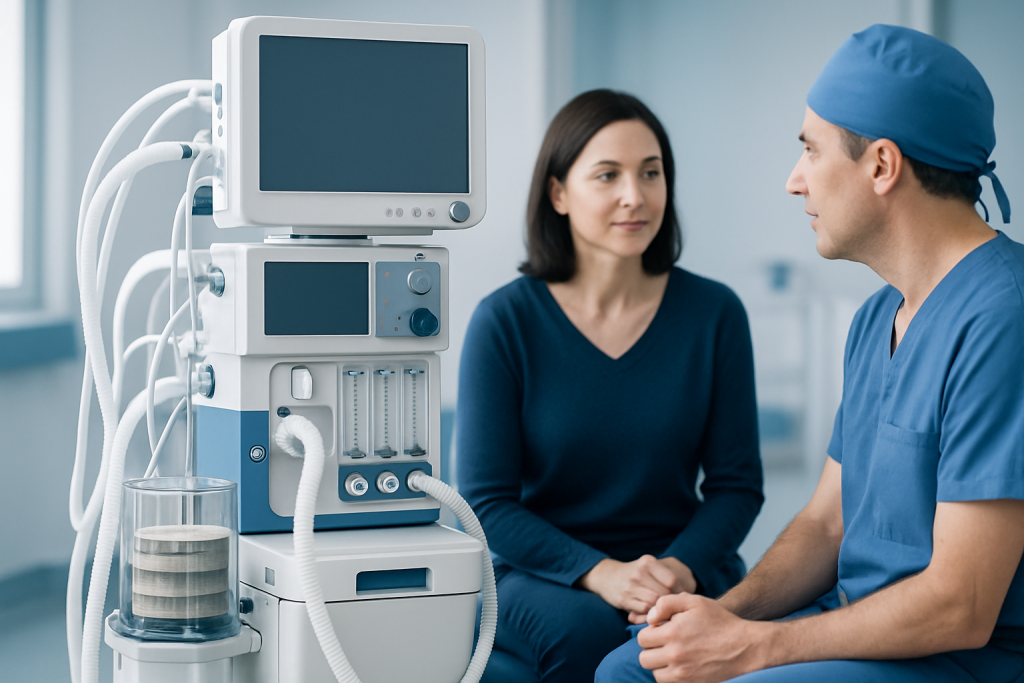
An anesthesia consultation is recommended before nearly any operation that requires sedation, regional anesthesia, or general anesthesia. It is particularly important if you have chronic conditions such as high blood pressure, diabetes, asthma, heart disease, sleep apnea, kidney or liver disease, obesity, or a history of blood clots. It is also essential if you have had problems with anesthesia before, such as nausea, difficult intubation, allergic reactions, or prolonged recovery.
The visit is also valuable when your planned surgery is more complex, longer in duration, or likely to involve blood loss, fluid shifts, or special positioning. Even if you feel well, your medical history may reveal details that affect the safest anesthetic technique. If you are traveling from abroad, this step helps the team identify any missing information before you arrive in Turkey, which can save time and reduce uncertainty.
In some cases, the consultation is recommended because of medication use rather than a diagnosis. Blood thinners, insulin, certain diabetes medicines, weight-loss drugs, herbal supplements, and some sleep or anxiety medications may need individualized planning. The anesthesiologist uses all of this information to decide whether you need further testing, specialist clearance, or specific instructions before surgery.
Who is a good candidate?

Most people scheduled for surgery are candidates for an anesthesia consultation. You do not need to be “healthy” to benefit from it; in fact, people with medical conditions often gain the most from a careful assessment. The main goal is to understand your personal risk profile and tailor the anesthetic plan accordingly.
You are usually a good candidate if you can provide a reliable medical history and are open about previous anesthesia experiences, medications, and symptoms such as shortness of breath, chest pain, snoring, reflux, or fainting. Candidates also benefit when they bring recent test results, imaging, or specialist reports that may affect the plan. If you have had a prior surgery elsewhere, those records can be especially helpful.
Some patients may need additional review before being cleared. This does not automatically mean surgery cannot proceed; it simply means your team may want more information, another specialist opinion, or a different timing strategy. Acibadem Health Point’s international patient services can help you organize records before travel so the consultation is more efficient once you arrive.
Treatment options
Because this is a consultation rather than a procedure, the “options” are the anesthesia pathways that may be considered for your surgery. The anesthesiologist will match the technique to the operation, your health status, and your preferences when possible. Common options include general anesthesia, where you are fully asleep; regional anesthesia, such as spinal or epidural techniques; local anesthesia with sedation; and nerve blocks that can reduce pain during and after surgery.
In many cases, the best plan is not a single technique but a combination. For example, a regional block may be paired with light sedation to improve comfort and reduce the need for stronger medicines afterward. If you are having a procedure that could cause pain after surgery, your team may also plan multimodal pain control, which uses several approaches to keep discomfort manageable while limiting side effects.
Your anesthesiologist may discuss alternatives if one technique is not ideal for you. For example, a history of certain medical conditions, airway concerns, reflux, or prior surgical experiences may make one approach preferable over another. In a JCI-accredited hospital setting such as Acibadem, these decisions are made with access to surgical specialists, intensive care support when needed, and clear protocols for international patients.
Online evaluation before travel
For international patients, an online pre-review can be very useful before booking flights. You may be asked to send medical reports, laboratory results, a medication list, allergies, previous anesthesia notes, and photos or imaging related to your planned surgery. This helps the team identify whether you may need more tests, a different travel window, or additional specialist input after arrival.
The online review is not a final clearance, but it can prevent wasted time and unnecessary travel if key information is missing. It also helps the anesthesiology team estimate whether your surgery is likely to need a routine outpatient pathway or a more involved hospital plan. If language is a concern, Acibadem Health Point can support communication with interpreters and help organize the information in a clinically useful way.
When you submit records, try to include the date of each test and the reason it was done. If you have had an operation before, include any discharge summary or anesthesia note if available. The more complete your file, the more accurate the preliminary advice will be before you come to Turkey.
Before the treatment
Before your consultation, gather every document that could affect anesthesia planning: your passport, current diagnoses, surgical history, medication list, allergies, and recent test results. If you use inhalers, CPAP, insulin, blood thinners, or supplements, make a note of the exact names and how often you take them. It also helps to write down symptoms that might seem unrelated, such as loud snoring, reflux, neck pain, or poor exercise tolerance.
On the day of the visit, you may be asked to fast if blood tests or other same-day procedures are planned, though a consultation alone usually does not require fasting. Wear comfortable clothes and be ready to answer direct questions about smoking, alcohol use, previous anesthesia issues, and your general activity level. Honest answers matter more than “perfect” answers; the anesthesiologist is there to plan, not to judge.
If your surgery is elective, the team may give you instructions about which medicines to continue and which to pause. Do not change prescription medicines on your own before the consultation. If you are traveling with a companion, they can help remember instructions and translate details back to your home care team if needed.
What happens during the treatment
At the consultation, the anesthesiologist will begin with a structured discussion about your health history and your planned surgery. You may be asked about previous operations, any family history of anesthesia problems, allergies, breathing issues, heart symptoms, and medications that thin the blood or affect blood sugar. This conversation is often the most important part of the visit because it reveals details that routine test results may not show.
Next comes a focused physical assessment. The doctor may check your blood pressure, pulse, oxygen saturation, airway, neck mobility, lungs, and heart. Depending on your case, you may also need blood tests, an ECG, imaging review, or input from another specialist such as cardiology, pulmonology, or internal medicine. The purpose is not to delay surgery unnecessarily, but to make sure the plan fits your body and your procedure.
By the end of the visit, you should have a clearer picture of what anesthesia type is planned, what preparation is needed, and whether any additional steps are required before surgery. In some cases, the final decision is confirmed after reviewing all test results. Acibadem Health Point’s multidisciplinary approach helps these decisions happen efficiently, especially when you are coordinating care from another country.
Hospital stay and discharge
The consultation itself is usually an outpatient appointment, so you can return to your hotel or accommodation the same day. If your surgery is scheduled soon after, the anesthesiologist may coordinate with the ward team so your perioperative plan is already documented. For some patients, additional testing may require a second visit or same-day review before final clearance is given.
Discharge after the consultation is straightforward, but do not assume you are cleared for surgery until the team confirms it. If the anesthesiologist requests more information, the final recommendation may come after lab results, specialist opinions, or imaging are reviewed. International patients often appreciate having this process handled before the operation date, because it reduces stress on the day of surgery.
If you are staying in Turkey for several days, the international patient unit can help align your consultation, tests, operation date, and travel schedule. This makes it easier to plan accommodation and transport without rushing. The goal is to ensure that you leave the consultation with a practical next step, not just a list of medical terms.
Recovery timeline
There is no physical recovery period from the consultation itself, but there is a planning timeline that follows it. The timing below shows what most patients can expect after the anesthesia assessment, especially when additional review is needed before surgery.
| Timeframe | What to expect |
|---|---|
| First 24 hours | You may receive instructions about fasting, medication changes, additional tests, or specialist review. Some patients are cleared immediately; others wait for results. |
| First week | Any missing reports may be collected, and the anesthesiologist may finalize the safest anesthesia approach. You may be asked to repeat or add tests if something needs clarification. |
| Weeks 2-4 | If your surgery is later, this period may be used to complete pre-op preparation, adjust medications, and confirm that nothing has changed in your health status. |
| Months 1-3 | For patients scheduling surgery further ahead, the anesthesia plan may be reconfirmed closer to the operation date, especially if new symptoms or medications appear. |
| Final result | The “result” is a clear anesthesia plan and fitness assessment for surgery. This may be same-day or after all required information has been reviewed. |
Because the consultation is about risk planning rather than treatment recovery, what matters most is how quickly the necessary medical information is assembled. If you are coming from abroad, good preparation usually shortens the timeline. Acibadem Health Point can help keep this process organized so your surgery date is realistic and medically appropriate.
What to avoid after treatment
After the consultation, avoid changing medications on your own unless the anesthesiologist specifically instructs you to do so. Do not assume that advice from friends, past surgeries, or generic internet instructions will apply to your case. Even common medicines, supplements, and over-the-counter painkillers can matter when anesthesia is involved.
Avoid skipping recommended tests or arriving late to follow-up appointments, because delays can affect your surgery schedule. If the team asks you to stop eating or drinking before surgery, follow the exact fasting instructions given to you for that procedure, not a general rule from another hospital. The timing can differ depending on the planned anesthesia and your medical condition.
It is also wise to avoid travel plans that are too tight immediately before surgery. If you are flying in from another country, leave enough time for consultation, tests, and any additional medical review. A slightly longer stay is often safer than trying to fit everything into one rushed window.
Risks and possible complications
The consultation itself is low risk. The main concern is not harm from the appointment, but missing information that could affect anesthesia safety later. That is why honesty, documentation, and clear communication are so important. Rarely, additional testing may uncover a condition that needs management before surgery can proceed.
Possible issues related to anesthesia planning include delayed clearance, the need for more investigations, changes in the anesthesia method, or postponement of surgery if a risk needs to be addressed first. These are not failures; they are part of responsible medical decision-making. If you have multiple medical problems or a complicated surgical history, your plan may be more detailed than expected.
For the surgery that follows, anesthesia-related risks can vary depending on your health and the procedure. The anesthesiologist will explain the general risks relevant to your case in plain language so you can make an informed decision. Results and safety profiles vary from person to person, which is why individualized review is essential.
Warning signs: when to contact a doctor
If you have already been given pre-operative instructions and then develop new symptoms, contact your doctor or the hospital team promptly. This is especially important if your surgery is approaching and your health status changes. Early communication can prevent avoidable delays or unsafe anesthesia planning.
- Chest pain, worsening shortness of breath, or unexplained palpitations
- Fever, flu-like illness, or signs of infection before surgery
- New or worsening cough, wheezing, or difficulty breathing
- Severe dizziness, fainting, or confusion
- Allergic reactions after taking a medication you were asked to use
- Unexpected bleeding, black stools, or unusual bruising if you use blood thinners
- Blood sugar problems that are difficult to control
- Any new symptom that could affect fasting, anesthesia, or the timing of surgery
If you are unsure whether a symptom matters, it is safer to ask. The anesthesia team would rather review a concern early than discover it on the day of surgery. This is one area where international patients should not wait for their travel date to sort things out.
Results and expectations
The outcome of an anesthesia consultation is a medical plan, not a procedure result. Ideally, you leave with a clearer understanding of whether you are fit for surgery, which anesthetic approach is most suitable, and what must be done before the operation. Sometimes the plan is straightforward; sometimes it includes extra testing or specialist advice.
It helps to think of this visit as a safety checkpoint. It can improve the chance that your surgery starts on time, that your medications are handled correctly, and that your anesthetic plan matches your health needs. However, it cannot guarantee that every risk will disappear. If your condition changes between the consultation and the surgery date, the plan may need to be updated.
For many international patients, the real benefit is peace of mind. You are not traveling based on guesswork; you are traveling with a medical plan that has been reviewed by a specialist team. At Acibadem Health Point, this kind of careful preparation is part of the standard pathway for complex cross-border care.
International patient travel planning
When you are coming to Turkey for surgery, the anesthesia consultation should be built into your itinerary rather than treated as an afterthought. You may need one day for the consultation and tests, another for specialist review, and then the operation itself. If your case is uncomplicated, the process may move quickly; if it is more complex, allow extra time.
Send your documents ahead of travel so the team can tell you whether your planned dates are realistic. A good travel plan also includes accommodation close to the hospital, transportation from the airport, and enough flexibility in case the anesthesiologist requests additional tests. Acibadem Health Point can help coordinate transfers and practical details, which is especially useful if you are unfamiliar with the city or arriving with a companion.
After surgery, your team may want you to remain in Turkey for a short observation period or a first control visit before flying home. The exact timing depends on the procedure and your recovery. It is safer to plan your return flight only after your surgeon and anesthesiologist confirm that travel is appropriate.
Cost and package information
The cost of an anesthesia consultation can vary based on several factors, including whether it is part of a larger surgical package, whether additional tests are needed, how complex your medical history is, and whether specialist clearance is required. The final amount may also depend on the type of surgery, the hospital setting, and the length of your overall stay in Turkey. Because every patient is different, a proper review is needed before any exact estimate can be prepared.
In many cases, package arrangements may include the pre-operative anesthesia evaluation, coordination with your surgeon, interpreter support, and some administrative assistance for international patients. Depending on your treatment plan, the package may also cover standard pre-op tests, hospital admission, operating room fees, and routine follow-up visits. What is included should always be confirmed in writing so you know what is part of the medical package and what is separate.
Common items that may not be included are travel tickets, hotel accommodation outside the hospital arrangement, personal expenses, extended stays if complications require them, and any additional diagnostics or consultations not initially anticipated. Acibadem Health Point can help you understand the structure of your estimate without guessing, so you can plan your trip with fewer surprises.
Why choose Acibadem
When anesthesia planning is part of a surgery journey, coordination matters as much as expertise. Acibadem Health Point works with JCI-accredited hospitals and multidisciplinary teams, which means your anesthesiology review is connected to the broader surgical and inpatient pathway. That is especially reassuring when you are arriving from another country and need information to be organized clearly.
You also benefit from international patient services that help with communication, records, transfers, and practical logistics. Interpreters can support conversations if you are not comfortable discussing medical details in English or Turkish. Remote follow-up is another practical advantage, because it allows your team to stay connected with you after you return home if questions come up.
Most importantly, the focus is on making your care understandable. A strong anesthesia consultation should leave you feeling informed, not overwhelmed. That is the kind of experience Acibadem Health Point aims to provide: structured, respectful, and centered on your safety.
Medical review and disclaimer
This guide has been reviewed by the Acibadem Health Point medical team and is intended for general information only. It does not replace an in-person consultation, medical examination, or personalized advice from an anesthesiologist or surgeon. Your final plan may differ depending on your health status, test results, and the type of surgery being considered.
Suitability for anesthesia and surgery can only be determined after physician evaluation. No part of this guide should be taken as a guarantee of outcome, safety, or timing. If you have symptoms, a chronic illness, or a history of anesthesia-related problems, please seek individualized medical assessment before travel or treatment decisions are made.
If you are planning care in Turkey, Acibadem Health Point can help coordinate the next steps, but the medical decision always rests with the treating physician after review of your full case.
Step by step
- Initial contact. You reach out with your planned surgery, current concerns, and preferred travel dates so the team can start organizing your evaluation.
- Medical record / photo submission. You send your medical history, medication list, allergies, past anesthesia notes, test results, and any imaging or procedure documents available.
- Preliminary medical review. The anesthesiology team reviews your information to identify possible risks, missing details, or the need for extra specialist input.
- Treatment plan and quotation. You receive a proposed pathway that explains the likely anesthesia approach, required tests, and what is typically included in your medical arrangement.
- Travel planning. You coordinate dates, accommodation, airport transfer support, and enough time for consultation and any additional pre-op workup.
- Arrival. You arrive in Turkey and are assisted with logistics so your appointment schedule is clear from the start.
- In-person consultation. The anesthesiologist reviews your history in detail, asks focused questions, and performs a physical assessment relevant to anesthesia safety.
- Pre-operative tests. If needed, you complete blood tests, ECG, imaging review, or specialist consultations before final clearance is given.
- Treatment. If you are cleared, you proceed to surgery with the anesthesia plan that has been selected for your condition and procedure.
- Hospital stay. Your hospital team monitors you according to the planned surgical pathway and adjusts pain control or observation as needed.
- First control. A first post-operative check confirms that recovery is progressing as expected and that your anesthesia-related instructions are understood.
- Discharge / travel clearance. Your doctors confirm when it is safe to leave, what to watch for, and whether it is appropriate to fly home.
- Remote follow-up. If you need guidance after returning home, Acibadem Health Point can support follow-up communication and help relay concerns to your treating team.
Your checklist
- Passport or government-issued identification
- Recent medical history and diagnosis list
- Current medication list, including supplements and over-the-counter medicines
- Allergy history and any prior reactions to anesthesia or antibiotics
- Previous surgeries and anesthesia records, if available
- Recent laboratory tests, ECGs, imaging, or specialist reports
- Details of chronic conditions such as diabetes, hypertension, asthma, heart disease, or sleep apnea
- A list of current symptoms, even if they seem minor
- Contact information for your home doctor or referring physician
- Photos or imaging related to the planned surgery, if relevant
- Interpreter or language preference information
- Travel dates and accommodation details if already booked
Key takeaways
- You need this visit to help confirm whether anesthesia can be planned safely for you.
- Bring your medical history, medication list, allergies, prior operations, and recent test results.
- The consultation may include questions about sleep apnea, heart disease, diabetes, airway issues, and past anesthesia experiences.
- Most patients go home the same day and continue preparation based on the team’s advice.
- Travel timing depends on whether extra tests or specialist reviews are needed before surgery.
- Your final anesthesia plan can change if new information appears during evaluation.
Frequently asked questions
Do I need an anesthesia consultation before every surgery?
For most operations that involve sedation, regional anesthesia, or general anesthesia, yes, an anesthesia consultation is an important part of safe planning. It helps your doctor understand your health profile and choose the most suitable technique. Even if your surgery seems routine, a pre-op assessment can reveal details that matter on the day of surgery.
Can I have the consultation online before I travel?
In many cases, yes. A preliminary online review can help the team assess your records and tell you what else is needed before you arrive in Turkey. However, the final clearance usually depends on an in-person assessment and, if needed, physical examination or same-day tests.
How long should I stay in Turkey for this process?
It depends on your surgery and whether additional testing is required. Some patients can complete the consultation, tests, and surgery within a short stay, while others need extra time for specialist review or post-operative observation. It is best to allow flexibility rather than booking a return flight too tightly.
What should I bring to the consultation?
Bring your passport, medication list, allergy information, previous operation notes, and any recent lab results or imaging. If you have had anesthesia before, those records can be very helpful. A clear symptom list also makes the consultation more efficient.
Is the consultation itself painful or risky?
The consultation is usually not painful and is considered low risk. It mainly involves discussion, a physical assessment, and sometimes tests. The purpose is to reduce risk later by finding anything important before surgery starts.
What if I have a medical condition like diabetes or heart disease?
You can still be a candidate for surgery, but the anesthesiologist may want more information or specialist input. Chronic conditions do not automatically rule out anesthesia; they simply require more careful planning. The safest approach is to share all relevant details honestly and early.
Will I know immediately which anesthesia I will receive?
Sometimes yes, but not always. In straightforward cases, the anesthesiologist can explain the likely plan during the consultation. If test results or specialist opinions are still pending, the final decision may be confirmed later.
What factors affect the cost of the consultation and surgery planning?
The main factors are the complexity of your medical history, the number of tests needed, whether specialist reviews are required, and whether the consultation is part of a broader surgical package. The hospital setting and length of stay can also influence the overall arrangement. A written review of your case is the best way to understand what is included.
How safe is anesthesia in general?
Modern anesthesia is widely used and carefully monitored, but no medical procedure is completely free of risk. Safety depends on your health, the surgery, and the quality of pre-operative planning. That is why a detailed consultation is so valuable before treatment.
Can the plan change after the consultation?
Yes. If new symptoms appear, tests change, or another condition is discovered, your anesthesiologist may adjust the plan before surgery. This is normal and is done to protect your safety. A good consultation leaves room for updates rather than forcing a one-size-fits-all decision.
More Patient Guides

Bin ich ein geeigneter Kandidat für eine Behandlung im Ausland?
Erfahren Sie, ob eine Behandlung im Ausland in Türkiye für Sie geeignet ist, was Sie vorbereiten sollten, wie die Beurteilung abläuft und…

International Patient Medication Reconciliation Guide
Learn how medication reconciliation works for international patients in Turkey, what to bring, how review happens, and how to prepare safely.
10 min read
Fasting Instructions for Medical Procedures in Turkey
Learn how fasting before procedures works in Turkey, what you can drink or eat, and how to prepare safely for surgery or…
10 min read