Aftercare You Can Manage From Home: Which Treatments Need In-Person Follow-Up?

Know which aftercare can be handled at home, which needs in-person review, and how to stay connected with your care team after travel.
Medically reviewed by the Acıbadem clinical team — June 13, 2026
Not every part of recovery needs to happen in a clinic. This guide helps you understand which aftercare tasks you can manage at home, when you should arrange an in-person check, and how Acibadem Health Point can help you stay supported after you return home.
At a glance
- Best for: International patients planning recovery after treatment or surgery
- Home-managed aftercare: Medicine schedules, wound care instructions, activity pacing, symptom tracking
- Usually needs in-person review: Stitch or drain removal, concerning swelling, new pain, breathing issues, wound changes
- Support available: Interpreter help, discharge planning, follow-up coordination, travel and accommodation guidance
- Key rule: If symptoms are getting worse, do not wait for the next scheduled check-in
Why some follow-up can happen at home—and why some cannot
After treatment, your recovery plan usually has two parts: the things you can safely do where you are, and the moments when a clinician needs to see you in person. That split is especially important if you have travelled for care, because your hospital stay may end before the full healing process is complete.
Many day-to-day recovery tasks are designed to be manageable from home. These may include taking prescribed medicines on time, resting in the right way, watching the wound or treatment area, and noting how your symptoms change from one day to the next. Acibadem Health Point helps international patients leave with written discharge instructions that are practical, not vague, so you know what normal recovery looks like and what would be a warning sign.
In-person follow-up, on the other hand, is for situations where someone needs to examine you directly, remove or replace something, or confirm that healing is progressing as expected. It is not a failure of remote recovery; it is simply the safer way to check certain issues. The challenge is knowing the difference before you go home.
What you can usually manage from home
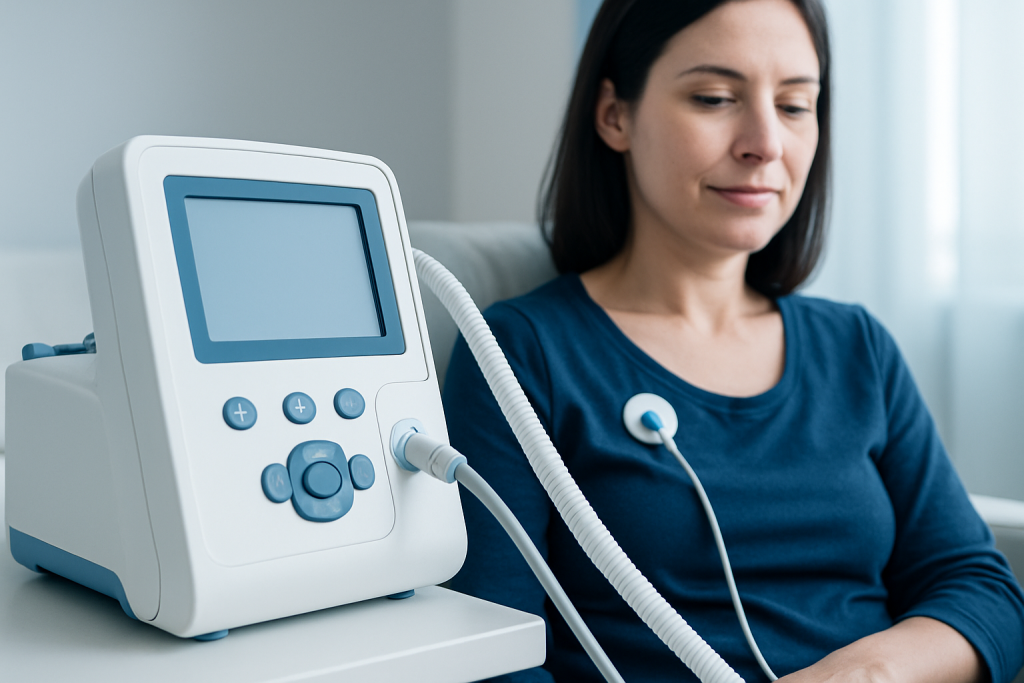
A good recovery at home depends on structure. If you know what to do each day, home care can be very effective for many treatments once your care team says you are ready to travel. The most common home tasks are straightforward, but they still need attention.
You may be asked to keep track of medication times, hygiene instructions, fluid intake, mobility, or simple exercises. You may also need to observe the healing area for redness, discharge, unusual swelling, or temperature changes. For many patients, a photo log can be useful if your team wants to compare progress over time, especially when you are in another country.
- Taking medicines exactly as prescribed
- Keeping dressings clean and dry, if instructed
- Walking, resting, or exercising at the pace your team gave you
- Measuring temperature or other home checks if advised
- Recording symptoms so you can describe them clearly later
Acibadem Health Point’s international patient services can help you leave with instructions you can actually follow at home, including language support if your preferred language is not English. That matters when the difference between “slightly sore” and “needs review” is only a few words on a page.
The follow-up visits that are most likely to need hands-on care

Some aftercare simply cannot be done well by message or video. If your treatment involved stitches, drains, implants, dressings that need changing, or a physical exam to assess healing, you may need an in-person appointment with a local doctor or a return visit to the treating hospital. A clinician may also want to check your mobility, healing progress, or any new symptoms directly.
Procedures that often need hands-on follow-up are usually the ones where timing matters. For example, certain wound checks or device removals are best done on a set schedule. If you delay those appointments, you may increase the risk of discomfort, infection, poor healing, or a delayed return to normal activity.
You should also seek in-person review if your recovery starts moving in the wrong direction. That can include worsening pain, increasing redness or swelling, fever, bleeding that does not settle, trouble breathing, or any symptom that feels clearly different from the first few days after treatment. When in doubt, it is safer to be assessed than to guess.
How to prepare before you travel home
The easiest follow-up is the one you prepare before your flight. Before you leave, ask for a clear summary of what was done, what medicines you need, which symptoms are expected, and which symptoms should trigger a call or visit. If something is likely to need a physical check later, ask when that should happen and whether it can be arranged locally.
It also helps to know who will answer your questions after you return home. At Acibadem Health Point, the international patient team can help coordinate discharge documents, translations when needed, and guidance about next steps. That does not replace medical care where you live, but it does make it easier to hand over your treatment history to a local clinician if you need one.
Keep copies of your reports, imaging summaries, medication list, and discharge instructions in your phone and in paper form. If you later need urgent help, those documents can save time and prevent confusion, especially if you are speaking to a doctor who was not part of your original treatment.
Using remote follow-up without losing safety
Remote follow-up works best when it is specific. A vague message like “I’m not sure if this is normal” is hard to act on, but a short note with the date, your symptoms, a photo if appropriate, and whether the issue is improving can be much more useful. If your care team offers video calls, use them for questions that involve appearance, movement, or general recovery progress.
However, remote contact has limits. A call or video review is helpful for guidance, reassurance, and early triage, but it cannot replace a hands-on examination when a problem may need treatment or a procedure. If you are asked to come in, or to see a local doctor, try not to delay because you hoped the symptom would settle by itself.
Many international patients feel more confident when follow-up is organised before they leave Turkey. Acibadem Health Point can help you understand whether your next check is likely to be remote, local, or in-person at the hospital, so you can plan travel and work commitments around realistic recovery timing rather than assumptions.
When you should seek urgent help
Some symptoms should not wait for your next scheduled review. If you develop severe pain, chest pain, breathing difficulty, heavy bleeding, a high fever, sudden weakness, confusion, or a rapidly spreading wound problem, seek urgent medical attention right away. If you are unsure how serious something is, treat it as important and ask for immediate medical advice.
It is better to act early than to spend hours wondering if you are overreacting. In a post-treatment setting, small changes can matter more than they would normally. That is why your discharge instructions should include both routine follow-up and emergency warning signs.
If you are far from your treating hospital, know the nearest emergency department before you need it. Keep your discharge papers with you when you travel and make sure a family member or companion can access them too. When possible, let the Acibadem Health Point team know if you have trouble understanding the next step so they can help you organise the right route of care.
Step by step
- Read your discharge summary before you travel. Do not wait until you get home to open the paperwork. Confirm the medicines, wound care instructions, activity limits, and the date or type of follow-up you were told to expect. If anything is unclear, ask before you leave the hospital.
- Separate routine care from warning signs. Make two lists: what you can handle at home and what should prompt a call or visit. Keep the warning signs short and practical so you can act quickly if your symptoms change.
- Set up your follow-up channel. Find out whether you will have phone, video, email, or WhatsApp-style check-ins, and who will reply if you have a concern. If a local doctor needs to be involved, ask what records they should see.
- Plan for the first 72 hours after return. The first few days at home are when people often have the most questions. Arrange medication reminders, a quiet recovery space, and someone who can help with meals, transport, or checking the treatment area if needed.
- Keep your documents easy to share. Store your reports, imaging, prescriptions, and discharge instructions in one folder on your phone and in printed form. If you need to see a doctor locally, having the records ready can make the appointment much smoother.
- Do not wait if symptoms worsen. If pain, swelling, fever, bleeding, or breathing issues are getting worse rather than better, seek assessment. Home recovery is meant to support healing, not to delay care when something is changing quickly.
Your checklist
- Discharge summary saved on your phone and printed
- Medication list with doses and times
- Clear wound or treatment-area instructions
- Follow-up contact details for the hospital team
- Name and number of a local doctor or clinic, if needed
- Emergency warning signs reviewed before travel
- Travel insurance or medical records organised, if applicable
- A family member or companion knows the plan
Key takeaways
- Home aftercare works best when instructions are specific and written down.
- Some follow-up can be managed remotely, but physical checks still matter for certain treatments.
- Worsening symptoms should never be left until the next routine appointment.
- Keeping your records organised makes it easier to get help in another country.
- Acibadem Health Point can support your recovery with international patient coordination and interpreter help.
Frequently asked questions
How do I know if my aftercare can be managed at home?
Start with your discharge instructions: if the tasks are medicine, rest, symptom tracking, or simple wound care, they are often home-managed. If your treatment included stitches, drains, implants, or a planned exam, you may need at least one in-person review. When in doubt, ask the team before you travel so you do not have to guess later.
What if I am back in my home country and I am not sure a symptom is normal?
Contact the team that treated you and describe the symptom clearly, including when it started and whether it is getting better or worse. If the issue sounds urgent or the team cannot assess you remotely, arrange an in-person visit locally. Bring your discharge papers so another clinician can understand your treatment quickly.
Can video calls replace a follow-up appointment?
They can replace some types of review, especially if the concern is about symptoms, movement, or general recovery progress. They cannot replace an examination when a wound, device, or physical finding needs direct assessment. Think of video follow-up as helpful support, not a universal substitute.
What records should I keep after treatment in Turkey?
Keep your discharge summary, medication list, procedure notes, test results, and any follow-up advice. If you have imaging or photos that were shared with you, save those too. These documents help both your treating team and any local doctor who may see you later.
How does Acibadem Health Point help after I leave?
Acibadem Health Point can help you understand your discharge plan, organise follow-up communication, and support document sharing after you travel. The international patient team can also help with language support and practical coordination if you need to see someone locally. That makes it easier to stay on track without feeling alone once you are home.
When should I stop trying to manage recovery at home and seek urgent care?
Seek urgent help if you have severe pain, chest pain, trouble breathing, heavy bleeding, fever, confusion, or a rapidly worsening wound or swelling. These symptoms should not wait for a routine message or appointment. If you are unsure, treat it as urgent and get assessed right away.
Add us as a Preferred Source to see more of our trusted health content across Google Search, AI Overviews and Discover.
More Patient Guides

Nachsorge-Lücken vor der Wahl einer Behandlung im Ausland prüfen
Prüfen Sie vor Ihrer Reise die Nachsorgelücken: Kontrolltermine, Unterlagen, Medikamente, Rehabilitation und wer Sie nach der Rückkehr zu Hause unterstützt.

Aktivitätsgrenzen nach der Behandlung: Was Patienten vermeiden sollten
Erfahren Sie, welche Aktivitäten Sie nach der Behandlung vermeiden sollten, wann Sie sich ausruhen sollten und wie Sie mit klaren, praktischen Nachsorgehinweisen…

Barrierefreier Transport in der Türkei für internationale Patienten
Planen Sie eine reibungslose, barrierefreie Reise in der Türkei mit praktischen Tipps zu Flughafentransfers, Taxis, öffentlichen Verkehrsmitteln und Mobilitätshilfen für Patienten.
Related Specialists

Fzt. Elif Tokgöz Nizam
Physical Medicine & Rehabilitation
Fzt. Gizem Aydın
Physical Medicine & Rehabilitation
Dr. Safiye Sayilir
Physical Medicine & Rehabilitation
Dr. Özgün Barış Çolak
Physical Medicine & Rehabilitation