

Nutrition & Diet
Personalized nutrition and dietary programs supporting treatment and wellbeing.

Medically reviewed by the Acıbadem clinical team — June 12, 2026
The nutrition and diet unit provides expert, medically grounded dietary care — supporting health, managing conditions affected by diet, and guiding patients through the nutritional side of their treatment. At Acıbadem International, nutrition is treated as an integral part of medical care rather than a separate service, working alongside specialties such as bariatric surgery, endocrinology, gastroenterology and oncology so that dietary support is built into a patient’s overall plan. For people travelling from abroad, that medically integrated, individualized approach — and a plan designed to continue at home — is what makes nutritional care genuinely effective.
This page explains what the nutrition and diet unit covers, who it helps, how nutritional needs are assessed, the approach to care, and how international patients are supported.
What the nutrition and diet unit covers
The unit provides individualized nutritional assessment and dietary care for a wide range of needs, always grounded in medical evidence. Its main areas of work include:
- Nutritional support during medical treatment — including for surgery and cancer care.
- Dietary management of conditions — such as diabetes and digestive disorders.
- Nutrition after bariatric and other surgery — guiding the staged dietary changes.
- Healthy weight and metabolic health.
- Individualized dietary plans — tailored to health and goals.
- Nutritional education and long-term support.
Because diet affects and is affected by so many conditions, the unit works closely with related specialties — bariatric surgery, endocrinology, gastroenterology and oncology — so that nutritional care is part of the overall plan.
Who the unit helps
Nutritional care is valuable in many situations, and the unit tailors it to the individual. Common reasons international patients are referred include:
- Nutritional support after surgery — including bariatric procedures.
- Dietary management of diabetes — and other metabolic conditions.
- Digestive conditions affected by diet.
- Nutrition during cancer treatment.
- Healthy weight management.
- General nutritional assessment and guidance.
Many patients come to the unit as part of a wider treatment plan, where nutrition is essential to recovery or to managing a condition, while others seek guidance on weight or general health. The unit’s role is to provide evidence-based, individualized dietary care that genuinely fits the person.
How nutritional needs are assessed
Good nutritional care begins with a careful assessment of the individual’s health, condition and goals, since dietary needs are highly personal. Assessment typically involves:
- Review of medical history and condition — understanding the whole picture.
- Nutritional assessment — evaluating dietary needs and status.
- Consideration of the patient’s goals and circumstances.
- A tailored dietary plan — built around the individual.
This assessment is informed by the patient’s medical condition and the relevant specialists, so the plan is both medically appropriate and realistic for the person. For international patients, an initial review can begin remotely, and the plan is designed so it can be continued at home.
The approach to nutritional care
The unit provides individualized, evidence-based dietary care across a range of needs.
Nutrition during and after treatment
Good nutrition supports recovery and treatment, and the unit provides nutritional support for patients undergoing surgery or cancer care, helping them stay as well-nourished and strong as possible through demanding treatment.
Nutrition after bariatric surgery
After bariatric surgery, the unit guides patients through the staged dietary changes and long-term eating habits that are essential to safe, lasting results, with a clear plan to follow at home.
Dietary management of conditions
For conditions such as diabetes and digestive disorders, the unit provides dietary management as part of the medical plan, in cooperation with endocrinology and gastroenterology.
Healthy weight and general nutrition
The unit supports healthy weight management and general nutrition with realistic, individualized plans and education. Specific programs can be explored in the treatments library.
Nutrition as part of medical care
One of the most important principles of the unit is that nutrition is an integral part of medical care, not a separate or optional add-on. Diet affects recovery from surgery, the management of conditions such as diabetes, the safety of life after bariatric surgery, and a patient’s strength through cancer treatment. By working within a large hospital group and alongside the relevant specialists, the unit ensures that nutritional care is built into a patient’s overall plan, so that it supports their treatment rather than sitting apart from it. This medically integrated approach is what distinguishes genuine nutritional care from generic dieting advice, and it is particularly valuable for patients whose nutrition is closely tied to their medical condition.
An evidence-based, individualized approach
The unit’s dietary guidance is grounded in medical evidence and tailored to the individual, which sets it apart from the many generic or fad approaches to diet. Rather than applying a single regime, the unit assesses each person’s health, condition and goals, and builds a plan that is both medically appropriate and realistic for their life. This matters because a dietary plan only works if the person can follow it, and because nutritional needs differ greatly depending on a person’s health and circumstances. The unit also provides education and support, helping people understand the reasoning behind their plan so they can sustain it. This honest, individualized, evidence-based approach is the foundation of effective nutritional care.
Technology and approach
Nutritional care relies on careful assessment and expert, individualized guidance rather than technology alone. The unit uses thorough nutritional assessment, informed by the patient’s medical condition and the relevant specialists, to build a tailored plan, and provides education and ongoing support to help patients follow it. The defining feature is integration and individualization: dietary care built into the patient’s medical plan, grounded in evidence, and realistic for the person. Where nutrition connects to a medical condition, care is coordinated within the hospital group, so the whole picture is considered.
Your team
Your care is provided by experienced dietitians and nutrition specialists, working with the medical team involved in your care — such as surgery, endocrinology, gastroenterology or oncology — as your situation requires. The specialists involved are listed on the doctors page, and care is delivered across Acıbadem’s accredited hospitals, which maintain international quality and safety standards.
The international patient journey
The unit is organized to make nutritional care clear and well supported for international patients.
1. Remote review
You begin by sharing your history, condition and goals. The team reviews them, advises on how nutritional care can help, and where helpful offers a second opinion before you decide.
2. A clear plan
You receive a plan describing the recommended nutritional care, how it fits with any treatment, and what to expect — including how it would continue at home.
3. Coordinated care
A dedicated coordinator arranges your appointments, interpreting and logistics, and your nutritional care is coordinated with the relevant medical team.
4. Continuing at home
You receive a clear, realistic plan to continue at home, with education and support, and the team remains reachable for questions. To begin, request an online consultation.
Why patients choose Acıbadem for nutritional care
Acıbadem International offers experienced dietitians, evidence-based and individualized dietary care, integration with the wider medical team, and well-coordinated international patient support — all within accredited hospitals. For patients travelling from abroad, the combination of medically grounded nutritional care, integration with their treatment, and a plan designed to continue at home is what sets the experience apart. The unit treats nutrition as an integral part of care, with the depth of a leading medical system behind it.
What to expect and practical notes
Nutritional care is highly individual, and what it involves depends on your health, condition and goals. Where nutrition is part of a wider treatment — such as after surgery or during cancer care — it is integrated into your overall plan. The unit provides realistic, evidence-based guidance and education, and a plan designed to continue at home, because dietary care works over time rather than in a single visit. Throughout, the focus is on a plan that is both medically appropriate and realistic for you to follow.
Coordinated care across conditions
Nutrition connects to many areas of medicine, and treatment within a large hospital group means dietary care is part of a connected plan. The unit guides nutrition after bariatric surgery, manages diet in diabetes with endocrinology, supports digestive conditions with gastroenterology, and provides nutritional support during treatment with oncology. This means a patient’s nutrition is managed as part of their overall care rather than separately, which is exactly how nutritional care achieves the best results. For international patients, this integration ensures dietary care genuinely supports their treatment.
Nutrition for specific conditions
Nutrition plays an important role in many medical conditions, and a large part of the unit’s work is supporting patients whose health is affected by what and how they eat. In diabetes, nutritional care is central to managing blood sugar, working with endocrinology; after bariatric surgery, a carefully staged diet is essential to recovery and long-term success; in digestive conditions, dietary support managed with gastroenterology can ease symptoms; and during cancer treatment, good nutrition supports strength and wellbeing alongside care from oncology. In each case, the unit provides nutritional guidance tailored to the condition and the individual, as part of a coordinated plan. This condition-specific nutritional care reflects the understanding that, for many patients, what they eat is not separate from their medical treatment but an important part of it.
Building habits that last
The most effective nutritional care is not a short-term diet but a sustainable change in how a person eats, and the unit focuses on building habits that last. Rather than restrictive plans that are abandoned after a few weeks, the aim is realistic, individualized guidance that fits the person’s life, preferences and goals, and that they can maintain over time. The unit supports patients in understanding the principles behind the guidance, so that they can make good choices independently, and it adjusts the plan as needed. This emphasis on sustainable change reflects honest, evidence-based nutritional care: lasting results come from habits that can be kept up, not from extreme measures, and the unit works with patients to find an approach that genuinely works for them in the long term.
What a nutrition consultation involves
A nutrition consultation begins with understanding the whole person — their health, any medical conditions, their eating patterns, lifestyle and goals — so that guidance can be genuinely individualized. The unit assesses nutritional needs carefully, taking into account any conditions that nutrition can influence, and then provides clear, practical guidance and a plan tailored to the individual. For international patients, much of this can begin remotely, with relevant information reviewed beforehand, and the plan is designed so that it can be continued at home, since nutritional change happens over time rather than in a single visit. The consultation is collaborative and supportive rather than prescriptive, recognizing that lasting nutritional change depends on a plan the person understands, believes in and can realistically follow in their own daily life.
Frequently asked questions
Can my case be reviewed before I travel?
Yes. You can share your history, condition and goals for a remote review, and receive advice on how nutritional care can help, including a second opinion where helpful, before deciding to travel.
Is nutritional care part of medical treatment?
Yes. The unit treats nutrition as an integral part of medical care, built into your overall plan and coordinated with the relevant specialists, rather than as a separate or optional service.
Do you provide nutrition after bariatric surgery?
Yes. The unit guides patients through the staged dietary changes and long-term eating habits essential to safe, lasting results after bariatric surgery, with a clear plan to follow at home.
Can you help manage diet for diabetes?
Yes. Dietary management of diabetes and other metabolic conditions is provided as part of the medical plan, in cooperation with endocrinology.
Do you support nutrition during cancer treatment?
Yes. The unit provides nutritional support during cancer care, helping patients stay as well-nourished and strong as possible through demanding treatment, alongside oncology.
Is the dietary advice evidence-based?
Yes. The unit’s guidance is grounded in medical evidence and tailored to the individual, which sets it apart from generic or fad approaches to diet.
Will my plan be realistic for me to follow?
Yes. A dietary plan only works if you can follow it, so the unit builds a plan that is both medically appropriate and realistic for your life, with education and support to help you sustain it.
Can you help with healthy weight management?
Yes. The unit supports healthy weight management with realistic, individualized plans and education, grounded in evidence.
Will my care be coordinated with my treatment?
Yes. Nutritional care is integrated with the medical team involved in your care, so it supports your treatment rather than sitting apart from it.
Will my plan continue after I return home?
Yes. The plan is designed so it can be continued at home, with education and support, and the team remains reachable for questions.
Can I get a second opinion on a dietary plan?
Yes. The unit can review your situation and provide an honest second opinion on the most appropriate nutritional care for you.
How long will I need to be involved?
Nutritional care works over time rather than in a single visit, so the plan is designed to continue at home. Your coordinator and team give a clear picture of what is involved.
Can I receive care in my own language?
Yes. The international patient coordinator arranges interpreting and supports you through the practical and clinical steps of your nutritional care.
Will I receive a clear plan to take home?
Yes. You receive a clear, realistic dietary plan and education to continue at home, so your nutritional care can be sustained after you return.
Will my whole health be considered?
Yes. Where nutrition connects to a medical condition, care is coordinated within the hospital group, so your dietary plan is built with your whole health in view rather than in isolation.
Can my nutritional needs be assessed before I travel?
Yes. Much of a nutritional assessment can begin remotely, with relevant information reviewed beforehand, so that guidance and a plan can be prepared and any in-person time used efficiently.
Is nutrition part of medical treatment?
Yes. For many conditions — including diabetes, digestive conditions, recovery after surgery and cancer care — nutrition is an important part of treatment, and the unit provides guidance coordinated with the relevant specialties.
Will my plan be realistic and sustainable?
Yes. The unit focuses on building habits that last, with realistic, individualized guidance that fits your life and that you can maintain over time, rather than restrictive plans that are hard to keep up.
Will the plan be tailored to me?
Yes. Guidance is individualized to your health, any medical conditions, your eating patterns, lifestyle and goals, so that it is genuinely suited to you rather than a generic diet.
Can the plan be continued at home?
Yes. The plan is designed so that it can be continued at home, since nutritional change happens over time, and the unit supports you in understanding the principles so you can make good choices independently.
Do you work with other specialties?
Yes. The unit works with endocrinology, gastroenterology, bariatric surgery, oncology and others, so that nutritional care is part of a coordinated plan for your condition.
Can I receive guidance in my own language?
Yes. The international patient coordinator arranges interpreting and supports you through your consultation, so that the guidance is clear and you can follow it confidently.
Is the guidance evidence-based?
Yes. The unit provides evidence-based, individualized nutritional care, focused on sustainable change rather than extreme measures, and adjusts the plan as needed over time.
Does nutritional care work alongside my medical treatment?
Yes. Within a large hospital group, nutritional care is coordinated with the relevant specialties — such as endocrinology, gastroenterology, bariatric surgery and oncology — so that it forms part of a connected plan for your condition rather than standing apart from your medical treatment, which is how nutrition can be most effective.
Will a companion be supported during my visit?
Yes. The international patient coordinator helps with practical arrangements so a companion can accompany you, which can be helpful when discussing changes to diet and lifestyle.
Will I get practical, usable guidance rather than just rules?
Yes. The unit provides clear, practical guidance tailored to your life and helps you understand the principles behind it, so you can make good choices independently and keep the changes up over the long term.
Will the plan take my preferences into account?
Yes. Lasting nutritional change depends on a plan you can realistically follow, so the unit shapes the guidance around your preferences, lifestyle and goals rather than imposing a rigid diet.
Will I receive a plan I can follow at home?
Yes. You receive clear, practical guidance and a plan designed to be continued at home, since nutritional change happens gradually, and the unit supports you in understanding the principles so you can sustain the changes in your own daily life.
Can nutritional care support recovery and wellbeing?
Yes. Good nutrition supports recovery after surgery, strength during cancer treatment, and wellbeing in many conditions, and the unit provides guidance as part of a coordinated plan so that nutrition contributes meaningfully to your overall care and recovery.
Will the guidance be honest rather than extreme?
Yes. The unit provides honest, evidence-based guidance focused on sustainable change, avoiding extreme or restrictive measures, because lasting results come from habits you can realistically keep up over the long term.
How soon can I begin nutritional care?
Much of nutritional assessment and planning can begin remotely, so guidance can be prepared before you travel, and the plan is designed to continue at home, since nutritional change happens gradually over time rather than in a single visit.
This page provides general health information about the services of this unit and is not a substitute for personal medical advice. Any nutritional assessment and plan is determined after individual evaluation by a qualified specialist.
Specialists in this Unit

Dyt. Aylin Şaşmaz
Nutrition & Diet
Dyt. Begüm Bengi
Nutrition & Diet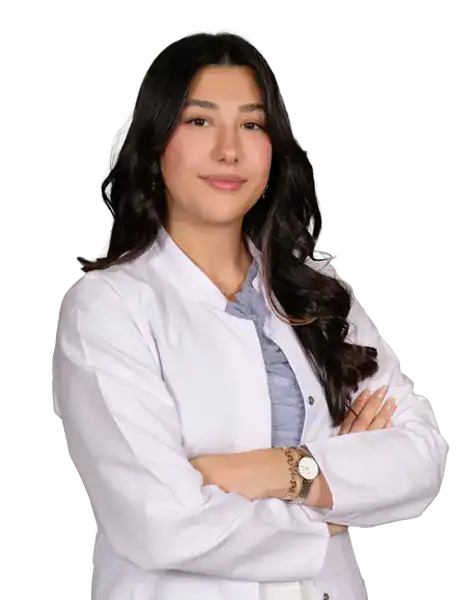
Dyt. Begüm Biber
Nutrition & Diet
Dyt. Bensu Enyüksek
Nutrition & Diet
Dyt. Beyza Erdoğan Aksan
Nutrition & Diet
Dyt. Burcu Akbeyaz
Nutrition & Diet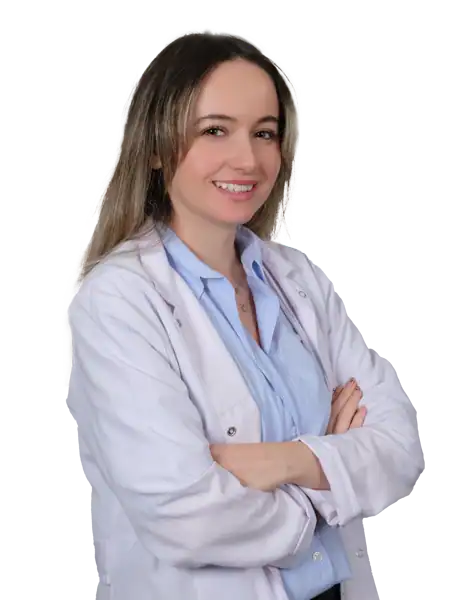
Dyt. Ceren Güven
Nutrition & Diet
Dyt. Çisem Gündüz
Nutrition & Diet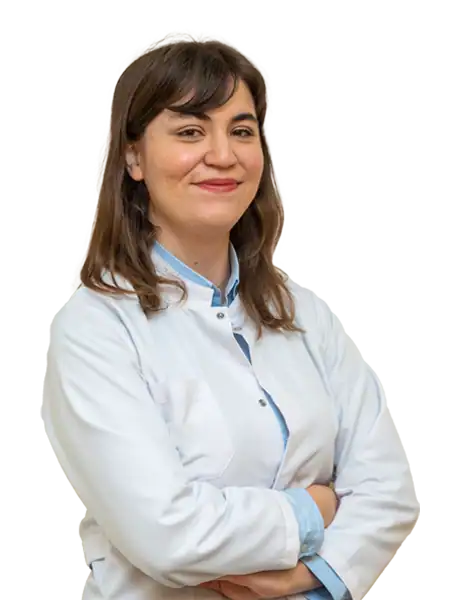
Dyt. Deniz Meriç
Nutrition & Diet
Dyt. Duygu Gençel
Nutrition & Diet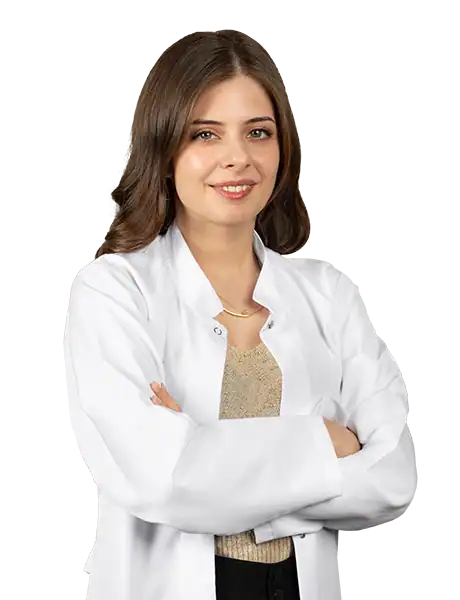
Dyt. Edagül Kopuz
Nutrition & Diet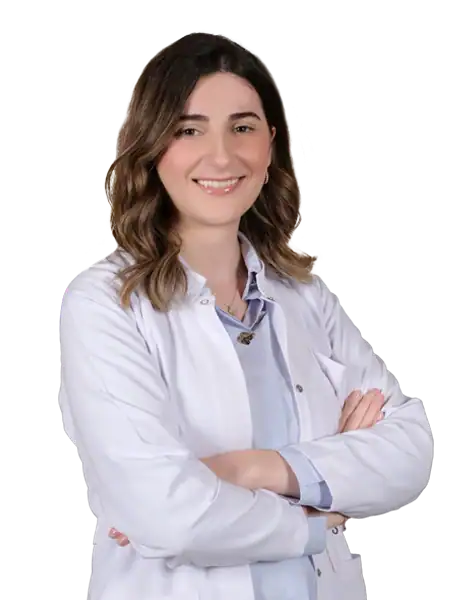
Dyt. Esin Aydoğan
Nutrition & Diet
Dyt. Ezgi Hazal Çelik
Nutrition & Diet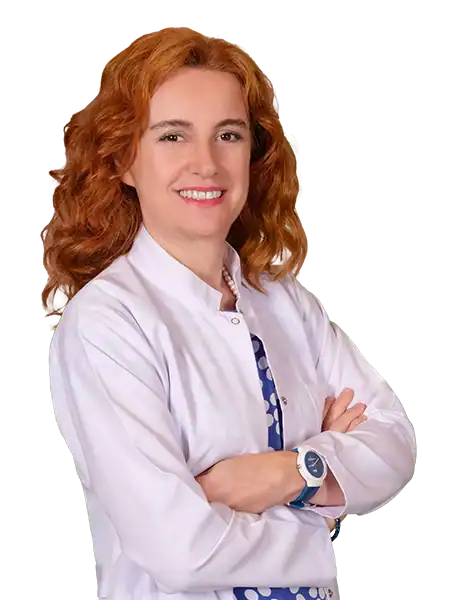
Dyt. Fatma Turanlı
Nutrition & Diet
Dyt. Gamze Gültekin
Nutrition & Diet
Dyt. Gizem Katkıcı Taşkın
Nutrition & Diet
Dyt. Güler Aras
Nutrition & Diet
Dyt. Hande Selin Ok
Nutrition & Diet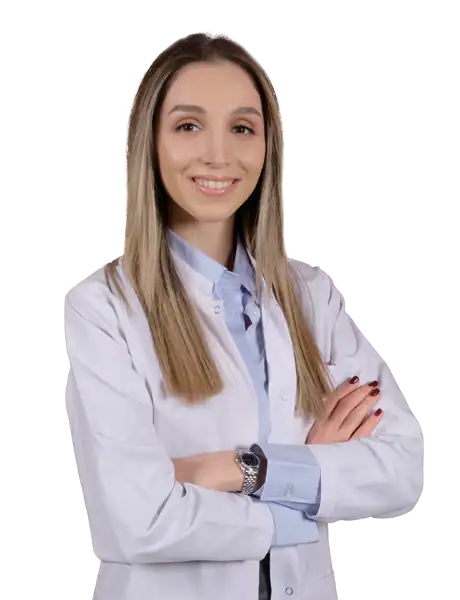
Dyt. Hüda Sevimli
Nutrition & Diet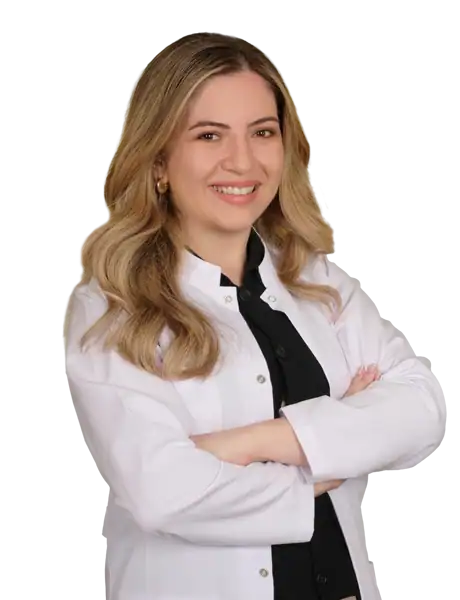
Dyt. Nur Ecem Baydı Özman
Nutrition & Diet
Dyt. Pakize Gizem Akgül
Nutrition & Diet
Dyt. Petek Ari Turaci
Nutrition & Diet
Dyt. Pınar Koç
Nutrition & Diet
Dyt. Renan Güneş
Nutrition & DietSpeak with our medical team
Share your case and our international patient team will guide you to the right specialist — free of charge.