What to Expect From ENT Endoscopy: A Step-by-Step Patient Guide
Key Takeaways
- ENT endoscopy gives a close view of the ear, nose, throat, and voice box that cannot be seen well with a standard exam.
- Most people tolerate the procedure well, and local numbing medicine may be used when needed.
- Preparation is usually simple, but the exact instructions depend on which area is being examined and why the test is needed.
- The test can help identify inflammation, structural problems, infections, polyps, growths, reflux changes, or voice-related concerns.
- After the procedure, mild throat irritation or nasal sensitivity can happen briefly, but serious side effects are uncommon.
- Patients who live abroad may need a clear plan for results review, follow-up, and any further treatment before traveling home.
Medically reviewed by the Acıbadem clinical team — June 13, 2026
ENT endoscopy is a detailed, usually well-tolerated examination that helps specialists view the nose, throat, voice box, and related areas with precision. This guide explains the process step by step, from preparation and sensations during the test to recovery, results, and follow-up care.
Overview
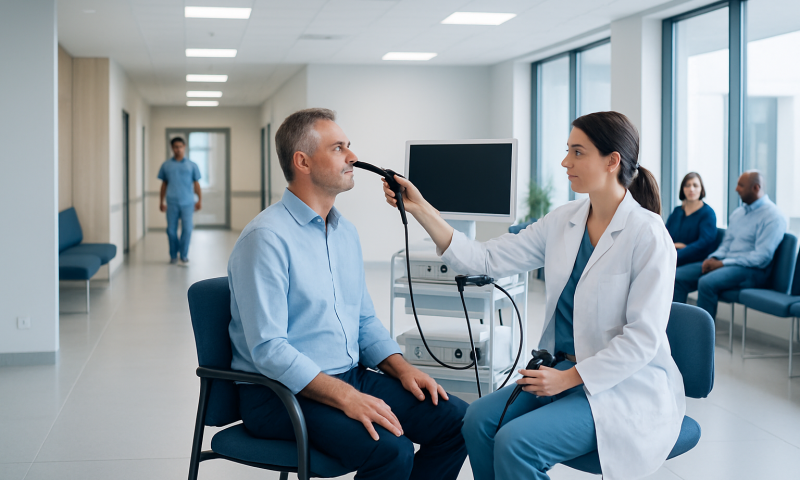
ENT endoscopy is a medical examination that lets an ear, nose, and throat specialist look directly inside the upper airway using a thin scope with a light and camera. Depending on the complaint, the scope may be passed through the nose to view the nasal passages, the back of the throat, the vocal cords, or nearby structures. It is often used when symptoms are hard to explain with a standard office exam alone.
For many patients, the value of ENT endoscopy is clarity. A persistent blocked nose, a hoarse voice, trouble swallowing, repeated sinus infections, or a sensation that something is stuck in the throat can all have different causes. Endoscopy helps the clinician see patterns rather than guess, which often makes the next step in care more precise.
People traveling for treatment may find this test especially useful because it can provide a focused answer early in the consultation process. In some cases, the specialist can review findings immediately and discuss whether medicine, observation, further imaging, or a procedure is the most reasonable path forward.
Symptoms and Reasons ENT Endoscopy Is Recommended
ENT endoscopy is not done only for severe problems. It is commonly recommended when symptoms last longer than expected, keep returning, or do not improve with initial treatment. A clinician may suggest it for nasal blockage, Sinus Surgery Is Worth Considering" class="ahp-ilk">postnasal drip, facial pressure, repeated sinus infections, nosebleeds, chronic cough, hoarseness, swallowing discomfort, or unexplained throat symptoms.
It may also be useful when the specialist needs to check for swelling, polyps, a deviated septum, reflux-related irritation, vocal cord movement problems, or signs of infection. In children and adults alike, the scope can help the doctor decide whether a symptom comes from inflammation, anatomy, or another underlying issue.
For international patients, the recommendation often comes after a longer history of symptoms documented in another country. Bringing prior scans, medication lists, allergy information, and previous ENT notes can make the visit more efficient and help the specialist compare current findings with earlier care.
Causes and Risk Factors Behind the Need for Evaluation
ENT endoscopy is a diagnostic tool, not a disease itself, so the question is usually what problem the clinician is trying to find. Common underlying causes include allergies, chronic sinus inflammation, infections, reflux reaching the throat, voice strain, benign growths such as polyps, nasal structural differences, smoking-related irritation, and less commonly suspicious lesions that need closer assessment.
Some factors make ENT symptoms more likely or more persistent. These can include exposure to dust or irritants, frequent upper respiratory infections, untreated allergy symptoms, loud voice use, dehydration, and conditions that affect healing or immunity. A history of previous nasal or throat surgery may also influence how the anatomy looks during endoscopy.
Because many ENT complaints overlap, endoscopy helps narrow the possibilities. A blocked nose may stem from swelling, a bony deviation, or a polyp; a hoarse voice may reflect strain, reflux, or vocal cord movement issues. The examination helps the specialist separate these possibilities in a practical, step-by-step way.
Diagnosis: What the Procedure Involves
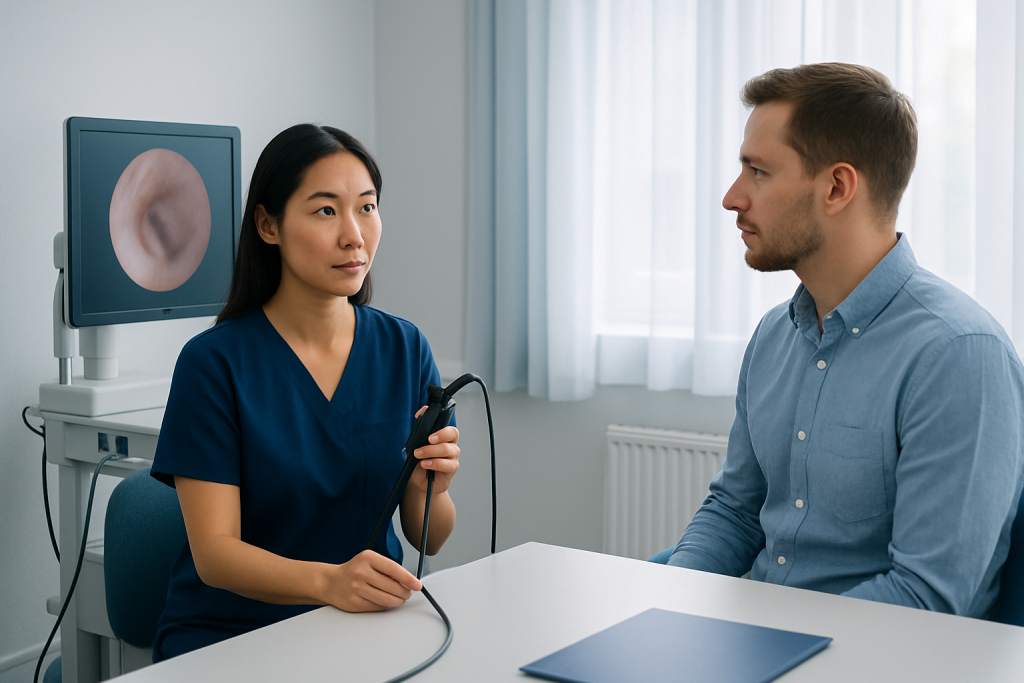
The process usually begins with a conversation about symptoms, timing, medical history, allergies, medications, and any prior imaging or surgery. The clinician then explains which type of endoscopy is planned and whether the test is expected to be flexible, rigid, or combined with another examination. Consent is obtained before the procedure starts.
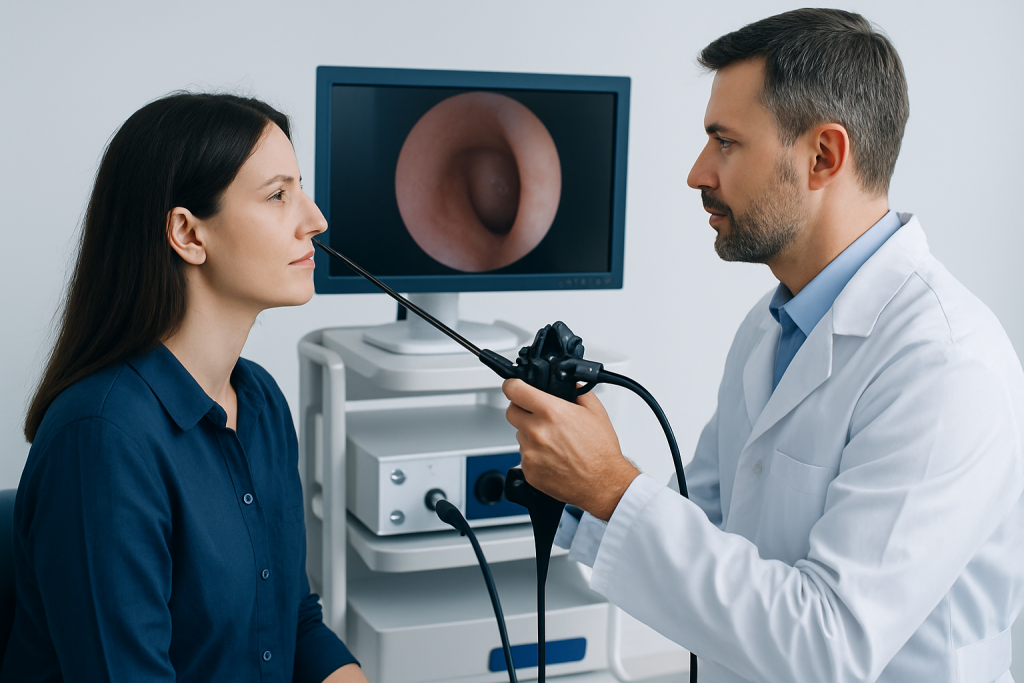
For a nasal or throat exam, a local numbing spray or decongestant may be used to improve comfort and visibility. The scope is then guided gently into the nose or placed through the mouth, depending on the target area. The camera sends live images to a screen, allowing the specialist to examine the lining, movement, and shape of the structures in real time.
If tissue appears unusual, the doctor may recommend a separate biopsy rather than taking a sample during a routine office scope. In some cases, endoscopy is paired with imaging studies such as CT or MRI, especially if deeper sinus or neck information is needed. The exact setup depends on the symptom pattern and the question being asked.
Treatment Options and What Happens After Findings Are Reviewed
The scope itself is diagnostic, but what happens next depends on what it shows. If the finding is inflammation from allergies or infection, treatment may include medication, nasal rinses, inhaled therapy, or other supportive care. If reflux is suspected, the specialist may advise changes in eating habits and targeted medical treatment.
When the exam reveals a structural problem, treatment may be medical, procedural, or surgical. Examples include managing nasal polyps, addressing a deviated septum, treating chronic sinus disease, evaluating voice box issues, or removing a suspicious lesion for closer study. The decision is based on symptom severity, examination findings, and the patient’s overall health.
Patients should expect that the endoscopy report is often only one part of the plan. A clear treatment path may require follow-up discussion, a second procedure, or coordinated care with other specialists. For patients who have traveled internationally, it is helpful to ask for a written summary, imaging copies, and guidance on what should happen after returning home.
Prevention and Self-care Before the Appointment
Preparation for ENT endoscopy is usually straightforward, but the instructions should always come from the treating team. Patients may be asked to avoid eating or drinking for a short time before certain throat procedures, especially if the examination might trigger gagging. For other nasal examinations, normal eating is often allowed, though this varies.
It is helpful to share a full list of medicines, including blood thinners, nasal sprays, allergy tablets, and supplements. Patients should also mention pregnancy, bleeding tendencies, previous reactions to anesthetic sprays, and any history of difficult airway procedures. Wearing comfortable clothing and bringing prior test results can reduce stress and improve the usefulness of the visit.
- Arrive a little early so the team can review paperwork and answer questions.
- Tell the clinician if anxiety, gag reflex sensitivity, or nasal dryness has been a problem before.
- Ask in advance whether driving is safe afterward, especially if sedation is planned.
- Plan the rest of the day with light activity if the throat may feel irritated afterward.
When to See a Doctor
ENT endoscopy is often scheduled when symptoms are persistent rather than urgent, but some concerns deserve prompt medical attention. A person should seek evaluation if hoarseness lasts more than a few weeks, one-sided nasal blockage does not improve, swallowing becomes difficult, nosebleeds recur, or throat symptoms are accompanied by unexplained pain or weight loss.
After the procedure, mild discomfort, sneezing, or a scratchy throat usually settles quickly. A doctor should be contacted if there is significant bleeding, breathing difficulty, fever, worsening pain, or symptoms that feel out of proportion to the expected recovery. These are uncommon, but they should not be ignored.
For patients coming from another country, arranging the timing of review is especially important. If travel plans are tight, it helps to ask before the procedure how soon results will be available and whether any follow-up is needed before departure. Acibadem Health Point’s multidisciplinary specialists and JCI-accredited hospitals can diagnose and treat ENT conditions for international patients in a coordinated way.
Step-by-Step Walkthrough of the Experience
On the day of the appointment, the patient usually checks in, confirms the reason for the test, and reviews consent details. The specialist or nurse may ask about current symptoms one more time, then position the patient comfortably. If needed, the nose or throat is prepared with a spray or gel to reduce sensation and improve the view.
The scope is then introduced slowly while the clinician watches the image on the screen. Most examinations take only a few minutes. Patients may feel pressure, watering eyes, a tickle, or an urge to swallow, but breathing is generally unaffected because the airway remains open. The specialist may ask the patient to speak, breathe in certain ways, or make gentle sounds to assess movement.
Afterward, the patient can usually return to normal activities unless sedation was used. The doctor explains the findings, discusses next steps, and outlines whether additional tests, medication, or another appointment is needed. For many people, the most reassuring part is simply having a clear explanation after a period of uncertainty.
Frequently asked questions
Is ENT endoscopy painful?
Most patients describe it as uncomfortable rather than painful. A numbing spray or gel may be used to make the exam easier to tolerate. Sensations such as pressure, tickling, or watering eyes are common and usually pass quickly.
How long does ENT endoscopy take?
The examination itself is often brief, sometimes only a few minutes. The full visit may take longer because of preparation, discussion of symptoms, and review of findings. If sedation or extra testing is involved, the appointment can take more time.
Can I eat or drink before the procedure?
It depends on which part of the ENT tract is being examined and whether sedation is planned. Some tests allow normal intake, while others require a short period of fasting. The clinic’s instructions should always be followed exactly.
Will I be able to drive afterward?
Many people can drive after a routine office endoscopy if no sedation was used and they feel well. If a sedative, strong numbing medicine, or another procedure was involved, driving may not be advised. It is best to confirm this before the visit.
What kinds of problems can ENT endoscopy find?
It can help identify inflammation, infection, polyps, structural changes, reflux-related irritation, vocal cord abnormalities, and some suspicious lesions. It is especially helpful when symptoms are ongoing but the cause is not clear from a basic examination. The result guides whether medicine, monitoring, or further testing is needed.
What should international patients bring to the appointment?
Prior imaging reports, medication lists, allergy information, surgical history, and any previous ENT notes are very helpful. If possible, bring them in English or a translated version. This makes it easier for the specialist to compare findings and plan follow-up care before travel home.
References
- American Academy of Otolaryngology–Head and Neck Surgery
- Mayo Clinic
- National Institute on Deafness and Other Communication Disorders
- Cleveland Clinic
- Merck Manual Professional Edition
This article is for general information only and is not a substitute for professional medical advice. Please consult a qualified doctor about your individual situation.