What Is Heartburn? Causes, Symptoms, and Relief

Key Takeaways
- Heartburn is a symptom, not a disease, and it often relates to acid reflux.
- Certain foods, larger meals, lying down after eating, and some medicines can trigger it.
- Occasional heartburn is common, but frequent symptoms may point to gastroesophageal reflux disease (GERD).
- Lifestyle adjustments, over-the-counter medicines, and medical evaluation can all help manage symptoms safely.
- Seek medical advice if heartburn is persistent, severe, or accompanied by warning signs such as trouble swallowing or unexplained weight loss.
Heartburn is a common burning sensation in the chest or throat that usually happens when stomach acid moves upward into the esophagus. It is often manageable with simple lifestyle changes, but frequent or severe symptoms should be discussed with a doctor.
Overview
Heartburn is the name many people use for a burning discomfort that rises from the upper abdomen or lower chest toward the throat. It often appears after meals, during the night, or when bending over, and it can be unsettling even when it is not dangerous.
In medical terms, heartburn is usually linked to acid reflux. This happens when stomach contents move back up into the esophagus, the tube that carries food from the mouth to the stomach. Because the esophagus is not built to handle acid, even a small amount of reflux can create a strong burning sensation.
For some people, heartburn comes only now and then after a heavy meal or spicy food. For others, it happens often enough to interfere with sleep, work, travel, or daily routines. Understanding the pattern matters, because recurring symptoms may need a proper evaluation rather than repeated self-treatment.
Symptoms
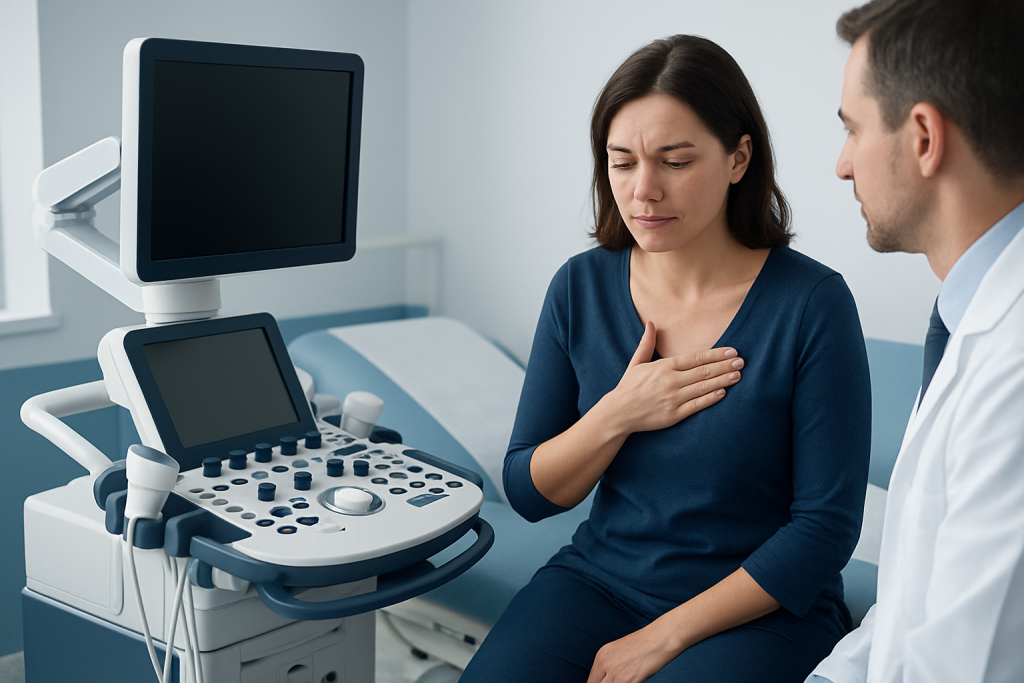
The classic symptom is a burning feeling behind the breastbone. This discomfort may move upward toward the throat and can sometimes be mistaken for heart-related chest pain, especially when it happens suddenly or after eating.
Heartburn may also come with a sour or bitter taste in the mouth, regurgitation of food or liquid, bloating, belching, or a sense that food is sitting too long in the stomach. Some people notice that symptoms are worse when they lie down, stoop, or exercise soon after meals.
It is helpful to pay attention to the timing and pattern of symptoms. For example, discomfort that begins after coffee, tomato-based meals, late-night eating, or stress may suggest reflux-related heartburn. If chest pain feels severe, unusual, or comes with shortness of breath, sweating, dizziness, or pain spreading to the arm or jaw, emergency evaluation is important because not all chest pain is heartburn.
Causes & Risk Factors

Heartburn usually occurs when the lower esophageal sphincter, a ring of muscle between the esophagus and stomach, relaxes at the wrong time or does not close tightly enough. When that valve weakens, acid can move upward more easily and irritate the esophageal lining.
Common triggers include large meals, fatty or fried foods, chocolate, peppermint, onions, garlic, citrus, tomato products, coffee, alcohol, and carbonated drinks. Smoking can also worsen symptoms by affecting the valve and increasing irritation. For many people, the real trigger is not one single food but a combination of eating habits, meal timing, and body position after eating.
Several factors can increase the chance of heartburn. These may include being overweight, pregnancy, a hiatal hernia, chronic constipation, or certain medicines that can irritate the stomach or relax the valve, such as some pain relievers or muscle relaxants. Stress does not directly cause acid reflux in every case, but it can make symptoms feel more intense and harder to ignore.
Diagnosis
Occasional heartburn is often recognized by symptoms alone, especially when it has a clear link to meals or bedtime. However, if the problem is frequent, long-lasting, or difficult to control, a doctor may look for an underlying cause such as GERD, inflammation of the esophagus, or another digestive condition.
The evaluation usually starts with a medical history and symptom review. A doctor may ask when symptoms occur, what seems to trigger them, whether food ever comes back up, and whether there are warning signs such as difficulty swallowing or unintentional weight loss. This conversation helps decide whether simple treatment is appropriate or whether testing is needed.
Depending on the situation, tests may include an upper endoscopy, pH monitoring, or other studies to check for acid exposure and irritation. These tests are not needed for every person with heartburn, but they can be useful when symptoms are persistent, severe, or not responding to initial treatment.
Treatment Options
Treatment depends on how often symptoms occur and how much they affect daily life. Many people improve with practical changes such as avoiding large late meals, waiting before lying down, and identifying personal trigger foods. Sleeping with the head of the bed slightly elevated can also help nighttime symptoms.
Over-the-counter antacids, acid reducers, and other reflux medicines may provide relief for occasional symptoms. Some are designed to work quickly, while others reduce acid production over a longer period. Because not every option is right for every person, it is sensible to read labels carefully and ask a pharmacist or doctor before using them regularly, especially during pregnancy or if other medicines are being taken.
If heartburn is frequent or linked to GERD, a doctor may recommend prescription treatment and a stepwise plan tailored to the person’s needs. In selected cases, additional procedures may be considered when symptoms remain difficult to control or when reflux is causing complications. The goal is not just symptom relief, but also protecting the esophagus from ongoing irritation.
Prevention & Self-care
Small routine changes often make a noticeable difference. Eating smaller meals, slowing down at the table, and avoiding lying down for at least a few hours after eating can reduce reflux episodes. For people who travel often, this may mean planning lighter evening meals after a long flight or avoiding heavy food close to bedtime in a hotel.
It can also help to notice patterns over time. A simple food and symptom diary may reveal that heartburn follows specific drinks, oversized portions, tight clothing, or late-night snacking. Choosing looser clothing, stopping smoking, and maintaining a healthy weight can further reduce pressure on the stomach and lower the chance of reflux.
Self-care should be thoughtful rather than improvised. If symptoms are becoming routine, if medicines are needed often, or if relief is only partial, the next step should be a medical review. That is especially important for people coordinating care across countries, because a clear diagnosis can help prevent repeated, overlapping treatments and allow follow-up planning after returning home.
When to See a Doctor
Medical advice is appropriate when heartburn happens more than occasionally, wakes a person from sleep, or continues despite basic lifestyle changes. Frequent symptoms can be a sign that acid reflux is affecting the esophagus more than expected and may need ongoing treatment.
It is also important to seek evaluation if heartburn is paired with trouble swallowing, painful swallowing, vomiting, black stools, unexplained weight loss, anemia, persistent hoarseness, or a chronic cough. These symptoms do not always mean something serious, but they should not be ignored.
Anyone with chest discomfort that is new, severe, or hard to distinguish from cardiac pain should get urgent medical assessment. For international patients who prefer coordinated testing and treatment, Acibadem Health Point can connect them with multidisciplinary specialists and JCI-accredited hospitals for diagnosis and care, with follow-up planning that supports the next steps after travel.
Frequently asked questions
Is heartburn the same as acid reflux?
Not exactly. Heartburn is the burning symptom, while acid reflux is the movement of stomach contents back into the esophagus that often causes it. When reflux happens often and causes symptoms or complications, it may be diagnosed as GERD.
What foods most commonly trigger heartburn?
Common triggers include fatty or fried foods, chocolate, peppermint, citrus, tomato products, coffee, alcohol, and carbonated drinks. Triggers vary from person to person, so a symptom diary can help identify what matters most in an individual case.
Can stress cause heartburn?
Stress does not usually create acid reflux by itself, but it can make symptoms feel stronger or more noticeable. It may also influence eating habits, sleep, and how the body responds to discomfort, which can worsen the overall experience.
When is heartburn considered frequent?
If symptoms happen often enough to affect sleep, daily activities, or quality of life, they should be reviewed by a doctor. Recurrent heartburn may point to GERD or another condition that needs treatment rather than occasional self-care.
Can heartburn be serious?
Occasional heartburn is common, but frequent or severe symptoms can irritate the esophagus over time. It is important to seek medical care for warning signs such as trouble swallowing, vomiting, black stools, unexplained weight loss, or chest pain that could be related to the heart.
What helps heartburn at night?
Avoiding late meals, elevating the head of the bed slightly, and not lying flat soon after eating often help. If nighttime symptoms continue, a doctor can recommend a safer, more targeted treatment plan.
References
- Mayo Clinic
- National Institute of Diabetes and Digestive and Kidney Diseases
- American College of Gastroenterology
- NHS
- Cleveland Clinic
This article is for general information only and is not a substitute for professional medical advice. Please consult a qualified doctor about your individual situation.