Vasovagal Response

Key Takeaways
- A vasovagal response is a body reflex that can cause a sudden drop in blood pressure and heart rate.
- Common triggers include pain, stress, prolonged standing, dehydration, and seeing blood or medical procedures.
- Warning signs may include nausea, sweating, blurry vision, and feeling warm, dizzy, or weak.
- Most episodes improve quickly with lying down and elevating the legs.
- Repeated, unexplained, or injury-causing fainting should be medically evaluated.
A vasovagal response is a common reflex that can briefly lower heart rate and blood pressure, sometimes leading to lightheadedness or fainting. It is usually harmless, but understanding triggers and early warning signs can help people respond safely and reduce future episodes.
Overview
A vasovagal response is the body’s overactive reaction to a trigger that briefly changes how the heart and blood vessels behave. In everyday language, it is one of the most common reasons a person feels faint or actually faints. The episode often comes on in familiar situations such as standing for a long time, experiencing pain, feeling anxious, or seeing blood.
During the response, the nervous system signals the heart to slow down and the blood vessels to widen. That combination can lower blood pressure enough that less blood reaches the brain for a short period. The result may be dizziness, tunnel vision, nausea, or a complete fainting spell, usually with recovery within minutes once the person is lying flat.
Although the experience can be unsettling, vasovagal episodes are often not dangerous by themselves. The main concern is injury from falling or missing another medical issue that can look similar. For someone living abroad or preparing for a procedure in another country, it is especially helpful to know when a fainting spell is likely benign and when it deserves a broader medical checkup.
Symptoms
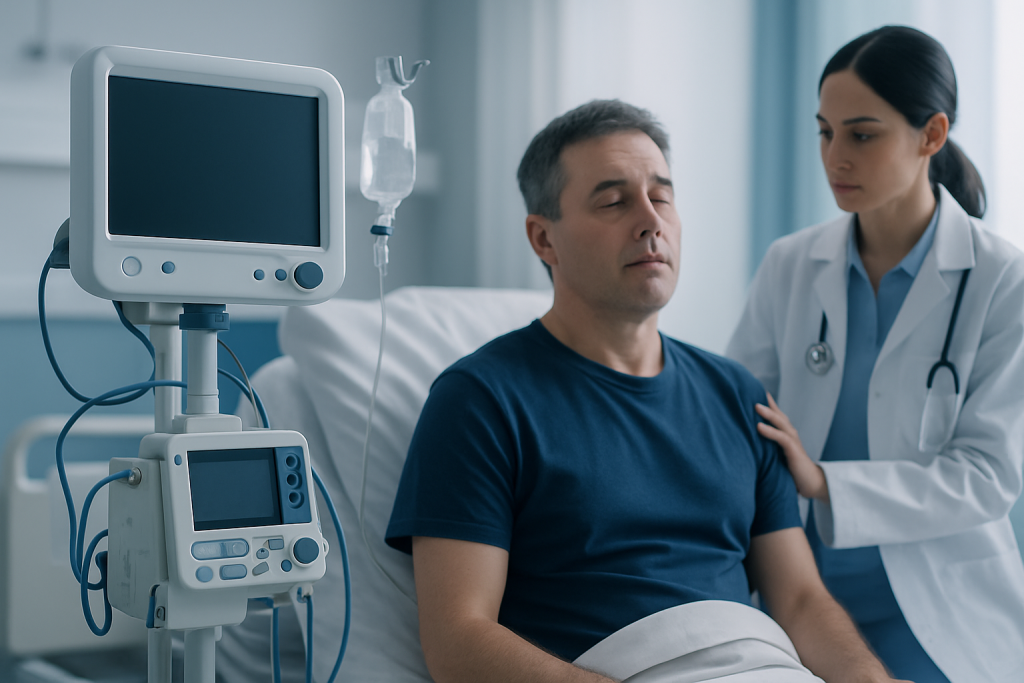
Many people notice a sequence of warning signs before they pass out. These early clues are useful because they give time to sit or lie down and possibly prevent a full fainting episode. The symptoms can build over seconds to minutes rather than appearing all at once.
Typical warning signs include:
- Lightheadedness or a feeling of “going gray”
- Nausea or an uneasy stomach
- Sudden sweating or clamminess
- Blurred vision, dimming vision, or tunnel vision
- Ringing in the ears
- Feeling warm, weak, or shaky
- Pale skin
If fainting occurs, the person may lose consciousness briefly and then wake up confused but usually not disoriented for long. Some people feel tired, washed out, or emotionally drained afterward. If symptoms happen repeatedly or without a clear trigger, the pattern should not be ignored, because other causes of fainting can require different care.
Causes & Risk Factors

A vasovagal response is triggered by a signal that the brain interprets as a stressor. The nervous system then reacts in a way that is protective in other settings but unhelpful here. Triggers vary from person to person, and some people have more than one.
Common triggers include pain, emotional distress, fear, prolonged standing, hot environments, dehydration, and blood draw or injection procedures. Some people are especially sensitive after not eating, after alcohol use, or when recovering from an illness that has left them dehydrated or weak. Coughing, straining, or urination can also provoke a reflex in certain cases.
Risk may be higher in people who faint easily, have a history of fainting during medical procedures, or have jobs and travel routines that involve standing for long periods. A person preparing for surgery, dental treatment, or diagnostic tests abroad may want to tell the care team about any previous fainting episodes so staff can plan a safer experience.
Diagnosis
Diagnosis usually starts with a careful discussion of what happened before, during, and after the episode. A clinician will want to know the trigger, body position, warning signs, recovery time, any injury, and whether the person has heart disease, neurologic illness, or a history of seizure. Details from a witness can be very helpful if the person did not fully remember the event.
A physical examination and basic checks such as blood pressure and pulse may be enough when the story fits a typical vasovagal pattern. In some cases, an electrocardiogram, blood tests, or additional heart monitoring may be recommended to look for other causes. If the history is unclear, recurrent, or concerning, further testing can help distinguish vasovagal syncope from rhythm problems, low blood sugar, anemia, or other medical conditions.
The goal is not to label every fainting spell as harmless, but to match the workup to the story. A clear diagnosis helps people avoid unnecessary worry while also making sure important causes are not missed. For international patients, bringing prior test results, medication lists, and a simple timeline of events can make that evaluation smoother.
Treatment Options
Most vasovagal episodes do not need medication or emergency treatment once the person is safe and breathing normally. The immediate step is usually to lie down flat and, if possible, raise the legs to improve blood flow to the brain. If lying down is not possible, sitting with the head lowered may help until the sensation passes.
Ongoing management focuses on reducing triggers and recognizing warning signs early. For some people, this means improving hydration, avoiding long periods of standing, eating regularly, and learning physical counter-pressure techniques such as crossing the legs or tensing the muscles when symptoms begin. In selected cases, a doctor may review medicines that could contribute to low blood pressure or discuss other therapies for frequent episodes.
If fainting happens during a procedure, the care team may pause, position the person safely, and monitor vital signs until recovery. In a clinic or hospital setting, treatment is tailored to the individual rather than relying on a single standard approach. That is one reason people with recurrent episodes often benefit from a cardiology or general internal medicine evaluation.
Prevention & Self-care
Prevention starts with knowing personal triggers. Someone who faints at the sight of blood may need to prepare differently from someone who becomes faint after standing in a queue or walking in heat. Once patterns are clear, practical changes can reduce the chance of another episode.
Helpful self-care measures include:
- Drinking enough fluids, especially during travel, warm weather, or illness
- Not skipping meals when possible
- Standing up slowly after sitting or lying down
- Avoiding hot, crowded spaces when feasible
- Using warning signs as a signal to sit or lie down right away
- Letting clinicians know about prior fainting before blood tests, dental care, or procedures
People who travel for treatment may also find it useful to plan ahead for the return journey, especially after fasting, sedation, or long clinic visits. A companion, easy access to water, and time to rest before traveling can all make recovery more comfortable. If fainting occurs often, keeping a simple diary of triggers and symptoms can help a doctor identify patterns and decide whether additional evaluation is needed.
When to See a Doctor
A medical assessment is a good idea after a first fainting episode, especially if the cause is not obvious. It is also important if episodes are recurrent, lead to injury, happen during exercise, or occur without warning. Even when a vasovagal response is suspected, a clinician may want to rule out heart rhythm problems, dehydration, anemia, medication effects, or other conditions.
Prompt medical care is especially important if fainting is accompanied by chest pain, palpitations, shortness of breath, seizure-like movements, prolonged confusion, weakness on one side of the body, or a serious head injury. New fainting in an older adult also deserves attention because the range of possible causes is broader. A doctor can help determine whether the episode fits a typical reflex pattern or needs a more detailed workup.
For international patients, it can be reassuring to receive coordinated evaluation and follow-up in one place, particularly when time is limited and previous records are spread across different countries. Acibadem Health Point’s multidisciplinary specialists and JCI-accredited hospitals diagnose and treat this condition for international patients with a focus on clear communication and continuity of care.
Living With Vasovagal Episodes
Most people with a vasovagal tendency can continue normal daily life once they understand their triggers and warning signs. The condition often becomes more manageable when a person learns to respond early instead of trying to “push through” the sensation. That small shift can prevent a fall and shorten recovery time.
It may also help to discuss the episodes with family members, coworkers, or travel companions so they know what to do if symptoms appear. Simple steps such as helping the person lie flat, loosening tight clothing, and staying nearby until recovery can make a meaningful difference. Over time, many people become more confident because the pattern is recognizable and the response plan is clear.
With the right evaluation and sensible precautions, vasovagal response is usually a manageable condition rather than a major limitation. The key is to respect the body’s warning signs, track patterns, and seek medical advice when the story does not fit the usual picture.
Frequently asked questions
Is a vasovagal response the same as fainting?
A vasovagal response is one common cause of fainting, also called syncope. Not every fainting episode is vasovagal, so the context and symptoms matter. A clinician may evaluate the pattern to make sure another cause is not being missed.
What should someone do at the first sign of a vasovagal episode?
The safest step is to sit or lie down right away, if possible with the legs raised. This helps blood return to the brain and may prevent a full fainting spell. If the person cannot get down safely, they should seek help and avoid walking alone.
Can dehydration make vasovagal episodes more likely?
Yes, dehydration can lower blood volume and make a vasovagal episode easier to trigger. Heat, illness, and not eating regularly can add to that risk. Staying hydrated and avoiding long periods without food may help some people.
Do vasovagal episodes need medication?
Usually they do not. Many people improve with trigger avoidance, hydration, and learning how to respond early to warning signs. Medication is considered only in selected cases, especially when episodes are frequent or disruptive.
When is fainting not likely to be vasovagal?
Fainting without warning, during exercise, with chest pain, or with prolonged confusion may point to another cause. New fainting in someone with heart disease also deserves prompt attention. In those situations, medical evaluation is important.
Can procedures like blood tests cause a vasovagal response?
Yes, needles, blood draws, and other medical procedures are common triggers for some people. Letting the care team know in advance allows them to prepare a safer setting and respond quickly if symptoms start. People with a known history can often reduce risk by arriving hydrated and alerting staff early.
References
- Merck Manual Professional Version
- Mayo Clinic
- American Heart Association
- National Institute of Neurological Disorders and Stroke
This article is for general information only and is not a substitute for professional medical advice. Please consult a qualified doctor about your individual situation.