Tachysensia

Key Takeaways
- Tachysensia is a perception problem, not a disease by itself, and it can affect how fast time or sensory input seems to pass.
- Common triggers include migraine, fatigue, stress, fever, anxiety, some medications, and certain neurologic conditions.
- Diagnosis focuses on the full symptom pattern, medical history, and ruling out conditions such as migraine aura, seizures, or inner-ear disorders.
- Treatment usually targets the underlying cause and may include migraine care, sleep improvement, medication review, or stress reduction.
- Anyone with sudden first-time symptoms, neurologic warning signs, or repeated episodes should seek medical assessment.
Tachysensia is a temporary or recurring sensation that time, movement, sounds, or other experiences are happening faster than they really are. It is often linked to migraine, sleep deprivation, stress, or certain neurological conditions, and it deserves medical evaluation if it is frequent, severe, or new.
Overview
Tachysensia is a term used to describe a distorted sense that everything is moving or happening faster than normal. A person may notice that speech, movement, music, or even their own thoughts seem rushed, as if the world has sped up around them.
It is not usually a diagnosis on its own. Instead, it is a symptom that can appear with migraine, sleep loss, anxiety, fever, head injury, certain medications, or other neurologic conditions. Because the experience can be unsettling and hard to describe, people sometimes wait too long before mentioning it to a clinician.
For patients living abroad or traveling for care, tachysensia can be especially confusing because it may come and go without an obvious trigger. A careful evaluation helps distinguish it from other causes of altered perception and guides the right next step, whether that is observation, migraine management, or broader neurologic testing.
Symptoms
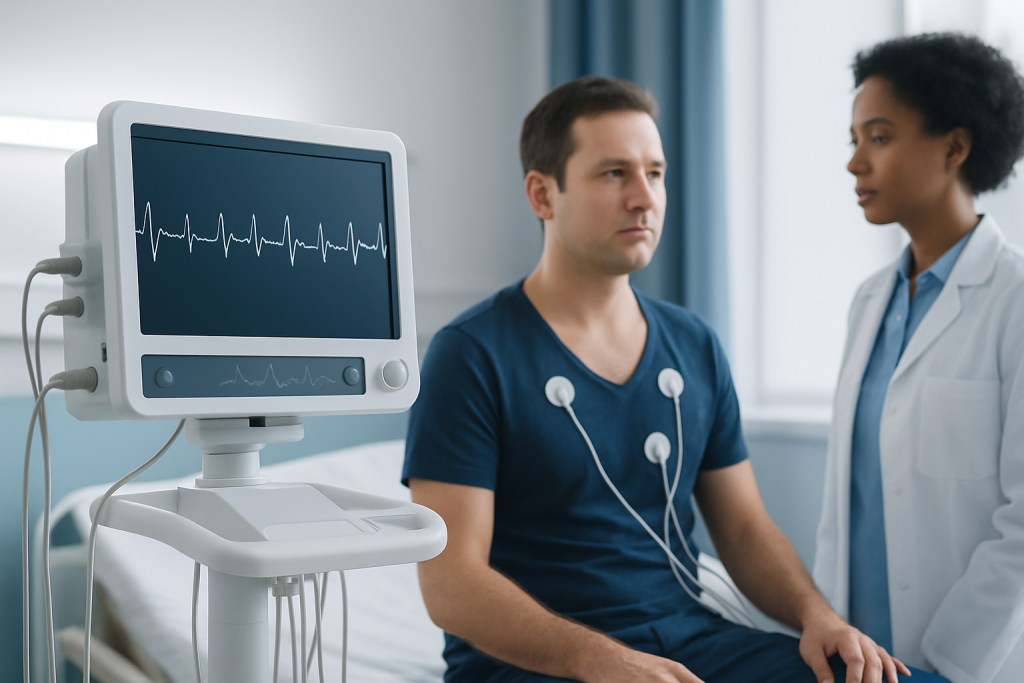
The hallmark feature of tachysensia is a sudden or intermittent feeling that time, motion, or sensory input is sped up. Some people describe conversations sounding too fast, objects appearing to move quickly, or their own reactions feeling out of sync with what is happening around them.
Symptoms can vary in intensity and may last seconds, minutes, or longer depending on the underlying cause. In some cases, the sensation appears alone; in others, it occurs alongside headache, dizziness, nausea, visual changes, difficulty concentrating, or a feeling of unreality.
Because the experience is subjective, it is useful to note details such as when it happens, how long it lasts, what was happening beforehand, and whether other symptoms are present. This information can help a doctor determine whether the pattern fits migraine aura, a seizure disorder, anxiety-related symptoms, or another condition.
- Time seeming to pass unusually quickly
- Speech or movement appearing sped up
- Feeling mentally “rushed” or disoriented
- Possible headache, dizziness, or visual disturbance
- Episodes that may be brief, recurrent, or situation-related
Causes & Risk Factors

Tachysensia is most often linked to changes in how the brain processes sensory information rather than to a problem in the eyes or ears alone. Migraine is one of the more recognized associations, especially when the sensation appears before, during, or after a headache episode.
Other possible contributors include sleep deprivation, high stress, fever, dehydration, anxiety, head trauma, and the effects of certain medicines or recreational substances. In some people, the sensation may also occur with seizures, vestibular disorders, or other neurological issues that alter perception.
Risk is not limited to one age group, but people with a history of migraine, prior concussion, significant fatigue, or poorly controlled anxiety may notice episodes more often. Since the symptom can overlap with many conditions, the presence of one trigger does not rule out another. A clinician usually looks at the whole pattern rather than one isolated clue.
Possible contributors can include:
- Migraine and migraine aura
- Sleep deprivation or irregular sleep
- Stress, panic, or anxiety
- Fever, dehydration, or general illness
- Head injury or concussion
- Medication effects or substance use
Diagnosis
There is no single test that confirms tachysensia. Diagnosis begins with a detailed conversation about what the person experiences, when it started, how often it occurs, and whether there are related symptoms such as headache, weakness, numbness, confusion, or loss of awareness.
A doctor may perform a neurological examination and ask about migraine history, sleep habits, recent illness, medications, alcohol or drug exposure, and any head injury. Depending on the picture, testing may be recommended to rule out other causes. This might include blood work, imaging, or an EEG if seizures are a concern.
In some cases, the most important step is pattern recognition: identifying that the episodes are brief, recurrent, and linked to a specific trigger such as migraine or poor sleep. That said, new or unexplained sensory distortion should not be assumed to be harmless without assessment, especially if it is happening for the first time or becoming more frequent.
Treatment Options
Treatment depends on what is driving the symptom. If tachysensia is part of migraine, care may focus on migraine prevention, trigger management, and treatment plans tailored by a neurologist or general physician. If a medication is contributing, the prescribing clinician may consider adjustments.
When sleep deprivation, stress, or dehydration are important factors, simple changes can make a meaningful difference. Regular sleep, adequate fluids, balanced meals, and reducing overstimulation may lower the chance of recurrence. For patients with anxiety or panic symptoms, psychological support or structured therapy may be helpful.
Because tachysensia can be caused by different conditions, treatment should not be self-directed based on the symptom alone. A specialist may recommend care that ranges from reassurance and follow-up to more specific therapy if migraines, seizures, or another neurological problem is found.
General treatment approaches may include:
- Managing migraine if present
- Reviewing medicines with a doctor
- Improving sleep and hydration
- Addressing stress or anxiety
- Treating any underlying infection or neurologic issue
Prevention & Self-care
Not every episode can be prevented, but many people do better when they identify patterns early. Keeping a short symptom diary can help connect episodes with sleep loss, missed meals, intense screen time, travel fatigue, stress, or other possible triggers.
Practical self-care often starts with consistency. Regular sleep hours, hydration, steady meals, and taking breaks from visually demanding or noisy environments may reduce sensory strain. If a person knows that migraines are part of the picture, staying on the agreed preventive plan can also help lower recurrence.
It is equally important to avoid overinterpreting a single episode. A brief experience of time distortion does not automatically mean a serious illness. Still, if the symptom repeats, changes in character, or interferes with daily life, it should be discussed with a clinician so the underlying cause can be clarified.
Helpful habits may include:
- Keeping sleep and wake times as regular as possible
- Drinking enough fluids throughout the day
- Not skipping meals
- Reducing known migraine triggers when possible
- Noting episode timing, duration, and associated symptoms
When to See a Doctor
Medical review is advisable if tachysensia is new, happening repeatedly, or severe enough to affect safety, work, or travel. It is also wise to seek care if the sensation appears with migraine headaches, fainting, confusion, or changes in vision or balance.
Prompt evaluation is especially important if there are neurological warning signs such as weakness, trouble speaking, numbness on one side, seizure-like activity, or a major change in awareness. These symptoms need timely assessment to rule out urgent causes.
For international patients, it can be helpful to seek a center that can coordinate neurology review, imaging, and follow-up in one pathway. Acibadem Health Point’s multidisciplinary specialists and JCI-accredited hospitals diagnose and treat neurological conditions for international patients with coordinated care and clear communication.
Even when the cause turns out to be benign, a proper diagnosis can reduce uncertainty and guide practical next steps. That reassurance matters, especially when symptoms are hard to explain in everyday language.
Frequently asked questions
Is tachysensia a disease?
No. Tachysensia is generally described as a symptom or perception change rather than a disease itself. It usually points to an underlying trigger such as migraine, fatigue, stress, or another neurological issue.
Can tachysensia happen during a migraine?
Yes. Migraine is one of the more common conditions associated with altered perception, including time or motion feeling sped up. A doctor may ask whether the episodes occur before, during, or after headache pain.
Is tachysensia dangerous?
Not always, but it should not be ignored if it is new, frequent, or severe. Because it can overlap with migraine, seizures, head injury, or other disorders, a medical evaluation is the safest way to understand the cause.
What should someone do during an episode?
It is sensible to pause activities, sit or lie down somewhere safe, and note what was happening before the episode started. If the symptom is accompanied by weakness, confusion, speech trouble, or loss of awareness, urgent medical help is needed.
Can stress or lack of sleep make tachysensia worse?
Yes. Stress, anxiety, and sleep deprivation can affect how the brain processes sensory information and may trigger or amplify episodes. Improving sleep and reducing strain can be helpful, especially when episodes are linked to migraine.
How do doctors test for the cause?
They usually start with a careful history and neurological examination, then decide whether tests such as blood work, imaging, or EEG are needed. The goal is to identify the underlying cause rather than just name the symptom.
References
- Mayo Clinic
- National Institute of Neurological Disorders and Stroke
- American Migraine Foundation
- Merck Manual Professional Edition
- Cleveland Clinic
This article is for general information only and is not a substitute for professional medical advice. Please consult a qualified doctor about your individual situation.