Subluxation

Key Takeaways
- Subluxation is a partial loss of normal joint alignment, not a complete dislocation.
- Symptoms may include pain, swelling, a feeling that the joint is "slipping," or reduced movement.
- It can result from trauma, repetitive strain, ligament laxity, or some medical conditions.
- Diagnosis usually relies on a physical examination and imaging when needed.
- Treatment may include reduction, immobilization, pain relief, rehabilitation, and activity modification.
- Prompt assessment helps protect the joint and lowers the risk of repeat episodes or long-term instability.
Subluxation is a partial dislocation in which a joint has shifted out of its normal position but not completely separated. It can affect many joints, cause pain or instability, and often improves with timely diagnosis and the right treatment plan.
Overview
Subluxation describes a joint that has moved partly out of its normal position and then either returned on its own or remained only partly aligned. Unlike a complete dislocation, the joint surfaces still maintain some contact, which is why symptoms can range from mild discomfort to a more obvious sense that something has shifted.
Any joint can be affected, but the shoulder, kneecap, fingers, jaw, and spine are common sites. For some people, subluxation is a one-time event after an injury. For others, it reflects a joint that is naturally loose or has been weakened by repeated strain, making the joint more likely to slip again.
For international patients planning care abroad, the practical issue is often not just finding out what happened, but understanding whether the joint is stable enough for travel, work, or daily activity. A careful orthopedic evaluation helps clarify that difference and guides the safest next step.
Symptoms
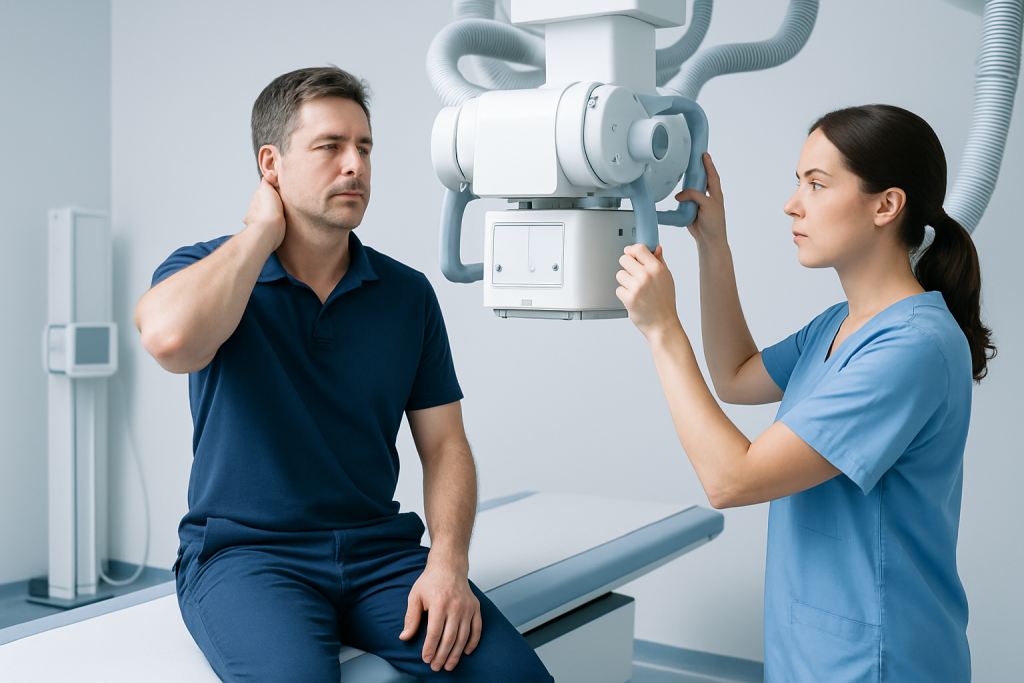
The feeling of a joint “not sitting right” is often the first clue. Some people notice a brief pop, click, or shift at the moment of injury, followed by pain that may be sharp at first and then settle into an ache.
Other common signs include swelling, tenderness, reduced range of motion, weakness, bruising, or a visible change in the joint’s shape. In recurrent cases, the person may describe repeated slipping, giving way, or an inability to trust the joint during normal movements.
Symptoms vary by location. A shoulder subluxation may make lifting the arm uncomfortable, while a kneecap subluxation can cause the knee to buckle or feel unstable during walking, stairs, or sports. When the jaw or spine is involved, the pattern can be different, but the principle is the same: the joint is not moving as it should.
Causes & Risk Factors
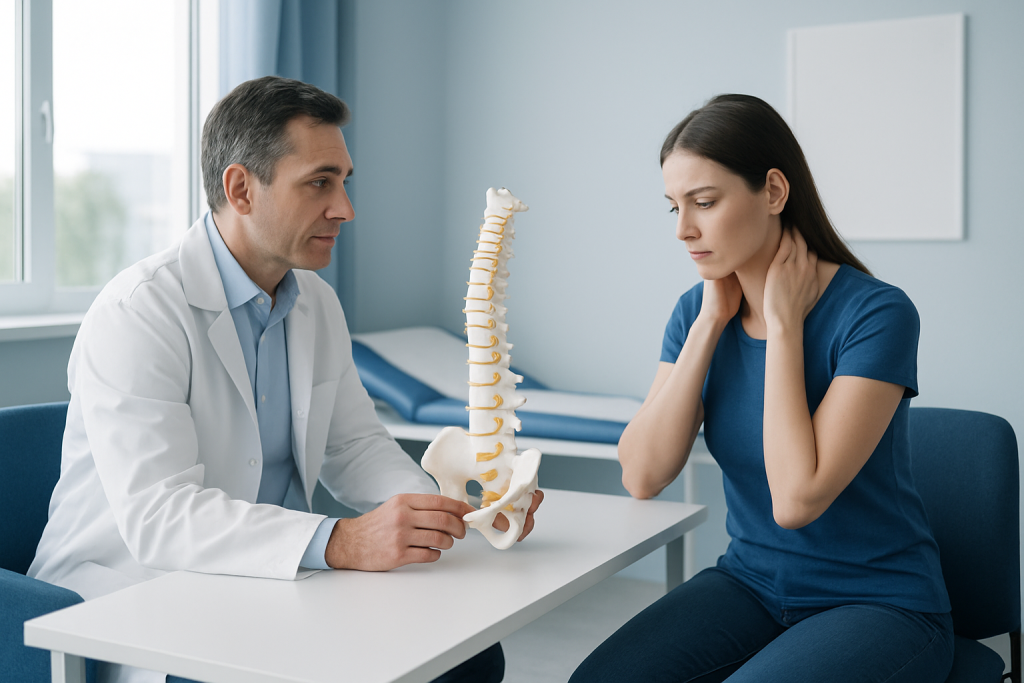
Subluxation often begins with trauma such as a fall, sports collision, twisting injury, or sudden force on a joint. In these situations, the ligaments and soft tissues that normally keep the joint centered can be stretched or torn, allowing partial displacement.
It may also occur without a major injury in people with hypermobility, ligament laxity, or certain inherited connective tissue disorders. Repetitive overhead work, contact sports, poorly healed previous injuries, and muscle weakness around the joint can all raise the chance of a joint slipping.
Some medical conditions make joints more vulnerable, including arthritis, neurologic conditions that affect muscle control, and disorders that change bone or connective tissue quality. A doctor will usually look not only at the injured joint, but also at the broader pattern of stability, posture, and previous episodes.
Diagnosis
Diagnosis starts with a detailed history and physical examination. The clinician will ask how the injury happened, whether the joint moved back into place, and whether there have been prior episodes of instability or related injuries.
Imaging is often used to confirm alignment and check for associated damage. X-rays are commonly the first test, while ultrasound, CT, or MRI may be helpful if the soft tissues, cartilage, or deeper structures need closer evaluation. The right test depends on the joint involved and the suspected cause.
For patients arriving from another country, it is helpful to bring previous imaging reports, operation notes, and rehabilitation records if available. Those details can shorten the diagnostic process and make follow-up planning more precise, especially when care may continue after the trip home.
Treatment Options
Treatment depends on the joint, the degree of instability, and whether there is pain, nerve involvement, or surrounding injury. If the joint remains partly displaced, a clinician may perform a reduction to restore alignment. This should be done by a qualified professional, since some joints are complex and the surrounding tissues may be injured at the same time.
After alignment, short-term immobilization with a brace, splint, sling, or taping technique may be recommended to allow irritated tissues to settle. Pain relief is often managed with general measures such as rest, ice, elevation, or doctor-advised medication. Once the acute phase improves, rehabilitation becomes central to recovery.
Physical therapy focuses on restoring motion, rebuilding strength, and improving control around the joint so that it is less likely to slip again. In some cases, especially if subluxation keeps recurring or if supporting structures are torn, surgery may be considered to repair or stabilize the joint.
When treatment is coordinated internationally, patients often benefit from a clear plan for the full pathway: initial assessment, any procedure needed, then a practical rehabilitation schedule and follow-up that can continue after returning home. Acibadem Health Point’s multidisciplinary specialists and JCI-accredited hospitals diagnose and treat this condition for international patients.
Prevention & Self-care
Prevention is usually about protecting the joint’s support system. A gradual return to sport or heavy activity, proper warm-up, and targeted strengthening can help reduce the chance of repeat slipping after an injury has healed.
People with hypermobility or a history of recurrent subluxation may do better with ongoing exercises that improve muscle control and joint position sense. Bracing or taping can be useful in selected activities, but these tools work best when paired with a broader rehabilitation plan rather than used alone.
At home, the safest approach is to follow the clinician’s instructions on rest and movement. It is generally wise to avoid forcing a painful joint into position, pushing through instability, or resuming impact activities too early. A structured recovery plan is especially important for patients who will be traveling, because long flights, luggage handling, and disrupted routines can briefly increase stress on healing joints.
Frequently asked questions
Is a subluxation the same as a dislocation?
No. A subluxation is a partial dislocation, meaning the joint has shifted out of place but still keeps some contact between the joint surfaces. A complete dislocation means the joint surfaces are fully separated. Both need medical assessment, but the exact treatment can differ.
Can a subluxation go back into place on its own?
Yes, some subluxations reduce spontaneously and the joint appears normal again afterward. Even then, the surrounding tissues may still be injured, so an evaluation is still important. Imaging can help check for hidden damage or instability.
When should someone avoid moving the joint?
If movement causes significant pain, visible deformity, numbness, weakness, or a feeling that the joint is unstable, the person should avoid forcing it. The joint should be assessed by a clinician before trying to use it normally again. Gentle protection is safer than repeated strain.
Does every subluxation need surgery?
No, many subluxations are treated without surgery. Rest, stabilization, and rehabilitation are often enough, especially after a first event. Surgery is usually reserved for recurrent instability, structural tears, or cases that do not respond well to conservative care.
How long does recovery take?
Recovery depends on the joint involved, the cause, and whether there is ligament or cartilage injury. Some people improve within weeks, while others need a longer rehabilitation period. A clinician can give a more reliable timeline after examination and imaging.
Can subluxation happen again after treatment?
It can, especially if the underlying cause is joint laxity, weak supporting muscles, or incomplete healing. That is why rehabilitation and activity modification matter even after the joint feels better. Follow-up helps lower the risk of repeat episodes.
References
- American Academy of Orthopaedic Surgeons
- Mayo Clinic
- Merck Manual Professional Edition
- National Institute of Arthritis and Musculoskeletal and Skin Diseases
This article is for general information only and is not a substitute for professional medical advice. Please consult a qualified doctor about your individual situation.