

Stenosis

Key Takeaways
- Stenosis is a narrowing that can affect the spine, blood vessels, heart valves, or other body pathways.
- Symptoms vary by location and may include pain, numbness, weakness, shortness of breath, or reduced blood flow.
- Diagnosis usually combines medical history, physical examination, and imaging or other tests.
- Treatment ranges from observation and lifestyle changes to medicines, procedures, or surgery.
- Prompt medical review is important if symptoms are worsening, sudden, or interfering with daily function.
Stenosis means a narrowing in a body passage or opening, and its effects depend on where it occurs. This article explains common types, symptoms, diagnosis, treatment, and self-care in clear, patient-friendly terms.
Overview
Stenosis is a medical word for narrowing. That narrowing can happen in many parts of the body, and the meaning changes depending on where it appears. A person may hear about spinal stenosis, valve stenosis, or arterial stenosis, but the shared idea is the same: a passage, opening, or channel has become smaller than it should be.
When a body structure narrows, nearby tissues may not move, drain, or receive blood as efficiently as they should. Some forms of stenosis develop slowly and cause mild symptoms for years, while others become noticeable sooner because they affect breathing, walking, vision, digestion, or circulation. The best next step is usually to identify the exact location and how much it is affecting function.
For international patients, that distinction matters because treatment planning is very specific. The same word can point to very different care paths, from watchful follow-up to minimally invasive procedures or surgery. A clear diagnosis helps patients understand what is urgent, what can be scheduled, and what recovery may look like when follow-up happens across borders.
Symptoms
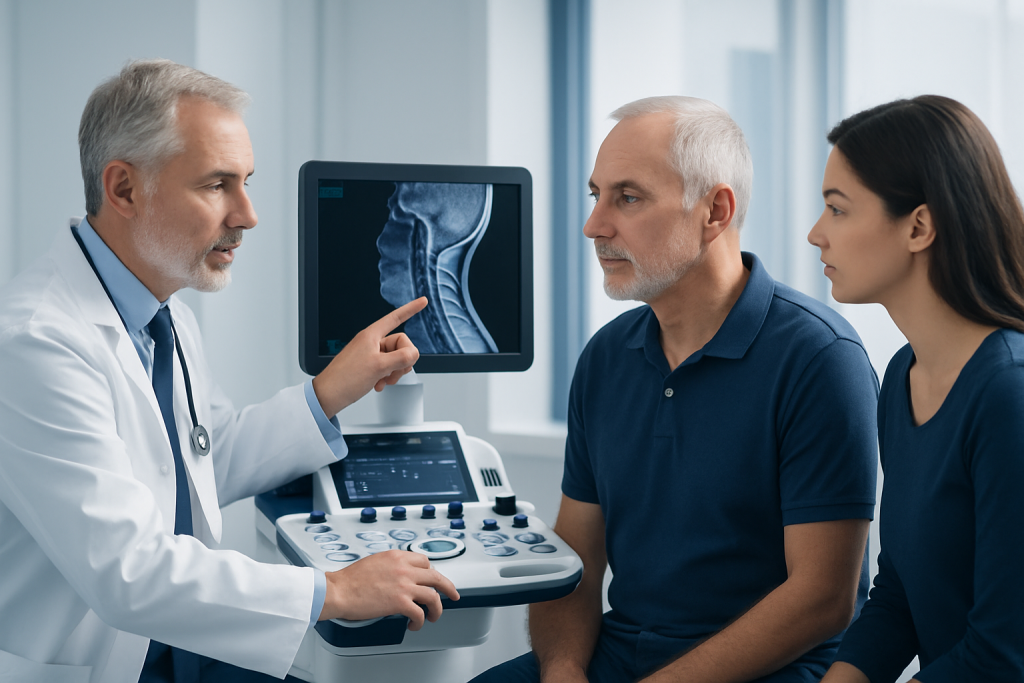
Symptoms of stenosis depend on the organ involved, so there is no single pattern that fits everyone. Some people notice discomfort only during activity, while others develop persistent symptoms that gradually limit daily routines. The location of the narrowing often gives the first clue.
In spinal stenosis, symptoms may include back or neck pain, numbness, tingling, weakness, or a feeling that walking becomes harder with distance. In arterial stenosis, reduced blood flow may cause leg pain with walking, coolness, fatigue, or symptoms that depend on which vessel is affected. In valve stenosis, such as a narrowed heart valve, people may experience shortness of breath, chest discomfort, dizziness, or reduced exercise tolerance.
- Pain that worsens with movement or exertion
- Numbness, tingling, or weakness
- Shortness of breath or fatigue
- Reduced walking distance or activity tolerance
- Symptoms that improve with rest and return with activity
Some forms of stenosis cause no obvious symptoms at first. That is one reason medical evaluation matters when there is a known risk factor, such as age-related wear, inflammation, previous injury, or a history of vascular disease. A person should not wait for severe symptoms before asking questions.
Causes & Risk Factors
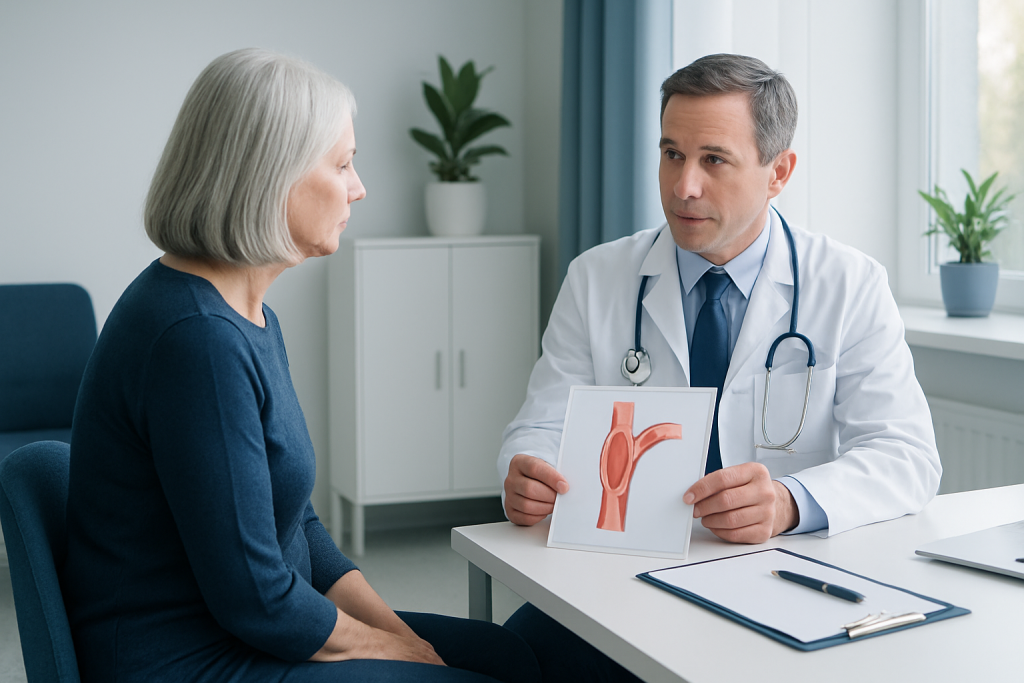
Stenosis can develop for several reasons. In some cases, it is related to natural aging and gradual wear of tissues. In others, it follows inflammation, injury, scar tissue, congenital differences, or chronic disease. The cause often helps determine whether the narrowing is likely to progress and which treatment is most appropriate.
Common contributors include degenerative changes in the spine, plaque buildup in arteries, thickening or calcification of heart valves, and scarring after surgery or inflammation. Some people are more likely to develop stenosis because of smoking, high blood pressure, diabetes, high cholesterol, repetitive strain, or inherited conditions. Lifestyle and medical history can influence both risk and recovery.
Risk is not the same as certainty. Many people with risk factors never develop clinically important stenosis, and many patients improve once the specific problem is identified and treated. The important point is to recognize the pattern early enough to prevent avoidable complications.
Diagnosis
Diagnosis begins with a careful history and examination. A clinician will ask where the symptoms are felt, what makes them better or worse, how long they have been present, and whether they are affecting work, walking, sleep, or daily tasks. The pattern of symptoms often points toward a particular type of stenosis.
Testing may include imaging or other studies chosen for the suspected location. Spinal stenosis is often assessed with MRI or CT scans. Heart valve stenosis may be evaluated with echocardiography, while arterial stenosis may require ultrasound, CT angiography, MR angiography, or catheter-based studies. Blood tests may also be used to look for related conditions that affect risk or treatment.
For patients traveling for care, it helps to bring prior scan reports, medication lists, and a timeline of symptoms. This allows the specialist team to compare old and new information, avoid unnecessary duplication, and build a plan that is realistic both during the hospital stay and after return home. Diagnosis is not only about naming the narrowing; it is also about measuring how much it matters.
Treatment Options
Treatment for stenosis is tailored to the site, severity, symptoms, and the person’s overall health. Some mild cases are monitored over time, especially if symptoms are limited and the narrowing is not causing meaningful impairment. In other situations, treatment is recommended sooner to protect nerve function, improve circulation, or relieve strain on the heart.
Non-surgical treatment may include activity modification, physical therapy, pain relief strategies, medicines for related conditions, and risk-factor control such as blood pressure, cholesterol, and blood sugar management. For some patients, injections or other targeted procedures may be appropriate, depending on the structure involved and the underlying cause. These approaches aim to ease symptoms and support function without unnecessary intervention.
When stenosis is more advanced or causing significant problems, a procedure or surgery may be needed. Examples include widening a narrowed blood vessel, replacing or repairing a narrowed heart valve, or decompressing a narrowed spinal canal. The safest plan is the one matched to the anatomy and the patient’s overall condition, rather than a one-size-fits-all approach.
Recovery planning is especially important for people who come from another country for treatment. Clear discharge instructions, rehabilitation guidance, and follow-up arrangements help patients continue care smoothly at home. In that setting, Acibadem Health Point’s multidisciplinary specialists and JCI-accredited hospitals diagnose and treat stenosis for international patients with coordinated medical support.
Prevention & Self-care
Not every type of stenosis can be prevented, particularly when it is related to aging, anatomy, or inherited factors. Even so, many people can reduce risk or slow progression by addressing the conditions that place extra strain on the heart, blood vessels, and spine. Small changes often matter most when they are sustained over time.
General self-care starts with the basics: staying active within safe limits, avoiding smoking, maintaining a healthy weight, and following treatment for blood pressure, cholesterol, and diabetes if these conditions are present. People with spinal symptoms may benefit from posture awareness, guided exercise, and ergonomic changes at work or while traveling. Those with vascular or cardiac disease should keep regular medical follow-up and take prescribed treatment as directed.
- Keep follow-up appointments, even if symptoms are mild
- Report new numbness, weakness, chest discomfort, or breathlessness promptly
- Use rehabilitation or exercise plans that are approved by a clinician
- Support heart and vessel health with smoking cessation and risk-factor control
- Prepare copies of records if care will continue in another country
For international patients, self-care also includes practical planning. Knowing which symptoms require urgent review, where to obtain local follow-up, and how to communicate with the treating team can make recovery more comfortable and less stressful.
When to See a Doctor
Medical review is appropriate when symptoms suggest a narrowed passage may be limiting function, especially if pain, walking difficulty, shortness of breath, or reduced circulation is becoming more noticeable. A person should not assume the problem is simply “getting older,” because stenosis can often be managed more effectively when identified early.
Prompt assessment is especially important if symptoms are sudden, rapidly worsening, or affecting strength, balance, speech, breathing, or chest comfort. New bowel or bladder changes, severe weakness, fainting, or trouble walking should be evaluated without delay. These signs may indicate a more urgent problem that needs immediate attention.
It is also wise to seek a specialist opinion when a previous diagnosis is unclear, symptoms do not match the initial explanation, or treatment has not brought enough relief. A clear second look can help confirm the site and severity of the narrowing and guide the next step with more confidence.
Frequently asked questions
What does stenosis mean in simple terms?
Stenosis means narrowing. It can happen in different places, such as the spine, heart valves, or blood vessels, and the effects depend on which structure is narrowed. Some cases cause pain or reduced function, while others may be found during testing for a different reason.
Is stenosis always serious?
Not always. Some forms are mild and can be monitored, while others may need treatment to prevent complications or restore normal function. The level of concern depends on the location, symptoms, and how much the narrowing is affecting the body.
Can stenosis get better without surgery?
Yes, some patients improve with medicines, physical therapy, lifestyle changes, or treatment of underlying conditions. Others need procedures or surgery if the narrowing is advanced or causing significant symptoms. The right approach depends on the individual diagnosis.
How is stenosis diagnosed?
A clinician usually starts with questions about symptoms and a physical examination, then orders tests based on the suspected site. Imaging such as MRI, CT, ultrasound, or echocardiography is often used. The goal is to identify both the narrowing and its impact on function.
What symptoms should not be ignored?
Sudden weakness, severe pain, chest discomfort, breathlessness, fainting, new numbness, or trouble with bladder or bowel control should be assessed quickly. These symptoms can signal a problem that needs urgent medical attention. Even milder symptoms deserve evaluation if they are getting worse.
Can someone travel for stenosis treatment?
Yes, many patients travel for diagnosis or treatment, especially when they want access to a specialist team or coordinated care. It helps to bring prior scans, reports, and medication lists, and to plan follow-up before returning home. Good communication with the treating team makes recovery smoother.
References
- Mayo Clinic
- Cleveland Clinic
- National Heart, Lung, and Blood Institute
- National Institute of Neurological Disorders and Stroke
- American Heart Association
This article is for general information only and is not a substitute for professional medical advice. Please consult a qualified doctor about your individual situation.
More from the Health Library



Related Specialists

Dr. Asena Selbes
Anesthesiology and Reanimation
Prof. Dr. Ahmet Ümit Güllü
Cardiovascular Surgery
Prof. Dr. Korkut Atalan
Anesthesiology
Assoc. Prof. Dr. Sevgi Topal
Pediatric Intensive Care Unit