Ringing In Ears: Sound Therapy

Key Takeaways
- Tinnitus is the perception of sound without an external source, and its causes can vary widely.
- Sound therapy does not usually remove tinnitus, but it may make the sound less intrusive.
- A careful ear, hearing, and medical evaluation is important before choosing a treatment plan.
- Benefits are often greatest when sound therapy is combined with counseling, hearing support, and good sleep habits.
- New, one-sided, pulsating, or sudden tinnitus should be assessed by a clinician promptly.
Medically reviewed by the Acıbadem clinical team — August 19, 2026
Ringing in the ears, often called tinnitus, is a symptom rather than a disease, and sound therapy is one of several approaches that may help people manage it more comfortably. By using external sounds to make tinnitus less noticeable, sound therapy can support sleep, concentration, and daily comfort while a clinician looks for possible underlying causes.
Overview
Ringing in the ears can feel personal and difficult to explain, especially when it is quiet enough to notice at bedtime or loud enough to interrupt a conversation. In medical terms, this experience is called tinnitus. It may sound like ringing, buzzing, hissing, roaring, or clicking, and it can affect one ear, both ears, or seem to come from inside the head.
Sound therapy is one of the most practical ways to reduce how much tinnitus dominates attention. Instead of trying to silence the ears directly, it introduces another sound environment so the tinnitus becomes less prominent. For many people, that shift can make everyday life feel calmer and more manageable.
For international patients, the first step is often deciding whether the symptom is simply annoying or whether it points to something that deserves specialist assessment. An ENT team may look at the ears, hearing, and related medical factors before recommending a personalized plan that could include sound therapy, hearing support, or other treatments.
Symptoms
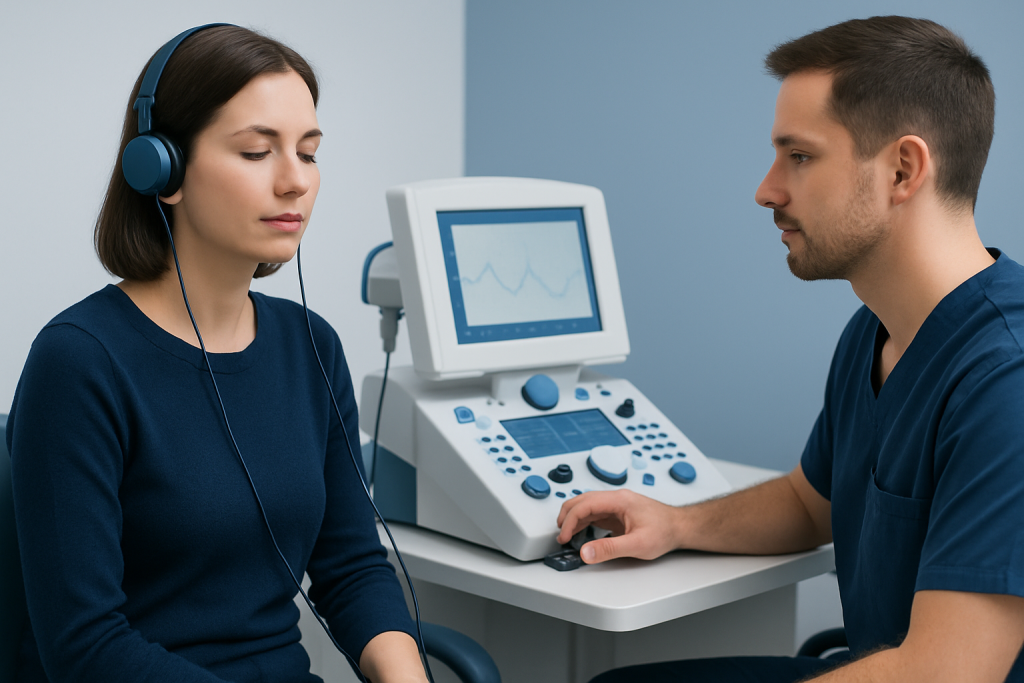
Tinnitus is not a single sound or a single experience. Some people notice it only in a silent room, while others hear it continuously throughout the day. The sound may be high-pitched or low-pitched, steady or intermittent, and it may become more noticeable when a person is tired, stressed, or trying to fall asleep.
Sound therapy is usually considered when tinnitus is bothersome enough to affect focus, rest, or emotional well-being. Common reasons people seek help include difficulty sleeping, needing background noise to read or work, or feeling that silence makes the ringing stand out too sharply.
Symptoms that deserve medical evaluation are not limited to noise in the ears. A person may also notice hearing loss, ear fullness, dizziness, or sound sensitivity. These related changes can help a clinician understand whether the tinnitus is linked to hearing changes, ear wax, medication effects, or another cause.
- Persistent ringing, buzzing, or hissing in one or both ears
- Difficulty falling asleep because the sound seems louder at night
- Reduced concentration in quiet environments
- Sound sensitivity or discomfort with ordinary background noise
- Tinnitus that comes with hearing changes, dizziness, or ear pain
Causes & Risk Factors

Tinnitus can appear after many different kinds of ear or body changes. Hearing loss is one of the most common associations, but it is not the only one. Exposure to loud noise, earwax blockage, middle ear problems, jaw issues, head or neck injury, circulation concerns, and some medications may all play a role.
Risk tends to rise when the ears are repeatedly exposed to loud environments, such as work sites, concerts, or machinery without hearing protection. Age-related hearing changes can also make tinnitus more likely, although younger adults may experience it as well. Stress and poor sleep do not usually cause tinnitus on their own, but they can make it more noticeable and harder to ignore.
Because tinnitus has multiple possible causes, sound therapy is best understood as one part of a broader plan rather than a stand-alone cure. A clinician may first look for an underlying problem that can be treated directly, such as impacted earwax or a hearing deficit that could benefit from hearing aids.
Diagnosis
Diagnosis usually begins with a careful history. The clinician will want to know what the sound is like, when it started, whether it is constant or occasional, and whether anything makes it better or worse. Details about noise exposure, recent illness, medications, jaw pain, dizziness, and hearing changes are also useful.
An ear examination and hearing assessment are often part of the evaluation. Depending on the findings, the clinician may recommend additional tests to rule out less common but important causes, especially when tinnitus is only on one side, pulses with the heartbeat, or appears suddenly. Imaging is not needed for every person, but it may be appropriate when the clinical picture suggests a structural or vascular issue.
For patients traveling from another country, gathering records before the visit can make the process smoother. Prior hearing test results, medication lists, and details about the onset of symptoms can help the specialist decide quickly whether sound therapy is appropriate or whether another treatment should come first.
Treatment Options
Sound therapy uses external sound to make tinnitus less noticeable and less distressing. The goal is usually not to eliminate the symptom instantly, but to reduce the contrast between tinnitus and silence. That can help the brain pay less attention to the internal sound over time.
Several forms of sound therapy may be used. Background noise from a fan, white noise machine, soft music, nature sounds, or smartphone apps can be helpful in quiet settings. Some people benefit from wearable sound generators or hearing aids that include sound features, especially when hearing loss is present. In selected cases, clinicians may suggest structured tinnitus retraining approaches that combine sound exposure with counseling.
Sound therapy often works best as part of a broader plan. Counseling, sleep support, stress-management strategies, and treatment of hearing loss can all improve day-to-day coping. If a medication or another condition appears to be contributing, the clinician may review alternatives or treat the underlying problem directly.
Not every sound helps every person. A clinician may help the patient experiment with volume, type of sound, and timing so the background noise is comfortable rather than distracting. The most effective approach is usually the one the patient can use consistently in real life, including during sleep and travel.
Prevention & Self-care
There is no guaranteed way to prevent tinnitus, but there are sensible habits that may reduce risk or keep symptoms from worsening. Hearing protection is especially important in loud places, and it should be used in a balanced way rather than overused in everyday quiet settings, which can make normal silence feel more noticeable.
At home, many people find that gentle sound enrichment is easier to live with than absolute silence. Soft background noise at night, a bedside fan, or calm ambient sound can make the ear symptom less dominant. Good sleep routines, moderate caffeine intake if a person is sensitive to it, and regular physical activity may also help some people feel better overall.
Self-care is also about keeping expectations realistic. Sound therapy may reduce the emotional weight of tinnitus, but progress is often gradual. Tracking patterns can help: some people notice flare-ups during stress, after noise exposure, or when they are overtired, and that information can guide practical adjustments.
- Use hearing protection around loud machinery, concerts, or power tools
- Avoid inserting cotton swabs or other objects into the ear canal
- Keep background sound available in quiet rooms or at bedtime
- Manage sleep, hydration, and stress as part of overall symptom control
- Review medicines with a clinician if tinnitus begins after a new prescription
When to See a Doctor
Medical review is advisable when tinnitus is new, persistent, or affecting quality of life. It is especially important to seek prompt assessment if the sound is only in one ear, matches the heartbeat, follows a head injury, or appears together with hearing loss, dizziness, ear pain, or neurological symptoms.
A clinician can help determine whether sound therapy is suitable and whether there is a treatable underlying cause. Even when tinnitus is long-standing, an evaluation can be worthwhile if the symptom changes, becomes more intrusive, or starts interfering with sleep and concentration.
People traveling for care may appreciate a coordinated approach, particularly when diagnosis and treatment need to happen within a limited time frame. Acibadem Health Point’s multidisciplinary specialists and JCI-accredited hospitals diagnose and treat tinnitus for international patients with a focus on clear evaluation and individualized support.
Living Well With Tinnitus
Many people do best when they think of tinnitus management as a skill set rather than a single fix. Sound therapy, hearing support, and counseling can work together to lower the sense of intrusion. Over time, many patients find that the sound is still present but much less central to daily life.
Practical planning can make a real difference. Keeping a small source of sound available for quiet environments, preparing a sleep routine that limits silence at night, and keeping follow-up appointments can help maintain progress. For patients receiving care away from home, written instructions and a clear follow-up plan are especially useful.
The most reassuring message is that tinnitus is common, and help is available. A thoughtful assessment can identify whether the symptom is linked to hearing loss, ear conditions, medication effects, or another factor, and a tailored sound therapy plan may make daily life significantly easier to navigate.
Frequently asked questions
What is ringing in the ears sound therapy?
It is a treatment approach that uses external sound to make tinnitus less noticeable. The aim is to reduce the contrast between the internal sound and silence, which can make the symptom easier to tolerate.
Can sound therapy cure tinnitus?
Sound therapy usually does not cure tinnitus. It is more commonly used to lessen how much the sound affects sleep, concentration, and stress.
What kinds of sounds are used?
Common options include white noise, nature sounds, fans, soft music, or dedicated sound generators. Some people also use hearing aids with sound features if hearing loss is part of the picture.
Is sound therapy safe to try at home?
In general, yes, as long as the sound is kept at a comfortable level and does not cause discomfort. A clinician should still evaluate new or changing tinnitus to rule out treatable causes.
Does tinnitus always mean hearing loss?
No, although hearing loss is a common association. Tinnitus can also be linked to earwax, noise exposure, jaw issues, medications, or other medical conditions.
When should someone seek medical help for tinnitus?
Medical assessment is important if tinnitus is sudden, one-sided, pulsating, or accompanied by hearing loss, dizziness, or ear pain. A clinician can determine whether further testing or treatment is needed.
References
- World Health Organization
- National Institute on Deafness and Other Communication Disorders
- American Academy of Otolaryngology–Head and Neck Surgery
- Mayo Clinic
- NHS
This article is for general information only and is not a substitute for professional medical advice. Please consult a qualified doctor about your individual situation.
Explore treatments in Turkey — costs, top hospitals & a free quote
JCI-accredited · board-certified surgeons · reply within 24h
Add us as a Preferred Source to see more of our trusted health content across Google Search, AI Overviews and Discover.