Rhinoplasty Planning Abroad: Shape, Breathing, and the Limits of One Operation

Key Takeaways
- Rhinoplasty can address shape concerns, breathing problems, or both in the same operation.
- Not every nose can be made to match a chosen image; facial structure and skin thickness influence the result.
- Good planning includes airway assessment, discussion of scars and grafts, and a clear recovery plan.
- Revision surgery is sometimes needed, especially if expectations or healing are complex.
- Patients traveling abroad should plan time for early follow-up and know how remote aftercare will work.
Rhinoplasty is often planned to refine appearance, improve breathing, or both, but it has clear limits that should be understood before surgery abroad. Careful evaluation, realistic expectations, and follow-up planning help patients choose the safest route for their goals.
Overview
Rhinoplasty is one of the few operations where form and function meet in the same small space. A patient may want a softer profile, a straighter bridge, a more balanced tip, or relief from long-standing nasal blockage. In practice, the best surgical plan is usually the one that respects both appearance and airflow rather than treating them as separate goals.
When rhinoplasty is planned abroad, the conversation becomes even more important. A patient may be balancing travel dates, time away from work, and the hope of combining surgery with a broader treatment journey. That makes it essential to understand what one operation can realistically achieve, what it cannot fully change, and how recovery will be followed once the patient returns home.
The nose is shaped by cartilage, bone, skin thickness, septal alignment, and the proportions of the face around it. Because of that, rhinoplasty is never a one-size-fits-all procedure. A good surgical plan is tailored to the individual face, the breathing pathway, and the patient’s priorities, with honest discussion about the limits of reshaping a living structure that must heal and settle over time.
Symptoms and Reasons People Seek Rhinoplasty
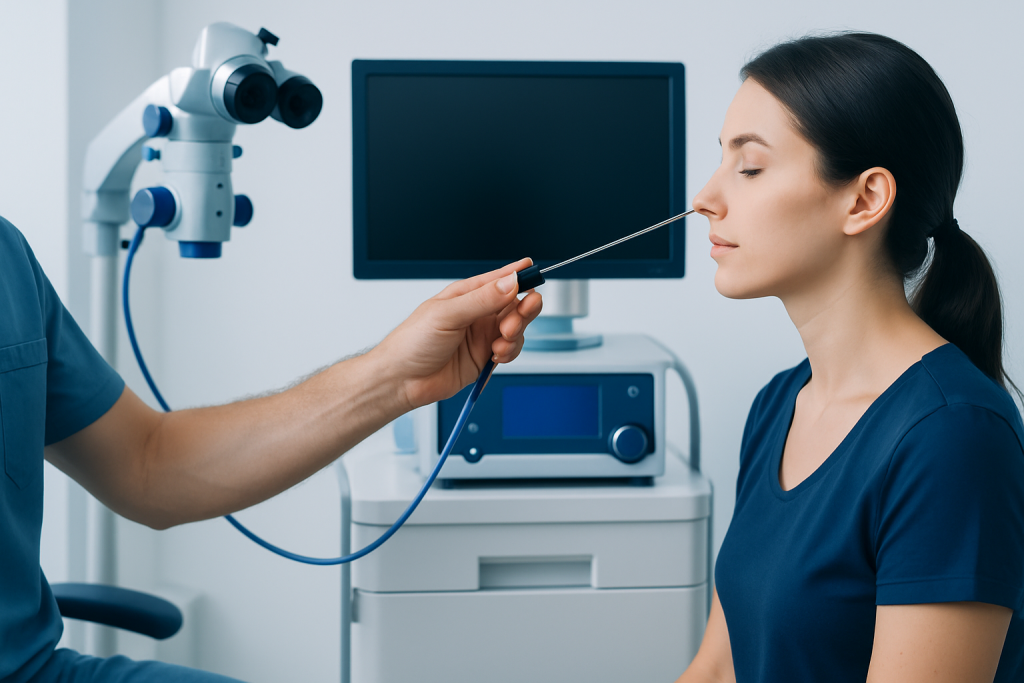
People seek rhinoplasty for different reasons, and many have more than one concern. Some are bothered by a hump on the bridge, a drooping or wide tip, or asymmetry after injury. Others come because they feel their nose looks out of proportion with the rest of the face in photos or direct conversation.
There is also a functional side that should not be overlooked. Nasal obstruction, mouth breathing, snoring related to blocked nasal passages, or reduced airflow after trauma can make a patient consider surgery even if the shape is not the main issue. In these cases, the aim is often to improve breathing while making conservative changes to the external nose.
- Visible bump or irregularity on the bridge
- Tip that appears broad, droopy, rotated, or underdefined
- Asymmetry after injury or previous surgery
- Difficulty breathing through one or both sides of the nose
- Blocked airflow from a deviated septum or weak nasal valves
Symptoms also have a practical side in daily life. A patient may avoid certain camera angles, feel self-conscious in social settings, or notice that exercise becomes harder because nasal breathing is limited. A skilled consultation explores both the physical complaint and the way it affects daily functioning.
Causes and Risk Factors

Rhinoplasty is performed for a broad range of underlying reasons. Some patients are born with a nasal shape they would like to soften or refine. Others develop deformity after trauma, previous surgery, or changes in the supporting cartilage over time. In some cases, the major concern is structural: the nose may look narrow or crooked because the septum and nasal valves are not supporting airflow evenly.
Several features influence the complexity of the operation. Thick skin can soften the visible definition of the nose after surgery, while very thin skin may reveal small irregularities more easily. A strong, wide bridge or very delicate cartilage may also shape what can reasonably be achieved. These factors do not rule out surgery, but they affect planning and expectations.
Risk is also higher when rhinoplasty is being considered after a previous operation. Revision cases can involve scar tissue, altered anatomy, or limited remaining cartilage. Patients who travel abroad for surgery should mention any prior procedures, nasal sprays, allergies, sinus issues, trauma, and breathing changes, because these details help the surgeon decide whether a straightforward rhinoplasty or a combined septorhinoplasty is more appropriate.
Diagnosis and Preoperative Planning
Planning begins with a careful consultation, not the operating room. The surgeon usually reviews the patient’s medical history, asks about breathing symptoms, examines the outside of the nose, and looks inside the nasal passages. This helps distinguish cosmetic concerns from structural problems that may need correction at the same time.
In many cases, the surgeon may discuss the septum, turbinates, and nasal valves, because these structures influence airflow. Photographs are often taken for analysis and discussion, but they are not a promise of a specific outcome. Some patients also benefit from imaging or additional ENT assessment if sinus disease, trauma, or previous surgery is part of the story.
For patients planning surgery abroad, this step should also include travel readiness. The team should explain how long the patient needs to remain nearby for early checks, what swelling and bruising are expected, and how any stitches, splints, or packing will be managed. It is wise to ask how communication will continue after the patient returns home, especially if questions arise during healing.
Useful preoperative questions include:
- What can be changed safely in one operation?
- Will breathing and shape be improved together?
- Is cartilage grafting likely to be needed?
- How much of the final result depends on healing time?
- What follow-up will happen after travel home?
Treatment Options
Rhinoplasty is customized rather than standardized. Some procedures focus on the bridge, some on the tip, and some combine shaping with airway reconstruction. Open rhinoplasty uses a small incision across the columella to give broader visibility to the surgeon, while closed rhinoplasty keeps incisions inside the nostrils. The choice depends on the anatomy and the changes needed, not on a single preferred method for everyone.
When breathing is also a concern, septorhinoplasty may be recommended. This can include straightening the septum, supporting weak nasal valves, reducing obstructive tissue, or reinforcing areas that collapse during inhalation. In more complex cases, cartilage grafts may be used to help maintain structure and airflow. These grafts are often taken from the patient’s own septum, ear, or, less commonly, rib.
It is important to understand the limits of one operation. Surgery can refine, support, and rebalance, but it cannot produce infinite change without consequences. A nose that is made too small may breathe poorly; a nose that is shaped too aggressively may look unnatural or become structurally weaker. The best outcomes usually come from restraint, proportion, and respect for the patient’s underlying anatomy.
Patients also ask about revision rhinoplasty. This is a second operation performed to improve a previous result or address persistent breathing issues. It can be helpful, but it is generally more complex than primary surgery because scar tissue and prior alterations limit how much can be adjusted. For that reason, a careful first plan is especially valuable.
Recovery and What to Expect After Surgery
Recovery begins with swelling, congestion, and a sense that the nose is not yet the nose that was planned. This is normal. Early healing often includes bruising around the eyes, internal stuffiness, and mild discomfort, which are usually managed with routine postoperative care recommended by the surgical team. A splint may be worn briefly to support the new shape.
Patients should expect the visible appearance to change gradually. The bridge usually settles earlier than the tip, and minor asymmetry during early healing does not automatically mean a problem. Final refinement can take many months, sometimes longer, because skin, cartilage, and internal swelling all need time to adapt.
Traveling home soon after surgery requires extra planning. The patient should know when it is safe to fly, how to avoid pressure or injury to the nose, and what to do if congestion, bleeding, fever, or unusual pain develops. Sleeping with the head elevated, avoiding heavy exertion, and protecting the nose from impact are common short-term precautions.
Healing is also emotional. Some patients feel encouraged quickly; others feel impatient during the swollen phase. A calm, scheduled follow-up plan helps the patient understand each stage of recovery, especially when aftercare is shared across countries or time zones.
Prevention and Self-care
There is no way to prevent every reason someone might want rhinoplasty, but careful preparation can reduce avoidable problems. The most important step is choosing a surgeon who can explain the balance between appearance and function in a clear, specific way. Patients should feel that their concerns were heard, not simply placed into a standard cosmetic package.
Self-care before surgery includes being transparent about medications, supplements, smoking, allergies, and prior nasal procedures. Following preoperative instructions matters because small steps can influence bleeding risk, healing comfort, and the quality of early recovery. After surgery, protecting the nose from pressure, avoiding vigorous activity too soon, and attending recommended follow-up visits all support better healing.
- Choose a surgeon experienced in both cosmetic and functional nasal surgery
- Ask how your breathing will be evaluated, not just how the nose will look
- Plan enough time abroad for early postoperative checks
- Keep a written recovery plan for after you return home
- Do not compare your healing to someone else’s timeline
International patients may also benefit from arranging a local physician or clinic at home for urgent questions if needed. That does not replace the operating surgeon’s guidance, but it creates a practical safety net during the recovery period.
When to See a Doctor
A patient considering rhinoplasty should seek a qualified consultation whenever the nose causes ongoing breathing difficulty, visible deformity after injury, or persistent dissatisfaction that affects daily life. A doctor can help determine whether the issue is cosmetic, functional, or both, and whether surgery is the most suitable option.
Prompt medical review is especially important if the patient has nasal blockage on one side only, worsening obstruction, repeated nosebleeds, a history of fractures, or prior surgery with unresolved concerns. These details may point to a structural problem that needs careful assessment rather than a purely aesthetic plan.
After surgery, the patient should contact the surgical team if bleeding becomes heavy, pain suddenly increases, fever develops, or breathing becomes markedly worse. Most recovery changes are expected and temporary, but new or escalating symptoms deserve professional advice. For international patients, Acibadem Health Point can support diagnosis and treatment through multidisciplinary specialists and JCI-accredited hospitals, with coordination that respects the realities of travel and follow-up.
Frequently asked questions
Can rhinoplasty improve breathing and appearance at the same time?
Yes, in many patients it can. When a structural issue such as a deviated septum or weak nasal valve contributes to obstruction, the surgeon may plan a functional correction alongside cosmetic reshaping. The exact balance depends on the nasal anatomy and the patient’s goals.
Is one rhinoplasty operation always enough?
Not always. Some noses heal predictably and meet the patient’s goals after one operation, while others are affected by thick skin, complex asymmetry, trauma, or prior surgery. Revision is sometimes needed, but good planning can reduce the chance of disappointment.
How long does it take to see the final result?
Early changes are visible within weeks, but swelling can continue to settle for many months. The tip often takes the longest to refine, so the result should be judged gradually rather than in the first postoperative phase. A surgeon can explain the expected timeline based on the specific procedure.
What is the difference between rhinoplasty and septorhinoplasty?
Rhinoplasty mainly reshapes the external nose, while septorhinoplasty also addresses the septum and often other internal structures that affect breathing. Many patients need a combined approach when appearance and airflow are both concerns. The right choice depends on the findings during consultation and examination.
Is travel abroad safe for rhinoplasty recovery?
It can be safe when planning is thorough and follow-up is clearly arranged. The patient should know how long to stay near the surgical team, when it is safe to travel, and what support will be available after returning home. A clear recovery plan is especially important if the operation includes airway work or grafting.
What should a patient ask before agreeing to surgery?
It helps to ask what changes are realistic, whether breathing will be addressed, whether grafts might be needed, and what the revision policy or follow-up plan looks like. Patients should also ask how their recovery will be monitored after travel home. Clear answers usually reflect a well-organized surgical pathway.
References
- American Society of Plastic Surgeons
- American Academy of Facial Plastic and Reconstructive Surgery
- International Society of Aesthetic Plastic Surgery
- Mayo Clinic
- NHS
This article is for general information only and is not a substitute for professional medical advice. Please consult a qualified doctor about your individual situation.
More from the Health Library


Related Specialists

Dr. İpek Yıldız Tüzken
Anesthesiology
Dr. Filiz Candan Topuz
Gynecology & Obstetrics
Assoc. Prof. Dr. Nicel Taşdemir
Gynecology & Obstetrics
Dr. Ecem Sevim Akı
Otorhinolaryngology