Rhinoplasty in Turkey: Factors That Affect Price

Key Takeaways
- Rhinoplasty pricing is influenced by surgical complexity, not just the procedure name.
- Surgeon experience, hospital standards, and anesthesia can all affect the final cost.
- Revision surgery and functional breathing corrections often require more planning than a straightforward cosmetic case.
- International patients should look beyond the headline price and ask what is included before deciding.
- A detailed consultation is the best way to understand whether the procedure matches the patient’s goals and anatomy.
Rhinoplasty in Turkey can vary widely in price because each treatment plan is shaped by the nose’s anatomy, the complexity of the surgery, the surgeon’s expertise, and the level of hospital support. Understanding these factors helps patients compare options more confidently and choose care that is safe, appropriate, and well organized.
Overview
Rhinoplasty is one of the most individualized procedures in facial plastic surgery. Even when two people ask for “the same” nose shape, the surgery plan may be entirely different because the starting anatomy, skin thickness, breathing concerns, and healing patterns are rarely identical.
That is why rhinoplasty in Turkey is usually discussed in terms of value and scope rather than a single fixed price. A quoted fee may reflect only the surgeon’s work, or it may include the operating room, anesthesia, preoperative tests, overnight care, follow-up visits, and other parts of the treatment journey. For an international patient, understanding what is bundled into the estimate is just as important as the number itself.
Turkey has become a destination for patients seeking cosmetic and functional nasal surgery, but the decision should still start with medical suitability. A well-planned operation is built around the patient’s goals, nasal structure, and safety needs, not around a standard package that fits everyone.
What Actually Changes the Price
Several practical factors influence the cost of rhinoplasty. The most obvious one is the technical difficulty of the surgery. A primary rhinoplasty, where the nose has not been operated on before, may be more straightforward than revision surgery, which must address scar tissue, altered anatomy, or a previous unsatisfactory result.
The scope of the procedure also matters. Some patients need only subtle reshaping of the bridge or tip, while others require changes to the septum, cartilage support, or nasal airway. When breathing improvement is part of the plan, the operation may take longer and require more detailed surgical work.
Other common price drivers include:
- The surgeon’s training and specialization in facial plastic surgery
- The hospital or surgical center’s standards and accreditation
- The type of anesthesia used
- Whether the case is primary or revision surgery
- How much post-operative monitoring and follow-up is included
For many patients, the most meaningful difference is not between “cheap” and “expensive,” but between a limited quote and a comprehensive one that reflects the full medical pathway.
Why the Surgeon’s Experience Matters

Rhinoplasty is often described as a balancing act between form and function. The surgeon must work with delicate structures that influence both appearance and breathing, and even small changes can have visible and functional effects. For that reason, experience in nasal surgery is one of the strongest contributors to pricing.
A highly experienced surgeon may spend more time in preoperative planning, use advanced techniques to preserve support, and tailor the operation to the patient’s facial proportions. In complex cases, this level of expertise can be especially important because revision surgery and functional correction may be less predictable than a first-time cosmetic procedure.
Patients considering treatment abroad should ask about the surgeon’s specific focus. A broad plastic surgery background is helpful, but rhinoplasty outcomes often depend on regular, dedicated work with nasal anatomy and a thoughtful approach to both aesthetics and airflow.
Hospital Standards, Anesthesia, and Safety
The setting where rhinoplasty is performed can significantly affect the overall cost. Accredited hospitals with strong operating room standards, experienced anesthesia teams, and structured recovery support generally have higher overhead than smaller facilities. That difference often appears in the final estimate.
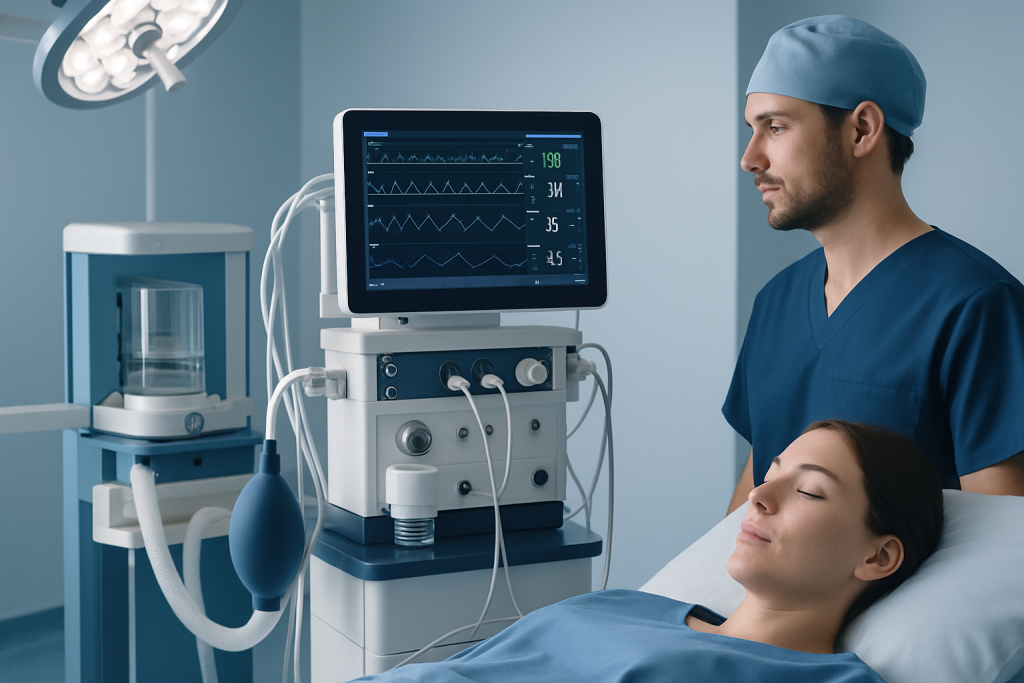
Anesthesia is another important part of the picture. Some patients are suitable for local anesthesia with sedation, while others need general anesthesia depending on the surgical plan and comfort level. The anesthesia team, monitoring equipment, and recovery supervision all contribute to the total cost and to the safety of the experience.
For international patients, hospital organization also matters after surgery. A reliable care setting can make it easier to manage early swelling checks, bandage or splint removal, medication guidance, and discharge instructions before the patient flies home. That continuity can be especially valuable when follow-up must continue across borders.
Primary vs. Revision Rhinoplasty
Revision rhinoplasty is usually more complex than first-time surgery. Previous surgery can change tissue quality, reduce available cartilage, or create scar tissue that makes planning and reshaping more delicate. As a result, revision procedures often require longer operating time and more advanced reconstruction skills.
In some patients, cartilage grafting may be needed to rebuild support or improve breathing. Surgeons may harvest cartilage from the septum, ear, or, in selected cases, another donor site. These added steps can influence both the surgical plan and the price.
Because expectations play such a large role in revision cases, consultation time is also important. A careful surgeon will discuss what can realistically be improved, what may be limited by the previous operation, and how much healing time is needed before judging the final result.
What Is Usually Included in a Quote
One of the most useful questions an international patient can ask is, “What does this price include?” A rhinoplasty quote may look simple on paper, yet different providers may package different services. Comparing only the final number can be misleading if one estimate includes several essentials and another does not.
Depending on the clinic or hospital, the fee may cover the consultation, surgeon’s fee, preoperative tests, anesthesia, operating room use, the procedure itself, medications, one or more nights in the hospital, and early follow-up visits. Some packages may also include airport transfers, hotel stays, or translation support for international travelers.
Patients should also ask about exclusions. Possible extra costs can include revision surgery, additional imaging, specialized implants or grafting materials, extended hospitalization, and care for unrelated medical issues. Clear communication before travel helps avoid confusion later and supports a smoother recovery plan.
How to Compare Options Safely
Comparing rhinoplasty options should begin with medical fit, not price alone. A thoughtful consultation can reveal whether the nose’s structure supports the desired result, whether breathing issues need to be addressed, and whether the surgeon’s approach matches the patient’s goals. When a quote is unusually low, it is reasonable to ask what may be missing.
Useful comparison questions include:
- Is the surgeon specifically experienced in rhinoplasty?
- Does the quote include anesthesia and hospital fees?
- Will the operation be performed in an accredited hospital?
- What is the plan if breathing support or grafting is needed?
- How will follow-up care work after the patient returns home?
International patients may also want to review photos, ask about recovery timelines, and confirm how quickly they should remain in the country after surgery. These practical details often matter as much as the headline price when planning treatment abroad.
Recovery, Travel, and Long-Term Value
Cost should be viewed together with recovery needs. Rhinoplasty healing happens in stages, and the appearance of the nose changes gradually over months. Early swelling, temporary congestion, and mild discomfort are common parts of the process, while the final contour takes time to settle.
For patients traveling from another country, the recovery plan should account for flight timing, rest days, and a safe window for follow-up checks before departure. Good planning can reduce stress and make it easier to handle the early postoperative period away from home. It also helps if the treating team provides written instructions that the patient can share with their local doctor if needed.
Long-term value comes from choosing care that supports both appearance and function. A well-executed rhinoplasty should aim for a nose that fits the face naturally, maintains or improves breathing when needed, and heals within a structured, supervised process. In that sense, the “best price” is often the one that reflects safe treatment, clear communication, and appropriate expectations.
Frequently asked questions
Why does rhinoplasty in Turkey have different prices from one clinic to another?
Prices vary because rhinoplasty is not a one-size-fits-all operation. The final fee can change with the surgeon’s experience, the hospital setting, the complexity of the nose, anesthesia, and whether follow-up services are included.
Is revision rhinoplasty usually more expensive than primary rhinoplasty?
It often is, because previous surgery can leave scar tissue or structural changes that make the operation more complex. Revision cases may also require cartilage grafting or longer operating time.
Does a higher rhinoplasty price always mean better results?
Not necessarily. A higher price may reflect more comprehensive care, but patients should still review the surgeon’s experience, the hospital’s standards, and what the quote includes. The goal is safe, suitable treatment rather than the most expensive option.
What should an international patient ask before booking rhinoplasty abroad?
It is helpful to ask what is included in the quote, where the surgery will be performed, who provides anesthesia, and how follow-up care is handled after travel. Patients should also ask how long they should stay locally before flying home.
Can rhinoplasty improve breathing as well as appearance?
Yes, in some cases. When nasal obstruction or septal deviation is part of the problem, the surgical plan may address both function and appearance. A specialist consultation is needed to determine whether this is appropriate.
How long does recovery take after rhinoplasty?
Early recovery usually takes place over the first days and weeks, but the nose continues to refine for many months. Swelling settles gradually, and the final result should not be judged too soon.
Where can patients seek coordinated rhinoplasty care in Turkey?
Patients can look for hospitals and teams with dedicated facial plastic surgery expertise and organized follow-up for international visitors. Acibadem Health Point works with multidisciplinary specialists and JCI-accredited hospitals to diagnose and treat rhinoplasty patients, including those traveling from abroad.
References
- American Society of Plastic Surgeons
- International Society of Aesthetic Plastic Surgery
- British Association of Aesthetic Plastic Surgeons
- Mayo Clinic
This article is for general information only and is not a substitute for professional medical advice. Please consult a qualified doctor about your individual situation.
More from the Health Library

Can You Combine Cosmetic Procedures Safely in One Trip? The Checks Surgeons Use First

Plastic Surgery Recovery From Home: What Follow-Up Looks Like After You Leave Turkey