Poultry Temperature for Chicken Safety

Key Takeaways
- Chicken should be cooked to a safe internal temperature, not judged by color alone.
- A food thermometer is the most reliable way to check doneness.
- Cross-contamination matters as much as cooking temperature when it comes to food safety.
- People with weakened immune systems, older adults, pregnant people, and young children need extra care with poultry safety.
- If symptoms of food poisoning are severe or persistent, medical advice should be sought promptly.
Medically reviewed by the Acıbadem clinical team — August 19, 2026
Poultry temp chicken refers to the internal temperature chicken should reach to be safely cooked and reduce the risk of foodborne illness. Knowing how to check doneness properly helps households, travelers, and caregivers prepare chicken with more confidence and less guesswork.
Overview
When people search for poultry temp chicken, they are usually asking a practical question: how hot does chicken need to be before it is safe to eat? The answer matters because chicken can carry bacteria that are not visible, not always smelly, and not reliably detected by appearance. Safe cooking is therefore less about guesswork and more about checking the internal temperature in the thickest part of the meat.
For many households, this is a small kitchen habit that can prevent a much bigger problem. It is especially important for families cooking for children, older adults, pregnant people, or anyone whose immune system is less able to fight infection. In travel settings, shared kitchens, or while recovering from an illness, careful food handling becomes even more valuable.
Chicken can be prepared in many forms—whole bird, breast, thigh, ground chicken, or shredded leftovers—and each form benefits from the same principle: use a thermometer, cook thoroughly, and handle the meat safely before and after cooking. The goal is not to make cooking complicated; it is to make it dependable.
Symptoms of Undercooked Poultry Exposure
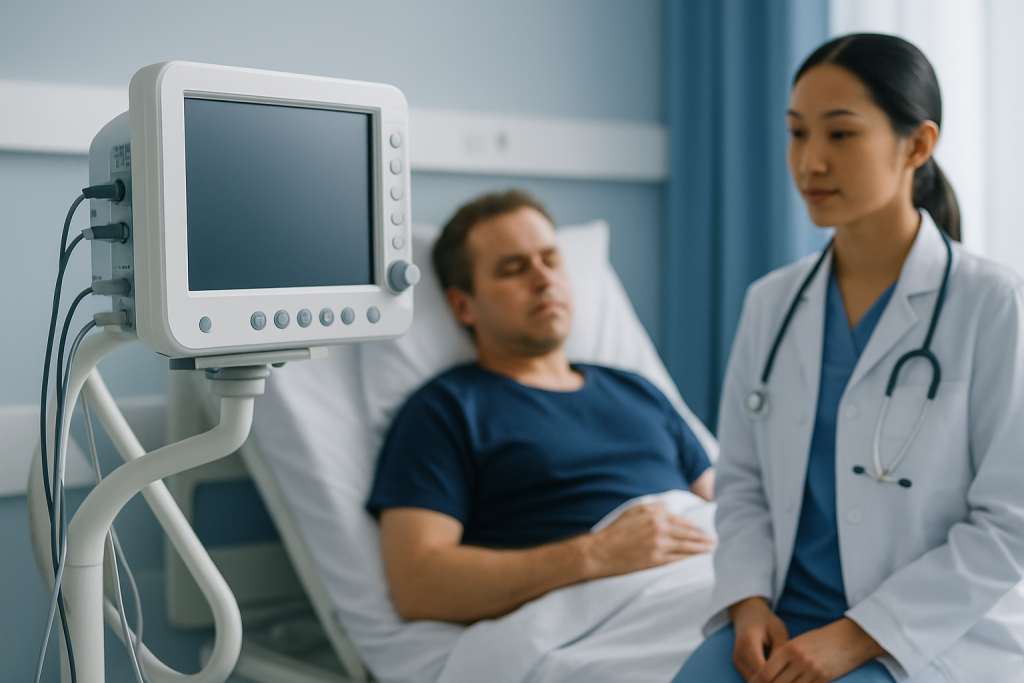
Undercooked chicken does not always cause illness, but when it does, symptoms often resemble common food poisoning. They may begin within hours or sometimes a few days after eating contaminated food. Abdominal cramps, nausea, vomiting, diarrhea, fever, and general weakness are among the most common complaints.
Some people have milder symptoms that settle with rest and fluids, while others may become dehydrated or feel too unwell to keep food down. The severity can depend on the type and amount of bacteria involved, the person’s age and overall health, and how much of the contaminated food was eaten.
There are also situations where symptoms may be mistaken for a “stomach bug,” especially after a meal shared by several people. That is one reason clinicians ask detailed questions about recent foods, travel, and timing when they are trying to identify the cause of digestive illness.
Causes & Risk Factors
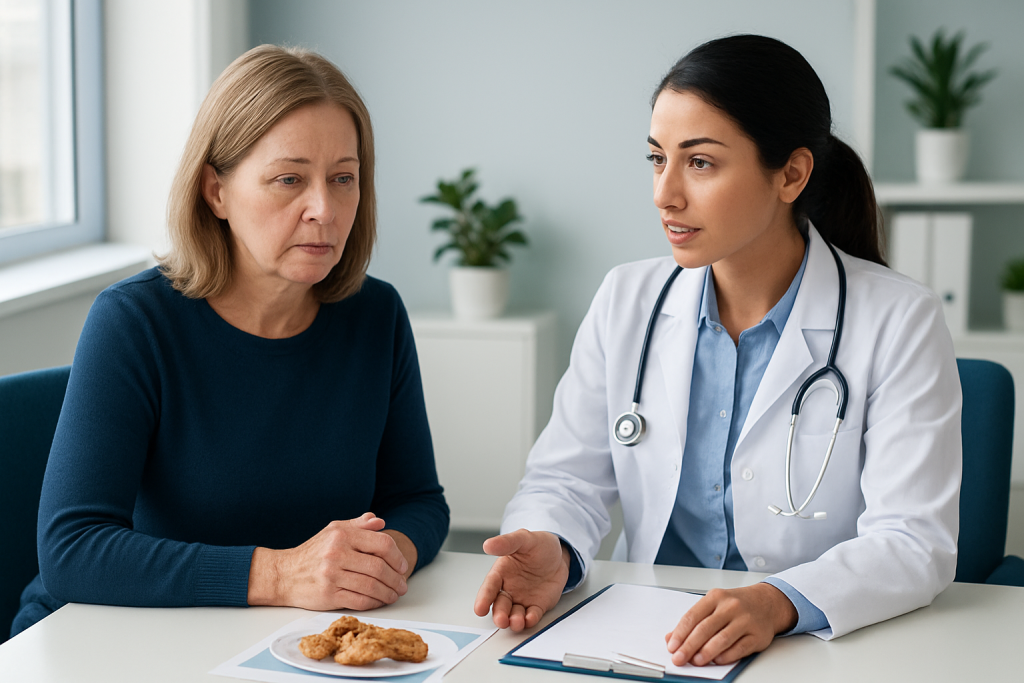
Chicken can carry bacteria such as Salmonella or Campylobacter. These organisms are often associated with raw poultry and can spread when juices touch hands, utensils, countertops, cutting boards, or ready-to-eat foods. In other words, the risk is not only the cooking step; it also includes how the chicken is stored, thawed, prepared, and served.
Several habits raise the chance of illness: rinsing raw chicken and splashing contaminated droplets around the kitchen, using the same board for raw meat and salad ingredients, leaving chicken at room temperature too long, or relying on the outside color of the meat instead of checking the center. Stuffed chicken and large pieces can be especially misleading because the outer layers may look done before the middle is safe.
Certain groups face greater consequences if they become ill from foodborne bacteria. These include young children, older adults, pregnant people, and those with chronic illnesses or weakened immune systems. Travelers may also be at risk when cooking in unfamiliar kitchens, using different appliances, or eating chicken prepared by others with varying food-safety standards.
Diagnosis
Food poisoning related to chicken is usually diagnosed through a combination of symptoms, timing, and exposure history rather than by one single test. A clinician may ask what was eaten, when the symptoms started, whether other people became ill, and whether there has been recent travel or antibiotic use. This history often provides the clearest clues.
If symptoms are moderate to severe, a doctor may order stool testing or blood tests to identify the organism or assess dehydration and inflammation. These tests are not always needed, but they can help when illness is prolonged, severe, or occurring in a vulnerable person.
For international patients, diagnosis may begin during travel and continue after returning home. It is useful to keep simple notes about foods eaten, onset of symptoms, and any fever, vomiting, or blood in the stool, because that information can help clinicians narrow the cause more efficiently.
Treatment Options
Most uncomplicated foodborne illnesses improve with rest and careful hydration. The main priority is replacing lost fluids and electrolytes, especially if there is vomiting or diarrhea. Small, frequent sips are often easier to tolerate than large amounts at once.
Treatment may differ depending on the cause and severity of illness. A clinician might recommend supportive care, monitoring, or additional testing if symptoms are severe, last longer than expected, or affect someone at higher risk. Antibiotics are not automatically needed for every case and should be used only when a doctor believes they are appropriate.
People who cannot keep fluids down, feel faint, have signs of dehydration, or have severe abdominal pain should not try to manage indefinitely at home. In medical settings, treatment can include evaluation for dehydration, electrolyte imbalance, and other complications, with care tailored to the person’s overall condition.
Prevention & Self-care
Good chicken safety starts before the pan is hot. Raw poultry should be kept separate from ready-to-eat foods, stored in a container that prevents dripping, and thawed safely in the refrigerator, microwave, or cold water as appropriate. After handling raw chicken, hands, boards, knives, and counters should be washed thoroughly with soap and water.
The most reliable safety habit is checking the internal temperature with a clean food thermometer. The thermometer should be inserted into the thickest part of the chicken, away from bone. Color alone is not a dependable guide because chicken can appear done before the center reaches a safe temperature.
Other useful habits include allowing cooked chicken to rest briefly as appropriate, refrigerating leftovers promptly, and reheating them thoroughly before eating. When traveling or cooking in a shared kitchen, it helps to bring a simple thermometer and to be cautious with buffets, underheated dishes, and food that has sat out too long.
- Separate raw poultry from fruits, vegetables, and cooked foods.
- Use different plates for raw and cooked chicken.
- Wash hands after touching raw meat and before touching anything else.
- Store leftovers quickly and reheat them until steaming hot.
- When in doubt, check the temperature again rather than guessing.
When to See a Doctor
Medical advice should be sought if symptoms are severe, if they last more than a couple of days, or if the person cannot maintain hydration. Warning signs include persistent vomiting, signs of dehydration such as dizziness or very dark urine, high fever, blood in the stool, or worsening abdominal pain. These signs do not always mean a serious problem, but they do deserve prompt evaluation.
It is also sensible to contact a doctor earlier when the ill person is a child, an older adult, pregnant, or living with a condition that weakens immunity. In these situations, clinicians may choose to monitor more closely because dehydration and infection can affect the body more quickly.
For people returning home after travel, it is reasonable to mention any recent chicken dishes, street food, hotel buffets, or shared meals. Clear food history can help guide the next steps. Acibadem Health Point’s multidisciplinary specialists and JCI-accredited hospitals diagnose and treat this condition for international patients who need coordinated care.
Frequently asked questions
What is the safest internal temperature for chicken?
The safest approach is to use a food thermometer and confirm that the thickest part of the chicken has reached the recommended safe internal temperature. This is more reliable than checking color or cooking time alone. Different cuts can look done before the center is fully cooked.
Can chicken be safe if it is still slightly pink?
Yes, a slight pink color does not automatically mean the chicken is unsafe. Color can be affected by cooking method, bone marrow, or other factors. The thermometer reading is the better guide.
Do I need to wash raw chicken before cooking it?
No, washing raw chicken is generally not recommended because it can spread germs around the kitchen through splashing water. Cooking chicken properly is what makes it safe. Good handwashing and clean surfaces are the more effective steps.
How can I tell if leftovers are safe to eat?
Leftovers are safer when they are refrigerated promptly and reheated thoroughly before eating. If chicken has been left out for too long or smells unusual, it is safer to discard it. When in doubt, food safety should come before saving leftovers.
What should I do if I feel sick after eating chicken?
Start by resting and drinking fluids in small amounts if you can keep them down. If symptoms are severe, if you cannot stay hydrated, or if there is blood in the stool or a high fever, medical advice should be sought. A clinician can decide whether testing or further treatment is needed.
Are some people more at risk from undercooked chicken?
Yes, young children, older adults, pregnant people, and those with weakened immune systems can be affected more seriously by foodborne illness. For these groups, extra care with cooking temperature and kitchen hygiene is especially important. Safe handling helps reduce avoidable risk.
References
- World Health Organization
- Centers for Disease Control and Prevention
- U.S. Department of Agriculture Food Safety and Inspection Service
- National Health Service
- Food and Agriculture Organization of the United Nations
This article is for general information only and is not a substitute for professional medical advice. Please consult a qualified doctor about your individual situation.
Explore treatments in Turkey — costs, top hospitals & a free quote
JCI-accredited · board-certified surgeons · reply within 24h
Add us as a Preferred Source to see more of our trusted health content across Google Search, AI Overviews and Discover.