Penis Enlargement Treatments: What Works and What Doesn’t

Key Takeaways
- Most advertised penis enlargement products and procedures do not provide meaningful, lasting size gains.
- Some medical treatments may be appropriate in selected cases, especially when there is a structural concern or documented condition.
- Surgical and injection-based options can carry risks such as scarring, pain, infection, or changes in erection quality.
- Confidence, sexual function, and overall health matter as much as size when evaluating concerns.
- A qualified urologist can help distinguish cosmetic interest from a medical problem and explain safe choices.
Concerns about penis size are common, but many advertised enlargement methods are ineffective, temporary, or carry avoidable risks. A careful, medically informed approach can help men understand realistic options, protect function, and choose safer care when treatment is truly needed.
Overview
Questions about penis size often arrive quietly, usually after comparison with partners, internet images, or promotional claims that promise dramatic change. In real clinical practice, the conversation is usually less about “getting bigger at any cost” and more about understanding what is normal, what is medically possible, and what may put function at risk.
Penis enlargement is not a single treatment. It is a broad label for devices, medications, injections, surgery, and lifestyle products that claim to increase length, girth, or both. Some methods have a place in carefully selected medical situations, while many others offer little benefit and may create disappointment or harm. For men considering care while traveling from another country, that distinction matters: a reputable consultation should focus on anatomy, expectations, and safety rather than quick promises.
It also helps to remember that size concerns do not always reflect a medical problem. Body image, anxiety, relationship stress, and misinformation can all make a normal penis seem “too small.” A thoughtful assessment can clarify whether treatment is appropriate, or whether reassurance and sexual health counseling are the better path.
Symptoms and Reasons Men Seek Help
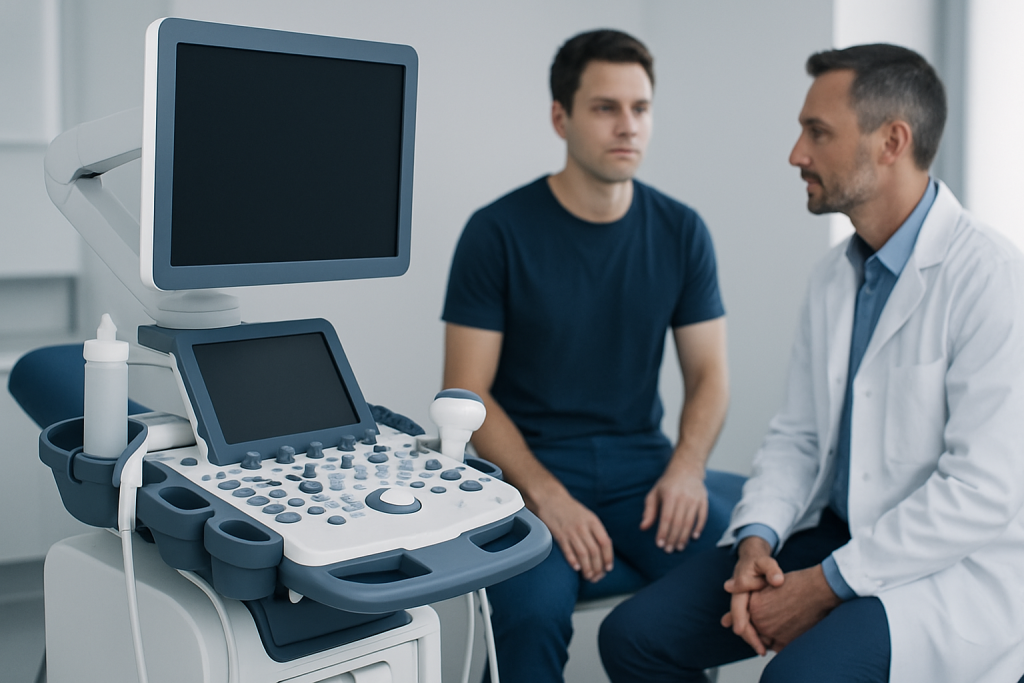
There is no medical symptom list for “small penis” in the everyday sense, because size alone is not necessarily a disease. Instead, men usually seek help because of one of three issues: concern about appearance, difficulty with sexual confidence, or a suspected physical abnormality. These concerns may exist even when erections, ejaculation, fertility, and urination are normal.
Some men describe distress that affects intimacy or self-esteem. Others notice that the penis appears shorter when the body is carrying more abdominal fat, when the penis is flaccid, or after aging-related changes in skin and elasticity. In these cases, the issue may be more about perception than true penile length.
Medical review is more important when there is pain, curvature, a history of trauma, trouble achieving erections, or a change in shape over time. These findings can point to conditions such as Peyronie’s disease, hormonally related underdevelopment, or scarring after injury or surgery. Those situations require diagnosis before any discussion of enlargement.
- Persistent distress about size or appearance
- Curvature, pain, or palpable lumps in the penis
- Difficulty getting or maintaining erections
- Changes after injury, surgery, or infection
- Questions about sexual function or urinary symptoms
Causes and Risk Factors

Perceived penis-size problems can arise from several different factors. Some are anatomical, some are hormonal or developmental, and many are psychological or situational. A man may believe he needs enlargement when the real issue is erectile quality, body fat distribution, or unrealistic expectations shaped by pornography and online advertising.
True medical causes are less common but important to identify. These can include congenital conditions that affect development, endocrine disorders, micropenis diagnosed in childhood or adulthood, or scarring conditions that shorten the visible shaft. Peyronie’s disease, in which fibrous plaques form in the penis, can cause bending and loss of length, making the penis appear and function differently.
Risk factors for dissatisfaction often include comparison-based anxiety, low self-esteem, relationship strain, and repeated exposure to marketing that exaggerates results. Men who are already vulnerable to performance anxiety may be especially drawn to unproven pills, pumps, or “natural” supplements that are not supported by solid evidence.
Diagnosis
Before any enlargement treatment is discussed, a clinician should confirm what is actually being treated. A urologist or men’s health specialist will usually ask about the concern, sexual function, urinary symptoms, medications, prior injuries, and how long the problem has been present. The goal is to separate cosmetic concerns from a possible medical condition.
Examination may include assessment of penile anatomy, stretched penile length, curvature, scarring, testicular development, and body habitus. In some cases, blood tests may be used to evaluate hormones, and imaging or other studies may be considered if there is Peyronie’s disease, an injury, or another structural concern. If erectile dysfunction is part of the picture, that condition may need treatment first because better erections can improve both function and appearance.
For patients traveling internationally, good diagnosis also includes practical planning: whether follow-up is needed, how complications would be handled after return home, and whether the treatment can be safely monitored across borders. A responsible medical team should explain these issues clearly before any procedure is chosen.
Treatment Options: What Works and What Doesn’t
The most important truth about penis enlargement is that results are usually modest, and many advertised methods do not live up to their claims. Some options may make a penis look slightly larger in certain situations, but few produce large, lasting changes in a healthy adult penis. That does not mean every treatment is useless; it means patients should know the difference between temporary appearance changes, selected medical interventions, and unsupported marketing.
What may help in selected cases: Penile traction devices can offer limited length improvement in some men when used consistently under medical guidance, particularly after surgery or in certain curvature conditions. Weight loss can also increase the visible length of the penis by reducing the fat pad above the pubic bone. In men with erectile dysfunction, treating erections may improve perceived size and sexual confidence. For carefully selected patients, surgical procedures may be considered, but they are not routine and should be approached with clear expectations.
What often disappoints or carries risk: Pills, supplements, oils, and “natural enhancers” rarely have credible evidence for permanent enlargement. Vacuum pumps may temporarily increase fullness but do not usually create lasting size gains. Injections of unapproved fillers or foreign substances can cause lumps, infection, distortion, and long-term complications. Some surgeries marketed as enlargement procedures can change appearance without improving function, and some can even reduce stability, sensation, or erection quality.
Commonly discussed medical approaches include:
- Traction therapy: May modestly increase length in specific settings when used correctly and consistently.
- Weight reduction: Can improve visible shaft length when a pubic fat pad hides part of the penis.
- Erectile dysfunction treatment: Can restore fuller erections and improve functional size perception.
- Surgery: Reserved for selected cases; benefits must be weighed carefully against complications.
- Fillers or injections: Require great caution and should only be considered by experienced specialists, if at all.
There is no universally effective, low-risk method that can dramatically enlarge a normal penis. That reality may be disappointing, but it is also protective. The best treatment is the one that preserves sexual function, avoids harm, and matches the patient’s real concern.
Prevention and Self-care
Self-care starts with reducing the pressure to “fix” what may already be within the normal range. Many men benefit from learning that penis size varies widely and that sexual satisfaction depends on more than length. Education alone can reduce anxiety and help someone make decisions based on health rather than fear or comparison.
Practical steps can improve both appearance and confidence. Maintaining a healthy weight can make the penis more visible. Quitting smoking, managing diabetes, and staying physically active support blood flow and erectile function. If erection quality is the main concern, improving sleep, lowering alcohol excess, and addressing stress may be more useful than any enlargement product.
It is also wise to be skeptical of online offers that promise guaranteed growth, secret methods, or instant results. Reputable care should include a clear explanation of likely benefits, limitations, side effects, and recovery time. Patients who are considering travel for treatment should ask how aftercare, follow-up, and complication management will work once they return home.
When to See a Doctor
A doctor’s opinion is useful when size concerns are causing distress, but it becomes especially important if the penis has changed shape, if erections are painful, or if curvature is progressing. These findings may signal a condition that can be treated more effectively when addressed early. A consultation is also appropriate when a man is considering a procedure advertised as enlargement, because not all providers use the same standards of safety.
Men should seek medical advice if they have erectile dysfunction, a history of pelvic or penile injury, unexplained genital pain, urinary symptoms, or concerns about hormone development. A urologist can explain whether the concern is a normal anatomical variation, a treatable medical issue, or a situation where no intervention is needed.
For international patients, a specialist team can help plan evaluation and treatment before travel and organize follow-up afterward. At Acibadem Health Point, multidisciplinary specialists and JCI-accredited hospitals diagnose and treat conditions related to male sexual health for international patients in a coordinated way, with safety and continuity of care in mind.
A Realistic Way to Think About Enlargement
The most useful question is not always “How can the penis be made larger?” It is often “What problem is actually causing concern, and what is the safest way to address it?” For some men, the answer is weight management, erectile dysfunction treatment, or reassurance. For a smaller group, it may be a carefully chosen medical or surgical approach after proper evaluation.
That balanced view protects both physical and emotional well-being. Penis enlargement is an area where marketing often moves faster than medicine, so a measured consultation is the best starting point. A qualified clinician can help set realistic expectations and guide the decision toward treatments that support function, confidence, and long-term safety.
Frequently asked questions
Is there a safe, guaranteed way to enlarge the penis permanently?
No method can guarantee permanent, dramatic enlargement with no risk. Some approaches may offer modest changes in selected cases, but many popular products do not work as advertised. A urologist can help identify what is realistic and safe for an individual situation.
Do pills or supplements help penis size?
Most pills and supplements marketed for enlargement do not have strong evidence behind them. Some may be ineffective, and others may be unsafe or interact with medications. It is better to discuss concerns with a qualified doctor before trying any product.
Can weight loss make the penis look bigger?
Yes, in men with excess fat over the pubic area, weight loss can reveal more of the visible shaft. This does not change the internal length of the penis, but it can improve appearance and confidence. It may also support erectile health.
What is penile traction therapy?
Penile traction therapy uses a device that gently stretches the penis over time. It may provide limited benefit in some medical settings, but it requires proper instruction and consistency. It should be used only under medical guidance.
Are surgeries for penis enlargement worth it?
Surgery may be considered in selected cases, but it is not a simple cosmetic fix. Results can be modest, and complications such as scarring, changes in sensation, or erectile problems are possible. A specialist should explain the risks and likely benefits in detail.
When should someone worry that the penis is truly abnormal?
A medical review is appropriate if there is pain, curvature, a new lump, injury, trouble with erections, or changes in shape over time. Concerns about development or hormones also deserve assessment. A doctor can determine whether the finding is a normal variation or a treatable condition.
References
- American Urological Association
- Mayo Clinic
- Cleveland Clinic
- National Health Service
- World Health Organization
This article is for general information only and is not a substitute for professional medical advice. Please consult a qualified doctor about your individual situation.
More from the Health Library

Plastic Surgery Recovery From Home: What Follow-Up Looks Like After You Leave Turkey

What a Plastic Surgery Quote Usually Includes—and What Can Add to the Final Cost