Pacifiers

Key Takeaways
- Pacifiers may help some babies settle, nap, or cope with brief discomfort.
- Safe use depends on age, hygiene, and avoiding prolonged or unsupervised use when not needed.
- Pacifier habits can sometimes affect teeth or speech if they continue for too long.
- A pediatrician can help families decide when to start, continue, or stop pacifier use.
- Cleaning and choosing an age-appropriate design are simple ways to reduce avoidable risks.
Medically reviewed by the Acıbadem clinical team — August 19, 2026
Pacifiers can be a helpful soothing tool in infancy when used thoughtfully. This article explains their possible benefits, common concerns, and practical steps parents can take to use them safely.
Overview
Pacifiers are one of the simplest tools in infant care, yet they can raise a surprising number of questions. Parents often want to know whether pacifiers are helpful, whether they interfere with breastfeeding, and how long they should be used. The answer depends less on the object itself and more on how, when, and for how long it is used.
A pacifier works by satisfying a baby’s natural suckling reflex. For many infants, that reflex is calming on its own, which is why a pacifier may help during bedtime, short periods of fussiness, or stressful moments such as travel, vaccinations, or unfamiliar surroundings. For families moving between countries or caring for a baby while far from home, a familiar pacifier can also provide comfort during routine disruption.
At the same time, pacifiers are not meant to replace feeding, soothing through contact, or medical attention when a baby is unwell. They are best viewed as one part of a broader infant-care approach that includes safe sleep, feeding support, and close observation of the baby’s cues.
Symptoms and Signs of a Helpful or Unhelpful Pacifier Habit
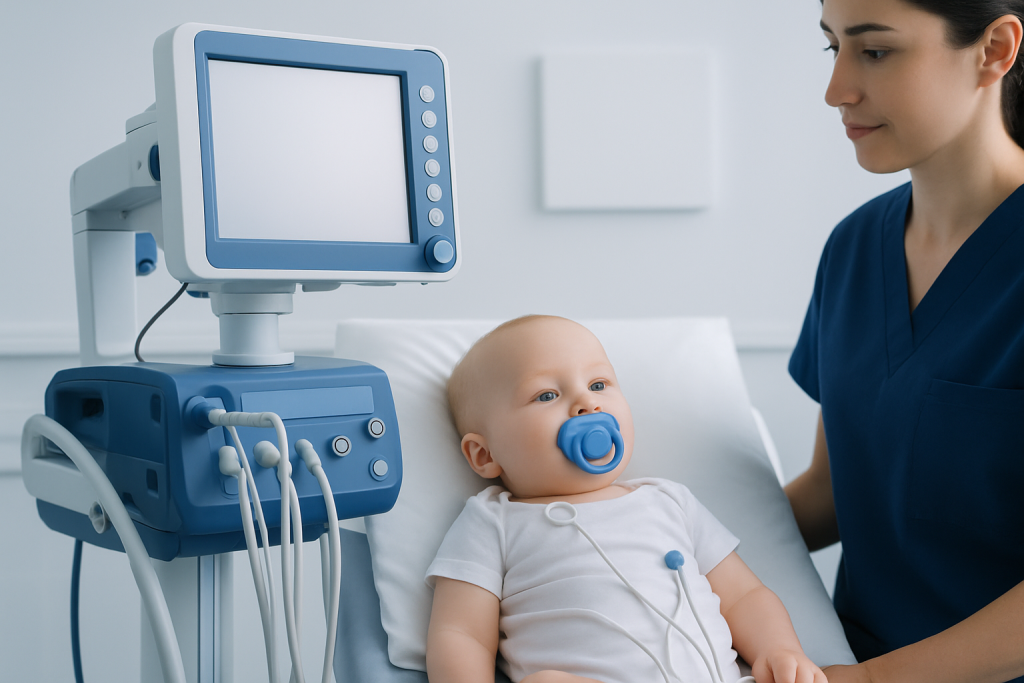
There are no symptoms in the medical sense, but there are signs that a pacifier is serving its purpose well or becoming less helpful. A pacifier may be doing its job if the baby settles briefly, falls asleep more easily, or uses it only at specific times rather than constantly. In those situations, the habit is usually limited and easier to manage.
Concern tends to arise when the pacifier becomes the only way a baby can fall asleep or calm down, or when it is used so often that caregivers notice feeding delays, ongoing mouth irritation, or trouble weaning later on. A pacifier that is cracked, sticky, discolored, or shows signs of wear should be replaced promptly.
Parents should also pay attention to overall behavior. If a baby seems unusually fussy, has poor feeding, fever, vomiting, breathing changes, or difficulty waking, the pacifier is not the issue itself; those signs deserve medical assessment.
Causes & Risk Factors

Babies have a natural sucking reflex, and pacifiers simply give that reflex a safe outlet. This is why some infants appear to seek them more than others. Temperament, age, feeding patterns, and daily routine can all influence how strongly a baby relies on a pacifier.
Some babies use a pacifier more during transitions, in noisy environments, or when they are overtired. Others may turn to it after feeding, especially if they still want to suck for comfort rather than hunger. Families under stress may also notice that pacifiers become more important during travel, illness recovery, or changes in caregiver schedule.
Risk factors for problems are usually related to prolonged use rather than the pacifier itself. These include continuing use into later toddlerhood, using a damaged pacifier, dipping it in sweet substances, sharing it between children, or using it in place of feeding when hunger is present. In breastfed infants, very early pacifier introduction may sometimes complicate feeding establishment, so timing is worth discussing with a pediatrician or lactation specialist.
Diagnosis and Assessment
Pacifier use does not require a diagnosis, but families sometimes ask for an assessment when they are unsure whether the habit is normal. In that setting, a pediatrician will usually look at the baby’s age, feeding pattern, sleep pattern, oral development, and any concerns about ear infections, weight gain, or dentition.
The discussion is often practical rather than formal. How often is the pacifier used? Can the baby fall asleep without it? Is feeding going well? Are there signs of mouth irritation or tooth alignment changes? These questions help determine whether the pacifier is still serving a reasonable purpose or whether it has started to dominate daily soothing.
If there are concerns about delayed speech, persistent mouth breathing, jaw alignment, or tooth changes in an older child, the pediatrician may recommend a dental or speech-related evaluation. Most of the time, reassurance and a gradual plan are enough.
Treatment Options
Pacifier use does not usually need treatment, but it may need adjustment. If the pacifier is causing problems, the solution is typically behavioral and developmental rather than medical. The main goal is to keep the comfort it offers while reducing unnecessary dependence or risk.
For younger babies, treatment can mean choosing the right size, limiting use to sleep or specific soothing moments, and replacing worn pacifiers. For older infants and toddlers, it may mean gradually shortening daily use, offering other forms of comfort such as a blanket for a supervised awake period, cuddling, or a consistent bedtime routine.
- Choose one-piece, age-appropriate pacifiers that meet safety standards.
- Replace damaged or worn pacifiers promptly.
- Clean pacifiers regularly according to manufacturer instructions.
- Avoid attaching pacifiers with long strings, cords, or unsafe clips.
- Discuss weaning strategies if the child is relying on it beyond the expected age range.
Families sometimes ask whether they should stop abruptly or slowly. Both approaches can work, but gradual reduction is often easier for children who are strongly attached. A pediatrician or dentist can help shape the plan if the child resists change.
Prevention and Self-care
Good pacifier care begins with choosing a product that is simple, intact, and meant for the baby’s age. Parents should avoid homemade modifications, sugary coatings, or repeated use of a pacifier that has split, torn, or become sticky. Keeping extra clean pacifiers available can help reduce last-minute improvisation.
Hygiene matters because pacifiers spend a lot of time in a baby’s mouth and may fall onto floors, into strollers, or onto shared surfaces. Regular washing and proper storage reduce avoidable exposure to germs. If a pacifier drops outdoors or is contaminated, it should be cleaned before reuse or replaced if needed.
Self-care for parents also plays a role. It is easier to use pacifiers thoughtfully when caregivers have a plan: when to offer it, when to try another soothing method, and when to avoid using it as the first response to every cry. In international travel, keeping a spare pacifier in hand luggage and one in the diaper bag can reduce stress during long transfers or delayed flights.
As children grow, the goal shifts from soothing to weaning. Gentle consistency, clear routines, and praise for non-pacifier comfort strategies can make that transition smoother.
When to See a Doctor
Parents should seek medical advice if the baby is not feeding well, is having repeated trouble settling, or seems to need a pacifier constantly but still cannot relax. A pediatric review is also sensible if there are concerns about tongue, lip, jaw, or tooth development, or if the child is older and the pacifier habit has become hard to reduce.
Medical guidance is especially important if a baby has fever, ear pain, breathing difficulty, vomiting, signs of dehydration, or unusual sleepiness. Those symptoms are not explained by pacifier use and may point to an illness that needs assessment.
If the family is preparing for an international trip, or if care is being coordinated between home and abroad, it can be useful to speak with a pediatric team before travel. That way, parents can confirm feeding, sleep, and soothing plans and know where to seek help if something changes while away from home.
Acibadem Health Point’s multidisciplinary specialists and JCI-accredited hospitals support international families in diagnosing and treating pediatric concerns, including questions about infant soothing and oral development, in a coordinated and reassuring way.
Frequently asked questions
Are pacifiers safe for newborns?
Pacifiers can be safe for many newborns when used appropriately and when feeding is established. If a baby is having trouble breastfeeding or is premature, a pediatrician may suggest waiting or using them more selectively.
Can a pacifier affect breastfeeding?
It may, especially if introduced too early or used in place of feeding cues. Many families do well with pacifiers, but timing and feeding support should be individualized.
How often should a pacifier be cleaned?
It should be cleaned regularly and whenever it falls onto an unclean surface. Parents should follow the manufacturer’s instructions and replace it if it becomes worn or damaged.
At what age should a child stop using a pacifier?
There is no single age for every child, but prolonged use into later toddler years can increase the chance of dental or speech-related concerns. A pediatrician or dentist can help decide on a good weaning timeline.
Can pacifiers prevent sudden infant death syndrome?
Some studies have linked pacifier use during sleep with a lower risk of sudden infant death syndrome, but parents should still follow all safe sleep practices. A pacifier is only one part of a broader safe sleep routine.
What if my child refuses to sleep without a pacifier?
That is common and usually manageable. A gradual bedtime routine, consistent limits, and alternative soothing methods can help, and a pediatrician can offer age-appropriate strategies if needed.
References
- American Academy of Pediatrics
- NHS
- Mayo Clinic
- World Health Organization
This article is for general information only and is not a substitute for professional medical advice. Please consult a qualified doctor about your individual situation.
Explore treatments in Turkey — costs, top hospitals & a free quote
JCI-accredited · board-certified surgeons · reply within 24h
Add us as a Preferred Source to see more of our trusted health content across Google Search, AI Overviews and Discover.