Ovulation Symptoms

Key Takeaways
- Ovulation often happens about midway through the menstrual cycle, but timing can shift from month to month.
- Common signs may include mild one-sided pelvic pain, clearer cervical mucus, breast tenderness, and a brief rise in body temperature afterward.
- Not everyone experiences ovulation symptoms, and their presence does not guarantee that ovulation has occurred.
- Tracking symptoms over time can help with family planning, cycle awareness, or identifying irregular patterns.
- A doctor should be consulted if pelvic pain is severe, cycles are highly irregular, or ovulation seems absent for several months.
Ovulation symptoms can vary from person to person and may be subtle, noticeable, or absent altogether. Understanding common signs can help a person recognize their fertile window and know when changes deserve medical attention.
Overview
Ovulation is the point in the menstrual cycle when an ovary releases an egg. For some people, this process comes with clear body signals; for others, it passes without much notice. The same person may also notice different symptoms from one cycle to the next.
These changes are often linked to shifting hormone levels, especially estrogen and luteinizing hormone. They can be useful clues for people trying to understand cycle patterns, plan conception, or simply learn what is normal for their own body.
It helps to think of ovulation symptoms as patterns rather than proof. A symptom may suggest that ovulation is approaching or may have just occurred, but only a medical assessment or fertility tracking method can provide more certainty when needed.
Common Symptoms
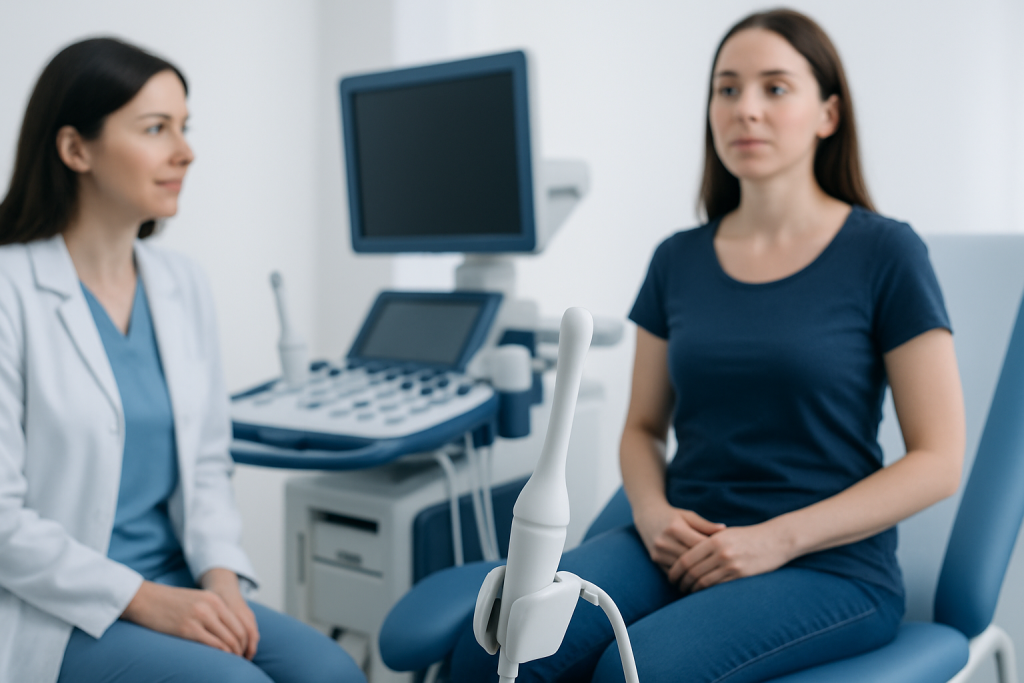
Ovulation symptoms are usually mild and temporary. One of the most familiar is a one-sided ache or twinge in the lower abdomen, sometimes called ovulation pain or midcycle pain. It may last minutes, hours, or a day or two, and it often changes sides from cycle to cycle.
Another common change is cervical mucus becoming clearer, stretchier, and more slippery, sometimes compared with raw egg white. This texture can help sperm move more easily through the reproductive tract, which is why it often appears during the most fertile part of the cycle.
Other possible signs include:
- Breast tenderness or fullness
- A mild rise in sex drive
- Light spotting
- Bloating
- A slight increase in basal body temperature after ovulation
Some people also notice a heightened sense of smell or subtle mood changes. None of these symptoms are specific enough on their own to confirm ovulation, but together they may form a recognizable monthly pattern.
How Timing Works

In many cycles, ovulation occurs about 14 days before the next menstrual period begins rather than on a fixed calendar day. This means that the exact timing depends on the length and regularity of the cycle. For someone with a shorter or longer cycle, the fertile window may appear earlier or later than expected.
The fertile window includes the days leading up to ovulation and the day of ovulation itself. Sperm can survive in the reproductive tract for several days, while the egg usually survives for a much shorter time after release. That is why subtle changes in cervical mucus or ovulation pain may matter when a person is trying to conceive.
Because timing can vary, a single symptom is less helpful than a repeated pattern. Some people combine symptom tracking with ovulation predictor kits or basal body temperature charts to build a clearer picture, especially when cycles are irregular.
Causes & Risk Factors for Noticing Strong Symptoms
Ovulation symptoms are caused by normal hormonal shifts. As estrogen rises, cervical mucus often changes and the body may feel a little different. When the luteinizing hormone surge triggers egg release, some people may feel a brief cramp or pressure on one side.
Certain factors can make ovulation symptoms easier or harder to notice. People who are particularly aware of their cycles, those who track fertility closely, and those with regular monthly patterns may recognize changes more easily. On the other hand, if a person has very light symptoms or irregular cycles, ovulation may be happening without any obvious clues.
Conditions that can affect ovulation itself, rather than just the symptoms, include:
- Polycystic ovary syndrome (PCOS)
- Thyroid disorders
- High stress levels
- Significant weight changes
- Excessive exercise
- Perimenopause
These factors may disrupt hormone balance and cycle timing, which is one reason persistent changes are worth discussing with a clinician.
Diagnosis and Tracking
There is no single symptom that proves ovulation has happened. In everyday care, diagnosis is often about pattern recognition supported by tracking. A person may note cervical mucus changes, abdominal discomfort, menstrual dates, and temperature readings over several cycles to see whether a regular pattern emerges.
When more certainty is needed, clinicians may recommend ovulation predictor kits that detect the luteinizing hormone surge, blood tests for hormone levels, or ultrasound monitoring in fertility settings. These approaches can be especially helpful when cycles are irregular, conception is taking longer than expected, or a person wants a clearer picture before starting treatment.
For international patients arranging care from another country, it can be useful to bring a simple cycle diary, list of medications or supplements, and the date of the last menstrual period. That record helps a specialist interpret symptoms efficiently and decide which tests, if any, are appropriate.
Treatment Options
Ovulation symptoms themselves usually do not need treatment because they are part of a normal cycle. If the discomfort is mild, reassurance, rest, hydration, and warmth to the lower abdomen may be enough to make the day easier.
If symptoms are bothersome or if ovulation is irregular, treatment focuses on the underlying cause rather than the symptom alone. Depending on the situation, a doctor may evaluate hormonal conditions, recommend cycle monitoring, or discuss fertility treatment options when pregnancy is the goal.
In some cases, management may involve addressing thyroid problems, PCOS, or other endocrine issues. For people trying to conceive, ovulation tracking, timed intercourse guidance, and fertility workup can be part of care. The most appropriate option depends on age, cycle history, and overall reproductive health.
Prevention & Self-care
It is not always possible to prevent ovulation symptoms, since they are tied to normal hormonal activity. Even so, a few habits can make cycles easier to understand and symptoms more manageable.
Keeping a cycle calendar or using a period-tracking app may help identify when ovulation typically occurs. Over time, this can reduce guesswork and make it easier to separate normal monthly changes from new or unusual symptoms.
Self-care strategies may include:
- Applying gentle heat for pelvic discomfort
- Getting enough rest during more symptomatic days
- Staying hydrated
- Maintaining steady nutrition and regular physical activity
- Noting changes in discharge, pain, or temperature
For people traveling abroad for fertility or gynecology consultations, organizing these observations before the trip can make the appointment more productive and reduce the need for repeated visits.
When to See a Doctor
Ovulation symptoms are usually mild, but medical evaluation is sensible when the pattern changes or becomes difficult to interpret. A clinician can help determine whether the body is ovulating regularly and whether another condition may be affecting the cycle.
It is especially important to seek advice if pelvic pain is severe, lasts longer than expected, or is accompanied by fever, nausea, heavy bleeding, or pain during intercourse. A doctor should also be consulted if periods are consistently absent, very irregular, or if pregnancy has not occurred after a reasonable period of trying, depending on age and individual circumstances.
Anyone who suspects hormone imbalance, PCOS, thyroid disease, or perimenopause may benefit from a focused evaluation. For international patients, a coordinated visit with gynecology and fertility specialists can bring the testing and follow-up into one organized plan. At Acibadem Health Point, multidisciplinary specialists and JCI-accredited hospitals diagnose and treat this condition for international patients.
Frequently asked questions
What are the most common ovulation symptoms?
The most commonly noticed signs are mild one-sided pelvic pain, clear and stretchy cervical mucus, breast tenderness, and sometimes a small rise in basal body temperature after ovulation. Some people also notice bloating or a brief increase in libido. Symptoms vary widely, and some people feel nothing at all.
Does ovulation pain mean a person is fertile right now?
Ovulation pain can happen around the time an egg is released, but it does not guarantee fertility on its own. Fertile timing is usually best judged by combining symptoms with cycle dates, cervical mucus changes, or ovulation testing. If conception is the goal, several signs together are more informative than one symptom alone.
Can ovulation happen without symptoms?
Yes. Many people ovulate without any obvious physical signs. This is one reason symptom tracking alone may not be enough when someone wants to confirm ovulation or investigate irregular cycles.
How long do ovulation symptoms last?
They are often brief, sometimes lasting only a day or two around midcycle. Cervical mucus changes may be noticed over several days, while basal body temperature shifts usually appear after ovulation rather than during it. If symptoms last much longer, another cause should be considered.
When should irregular ovulation symptoms be checked by a doctor?
A doctor should be consulted if cycles are very unpredictable, periods stop, or ovulation symptoms become painful, frequent, or unusual. It is also sensible to seek care if there is concern about PCOS, thyroid problems, or difficulty conceiving. A clinician can help identify whether ovulation is occurring regularly.
Can stress affect ovulation symptoms?
Yes. Stress can influence hormone patterns and may change the timing of ovulation or make cycles less predictable. Some people notice fewer symptoms, while others notice more irregularity, so it can be useful to track changes over several months.
References
- Office on Women's Health
- American College of Obstetricians and Gynecologists
- Mayo Clinic
- Cleveland Clinic
This article is for general information only and is not a substitute for professional medical advice. Please consult a qualified doctor about your individual situation.