Lymphadenopathy: Symptoms, Causes and Treatment
Key Takeaways
- Lymphadenopathy means enlarged lymph nodes and is a sign, not a diagnosis.
- Common causes include viral or bacterial infections, inflammatory conditions, and less often cancer.
- The pattern, location, tenderness, and duration of swelling help guide evaluation.
- Testing may include a physical exam, blood work, imaging, and sometimes a biopsy.
- Many cases improve on their own, but persistent or unexplained swelling should be checked by a clinician.
Medically reviewed by the Acıbadem clinical team — August 19, 2026
Lymphadenopathy refers to swollen or enlarged lymph nodes, which usually signal that the immune system is responding to infection, inflammation, or another trigger. In many cases it is temporary, but persistent, painful, or unexplained swelling deserves medical assessment.
Overview
Lymph nodes are small, bean-shaped structures that help the body filter harmful substances and support immune defense. They are found throughout the neck, armpits, chest, abdomen, and groin. When these nodes become enlarged, the finding is called lymphadenopathy.
Lymphadenopathy is not a disease by itself. It is a physical sign that can appear with a common cold, a throat infection, an autoimmune condition, medication reactions, or more serious illnesses. The meaning depends on the broader clinical picture, including where the nodes are enlarged and how long the change has been present.
For people deciding about care, especially those traveling from another country, the practical question is often whether swelling can wait, needs simple follow-up, or should be evaluated more urgently. A careful medical review helps separate short-lived immune reactions from lymph node enlargement that needs investigation.
Symptoms
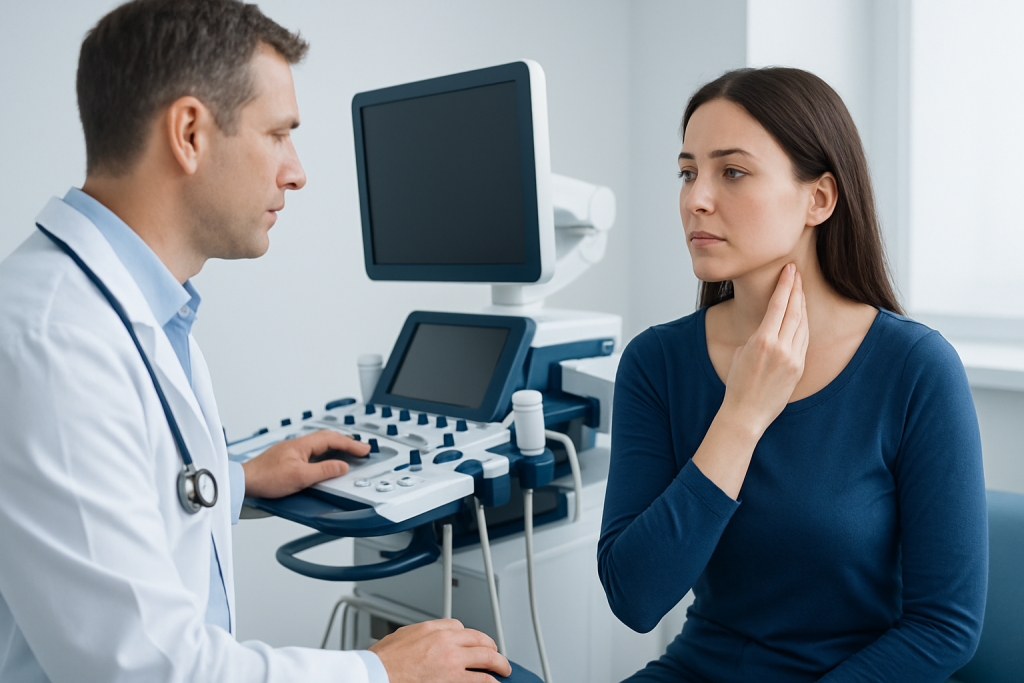
Many people first notice a lump under the skin, often in the neck, under the jaw, in the armpit, or in the groin. Enlarged nodes may be soft or firm, movable or fixed, and may be tender or painless. Some people feel several nodes at once, while others notice only one area of swelling.
Symptoms often reflect the underlying cause rather than the lymph nodes themselves. A viral illness may bring fever, sore throat, runny nose, or fatigue. A skin infection near the affected area may cause redness or warmth. When lymphadenopathy is linked to inflammatory or malignant conditions, there may be more persistent symptoms such as unexplained weight loss, night sweats, prolonged fever, or ongoing tiredness.
Location also matters. Neck nodes often enlarge with infections of the throat, ears, teeth, or upper respiratory tract. Armpit nodes can react to arm or breast infections and sometimes require breast evaluation. Groin nodes may enlarge with infections or irritation affecting the legs, feet, or genital area.
Causes & Risk Factors
The most common cause of lymphadenopathy is infection. Viral illnesses such as colds, influenza, and glandular fever can cause temporary swelling. Bacterial infections, including those affecting the throat, teeth, skin, or lymphatic tissue, may do the same. In some regions, infections such as tuberculosis or certain parasitic illnesses may also be relevant.
Non-infectious causes include autoimmune diseases such as lupus or rheumatoid arthritis, inflammatory skin conditions, medication reactions, and storage or immune disorders. Less commonly, lymph node enlargement can be associated with cancers of the lymphatic system, blood, or nearby organs.
Risk depends on context. Recent illness, exposure to infection, dental problems, skin wounds, travel history, immune suppression, and age all influence the likelihood of different causes. Persistent, hard, fixed, or generalized swelling across multiple regions may prompt a more detailed evaluation.
Diagnosis
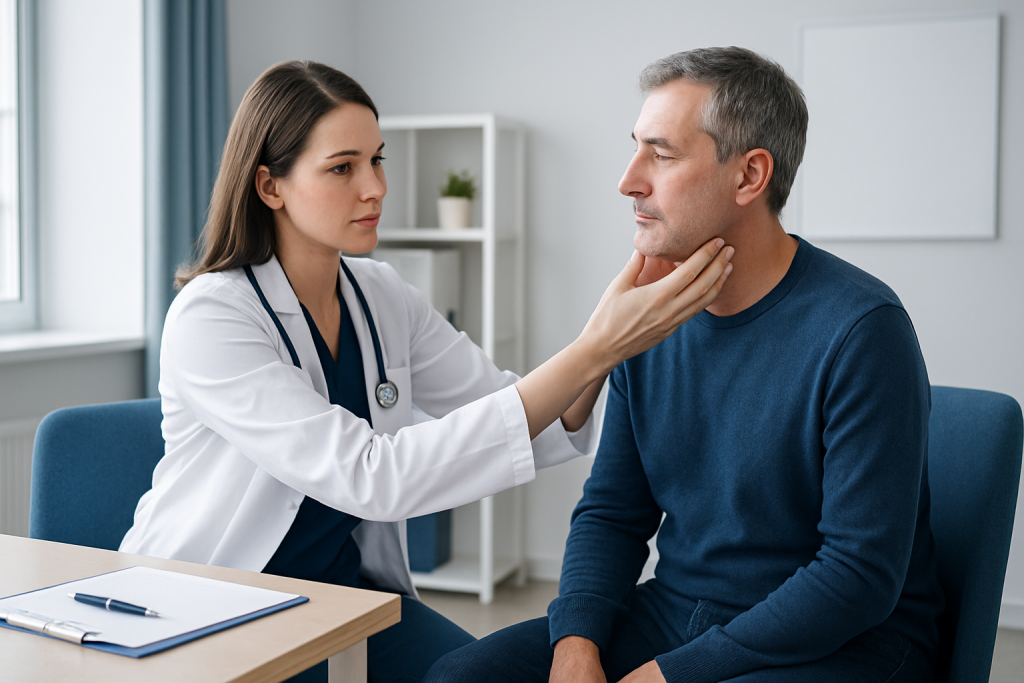
Diagnosis begins with a focused history and physical examination. A clinician will usually ask how long the swelling has been present, whether it is painful, whether it is changing, and whether there are other symptoms such as fever, rash, sore throat, cough, weight loss, or night sweats. The location and texture of the nodes help narrow the possibilities.
Depending on the findings, tests may include blood work to look for infection, inflammation, or blood-related disorders. Imaging such as ultrasound, chest X-ray, CT, or MRI may be used to examine the nodes and nearby structures in more detail. In some cases, the most informative next step is a biopsy, which involves taking a small sample of the lymph node for microscopic analysis.
People seeking care while abroad often benefit from bringing any prior test results, medication lists, and a timeline of symptoms. That background can help the medical team avoid repeating unnecessary tests and move more quickly toward an explanation.
Treatment Options
Treatment depends entirely on the cause. If lymphadenopathy is due to a viral infection, the nodes often settle as the illness resolves and no specific treatment may be needed beyond rest, fluids, and symptom relief. Bacterial infections may require antibiotic treatment chosen by a clinician after assessment.
When lymph node swelling is linked to an autoimmune or inflammatory disorder, treatment focuses on controlling the underlying condition. If medication is the trigger, a clinician may review whether an alternative is appropriate. When cancer is suspected or confirmed, treatment may involve oncology care such as surgery, chemotherapy, radiotherapy, targeted therapy, or immunotherapy depending on the diagnosis.
It is usually best not to self-treat persistent lymphadenopathy with repeated antibiotics or home remedies alone. The right plan depends on identifying the cause, and that often requires a structured medical evaluation rather than guesswork.
Prevention & Self-care
Not all lymphadenopathy can be prevented, because the immune system naturally enlarges nodes in response to many common illnesses. Still, basic preventive measures reduce the chance of infection-related swelling. These include good hand hygiene, dental care, proper wound cleaning, and staying up to date with recommended vaccinations where appropriate.
If a node is tender after a recent infection, simple self-care can include rest, hydration, and monitoring for change over time. It is reasonable to note the size, location, and whether the swelling is improving. Avoid repeatedly pressing or massaging the area, since that can make it more irritated and harder to judge accurately.
For international patients, keeping a brief symptom diary can be especially useful during travel or after returning home. Recording fever patterns, new symptoms, and any previous evaluations helps later follow-up feel more organized and less stressful.
- Maintain oral and skin health to reduce common infection sources.
- Seek prompt care for enlarging, persistent, or unexplained swelling.
- Keep track of recent infections, medications, and travel exposures.
- Do not delay evaluation if swelling is accompanied by systemic symptoms.
When to See a Doctor
Medical assessment is advisable if lymphadenopathy lasts longer than a few weeks, is steadily enlarging, or appears without a clear reason. A doctor should also be consulted if the nodes are hard, fixed in place, unusually large, or located above the collarbone, since these patterns may need closer review.
Prompt evaluation is important when swelling occurs with persistent fever, unexplained weight loss, night sweats, breathing difficulty, swallowing problems, severe fatigue, or signs of a spreading infection such as redness, warmth, or significant pain. In children, evaluation is also sensible when nodes remain enlarged after a routine infection seems to have cleared.
For people who are arranging care from abroad, lymphadenopathy is often managed efficiently when the medical team has access to prior records and a clear symptom history. Acibadem Health Point’s multidisciplinary specialists and JCI-accredited hospitals can diagnose and treat this condition for international patients, with care plans tailored to the likely cause and the need for follow-up after travel.
Living With the Diagnosis
Most people feel relieved once the cause of lymphadenopathy is identified, even when the answer is simple and temporary. The main challenge is uncertainty, especially when swelling is noticed far from home or during a busy period of travel. A clear diagnosis helps patients decide whether observation, treatment, or further testing is the right next step.
Follow-up matters because lymph nodes can change slowly. If a clinician recommends watchful waiting, it is helpful to keep the planned review appointment and return sooner if new symptoms appear. If treatment is prescribed, finishing the recommended course and reporting incomplete improvement gives the care team a better chance of adjusting the plan safely.
With careful assessment, lymphadenopathy can usually be approached in a calm, stepwise way. The aim is not to alarm, but to understand what the immune system is signaling and respond in the most appropriate way.
Frequently asked questions
What does lymphadenopathy mean?
Lymphadenopathy means that one or more lymph nodes are enlarged. It is a clinical sign rather than a diagnosis, so the underlying cause still needs to be identified. Common triggers include infections, inflammation, and sometimes more serious conditions.
Are swollen lymph nodes always a sign of something serious?
No. Swollen lymph nodes are very often a normal response to a recent infection or minor inflammation. The chance of a serious cause becomes more important when swelling is persistent, unexplained, hard, fixed, or associated with systemic symptoms.
How long can lymph nodes stay swollen after an infection?
They may remain enlarged for a while even after the main illness improves. The exact duration varies, but persistent swelling should be checked if it is not clearly getting better or if it lasts beyond the period a clinician expects for recovery. A medical review is especially sensible if the swelling changes or new symptoms appear.
What tests are used to evaluate lymphadenopathy?
A clinician may start with an examination and then order blood tests or imaging if needed. In some situations, a biopsy is the best way to determine the cause. The choice of tests depends on the node location, duration, and associated symptoms.
Can lymphadenopathy go away on its own?
Yes, especially when it is related to a short-term infection. If the cause is more complex, treatment of the underlying condition may be needed before the nodes improve. Ongoing or unexplained swelling should not be ignored.
When should someone seek urgent care?
Urgent assessment is appropriate if swollen nodes come with trouble breathing, trouble swallowing, severe redness or pain, or a rapidly worsening illness. Medical advice is also important when swelling is paired with fever that does not settle, unexplained weight loss, or night sweats. These symptoms do not always mean something serious, but they do warrant prompt attention.
References
- Merck Manual Professional Edition
- Mayo Clinic
- National Cancer Institute
- Cleveland Clinic
- MedlinePlus
This article is for general information only and is not a substitute for professional medical advice. Please consult a qualified doctor about your individual situation.
Explore treatments in Turkey — costs, top hospitals & a free quote
JCI-accredited · board-certified surgeons · reply within 24h
Add us as a Preferred Source to see more of our trusted health content across Google Search, AI Overviews and Discover.