Lump Behind Ear

Key Takeaways
- A lump behind the ear is often related to infection, inflammation, or a benign skin or cystic change.
- Pain, redness, fever, drainage, or hearing-related symptoms can provide clues about the cause.
- Most cases are diagnosed with a physical examination, and imaging or blood tests are used when needed.
- Treatment depends on the underlying reason and may include observation, medication, or minor procedures.
- A lump that grows, feels hard and fixed, or persists should be evaluated by a doctor.
A lump behind the ear is often caused by a harmless or temporary issue such as a swollen lymph node, cyst, or skin irritation. Understanding the appearance of the lump, accompanying symptoms, and how long it has been present can help guide the next steps.
Overview
A lump behind the ear can be unsettling because it is easy to notice but difficult to interpret. In many people, the finding turns out to be something minor, such as a swollen lymph node responding to a recent infection, a small skin cyst, or localized inflammation.
The area behind the ear contains lymph nodes, skin glands, soft tissue, and nearby structures from the ear and scalp. Because so many tissues meet in a small space, several different conditions can create a similar-looking bump. The meaning of the lump usually depends on its size, texture, tenderness, whether it moves under the skin, and how quickly it appeared.
For international patients, a practical first step is to notice the pattern rather than panic about the lump itself. A doctor can often narrow the cause by asking about recent colds, ear symptoms, skin breakouts, scalp irritation, injuries, or a history of cysts.
Symptoms
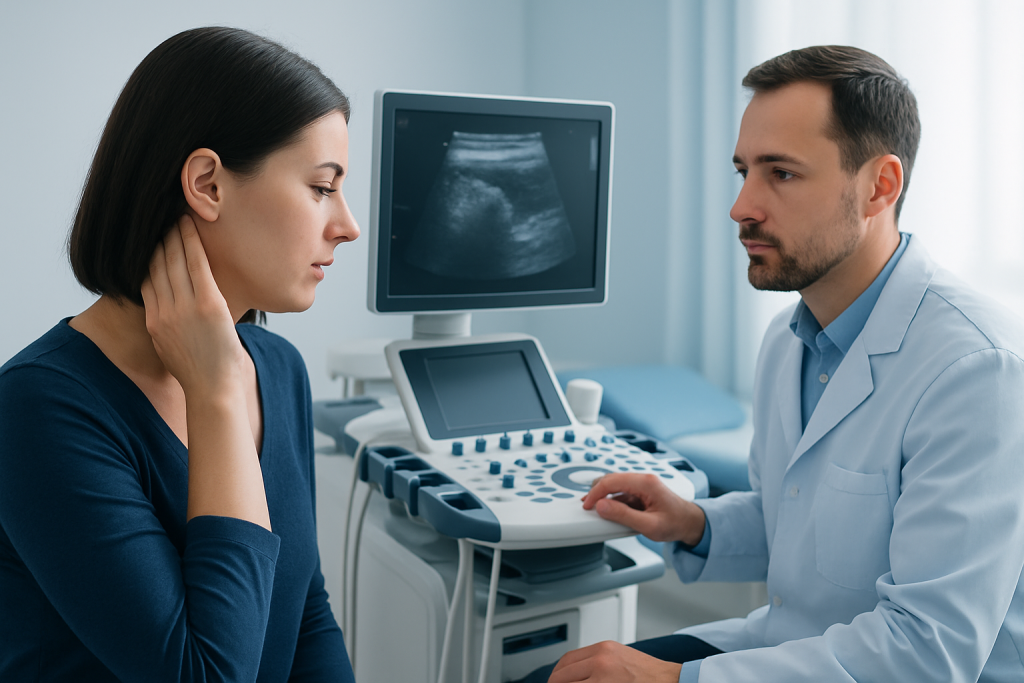
The lump itself may be soft, firm, tender, or painless. Some people notice it while combing hair, washing the area, or resting their head on a pillow, while others only discover it incidentally during a routine self-check.
Symptoms that travel with the lump can be just as informative. A swollen lymph node may follow a throat infection, ear infection, dental issue, or scalp irritation. A cyst or skin-related lump may be more noticeable on the surface, occasionally with a central pore or intermittent drainage.
- Tenderness or pain when touched
- Redness or warmth of the skin
- Fever or feeling unwell
- Ear pain, hearing changes, or discharge
- Scalp rash, dandruff-like irritation, or a recent cut
- Growth over time or a fixed, hard feel
Some lumps cause no discomfort at all. Even then, changes in size, shape, or firmness are useful details to share with a clinician.
Causes & Risk Factors

One of the most common explanations is a reactive lymph node. Lymph nodes behind the ear may enlarge when they are responding to infections or inflammation in the ear, scalp, throat, or nearby skin. In these cases, the node is often mildly tender and may shrink as the trigger settles.
Other causes include epidermoid cysts, sebaceous cysts, lipomas, inflamed hair follicles, insect bites, and skin infections. Less commonly, lumps may relate to mastoid bone infections, salivary gland issues, or enlarged nodes from more serious conditions that require medical attention and follow-up.
Risk factors depend on the cause rather than the location alone. Recent upper respiratory infections, ear infections, skin picking, acne, eczema, scalp infections, and trauma can all increase the chance of a temporary swelling. A history of repeated cysts or chronic skin inflammation may also make a person more likely to notice recurrent lumps in this area.
Diagnosis
Diagnosis usually starts with a detailed history and a careful physical examination. A doctor will typically ask when the lump first appeared, whether it has changed, and whether there have been recent infections, skin issues, fever, or pain in the ear, scalp, or throat.
During the exam, the clinician may assess the lump’s size, mobility, texture, and tenderness, and may also look at the ear canal, eardrum, scalp, mouth, and neck. These steps often reveal whether the lump is likely a lymph node, cyst, or another type of tissue swelling.
If the cause is not clear, additional tests may be recommended. Ultrasound is commonly useful for distinguishing a fluid-filled cyst from a solid node or mass. Depending on the situation, blood tests, culture swabs, or specialist evaluation may be needed. In selected cases, a biopsy may be advised to clarify the diagnosis.
Treatment Options
Treatment depends entirely on the underlying cause. A reactive lymph node from a minor infection often improves on its own once the infection or irritation resolves. In these situations, observation and follow-up may be all that is needed.
If the cause is bacterial, a doctor may prescribe medication to treat the infection. Skin cysts that become bothersome or repeatedly inflamed may be managed with minor procedures, drainage, or surgical removal. When a lump is related to a chronic skin condition, treatment may also focus on controlling that condition to prevent recurrence.
More complicated findings, such as a persistent or suspicious mass, are managed in a stepwise way that may involve imaging, specialist review, and tissue sampling. For patients traveling from abroad, this process is often coordinated so that diagnosis, treatment planning, and early follow-up can be completed during the same visit whenever appropriate.
Prevention & Self-care
Not every lump behind the ear can be prevented, but some can be reduced by limiting common triggers. Good scalp and skin care, prompt treatment of ear or throat infections, and avoiding repeated scratching or picking can lower the chance of reactive swelling and inflamed cysts.
Simple self-care can be helpful while waiting for an evaluation. A person can avoid squeezing the lump, keep the skin clean, and watch for changes in size, color, and tenderness. If there is ear pain, discharge, fever, or a recent infection, recording the timing of those symptoms can help a doctor make the connection more quickly.
- Do not press, squeeze, or try to drain the lump at home
- Maintain gentle cleaning of the scalp and surrounding skin
- Seek care for ear infections, skin infections, or persistent rashes
- Track whether the lump is growing, shrinking, or changing texture
When care is received away from home, a simple symptom timeline and any previous medical records can be especially useful for follow-up planning.
When to See a Doctor
A lump behind the ear should be checked if it lasts longer than a few weeks, grows, becomes hard or fixed, or is accompanied by ongoing pain. Medical review is also important when the cause is not obvious or the person is unsure whether the bump is changing.
Prompt evaluation is sensible if the lump comes with fever, redness, drainage, ear symptoms, difficulty swallowing, weight loss, night sweats, or swelling in other parts of the neck. These features do not automatically mean something serious, but they do help a doctor decide whether more testing is needed.
Children, older adults, and people with weakened immune systems may need earlier assessment because infections and other conditions can behave differently in these groups. If a lump appears after travel, a recent infection, or a skin lesion that is not healing, a clinician can help determine whether observation or treatment is the safer path.
Acibadem Health Point’s multidisciplinary specialists and JCI-accredited hospitals support international patients with diagnosis and treatment when a lump behind the ear needs further evaluation.
Living With the Condition
Most people do best when they monitor the lump calmly rather than repeatedly checking it throughout the day. Over-handling the area can make it sore and can create the impression that it is changing more than it really is.
If the lump is benign, the main challenge is often uncertainty. Clear follow-up instructions from a doctor can help a patient know whether the lump should be watched, rechecked, or treated. For international patients, arranging a follow-up plan before returning home can make the next step less stressful and more predictable.
When a lump is linked to a temporary infection or irritated skin, it often settles gradually. If it does not, or if new symptoms appear, a timely reassessment is the safest way to move forward.
Frequently asked questions
What is the most common cause of a lump behind the ear?
A swollen lymph node is one of the most common causes, especially after a recent infection affecting the ear, throat, scalp, or nearby skin. Cysts and skin inflammation are also frequent explanations. A doctor can usually tell the difference with an examination and, if needed, imaging.
Can a lump behind the ear go away on its own?
Yes, many lumps caused by temporary infection or inflammation shrink over time without special treatment. It is still a good idea to have one checked if it persists, grows, or becomes painful. Follow-up is especially important if the cause is not clear.
Is a painless lump behind the ear serious?
Not necessarily. Some painless lumps are harmless cysts or benign soft tissue growths, while others may represent a lymph node that needs observation. The key issue is whether it changes over time or comes with other symptoms.
Should a lump behind the ear be squeezed or massaged?
No. Squeezing or pressing it can increase irritation, worsen swelling, or spread infection if one is present. Gentle observation is safer until a clinician evaluates it.
What tests might a doctor use for this problem?
The first step is usually a physical examination. Depending on the findings, a doctor may order an ultrasound, blood tests, a culture, or a biopsy to identify the cause more clearly.
When is a lump behind the ear more urgent?
It should be assessed sooner if it is rapidly enlarging, hard, fixed, red, or very painful, or if it comes with fever, ear discharge, night sweats, weight loss, or other neck swelling. These symptoms help guide whether prompt treatment is needed.
References
- Mayo Clinic
- Cleveland Clinic
- National Health Service (NHS)
- Merck Manual Consumer Version
- American Academy of Otolaryngology–Head and Neck Surgery
This article is for general information only and is not a substitute for professional medical advice. Please consult a qualified doctor about your individual situation.