Lipedema Legs: Symptoms, Causes and Treatment

Key Takeaways
- Lipedema is a long-term condition that most often affects both legs symmetrically.
- The affected tissue may feel painful, tender, heavy, or bruise easily.
- Lipedema is not the same as obesity, though both can occur together.
- Diagnosis is usually based on history and physical examination, with other causes ruled out.
- Management often includes compression, movement, skin care, and in selected cases surgical treatment.
Medically reviewed by the Acıbadem clinical team — August 19, 2026
Lipedema legs describe a chronic condition that causes a disproportionate buildup of fatty tissue, usually in the legs and sometimes the arms, with tenderness, easy bruising, and a sense of heaviness. It is often mistaken for simple weight gain or lymphedema, but careful evaluation can help guide the right care and support.
Overview
Lipedema legs are not just a cosmetic concern. They describe a distinct medical pattern in which fat tissue builds up in a way that is usually symmetrical, most often from the hips and thighs down to the calves, while the feet are often spared. Many people notice that their legs look and feel different from the rest of the body, even when weight changes, exercise, or dieting do not produce the expected response.
This condition tends to affect women far more often than men and may become more noticeable around hormonal transitions such as puberty, pregnancy, or menopause. The exact cause is not fully understood, but lipedema is recognized as a real and treatable condition, not a failure of discipline or lifestyle. For international patients, getting the name of the problem right can be an important first step, because it changes how care is planned and which specialists are involved.
Lipedema can affect day-to-day life in practical ways. Clothing may fit unevenly, standing for long periods may feel uncomfortable, and the legs may ache after routine activity. A clear diagnosis helps people move from uncertainty toward a more structured plan that can include symptom relief, mobility support, and, in some cases, surgery.
- Usually affects both legs in a similar pattern
- Often spares the feet and hands
- May cause pain, swelling, and bruising
- Can coexist with obesity or lymphatic problems
Symptoms
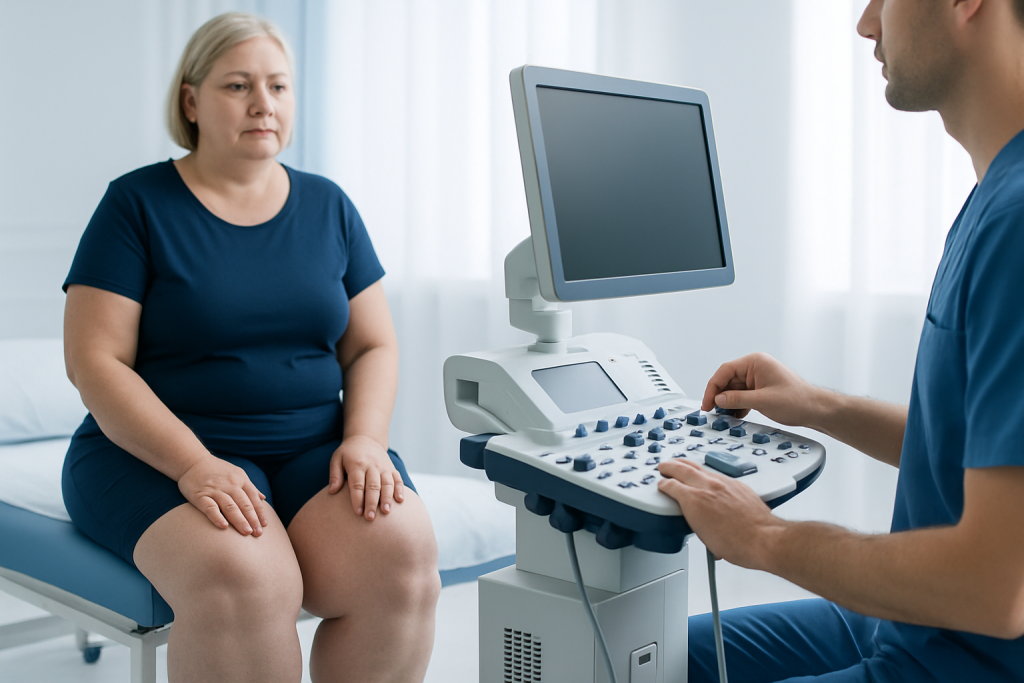
The earliest clue is often a shape change that does not match the rest of the body. The lower body may appear fuller, with a soft but sometimes nodular texture beneath the skin. Many people describe their legs as feeling heavy, tense, or sore, especially later in the day or after sitting or standing for long periods.
Bruising can happen more easily than expected, sometimes after very minor bumps. The skin and tissue may be tender to touch, and some people notice that pressure, massage, or tight clothing feels uncomfortable. In more advanced cases, mobility may become more difficult because the added tissue and discomfort interfere with walking or exercise.
Common features may include:
- Symmetrical enlargement of the legs
- Disproportion between upper and lower body size
- Persistent tenderness or pain in the affected tissue
- Easy bruising
- A feeling of heaviness or tightness
- Feet that remain relatively unaffected
Symptoms can vary widely from person to person. Some individuals have mild changes for years, while others notice progressive enlargement or increasing discomfort over time. Because lipedema may overlap with fluid retention or lymphedema, the appearance alone is not always enough to explain everything that is happening.
Causes & Risk Factors
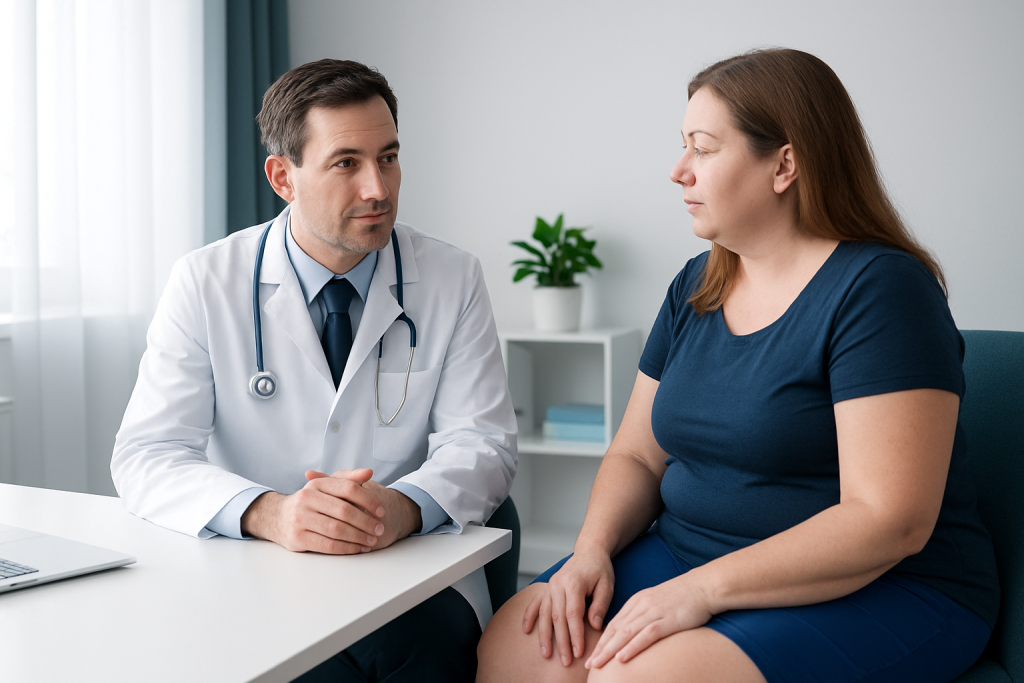
The cause of lipedema is still being studied, but it appears to involve an abnormal distribution and behavior of fatty tissue, likely influenced by hormones and genetics. Family history is common, which suggests inherited susceptibility. In many patients, symptoms begin or worsen during periods of hormonal change, although the condition can develop without a clear trigger.
Lipedema is not caused by overeating alone, and it is not the same as generalized weight gain. That said, extra body weight can make symptoms harder to manage and may increase strain on the joints and lymphatic system. This is one reason clinicians look at the whole person rather than focusing only on body size.
Factors often associated with lipedema include:
- Female sex
- Family history of similar leg changes
- Puberty, pregnancy, or menopause-related onset
- Coexisting obesity or metabolic issues
- Reduced mobility due to discomfort or heaviness
People sometimes ask whether lipedema is caused by poor habits. Current medical understanding does not support that idea. Healthy eating and activity still matter for overall well-being, but they do not fully prevent or reverse the core tissue changes of lipedema.
Diagnosis
Diagnosis is usually made through a careful medical history and physical examination. A clinician will often ask when the leg changes began, whether pain or bruising is present, and whether swelling affects both sides similarly. The pattern of fat distribution, the condition of the feet, and whether there is pitting edema can help guide the assessment.
Because other conditions can look similar, doctors may also consider lymphedema, venous disease, heart or kidney-related swelling, and general weight-related enlargement. Tests are chosen to rule out these possibilities rather than to prove lipedema with a single lab result. In some cases, imaging or vascular studies may be ordered if the diagnosis is uncertain.
For patients traveling from another country, bringing photographs that show the progression of leg changes, a list of prior treatments, and any existing scan or clinic reports can make the evaluation more efficient. A specialist may also look for signs that lipedema and lymphedema are both present, because that combination can influence treatment planning and recovery advice.
Medical evaluation may include:
- Physical examination of leg and foot patterns
- Review of symptoms, family history, and hormonal milestones
- Assessment for venous insufficiency or lymphedema
- Imaging or vascular tests when needed
Treatment Options
Treatment for lipedema is usually focused on symptom control, mobility, and quality of life. There is no single approach that fits everyone, and many people do best with a combination of measures. The plan may change over time depending on how much pain, swelling, or functional limitation is present.
Conservative care is often the starting point. Compression garments may help support the tissues and reduce discomfort for some people. Gentle, regular movement such as walking, swimming, cycling, or supervised exercise can improve circulation and joint function without overloading the legs. Manual lymphatic techniques or specialist therapy may be used in selected cases, particularly if there is overlap with lymphatic swelling.
When symptoms are significant and conservative measures are not enough, some patients may be considered for lipedema reduction surgery, typically performed by surgeons experienced in this condition. The goal is not cosmetic perfection, but reduction of abnormal tissue burden and improvement in pain, mobility, and day-to-day function. If surgery is being considered, the evaluation should be done by a team familiar with lipedema, because planning and aftercare matter greatly.
Possible treatment approaches include:
- Compression garments
- Low-impact physical activity
- Weight management for overall health, when relevant
- Pain-focused supportive care
- Specialist therapy for swelling and tissue health
- Selected surgical treatment in appropriate candidates
For international patients, treatment planning should also include practical details such as the timing of follow-up visits, travel after surgery, and how to continue compression or therapy once home. The best plan is one that is medically sound and realistic to carry out after the patient returns abroad.
Prevention & Self-care
Lipedema cannot always be prevented, especially when genetics and hormones play a role, but day-to-day self-care can make symptoms easier to live with. The aim is to reduce discomfort, protect mobility, and prevent secondary problems such as worsening swelling or skin irritation. Small routines often matter more than dramatic interventions.
People with lipedema often benefit from wearing properly fitted compression garments if recommended by a clinician, keeping a steady movement routine, and avoiding long periods of complete inactivity. Supportive footwear, leg elevation when resting, and pacing activities through the day may reduce the sense of heaviness. Skin care is also important, particularly if swelling is present.
It can also help to keep a simple symptom record. Noting pain levels, bruising, swelling, exercise tolerance, and changes linked to hormones or travel may help the doctor adjust care. This is especially useful for patients who live far from their treating team and need to understand what is improving, what is stable, and what should be reviewed during follow-up.
Helpful self-care habits may include:
- Regular low-impact movement
- Consistent use of prescribed compression
- Balanced nutrition for overall health
- Good skin care and hydration
- Tracking symptom changes over time
When to See a Doctor
Medical assessment is worthwhile when leg enlargement is symmetrical, persistent, or accompanied by pain, bruising, or heaviness that does not have a clear explanation. It is especially important to seek evaluation if the swelling is progressing, daily walking is becoming harder, or previous advice about weight loss has not explained the leg changes. Early recognition can prevent years of uncertainty and repeated ineffective treatments.
A doctor should also be consulted if there is one-sided swelling, sudden worsening, redness, warmth, shortness of breath, or new severe pain, because those features can suggest a different and sometimes urgent condition. Even when lipedema is suspected, clinicians still look carefully for other causes because the safest care starts with the correct diagnosis.
For people considering specialist Varicose Vein Treatment Abroad: When Stockings Are Enough and When Procedures Help More" class="ahp-ilk">treatment abroad, it is reasonable to ask in advance whether the team has experience with lipedema, how follow-up is handled after travel, and whether multidisciplinary support is available. At Acibadem Health Point, multidisciplinary specialists and JCI-accredited hospitals diagnose and treat lipedema for international patients in a coordinated setting.
Seek medical review if:
- Both legs have gradually enlarged in a similar pattern
- Pain, tenderness, or bruising is affecting daily life
- Swelling is interfering with walking or work
- The diagnosis has never been clearly explained
- Symptoms are changing quickly or becoming one-sided
Living With Lipedema Leg Changes
Living with lipedema can be frustrating, especially when the body changes do not respond in the way people expect. A compassionate, medically accurate diagnosis often brings relief because it shifts the conversation from blame to management. Many patients feel better once they have a name for the condition and a plan that matches the real problem.
Support can involve more than physical treatment. Some people benefit from advice on clothing choices, exercise that feels sustainable, and long-term monitoring for overlapping venous or lymphatic issues. If surgery is part of the plan, recovery may include compression, movement guidance, and scheduled reassessment, particularly for those who return home soon after treatment.
The most useful approach is usually steady rather than dramatic: confirm the diagnosis, reduce discomfort, protect function, and revisit the plan as needs change. With the right support, many people with lipedema can maintain an active life and manage symptoms more effectively over time.
Frequently asked questions
Is lipedema the same as obesity?
No. Lipedema is a specific disorder of fatty tissue distribution, while obesity is a broader increase in body fat. The two can occur together, but lipedema has its own pattern and symptoms, including pain and easy bruising.
Why do the feet often look normal in lipedema?
A classic feature of lipedema is that the lower legs enlarge while the feet are relatively spared. This pattern can help doctors distinguish lipedema from other causes of swelling, although overlap with other conditions is still possible.
Can diet and exercise cure lipedema?
Healthy eating and regular activity support overall health, but they do not usually remove the abnormal tissue changes of lipedema. Many people still benefit from these habits because they can improve mobility, conditioning, and general well-being.
How is lipedema diagnosed?
Doctors usually diagnose lipedema by looking at the pattern of leg changes, symptoms such as pain and bruising, and the person’s medical history. Tests may be used to rule out other causes of swelling, such as venous disease or lymphedema.
Is surgery always needed?
No. Many people begin with conservative treatment such as compression and exercise. Surgery may be considered when symptoms are significant and other measures have not provided enough relief, but the decision is individualized.
Can lipedema get worse over time?
It can progress in some people, especially if symptoms are not recognized and managed. A timely diagnosis and a practical treatment plan can help reduce discomfort and preserve function.
References
- World Health Organization
- National Institutes of Health
- Lymphoedema Support Network
- American Vein & Lymphatic Society
- Mayo Clinic
This article is for general information only and is not a substitute for professional medical advice. Please consult a qualified doctor about your individual situation.
Explore treatments in Turkey — costs, top hospitals & a free quote
JCI-accredited · board-certified surgeons · reply within 24h
Add us as a Preferred Source to see more of our trusted health content across Google Search, AI Overviews and Discover.