Lesion

Key Takeaways
- A lesion describes abnormal tissue and is not a diagnosis by itself.
- Lesions may affect the skin, organs, bones, or the nervous system.
- Symptoms and meaning depend on the lesion’s size, location, and cause.
- Some lesions need only observation, while others require treatment or biopsy.
- New, changing, painful, bleeding, or unexplained lesions should be checked by a clinician.
A lesion is a broad medical term for an area of tissue that has been changed or injured in some way. It can appear on the skin, in an organ, or inside the body and may be harmless, temporary, or a sign of an underlying condition.
Overview
The word lesion is often used in medical reports, but it is not a single disease. It simply means that a part of the body looks or behaves differently from normal tissue. A lesion may be found on the skin, inside an organ, or in the brain, bone, or another structure.
Because the term is so broad, the next step is always to understand what kind of lesion it is. Some lesions are small and harmless, such as a benign spot on the skin. Others may reflect inflammation, infection, injury, or a growth that needs closer attention. In many cases, the location and appearance of the lesion provide the first clues.
For international patients, a lesion can sometimes be discovered during an imaging test, a routine skin check, or an evaluation for symptoms that seem unrelated. Clear interpretation matters because the word itself can sound alarming even when the underlying finding is minor. A careful medical review helps separate low-risk findings from those that deserve timely treatment.
Symptoms
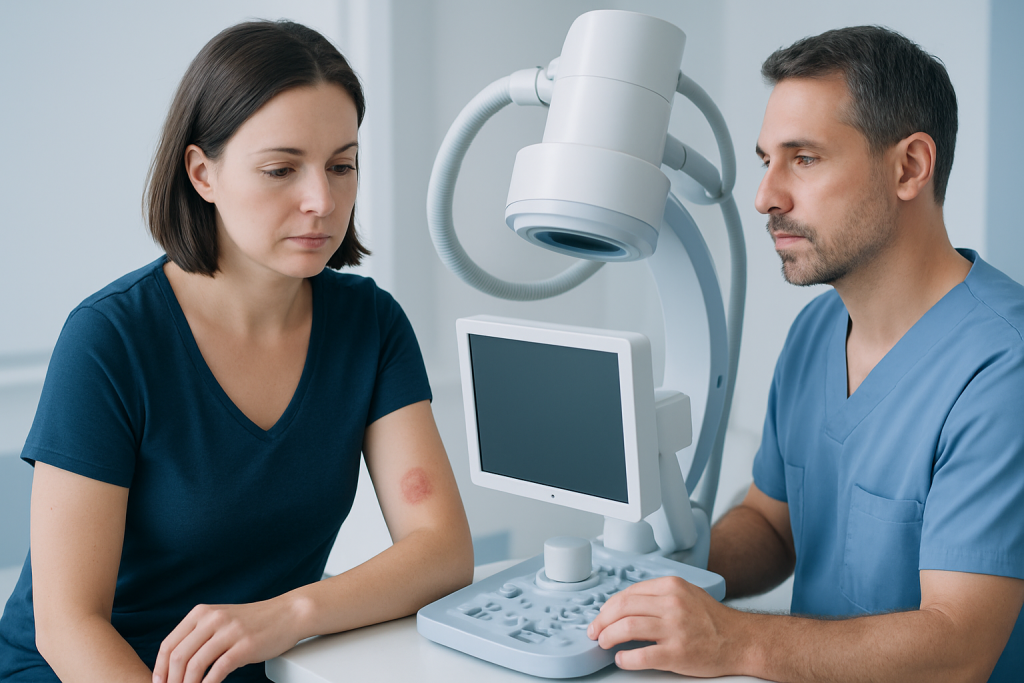
Lesions do not all cause symptoms, and many are discovered by chance. A skin lesion may be seen as a mole, patch, lump, sore, blister, or area of color change. An internal lesion may be noticed only when it affects a nearby organ or is seen on a scan.
When symptoms do appear, they depend on the lesion’s location. A lesion in the skin may itch, bleed, crust, or change shape. A lesion in the mouth may hurt when eating or speaking. A lesion in the brain or spinal cord may be linked to headaches, weakness, numbness, balance problems, or changes in vision, though these symptoms can also have other causes.
- Visible change in color, size, or texture
- Pain, tenderness, itching, or burning
- Bleeding, drainage, or non-healing sores
- Swelling, firmness, or a new lump
- Neurologic symptoms such as weakness, confusion, or seizures when the nervous system is involved
Any lesion that changes over time deserves medical attention, especially if it grows, becomes painful, or starts to bleed without a clear reason.
Causes & Risk Factors

Lesions develop for many reasons. Common causes include injury, infection, inflammation, autoimmune conditions, blocked glands, benign growths, and changes related to sun exposure or aging. In some cases, a lesion is part of a broader medical condition that affects more than one organ.
Risk factors vary widely depending on the type of lesion. For example, sun exposure raises the chance of certain skin lesions, while smoking can increase the risk of lesions in the mouth, throat, and lungs. Chronic irritation, hormone changes, some medications, and inherited conditions may also play a role in specific situations.
It is helpful to remember that a lesion is a description, not a final label. Two lesions may look similar but have very different meanings. That is why doctors often ask about timing, past injuries, medications, travel, infection exposure, and family history before deciding on the next steps.
Diagnosis
Diagnosis starts with a detailed history and physical examination. For skin lesions, a clinician may look at the color, border, shape, and surface and compare these findings with nearby skin. For lesions inside the body, imaging studies such as ultrasound, CT, MRI, or endoscopy may be used to learn more.
If the lesion cannot be identified confidently from appearance or imaging alone, a biopsy may be recommended. This means removing a small tissue sample for laboratory analysis. A biopsy is often the most reliable way to tell whether a lesion is benign, inflammatory, infectious, precancerous, or cancerous.
In international-care settings, patients may arrive with previous scan reports or biopsy slides from another country. Reviewing those materials alongside a fresh examination can save time and help ensure that the treatment plan is based on the most complete picture possible.
Treatment Options
Treatment depends entirely on the cause. Some lesions need no treatment at all and are simply monitored over time. Others respond to medication, drainage, removal, or therapy directed at the underlying condition. If a lesion is infected, treatment may include antimicrobial medication or a procedure to clear trapped fluid or tissue.
When a lesion is suspicious, growing, symptomatic, or in a location where it may interfere with function, removal may be advised. This can be done with a minor procedure, endoscopic technique, or surgery, depending on the site. If a lesion is related to cancer, treatment may involve a multidisciplinary plan that can include surgery, systemic therapy, radiation therapy, or ongoing surveillance.
For patients traveling for care, planning also includes recovery and follow-up. The medical team usually explains wound care, activity limits, warning signs, and whether repeat imaging or pathology review is needed after returning home. A clear follow-up plan is especially important when treatment happens far from the patient’s local doctor.
Prevention & Self-care
Not every lesion can be prevented, but some steps may lower risk or help with early detection. Protecting skin from excessive sun exposure, avoiding tobacco, managing chronic conditions, and following treatment for ongoing infections or inflammatory diseases can all be useful depending on the type of lesion.
Self-care also means paying attention without overreacting. People are often encouraged to check their skin regularly, note any new or changing spots, and keep track of symptoms such as pain, bleeding, or persistent irritation. For internal lesions, symptom journals can help a clinician see patterns that may not be obvious in a single visit.
- Use sun protection and avoid tanning beds
- Do not pick, squeeze, or irritate a lesion
- Follow wound care instructions carefully after procedures
- Keep copies of scans, pathology reports, and photos when traveling for care
- Arrange follow-up if a lesion was not fully explained at the first visit
If a lesion has already been evaluated, patients should follow the recommended monitoring schedule even if symptoms improve. Some conditions change slowly, and routine checks can prevent small issues from being missed.
When to See a Doctor
Medical evaluation is a good idea for any lesion that is new, unexplained, or changing. It is especially important if the lesion is painful, bleeds easily, does not heal, grows quickly, or affects daily function. Lesions in the mouth, genital area, eyes, or nervous system also deserve prompt attention because of their sensitive location.
Urgent assessment is warranted if a lesion is associated with severe pain, fever, sudden weakness, vision changes, confusion, trouble breathing, or rapidly spreading redness and swelling. These may signal infection or another condition that needs timely treatment.
Patients who are considering care abroad may find it helpful to seek a center that can coordinate diagnosis, pathology review, imaging, and treatment in one pathway. Acibadem Health Point’s multidisciplinary specialists and JCI-accredited hospitals can diagnose and treat many lesion-related conditions for international patients, with follow-up planning that supports continuity of care after travel.
Frequently asked questions
What does the word lesion actually mean?
A lesion is a general medical term for tissue that is abnormal, damaged, or changed from normal. It does not tell a patient whether the finding is benign or serious by itself. Doctors use the term as a starting point and then look for the cause.
Are all lesions cancerous?
No. Many lesions are benign, temporary, or related to inflammation, infection, or injury. Some lesions do require careful evaluation because they can be precancerous or cancerous, which is why a proper diagnosis matters.
How can a doctor tell what type of lesion it is?
A clinician usually starts with an examination and may add imaging tests or a biopsy if needed. The size, location, appearance, and any change over time help guide the diagnosis. In some cases, pathology is the only way to know for sure.
Should a lesion be removed right away?
Not always. Some lesions are best observed, especially if they are harmless and not causing symptoms. Removal is more likely to be recommended when a lesion is suspicious, uncomfortable, growing, or located where it interferes with function.
Can a lesion go away on its own?
Yes, some lesions improve or disappear without treatment, especially if they are linked to minor irritation or an infection that resolves. Others remain stable for a long time, and some need treatment to prevent complications. A doctor can advise whether monitoring is safe.
What should a patient bring if seeking a second opinion abroad?
It helps to bring previous reports, imaging files, biopsy results, medication lists, and any photos of the lesion over time. These records make it easier for the next team to understand what has already been done. A well-organized file can also save time during travel-based care.
References
- World Health Organization
- Mayo Clinic
- National Cancer Institute
- American Academy of Dermatology
- Cleveland Clinic
This article is for general information only and is not a substitute for professional medical advice. Please consult a qualified doctor about your individual situation.