L A C E R A T I O N

Key Takeaways
- A laceration is a torn or cut wound that can range from minor to deep and complex.
- Clean, prompt care lowers the risk of infection and supports better healing.
- Some lacerations need stitches, glue, or special closure if they are deep, gaping, or in certain locations.
- Watch for signs such as persistent bleeding, numbness, exposed tissue, or increasing redness and swelling.
- Good wound care and follow-up help reduce scarring and complications.
A laceration is a cut or tear in the skin caused by trauma, such as a sharp object, blunt force, or an accident. Most lacerations heal well with proper cleaning and timely medical care, while deeper wounds may need stitches, skin glue, or other treatment.
Overview
A laceration is a break in the skin caused by a sharp or forceful injury. Unlike a simple scratch, the wound edges may be uneven, separated, or deeper than they first appear. Lacerations are common in everyday accidents, from kitchen cuts and broken glass to falls, sports injuries, and workplace incidents.
How a laceration is managed depends on its depth, size, location, and whether nearby structures are involved. A small, clean cut may heal with basic wound care, while a wider or deeper wound may need closure with stitches, adhesive strips, skin glue, or other procedures. The goal is to protect the tissue, support healing, and preserve function and appearance as much as possible.
For international patients, it is often helpful to think of a laceration as a time-sensitive issue: immediate cleaning can be done at home or on site, but medical assessment may be needed soon after if the wound is open, bleeding heavily, or in a sensitive area. Early care can make follow-up easier, especially when travel is involved.
Symptoms
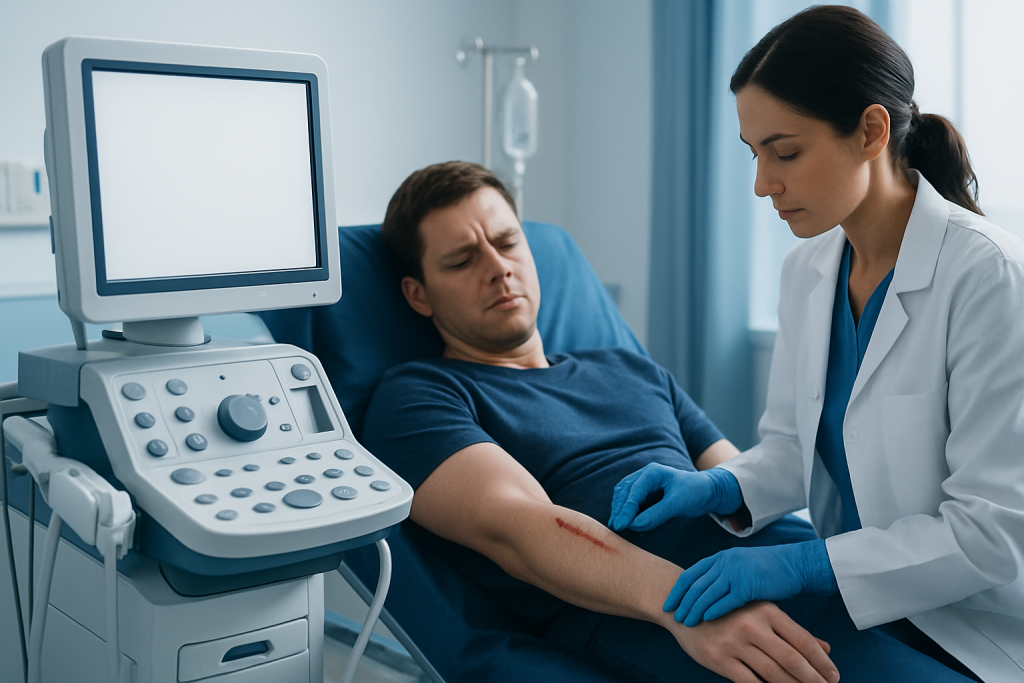
The appearance of a laceration can vary widely. Some are shallow and sting, while others are painful, open, and actively bleeding. The skin edges may look jagged or pulled apart, and the wound may reveal fat, muscle, or other deeper tissue if the injury is significant.
Common features include bleeding, tenderness, swelling, and difficulty moving the nearby area when the wound is over a joint or on the hand, foot, or face. In some cases, numbness, weakness, or intense pain may suggest that nerves, tendons, or deeper structures have been affected.
- Visible cut or tear in the skin
- Bleeding that may be light or heavy
- Gaping wound edges
- Pain, swelling, or bruising around the area
- Reduced movement, numbness, or unusual weakness
Any wound that continues to bleed after firm pressure, appears deep, or shows signs of contamination should be assessed by a clinician. It is also important to pay attention to how the wound changes over the next day or two, since increasing redness, warmth, or drainage can point to infection.
Causes & Risk Factors

Lacerations usually happen when the skin is cut by something sharp or torn by impact. Common causes include knives, tools, machinery, shattered glass, metal edges, sports equipment, and falls onto rough surfaces. Blunt trauma can also split the skin, especially if the skin is stretched over a bony area such as the scalp, eyebrow, shin, or elbow.
Some situations make lacerations more likely or more complicated. Older adults may have thinner skin that tears more easily, while children can be injured during play or household accidents. People taking blood-thinning medicines may bleed more, and wounds on the hands, face, or over joints may need more careful closure to heal well.
Dirty or contaminated environments raise the risk of infection, as do delayed treatment, foreign material in the wound, and animal or human bites. A clinician may also look more closely at wounds in people with diabetes, poor circulation, immune system problems, or a history of slow healing.
Diagnosis
Diagnosis begins with a careful look at the wound and the circumstances of the injury. A clinician will usually ask how the laceration happened, how long ago it occurred, whether there was loss of consciousness or other trauma, and whether the person can move the area normally. This history helps determine whether the cut is straightforward or part of a larger injury.
The exam focuses on the wound’s depth, length, shape, and cleanliness, as well as nearby nerves, blood vessels, muscles, tendons, and joints. If the wound is near the eye, face, hand, or a joint, extra assessment may be needed to check for subtle damage that is not obvious at first glance.
In some cases, imaging such as an X-ray may be used if a foreign body, bone injury, or deeper complication is suspected. Tetanus status is also reviewed, because some wounds require protection against tetanus depending on the injury and vaccination history.
Treatment Options
Treatment is chosen based on the wound itself, not just how dramatic it looks. A small laceration may only need cleaning, pressure to stop bleeding, and a dressing. More significant wounds may need closure with stitches, staples, skin glue, or adhesive strips, depending on location and tissue tension.
Before closure, the wound is usually cleaned thoroughly to lower the chance of infection and remove debris. If there is dirt, glass, or other material inside the cut, careful removal is important. For deeper lacerations, a clinician may numb the area first, inspect the tissue more closely, and confirm that no tendon, nerve, or vessel has been injured.
Depending on the type of injury, treatment may also include a tetanus booster, antibiotics in selected cases, pain relief advice, and instructions on dressing changes and activity limits. Large, complex, or contaminated wounds may require a specialist review, especially when cosmetic outcome or hand function is a concern.
- Cleaning and irrigation of the wound
- Bleeding control with direct pressure
- Closure with stitches, staples, glue, or strips when appropriate
- Removal of foreign material if present
- Tetanus review and follow-up instructions
For patients traveling for care, treatment planning may include practical guidance on timing, wound checks before departure, and the safest way to arrange suture removal or follow-up once back home. When needed, Acibadem Health Point’s multidisciplinary specialists and JCI-accredited hospitals diagnose and treat lacerations for international patients in a coordinated setting.
Prevention & Self-care
Many lacerations are accidental, but some can be prevented with simple habits. Safe knife handling, wearing protective equipment at work, keeping floors clear, and using appropriate sports gear all reduce risk. In homes with children, storing sharp tools and broken glass safely can make a real difference.
After treatment, good self-care helps the wound close cleanly. The wound should be kept as instructed by the clinician, and dressings should be changed only as recommended. Hands should be washed before touching the area, and soaking the wound in baths, pools, or natural water should usually be avoided until healing is well underway.
It is also helpful to protect the healing skin from strain, sun exposure, and picking at scabs. A balanced diet, adequate hydration, and enough rest support recovery. If the wound is on a hand or joint, limiting unnecessary movement may help the edges stay aligned and reduce the chance of reopening.
- Follow wound-cleaning and dressing instructions exactly as given
- Do not remove sutures, staples, or glue without medical guidance
- Keep an eye out for worsening redness, odor, pus, or fever
- Use sun protection on healing skin once the area is closed, if advised
- Attend follow-up visits, especially if care was started while traveling
Scar care is often a concern after a laceration. While some scars are unavoidable, early wound care and protection from repeated irritation can improve cosmetic healing. A clinician may also suggest when it is safe to begin scar-supportive measures after the skin has fully closed.
When to See a Doctor
Medical assessment is recommended for lacerations that are deep, wide, gaping, or caused by dirty, rusty, or contaminated objects. Wounds on the face, eyelids, hands, genitals, or over joints often deserve prompt attention because these areas are more sensitive and functional outcomes matter more.
Immediate care is important if bleeding does not stop after firm pressure, if the wound shows exposed fat, muscle, or bone, or if there is numbness, loss of movement, or severe pain. A person should also seek care if the injury was caused by an animal or human bite, if a foreign object may still be inside, or if the wound was caused by a serious accident.
After treatment, a doctor should be contacted if the wound becomes more painful instead of less, or if swelling, redness, warmth, pus, fever, or red streaking develops. These signs do not always mean a serious problem, but they do need timely review so healing can stay on track.
Living With a Healing Laceration
Recovery from a laceration is often straightforward, but it benefits from patience. The skin may feel tight, itchy, or tender for a period of time, especially after stitches or glue are removed and the wound begins to strengthen. Protecting the area during this phase helps prevent reopening.
For people managing a wound while traveling, practical planning matters: keeping dressing supplies available, knowing where follow-up care will occur, and having written instructions can reduce stress. If the wound needs re-checking or suture removal, arranging that in advance can make the process much smoother.
Most importantly, a healing laceration should gradually become less painful, less red, and more stable day by day. If recovery seems to stall or the wound looks worse, it is better to have it reviewed rather than wait. Clear, early follow-up is often the simplest way to protect both health and comfort.
Frequently asked questions
What is the difference between a laceration and a cut?
A laceration is a type of cut, but the term usually describes a wound with torn or irregular edges caused by trauma. Simple cuts may be more straight and superficial, while lacerations can be deeper, gaping, or more complex.
Do all lacerations need stitches?
No. Small, shallow, clean lacerations may heal with cleaning, dressing, and close observation. Stitches or other closure methods are more likely when the wound is deep, wide, on the face or hand, or likely to reopen.
How can someone tell if a laceration is infected?
Possible signs include increasing redness, warmth, swelling, pain, pus, bad odor, or fever. A wound that seems to improve and then suddenly worsens should also be checked by a doctor.
Can a laceration heal on its own?
Some minor lacerations can heal without stitches if they are cleaned well and kept protected. However, deeper or larger wounds may heal better and more safely with medical closure.
What should be done first after a laceration?
Firm direct pressure is usually the first step to slow bleeding, followed by gentle cleaning if appropriate. If bleeding is heavy, the wound is deep, or the injury is on a sensitive area, medical care should be sought promptly.
Will a laceration leave a scar?
Many lacerations leave at least a small scar, especially if they are deep or under tension. Early wound care, protection from reopening, and proper follow-up can help the scar heal as neatly as possible.
References
- World Health Organization
- American College of Emergency Physicians
- Mayo Clinic
- NHS
- American Academy of Family Physicians
This article is for general information only and is not a substitute for professional medical advice. Please consult a qualified doctor about your individual situation.