Iron Deficiency or Something Else? How Doctors Separate Common Causes of Anemia

Key Takeaways
- Anemia has many causes, and iron deficiency is only one of them.
- Symptoms can overlap, so blood tests are usually needed to identify the type of anemia.
- Ferritin, iron studies, and a complete blood count help doctors distinguish common patterns.
- Finding the cause matters because treatment depends on whether the issue is nutrition, blood loss, inflammation, vitamin deficiency, or a blood disorder.
- New or unexplained fatigue, paleness, shortness of breath, or black stools should be discussed with a doctor.
Anemia is not a single condition but a sign that the blood is carrying less oxygen than it should. Doctors use symptoms, medical history, and targeted blood tests to determine whether iron deficiency is the cause or whether another problem is responsible.
Overview
Anemia is best understood as a signal rather than a final diagnosis. It means the body’s red blood cells, hemoglobin level, or both are below what is needed to carry oxygen efficiently. The result can be fatigue, weakness, reduced exercise tolerance, or no obvious symptoms at all in the early stages.
Iron deficiency is the most familiar cause, but it is not the only one. Doctors also consider vitamin B12 or folate deficiency, chronic inflammation, kidney disease, inherited blood disorders, and blood loss from the digestive tract or heavy menstrual bleeding. Separating these possibilities early helps avoid treatment that only improves the numbers on a lab report while the real problem continues.
For international patients, this distinction is especially important because care may begin in one country and continue in another. A clear diagnostic plan makes follow-up easier, whether the next step is nutrition support, more testing, or a specialist review.
Symptoms
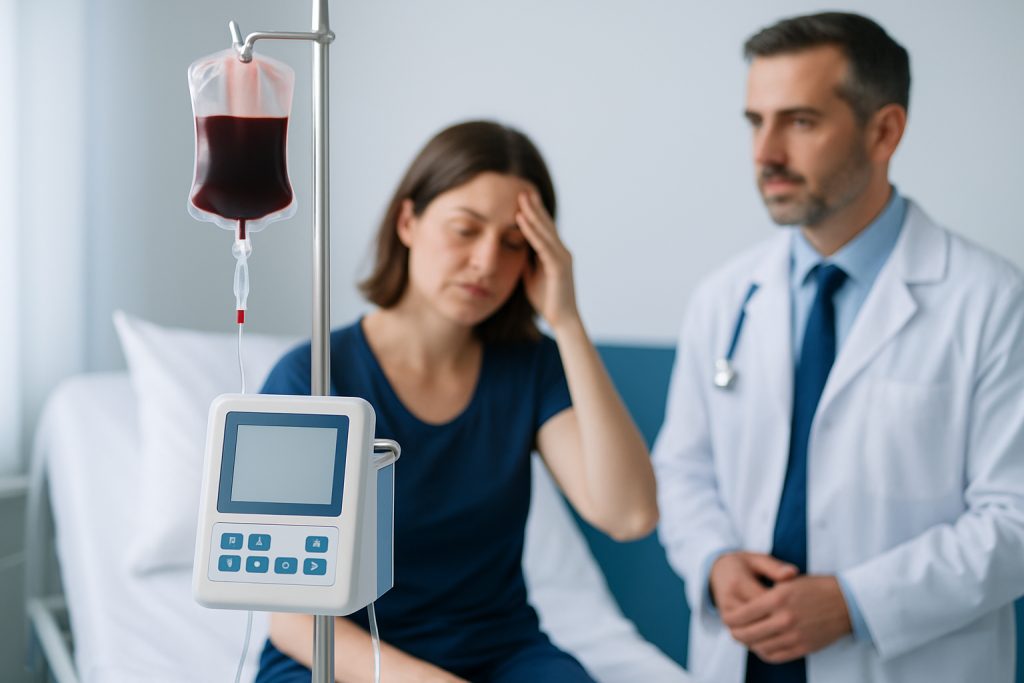
Many people with anemia notice a gradual loss of stamina before they think of anything seriously wrong. Activities that once felt normal may begin to feel effortful. Climbing stairs, walking quickly, or concentrating for long periods can become more tiring than expected.
Common symptoms include:
- Persistent tiredness or low energy
- Pale skin or inner eyelids
- Shortness of breath during activity
- Headaches or dizziness
- Fast heartbeat or feeling the heart pound
- Cold hands and feet
- Brittle nails, hair shedding, or sore tongue in some cases
These symptoms are not specific to iron deficiency. For example, B12 deficiency may also cause numbness or balance problems, while anemia related to chronic disease can appear with long-standing inflammation, joint pain, or kidney issues. Because the pattern can be misleading, doctors rely on testing rather than symptoms alone.
Causes & Risk Factors

Iron deficiency anemia usually develops when the body loses iron faster than it can replace it, does not absorb iron well, or does not get enough through the diet. Common reasons include blood loss from heavy periods, bleeding in the stomach or intestines, pregnancy, frequent blood donation, and certain digestive conditions that reduce absorption.
Other causes of anemia include:
- Vitamin B12 deficiency
- Folate deficiency
- Anemia of chronic inflammation or chronic disease
- Kidney disease, which lowers red blood cell production
- Inherited conditions such as thalassemia or sickle cell disease
- Bone marrow disorders, which are less common but important to identify
Some factors increase the likelihood of anemia in general. These include a diet low in iron-rich foods, heavy menstrual bleeding, gastrointestinal symptoms such as reflux or changes in bowel habits, a history of ulcers, long-term use of certain medicines, and chronic medical conditions. A doctor will often look beyond the blood count and ask where iron could be going missing, whether it is being absorbed properly, and whether the body is making red blood cells at the expected rate.
Diagnosis
The evaluation usually starts with a complete blood count, or CBC. This test shows hemoglobin level, hematocrit, and red blood cell size and shape. Small red blood cells may point toward iron deficiency, while larger cells can suggest B12 or folate deficiency. However, blood cell size is a clue, not a final answer.
To separate iron deficiency from other causes, doctors often order iron studies. Ferritin is especially useful because it reflects the body’s iron stores. A low ferritin level often supports iron deficiency, while other patterns may suggest inflammation or a different diagnosis. Other tests may include serum iron, transferrin saturation, reticulocyte count, vitamin B12, folate, kidney function tests, thyroid tests, and markers of inflammation.
When blood loss is suspected, additional evaluation may be needed. This can include stool testing, digestive tract assessment, or gynecologic review depending on the person’s age, symptoms, and history. In some cases, a blood smear or more specialized testing helps identify inherited anemia or bone marrow problems. The goal is not simply to label anemia, but to understand why it appeared and what is driving it now.
Treatment Options
Treatment depends entirely on the cause. If iron deficiency is confirmed, the usual approach is to replace iron and address the reason it was depleted in the first place. That may mean treating heavy menstrual bleeding, checking for gastrointestinal bleeding, reviewing medications, or improving dietary intake and absorption.
When iron is not the issue, iron tablets alone may not help and can sometimes delay the correct treatment. For example, vitamin B12 deficiency is managed differently from iron deficiency, and anemia of chronic disease may improve only when the underlying condition is controlled. Kidney-related anemia may require specialist care, and inherited blood disorders call for tailored management rather than one-size-fits-all treatment.
Some people need oral iron, while others may benefit from intravenous iron if absorption is poor, blood loss is ongoing, or faster repletion is needed. Severe anemia may require urgent treatment, but most cases are handled in a planned, stepwise way. The key is matching the therapy to the diagnosis rather than assuming all anemia behaves the same way.
Prevention & Self-care
Not every case of anemia can be prevented, especially when it is linked to chronic illness or genetics. Still, several practical habits can reduce risk and make recovery smoother. A balanced diet with iron-rich foods such as meat, fish, beans, lentils, tofu, nuts, and fortified grains can support healthy iron levels.
Iron is absorbed better when eaten with vitamin C-containing foods such as citrus, tomatoes, berries, or peppers. Tea and coffee can interfere with iron absorption in some people, so timing them away from iron-rich meals may help. For those who have heavy menstrual periods, digestive symptoms, or a history of anemia, regular medical follow-up is worth prioritizing rather than waiting for severe fatigue to build up.
Self-care also means being honest about symptoms. If a person notices breathlessness, unusual weakness, or ongoing tiredness after treatment has started, that deserves review. Recovering from anemia often takes time, and the blood count alone does not always reflect how well the underlying cause is being managed.
When to See a Doctor
Medical evaluation is appropriate when fatigue, paleness, or reduced stamina persists without a clear explanation. It is especially important to seek care if symptoms are new, getting worse, or affecting daily activity. People with a history of heavy periods, stomach ulcers, digestive disease, kidney disease, or a family history of inherited blood disorders should not ignore persistent symptoms.
Prompt assessment is also wise if there are signs of blood loss, such as black stools, visible blood in stool or urine, vomiting blood, or very heavy menstrual bleeding. Shortness of breath at rest, chest pain, fainting, or a racing heartbeat needs urgent medical attention.
For patients traveling from abroad, a well-organized diagnostic visit can be especially helpful because it can combine laboratory testing, imaging when needed, and specialist review in one coordinated pathway. Acibadem Health Point’s multidisciplinary specialists and JCI-accredited hospitals diagnose and treat anemia for international patients, helping create a clear plan for care and follow-up.
Frequently asked questions
Is iron deficiency the same as anemia?
No. Iron deficiency means the body does not have enough iron stores, while anemia means the blood cannot carry oxygen as effectively as it should. Iron deficiency is one common cause of anemia, but not the only one.
Can anemia be present even if a person feels fine?
Yes. Mild anemia may cause few or no symptoms at first, especially if it develops slowly. Blood tests are often how it is first detected.
Why do doctors order ferritin for anemia?
Ferritin helps show how much iron is stored in the body. A low ferritin level often points toward iron deficiency, although interpretation can change if inflammation or other illness is present.
Can taking iron help if the anemia is not caused by iron deficiency?
Sometimes it will not help, and in some situations it may delay the right diagnosis. That is why doctors try to confirm the cause before recommending treatment.
What symptoms suggest anemia needs prompt medical review?
Chest pain, fainting, shortness of breath at rest, black stools, visible bleeding, or a very rapid heartbeat should be assessed quickly. These symptoms may signal significant anemia or an underlying bleeding problem.
How long does it take to feel better after treatment starts?
That depends on the cause, the severity of anemia, and how the body responds to treatment. Some people notice improved energy within weeks, while others need longer and more follow-up testing.
References
- World Health Organization
- National Heart, Lung, and Blood Institute
- Mayo Clinic
- MedlinePlus
- Merck Manual Professional Edition
This article is for general information only and is not a substitute for professional medical advice. Please consult a qualified doctor about your individual situation.