

Inverted Nipples: Causes, Treatment and Surgery

Key Takeaways
- Inverted nipples can be present from birth or develop later in life.
- A sudden or one-sided inversion deserves medical assessment.
- Diagnosis usually starts with a breast exam and may include imaging if needed.
- Treatment depends on the cause and whether symptoms are present.
- Surgical correction is one option, but not everyone needs treatment.
Medically reviewed by the Acıbadem clinical team — August 19, 2026
Inverted nipples are nipples that lie flat against the breast or pull inward instead of pointing outward. They are often benign, but a new or one-sided change should be checked by a qualified clinician to rule out an underlying cause.
Overview
Inverted nipples are nipples that sit inward or rest flat rather than projecting outward. For many people, this is simply a normal body variation that has been present for years, and it does not cause medical problems on its own.
The more important question is whether the inversion has always been there or whether it is new. A nipple that suddenly changes shape, especially on one side, can be a sign that the breast tissue underneath needs medical attention. That does not mean a serious problem is present, but it does mean the change should not be ignored.
People often notice inverted nipples during puberty, pregnancy, breastfeeding, or after a period of breast tenderness or trauma. In some cases, the concern is practical rather than medical: the nipple may be uncomfortable, difficult to clean, or make breastfeeding harder. In other cases, the concern is emotional, since breast shape can affect confidence and body image.
Symptoms and Types
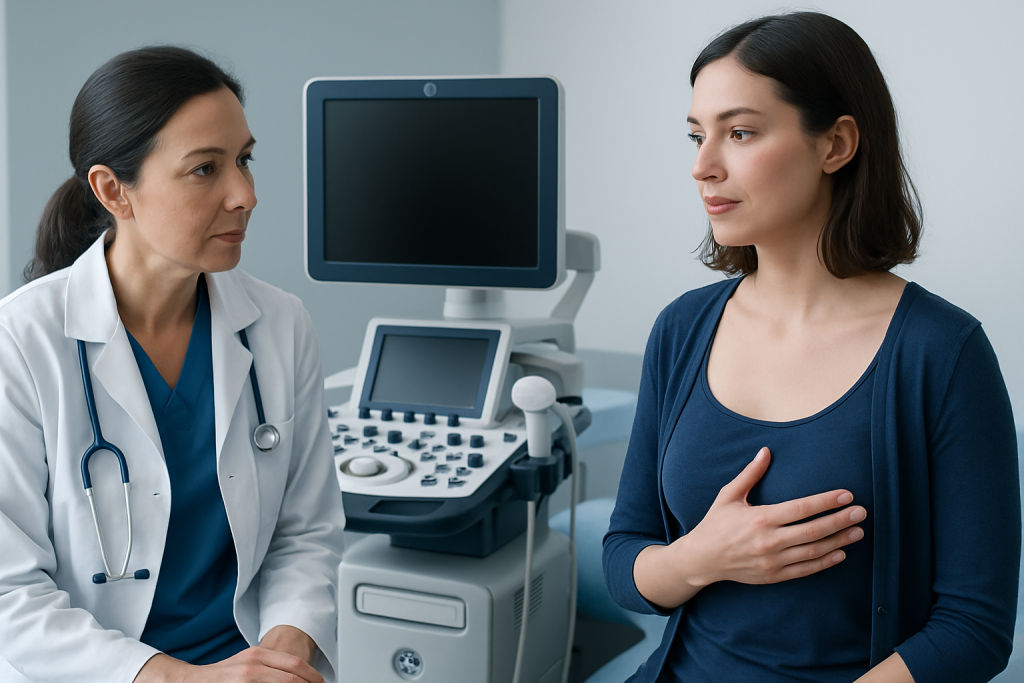
Inverted nipples vary in appearance. Some look flat and only pull inward with pressure, while others remain drawn in most of the time. A clinician may describe the inversion as mild, moderate, or severe depending on how easily the nipple can be brought outward.
Common features may include a nipple that is level with the areola, one that inverts when cold or stimulated, or one that cannot be pulled outward at all. Some people have both nipples affected, while others have only one.
- Congenital inversion: present from birth or puberty and usually stable over time.
- Acquired inversion: develops later and may be linked to scar tissue, inflammation, infection, or other breast conditions.
- Intermittent inversion: the nipple sometimes protrudes and sometimes inverts, often with temperature or touch.
Any new symptoms alongside inversion, such as discharge, redness, skin thickening, pain, a breast lump, or a change in breast shape, should be discussed with a doctor.
Causes and Risk Factors

Congenital inverted nipples usually happen because the milk ducts beneath the nipple are short, tight, or tethered by fibrous tissue. In these cases, the shape is generally a structural variation rather than a sign of illness.
Acquired nipple inversion has a wider set of possible causes. These may include inflammation, infection, trauma, surgery, scarring, benign breast conditions, or, less commonly, breast cancer. For that reason, a change that appears later in life deserves a careful evaluation.
Risk factors are not always modifiable. A personal history of breast surgery, breast infection, or injury can increase the chance of inversion. Changes during pregnancy and breastfeeding may also alter nipple shape temporarily or permanently. Family history is not usually the main factor, but overall breast health history matters when a clinician is deciding what tests are appropriate.
Diagnosis
Diagnosis usually begins with a medical history and a physical breast examination. The clinician will want to know whether the inversion has always been present, whether it is on one or both sides, and whether there are associated symptoms such as pain, discharge, or a lump.
If the nipple inversion is new, one-sided, or accompanied by other changes, imaging tests may be recommended. These can include breast ultrasound or mammography, depending on age, symptoms, and clinical findings. The goal is to understand what is happening beneath the skin and to rule out conditions that may need treatment.
For international patients arranging care from abroad, it is often helpful to bring any prior imaging reports, pathology results, and a written timeline of when the change began. This makes the first consultation more efficient and helps the care team choose the right tests without repeating unnecessary steps.
Treatment Options
Not every inverted nipple needs treatment. If it has been stable for a long time and does not cause symptoms, reassurance may be all that is needed. When treatment is desired or medically necessary, the approach depends on the cause and the degree of inversion.
If the inversion is linked to infection, inflammation, or another underlying breast condition, treatment focuses on that problem first. When the issue is structural, options may include gentle suction devices or surgical correction. Surgery is usually considered for people who want a more lasting change or who have functional concerns such as breastfeeding difficulty.
Surgical techniques vary, but they generally aim to release the tissue pulling the nipple inward while preserving as much nipple sensation and duct function as possible. Because each case is different, the choice of procedure should be discussed carefully with a breast or plastic surgery specialist, especially for people who may want to breastfeed in the future.
Prevention and Self-care
Congenital inverted nipples cannot usually be prevented, because they are related to natural anatomy. Still, people can support breast health by becoming familiar with what is normal for their own bodies and noticing changes early.
Self-care is mostly about observation and comfort. Gentle hygiene is usually enough, and the area should not be irritated by repeated pulling or harsh devices unless a clinician has recommended a specific plan. If the nipple is sensitive, using well-fitting bras and soft fabrics may help reduce friction.
For people considering care abroad, a thoughtful treatment plan should include recovery time, dressing instructions, and follow-up after returning home. A good surgical or medical team will explain what changes are expected, what symptoms are normal during healing, and when remote or in-person review is advisable.
- Check breasts regularly for new lumps, skin changes, or discharge.
- Avoid squeezing or forcing a nipple outward without medical guidance.
- Seek prompt assessment for a new one-sided inversion.
- Keep records of any prior breast imaging or procedures.
When to See a Doctor
Medical review is recommended if nipple inversion is new, becoming worse, or affecting only one side. It is also important to seek care if there is nipple discharge, bleeding, pain, redness, swelling, a rash that does not settle, or a palpable lump.
Even when the change turns out to be harmless, a professional assessment can provide clarity and peace of mind. This is especially helpful for people who are pregnant, breastfeeding, preparing for breast surgery, or planning treatment while traveling internationally.
Acibadem Health Point’s multidisciplinary specialists and JCI-accredited hospitals diagnose and treat inverted nipples for international patients, with coordinated evaluation and follow-up when needed. The best next step is usually a consultation with a qualified breast specialist or plastic surgeon who can explain the options in plain language and tailor the approach to the individual.
Frequently asked questions
Are inverted nipples always a sign of a problem?
No. Many people are born with inverted nipples, and this can be a normal variation. The main concern is a new or changing inversion, especially on one side, because that may need medical assessment.
Can inverted nipples affect breastfeeding?
They can, especially if the inversion is moderate or severe. Many people still breastfeed successfully with support from a clinician or lactation specialist, and a treatment plan can be discussed if needed.
How do doctors check whether nipple inversion is harmless?
They usually start with a breast examination and questions about when the change began. If the inversion is new or accompanied by other symptoms, imaging such as ultrasound or mammography may be recommended.
Can inverted nipples be corrected?
Yes, in some cases. Options may include conservative methods or surgery, depending on the cause, the degree of inversion, and whether the person wants treatment.
Is surgery for inverted nipples always permanent?
Surgical correction can be long-lasting, but results vary by technique and individual anatomy. A surgeon should explain the likely outcome, possible effects on sensation, and whether breastfeeding may be affected.
When should someone seek urgent medical advice?
Prompt medical review is sensible if the nipple inversion is new and comes with a lump, discharge, skin changes, pain, or swelling. These signs do not always mean something serious, but they should be evaluated without delay.
References
- American Cancer Society
- Mayo Clinic
- National Health Service (NHS)
- American College of Radiology
- World Health Organization
This article is for general information only and is not a substitute for professional medical advice. Please consult a qualified doctor about your individual situation.
Explore treatments in Turkey — costs, top hospitals & a free quote
JCI-accredited · board-certified surgeons · reply within 24h
Add us as a Preferred Source to see more of our trusted health content across Google Search, AI Overviews and Discover.
More from the Health Library



Related Specialists

Dr. İlker Altundağ
Aesthetic Plastic & Reconstructive Surgery
Dr. Serkan Tokgönül
Aesthetic Plastic & Reconstructive Surgery
Dr. Ömercan Yağız Öksüz
Aesthetic Plastic & Reconstructive Surgery
Prof. Dr. Mehmet Veli Karaaltın
Aesthetic Plastic & Reconstructive Surgery