How To Stop Snoring While Sleeping

Key Takeaways
- Snoring is often linked to blocked nasal passages, relaxed throat muscles, sleep position, alcohol, or excess weight.
- Simple changes such as side sleeping, avoiding sedatives before bed, and improving nasal airflow may reduce snoring.
- Loud, frequent snoring with pauses in breathing, choking, or daytime sleepiness may point to sleep apnea.
- A doctor may recommend an exam, sleep study, or targeted treatment depending on the cause.
- Effective treatment starts with identifying whether the issue is nasal, throat-related, or connected to a broader sleep disorder.
Medically reviewed by the Acıbadem clinical team — August 19, 2026
Snoring happens when airflow is partially blocked during sleep, causing tissues in the throat and nose to vibrate. Many cases improve with simple changes, but persistent or loud snoring can sometimes signal an underlying sleep or breathing problem that deserves medical attention.
Overview
Snoring is the sound made when air moves past relaxed or narrowed tissues in the nose, mouth, or throat during sleep. For some people, it is an occasional nuisance; for others, it is a nightly pattern that affects sleep quality for both the sleeper and a bed partner.
The most useful way to think about snoring is not as a single problem, but as a sign that airflow is less smooth than it should be. That narrowing may come from congestion, anatomy, sleep position, alcohol use, weight changes, or a sleep disorder such as obstructive sleep apnea.
People often search for one quick fix, but the best approach is usually a practical one: identify what is causing the snoring, then match the solution to that cause. For international patients arranging care from abroad, this often begins with a structured ear, nose, and throat assessment and, when needed, a sleep evaluation that can guide treatment before travel plans are made.
Symptoms
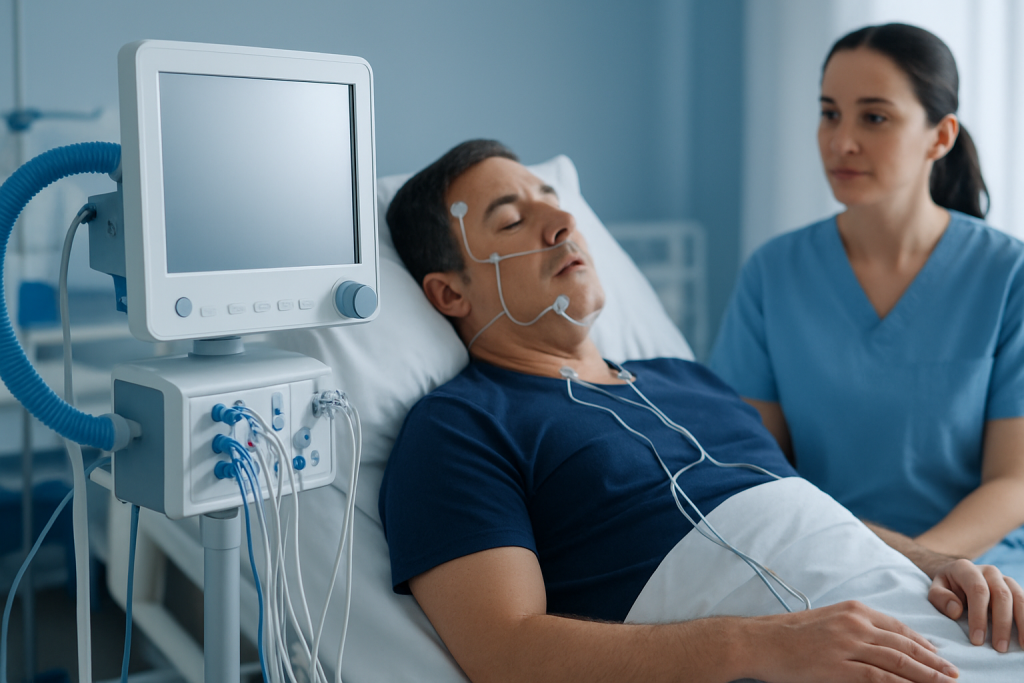
Snoring is usually easy to recognize because it creates a rough, vibrating sound during sleep. It may be soft and occasional, or loud enough to be heard through a closed door. Some people notice it only when they sleep on their back, after drinking alcohol, or during a cold or allergy flare.
Snoring becomes more important when it comes with other signs of disrupted breathing or poor sleep. These can include waking with a dry mouth, morning headaches, feeling unrefreshed, daytime sleepiness, irritability, or trouble concentrating.
It is also important to pay attention to breathing pauses, gasping, choking noises, or restless sleep. These features can suggest that the airway is narrowing or closing repeatedly at night, which deserves medical evaluation rather than home treatment alone.
- Frequent loud snoring
- Observed pauses in breathing
- Gasping or choking during sleep
- Dry mouth on waking
- Non-restorative sleep or daytime fatigue
Causes & Risk Factors

Snoring starts when airflow is restricted enough to make nearby tissues vibrate. The blockage can be in the nose, at the base of the tongue, in the soft palate, or deeper in the throat. Some people have more than one contributing factor, which is why the same remedy does not work for everyone.
Common causes include nasal congestion from allergies or a deviated septum, enlarged tonsils, a long soft palate, relaxed throat muscles during sleep, and sleeping on the back. Alcohol and sedative medicines can worsen snoring because they further relax the airway muscles.
Risk factors can include excess body weight, older age, smoking, and a family history of snoring or sleep apnea. Pregnancy can also increase snoring in some people because of hormonal and airway changes. In children, enlarged tonsils and adenoids are frequent causes and may need a pediatric ENT assessment.
Understanding the cause matters because a nasal problem, a structural throat issue, and sleep apnea are managed differently. What helps one person may do very little for another if the underlying trigger has not been identified.
Diagnosis
Diagnosis begins with a conversation about when the snoring happens, how loud it is, whether it changes with position, and whether there are signs of poor sleep or breathing pauses. A doctor may also ask about allergy symptoms, alcohol use, medications, weight changes, and previous nasal or throat problems.
A physical examination can look for nasal blockage, swollen tissues, enlarged tonsils, a large tongue, or jaw and palate features that may narrow the airway. In some cases, the next step is a sleep study, which may be done in a sleep lab or, for selected patients, with a home sleep apnea test.
Testing is especially important when there are symptoms that suggest obstructive sleep apnea. That condition cannot be confirmed by sound alone; it requires evaluation of breathing, oxygen levels, and sleep patterns. For people traveling internationally, a clear diagnosis before treatment helps reduce delays and allows follow-up to be planned more smoothly after returning home.
Treatment Options
Treatment depends on the cause and severity of the snoring. For mild or positional snoring, lifestyle changes may be enough. For nasal obstruction, allergy management or treatment of a structural problem may help. If sleep apnea is present, treatment is aimed at keeping the airway open throughout the night, not just reducing the sound.
Practical options can include side sleeping, avoiding alcohol close to bedtime, improving sleep hygiene, treating nasal congestion, and reducing weight if excess weight is contributing. Some people benefit from oral appliances fitted by a dental sleep specialist, especially when snoring is linked to jaw position or mild airway collapse.
When anatomy is a major factor, an ENT specialist may discuss procedures to address a deviated septum, enlarged tonsils, or certain soft tissue problems. Surgery is not the first answer for everyone, but it can be considered when a specific structural issue is clearly limiting airflow and simpler measures have not helped.
- Positional therapy to avoid back sleeping
- Allergy treatment or nasal sprays as advised by a clinician
- Oral appliance therapy for selected patients
- CPAP for obstructive sleep apnea, when indicated
- Targeted ENT procedures for structural airway problems
Prevention & Self-care
Some snoring can be reduced with everyday changes that keep the airway as open as possible. Side sleeping is often the easiest place to start, because gravity can make snoring worse when a person lies on their back. A body pillow or positional support may help maintain that posture through the night.
It also helps to limit alcohol before bedtime, avoid unnecessary sedatives unless prescribed and reviewed by a doctor, and manage nasal allergies or congestion early rather than waiting until sleep is already disrupted. Keeping a regular sleep schedule may not stop snoring on its own, but it can reduce the extra muscle relaxation that comes with sleep deprivation.
If excess weight is a factor, even modest changes may improve airway space and nighttime breathing. Humidified air, saline rinses, and allergy control can be useful for some people with nasal dryness or irritation, but they work best when matched to the underlying cause rather than used as a substitute for assessment.
For patients planning care abroad, it is sensible to collect prior reports, medication lists, and any sleep test results before traveling. That makes consultations more efficient and helps specialists build a treatment plan that continues safely after the trip.
When To See a Doctor
Snoring should be evaluated when it is loud, persistent, or disruptive, especially if it is affecting daytime function or a partner’s sleep. A medical review is also wise if the snoring has started suddenly, seems to be getting worse, or is associated with nasal blockage that does not improve.
Prompt assessment is particularly important if there are pauses in breathing, choking or gasping during sleep, high blood pressure, morning headaches, or marked daytime sleepiness. These signs can point to obstructive sleep apnea, which may increase the strain on overall health if left untreated.
Children with habitual snoring should also be examined, since enlarged tonsils, adenoids, or other airway issues may be involved. In adults and children alike, evaluation helps separate harmless snoring from a breathing disorder that needs treatment.
Acibadem Health Point’s multidisciplinary specialists and JCI-accredited hospitals diagnose and treat snoring-related conditions for international patients, with care plans that can be coordinated across ENT and sleep medicine when appropriate.
Living With Treatment and Follow-Up
Once a treatment is started, progress is usually checked by asking whether snoring has improved, sleep feels more refreshing, and breathing concerns have eased. Some approaches work quickly, while others need adjustment over time. A patient may need changes to an oral appliance, review of allergy control, or further testing if symptoms persist.
Follow-up matters because snoring often has more than one cause. A person may improve after treating congestion but still need evaluation for jaw position, sleep apnea, or another airway issue. Good follow-up is also useful for international patients, since it helps bridge care between the treating center and the doctor at home.
Most importantly, snoring should be approached as a manageable symptom rather than something to simply tolerate. With the right assessment, many people find a practical solution that improves sleep, reduces strain on relationships, and restores confidence in nightly rest.
Frequently asked questions
Is snoring always a sign of sleep apnea?
No. Many people snore without having sleep apnea. However, loud habitual snoring with breathing pauses, choking, or daytime sleepiness should be checked because it can indicate an underlying sleep disorder.
What is the fastest way to reduce snoring at home?
For many people, sleeping on the side and avoiding alcohol near bedtime are the quickest changes to try. If nasal congestion is part of the problem, improving nasal airflow may also help, but the best approach depends on the cause.
Can weight loss help stop snoring?
It can help when excess weight is contributing to airway narrowing. The effect varies from person to person, and weight loss should be viewed as one part of a broader plan rather than a guaranteed fix.
Do over-the-counter anti-snoring devices work?
Some may help mild snoring, but their effectiveness varies. Mouthpieces and other devices should be chosen carefully, especially because poorly fitted products can cause jaw discomfort or not address the real problem.
When is a sleep study needed?
A sleep study is often recommended when snoring is accompanied by breathing pauses, gasping, unrefreshing sleep, or significant daytime sleepiness. It helps confirm whether obstructive sleep apnea is present and guides the right treatment.
Can children snore for harmless reasons?
Yes, occasional snoring can happen in children, especially during a cold. But habitual snoring should be assessed, since enlarged tonsils, adenoids, or other airway issues may need treatment.
References
- American Academy of Sleep Medicine
- National Heart, Lung, and Blood Institute
- Mayo Clinic
- NHS
- World Health Organization
This article is for general information only and is not a substitute for professional medical advice. Please consult a qualified doctor about your individual situation.
Explore treatments in Turkey — costs, top hospitals & a free quote
JCI-accredited · board-certified surgeons · reply within 24h
Add us as a Preferred Source to see more of our trusted health content across Google Search, AI Overviews and Discover.