

Plastic Surgery Recovery At Home: Monitoring and Care

Key Takeaways
- Home recovery is usually guided by a planned follow-up process that begins before the patient leaves Turkey.
- Remote monitoring can include photo updates, video calls, symptom check-ins, and coordinated communication with the surgical team.
- Swelling, bruising, and fatigue are common early in recovery, but sudden pain, fever, redness, or shortness of breath need prompt medical review.
- Protecting incisions, wearing compression garments if advised, and avoiding strenuous activity support healing.
- Patients traveling internationally should keep written instructions, emergency contacts, and scheduled follow-up dates accessible after returning home.
Medically reviewed by the Acıbadem clinical team — July 13, 2026
Recovery after plastic surgery does not end at discharge. For patients returning home after treatment in Turkey, safe healing often depends on structured remote follow-up, clear self-care instructions, and knowing which changes are normal versus concerning.
Overview
Plastic surgery recovery is easier to manage when the plan is designed before the patient boards the flight home. For international patients treated in Turkey, the first few days after discharge are often only the beginning of the healing process, and much of the real monitoring happens once the patient is back in their own country.
That transition works best when the surgical team has already explained what to watch for, how often to send updates, and what type of contact to use if something changes. In practical terms, monitored recovery from home is a shared process: the patient observes daily changes, and the medical team interprets those changes in context.
Because procedures such as liposuction, tummy tuck, breast surgery, rhinoplasty, facelift, or body contouring each heal in a different rhythm, recovery is not managed with a single universal checklist. Instead, surgeons tailor follow-up instructions to the procedure, the patient’s health history, and the distance between the patient and the clinic. That individualized planning helps reduce uncertainty and supports safer healing after travel.
What home monitoring usually involves
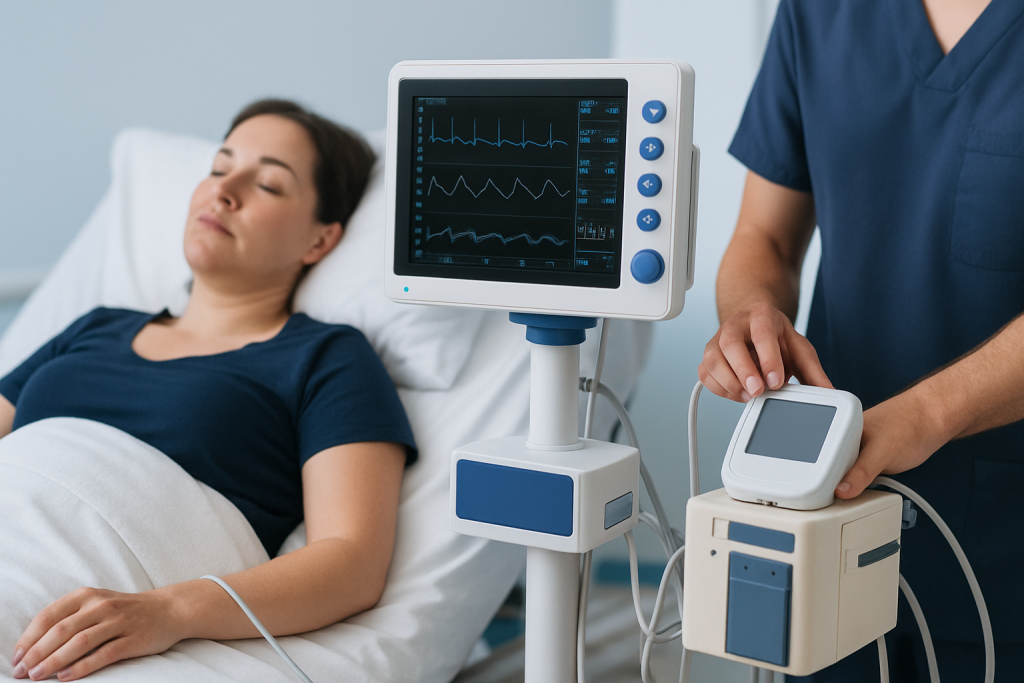
Once the patient leaves Turkey, recovery monitoring often shifts to a combination of written instructions and digital communication. The patient may be asked to send photos of incisions, describe pain levels, confirm garment use, or report swelling and bruising changes at specific intervals. Some teams schedule video consultations to check appearance, movement, and overall comfort in a way that feels more direct than text messages alone.
This type of follow-up is not meant to replace in-person care when it is needed. Rather, it helps the surgical team detect whether the healing pattern is staying on track or whether a local doctor at home should examine the patient sooner. Good monitoring also gives patients a clear standard for what is expected during recovery, which can be reassuring when they are away from the original surgical center.
Useful home-monitoring tools often include:
- secure photo updates of the surgical area at agreed times
- video follow-up appointments for visual assessment and questions
- a written symptom diary covering pain, swelling, drainage, temperature, and mobility
- clear emergency contact details for urgent concerns
- instructions for local medical review if the patient is unable to reach the surgical team quickly
Some patients also involve a family member or travel companion in the first days at home, especially if movement is limited or medications make them tired. A second set of eyes can make it easier to notice changes and follow instructions consistently.
Normal recovery signs versus warning signs

After plastic surgery, it is common to see gradual swelling, bruising, firmness, mild discomfort, and a sense of tightness around the operated area. These findings often improve slowly rather than all at once. Tiredness is also common, especially after procedures done under anesthesia or after long travel soon after surgery.
What matters most is the trend. Mild symptoms that slowly ease over time are usually part of normal recovery, while new or rapidly worsening symptoms deserve prompt attention. A patient who feels uncertain should not wait for the next planned check-in if something seems noticeably different.
Warning signs that should be reported quickly include:
- fever or chills
- increasing redness, heat, or spreading swelling
- drainage with a strong odor or unusual color
- sudden or severe pain not relieved by prescribed care
- shortness of breath, chest pain, or calf swelling
- bleeding that soaks dressings or does not slow down
- opening of the incision or rapidly changing asymmetry
These symptoms do not automatically mean something serious has happened, but they do need clinical guidance. When patients understand the difference between expected healing and warning signs, they can act earlier and avoid unnecessary worry.
Why recovery planning starts before the flight home
Safe recovery after leaving Turkey begins before the patient leaves the hospital or clinic. The surgeon and care team should explain how long the patient may need rest, what position is best for sleeping, whether compression garments or dressings should stay on, and which movements should be avoided. For patients traveling internationally, these instructions are especially important because access to the original surgical team becomes more limited once they return home.
Travel itself can affect recovery. Sitting for long periods, carrying luggage, and navigating airports may increase swelling or discomfort, especially after body procedures. For this reason, many teams advise patients on timing, assistance, and practical travel arrangements before departure. The goal is not to add restrictions for their own sake, but to reduce avoidable strain during a vulnerable period.
Patients may also be given a schedule for when to start walking more, return to work, or resume exercise. Those time frames vary widely by procedure and by individual healing, so patients should rely on their own surgeon’s guidance rather than comparing themselves with others online. A recovery plan that is written down, reviewed, and understood before departure is much easier to follow once the patient is back home.
Common causes of delayed healing or concern
Most recovery issues are minor and temporary, but some factors can slow healing or make monitoring more complicated. Smoking, poor nutrition, too much physical activity too soon, missed wound care, and not wearing a compression garment when recommended can all interfere with recovery. A patient’s broader health, including diabetes, circulation problems, or a history of poor wound healing, may also influence the pace of improvement.
In international patients, another important factor is distance from the surgical center. If a concern appears after returning home, the patient may need to coordinate with a local doctor, urgent care clinic, or emergency department while also updating the original surgical team. That is one reason why before-travel planning should include names, phone numbers, and a simple outline of what to do if symptoms change.
Travel-related fatigue can also make it harder to judge symptoms accurately. Swelling may be mistaken for normal post-op change, while dehydration or poor sleep may make pain feel stronger. Careful self-observation helps separate these everyday effects from signs that deserve a medical review.
How to care for incisions, garments, and daily activity at home
Most home-care instructions after plastic surgery are straightforward, but they need to be followed consistently. Incisions should be kept clean and protected exactly as directed. Dressings should be changed only according to the plan provided by the surgeon or wound-care team, because unnecessary handling can irritate the skin or introduce infection.
If compression garments were recommended, they should be worn in the manner advised. These garments can help support tissue, reduce swelling, and provide comfort, but only if they fit correctly and are used as instructed. Patients should also move around enough to prevent stiffness and encourage circulation, while still avoiding lifting, bending, or exercise that could strain the surgical area.
Practical self-care at home often includes:
- keeping follow-up photos consistent in lighting and angle
- tracking daily temperature if advised by the surgeon
- taking prescribed medicines only as directed
- avoiding alcohol or tobacco if the care team has recommended that approach
- maintaining hydration and balanced meals to support tissue repair
- resting enough to allow the body to heal without overexertion
Recovery instructions may feel detailed, but each one serves a purpose. The more closely the patient follows the plan, the easier it becomes for the medical team to interpret healing accurately from a distance.
How virtual follow-up works in real life
Virtual follow-up is most useful when it is organized rather than casual. A patient may be asked to send updates on specific days after surgery, answer a symptom questionnaire, or join a video call that allows the surgeon to assess visible changes. Some teams also ask patients to show movement, posture, or breathing comfort during the call, depending on the procedure.
Because photography can be subjective, clear images matter. Good follow-up photos are usually taken in natural light, from the angle suggested by the team, and without filters or edits. When patients use the same method each time, small changes are easier to compare. That consistency is particularly helpful when the original surgery involved symmetry, contour, or facial balance.
International patients often feel more secure when they know exactly who will answer questions after they return home. In some cases, the original surgical team remains the first point of contact; in others, patients are advised to see a local physician for physical examination if an issue cannot be assessed remotely. If needed, multidisciplinary specialists and JCI-accredited hospitals such as those associated with Acibadem Health Point can help diagnose and treat these conditions for international patients in a coordinated setting.
When to see a doctor
Patients should contact a doctor promptly if they notice worsening pain, fever, redness that spreads, foul-smelling drainage, sudden swelling, or any breathing-related symptom. These changes are worth assessing early because timely review is often simpler than waiting until a problem becomes more uncomfortable. Even if the concern turns out to be minor, the patient gains clarity and reassurance.
Urgent medical attention is especially important for chest pain, shortness of breath, fainting, one-sided leg swelling, heavy bleeding, or confusion. These symptoms need immediate evaluation rather than a routine message to the clinic. If the patient is far from the original surgical center, the safest step is usually to seek local emergency care first and then inform the operating team as soon as possible.
Follow-up appointments should also not be skipped just because the patient feels well. Some issues, such as fluid collection, healing imbalance, or delayed wound changes, are easier to catch at a scheduled review than at the moment symptoms begin. Staying in touch with the care team until recovery is complete is an important part of the treatment, not an optional extra.
Frequently asked questions
How is plastic surgery recovery checked after the patient leaves Turkey?
Recovery is often monitored through scheduled photo updates, video calls, symptom reporting, and written instructions from the surgical team. The aim is to track whether healing is progressing normally and to identify concerns early. Patients are usually told exactly when and how to send updates before they travel home.
What symptoms are normal after plastic surgery at home?
Mild swelling, bruising, tightness, and tiredness are common after many procedures. These symptoms usually improve gradually over time. What matters most is whether they are becoming better, staying stable, or getting worse.
Can a local doctor help if something goes wrong after surgery abroad?
Yes. If the patient cannot reach the original surgical team quickly or needs an in-person exam, a local doctor or urgent care clinic can provide assessment and basic treatment. The patient should then update the surgical team so care can be coordinated.
How often should patients send recovery updates?
The schedule varies by procedure and by surgeon. Some patients are asked to check in several times during the first week, while others may have spaced follow-ups over a longer period. The most important step is to follow the exact plan given at discharge.
Do compression garments and dressings really matter?
When they are recommended, they can be an important part of recovery. They help support the tissues, manage swelling, and protect the surgical area. They should be used only as directed, because fit and timing matter.
When should a patient stop waiting and get medical help?
Medical help should be sought promptly for fever, spreading redness, unusual drainage, severe pain, shortness of breath, chest pain, or heavy bleeding. These symptoms are not something to watch casually at home. If they appear, the patient should contact a doctor right away or seek emergency care.
References
- American Society of Plastic Surgeons
- National Health Service
- Mayo Clinic
- World Health Organization
- International Society of Aesthetic Plastic Surgery
This article is for general information only and is not a substitute for professional medical advice. Please consult a qualified doctor about your individual situation.
More from the Health Library



Related Specialists

Dr. Serkan Tokgönül
Aesthetic Plastic & Reconstructive Surgery
Dr. Ömercan Yağız Öksüz
Aesthetic Plastic & Reconstructive Surgery
Prof. Dr. Mehmet Veli Karaaltın
Aesthetic Plastic & Reconstructive Surgery
Dr. Nezail Demirciler
Plastic, Reconstructive and Aesthetic Surgery