How Much Deep Sleep Do You Need

Key Takeaways
- Deep sleep is one part of healthy sleep, and the amount needed varies by age and individual factors.
- Children usually spend more time in deep sleep than adults, while deep sleep tends to decrease gradually with age.
- Poor sleep quality, stress, certain medications, alcohol, and sleep disorders can reduce deep sleep.
- A sleep diary, symptom review, and sometimes a sleep study can help identify why sleep feels unrefreshing.
- Healthy routines and treatment of underlying conditions can improve overall sleep quality and restoration.
Deep sleep is the stage most closely linked with physical restoration, memory support, and feeling refreshed the next day. The amount a person needs varies with age, health, and lifestyle, and it is more useful to look at sleep quality and daytime function than any single number alone.
Overview
Deep sleep is the stage of sleep that helps the body feel restored. It is sometimes called slow-wave sleep or stage N3 sleep. During this part of the night, the brain is less responsive to the outside world, the breathing and heart rate usually slow down, and the body focuses on repair and recovery.
People often ask, how much deep sleep do you need, because the answer seems like it should be a single number. In reality, it is more helpful to think about deep sleep as one important piece of a larger sleep pattern. Total sleep time, regular sleep timing, and how rested a person feels during the day all matter.
Deep sleep is especially important for physical restoration, immune support, and memory processing. If a person consistently wakes up tired, has trouble concentrating, or feels unrefreshed despite enough time in bed, the issue may be less about a perfect deep-sleep number and more about sleep fragmentation, stress, or an underlying sleep disorder.
What Deep Sleep Does
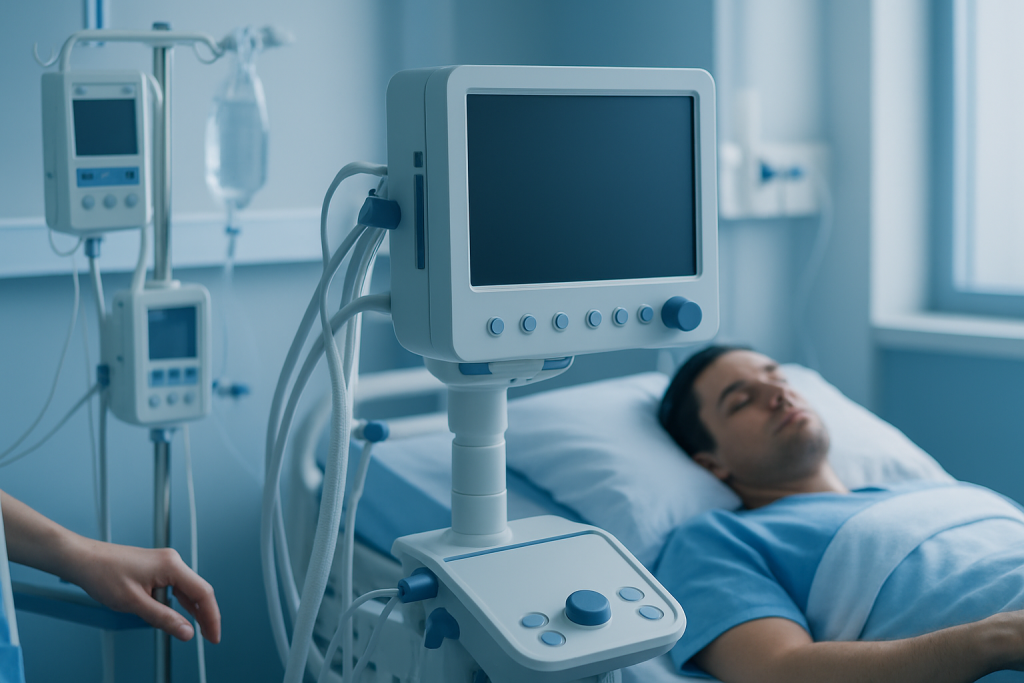
Deep sleep plays a practical role in everyday health. It is the stage when the body carries out many of its most restorative processes, including tissue repair and hormone regulation. It also supports the brain’s ability to store and organize information learned during the day.
Because deep sleep is such a restorative phase, people often notice its effects the next morning rather than during sleep itself. A person may feel more mentally clear, physically recovered, and emotionally steadier when enough deep sleep is part of a healthy sleep cycle.
Sleep unfolds in cycles through the night, and deep sleep is usually more concentrated in the earlier part of the sleep period. Later in the night, REM sleep becomes more prominent. That is one reason why both sleeping long enough and sleeping at regular times can matter for overall rest.
How Much Deep Sleep Is Typical?

There is no exact deep-sleep target that applies to everyone. In healthy adults, deep sleep often makes up a smaller share of total sleep than it does in childhood, and the percentage tends to vary from night to night. A person may have more deep sleep after sleep deprivation, intense exercise, or a particularly demanding day.
Children and teenagers usually spend more time in deep sleep than adults because growth and development place greater demands on the body and brain. As people age, deep sleep often declines gradually. This is a normal pattern and does not automatically mean that sleep is unhealthy.
Instead of focusing only on a number, it helps to ask a few broader questions:
- Does the person sleep long enough most nights?
- Do they wake up feeling reasonably refreshed?
- Is daytime alertness, mood, and concentration acceptable?
- Are there signs of frequent awakenings, snoring, or breathing pauses?
If the answer to several of these questions is no, it may be worth exploring why sleep is not restorative, even if total sleep time seems adequate.
Symptoms of Too Little Restorative Sleep
Poor deep sleep is not something a person can usually measure on their own with certainty, especially with consumer sleep trackers, which can be helpful but are not medically precise. What people do notice is the effect of poor sleep quality. Common clues include waking up tired, brain fog, irritability, and reduced stamina.
Some people also notice that they take longer to recover from exercise or illness, feel sleepy during quiet parts of the day, or rely heavily on caffeine to function. In children, poor sleep may show up as behavior changes, hyperactivity, or difficulty paying attention rather than obvious sleepiness.
Symptoms that suggest a deeper sleep problem rather than an occasional bad night can include:
- Regularly waking unrefreshed
- Loud snoring or choking sounds during sleep
- Frequent nighttime awakenings
- Morning headaches
- Difficulty concentrating or memory lapses
Causes & Risk Factors
Several factors can reduce deep sleep or make sleep less restorative overall. Stress is one of the most common. When the mind stays alert at night, sleep can become lighter and more fragmented, making deep sleep harder to reach or maintain.
Age also plays a role. Deep sleep naturally decreases over time, and older adults may spend more of the night in lighter sleep stages. Certain medications, alcohol, shift work, irregular sleep schedules, and late-night screen exposure can further disrupt sleep architecture.
Some health conditions can interfere with deep sleep as well. These may include sleep apnea, restless legs syndrome, chronic pain, depression, anxiety, and some hormonal or neurologic conditions. In international patients who are traveling for care, jet lag, unfamiliar sleeping environments, and changing routines can temporarily disturb sleep too.
Risk factors that commonly matter include:
- Short or irregular sleep schedules
- High stress or anxiety
- Alcohol use close to bedtime
- Stimulants late in the day
- Sleep-disrupting medical conditions
Diagnosis
There is no simple home test that accurately counts deep sleep in a medical sense. Healthcare professionals usually evaluate the bigger picture: how the person sleeps, how they feel during the day, and whether symptoms point toward a sleep disorder.
Evaluation often begins with a detailed sleep history. A doctor may ask about bedtime habits, wake times, caffeine or alcohol use, snoring, breathing pauses, restless legs, pain, medications, and stress levels. A sleep diary can be especially useful because it shows patterns that are easy to miss in a single appointment.
When needed, testing may include overnight sleep studies, also called polysomnography. This can help identify conditions such as sleep apnea or periodic limb movements that disrupt sleep stages. In some cases, blood tests or other evaluations are used to rule out contributing medical issues.
Treatment Options
Treatment depends on what is limiting restorative sleep. If the cause is an irregular routine or poor sleep habits, the first step may be behavioral changes. If the cause is a medical condition, the priority is to treat that condition directly so sleep can improve as well.
Common approaches include improving sleep hygiene, managing stress, adjusting medications when appropriate, and treating sleep disorders. For example, sleep apnea may require continuous positive airway pressure (CPAP) or another physician-directed approach, while restless legs syndrome may need a targeted medical evaluation.
Supportive treatment often works best when it is personalized. Some patients benefit from cognitive behavioral therapy for insomnia, which helps retrain the brain’s relationship with sleep. Others may need guidance about pain control, reflux management, or timing of exercise and meals. For international patients, treatment planning may also include coordination of tests, interpretation of results, and follow-up care after returning home.
Prevention & Self-care
Deep sleep is influenced by the overall pattern of life, not just the hours spent in bed. A steady sleep schedule, a comfortable bedroom, and a predictable wind-down routine can help the body settle into deeper stages of sleep more reliably.
Helpful habits often include keeping bedtime and wake time consistent, limiting alcohol near bedtime, reducing late caffeine, and avoiding heavy meals right before sleep if they cause discomfort. Daytime movement can support better sleep as well, though intense exercise very late in the evening may be stimulating for some people.
Practical self-care steps include:
- Use the bed mainly for sleep and intimacy, not prolonged screen time
- Keep the room cool, dark, and quiet
- Expose the body to natural light earlier in the day
- Build a calming pre-sleep routine
- Address ongoing pain, nasal congestion, or reflux with medical advice
Sleep trackers can be used as a rough guide, but they should not replace how the person actually feels or a clinician’s assessment. If sleep remains poor despite good habits, a more complete medical review may be needed.
When to See a Doctor
It is sensible to speak with a doctor when poor sleep is persistent, affects daytime functioning, or appears linked to symptoms such as snoring, breathing interruptions, morning headaches, or severe daytime sleepiness. These signs can point to a treatable sleep disorder rather than simple stress or a busy schedule.
A medical review is also helpful if a person has a chronic illness, takes multiple medicines, works nights, or has recently traveled across time zones and the sleep problem is not settling. Children, older adults, and people with heart or neurologic conditions may especially benefit from a tailored evaluation.
Acibadem Health Point’s multidisciplinary specialists and JCI-accredited hospitals diagnose and treat sleep-related conditions for international patients, with care plans that can be coordinated across testing, treatment, and follow-up.
Prompt attention is especially worthwhile when poor sleep is paired with safety concerns such as drowsy driving, repeated nighttime choking, or significant mood changes. A qualified doctor can help determine whether the issue is simply a disrupted routine or something that needs targeted treatment.
Frequently asked questions
How much deep sleep do adults need each night?
There is no exact deep-sleep quota that fits every adult. Deep sleep usually makes up a smaller share of the night than it does in childhood, and healthy adults vary from night to night. What matters most is whether sleep feels restorative and daytime functioning is steady.
Does deep sleep decrease with age?
Yes, deep sleep often declines gradually as people get older. This is a normal part of sleep aging and does not always indicate a problem. If sleep becomes unrefreshing or is accompanied by snoring, awakenings, or daytime sleepiness, a doctor’s evaluation can help.
Can a sleep tracker tell how much deep sleep someone gets?
Sleep trackers can offer a rough estimate, but they are not as accurate as medical sleep testing. They may be useful for noticing trends over time, but they should not be treated as a diagnosis. How the person feels during the day is still very important.
What can reduce deep sleep?
Stress, alcohol, irregular sleep schedules, certain medications, and sleep disorders can all interfere with deep sleep. Pain, breathing problems at night, and restless legs can also fragment sleep. Addressing the underlying cause is usually the most effective approach.
How can someone improve deep sleep naturally?
Consistent sleep timing, a calm bedtime routine, and a sleep-friendly bedroom often help. Limiting late caffeine, avoiding heavy alcohol use near bedtime, and getting regular daytime activity can also support better sleep. If symptoms persist, medical advice is important.
When should poor sleep be checked by a doctor?
Persistent unrefreshing sleep, loud snoring, breathing pauses, morning headaches, or excessive daytime sleepiness should be assessed. A doctor can look for treatable causes such as sleep apnea or insomnia. This is especially important if sleep problems affect driving, work, or overall health.
References
- National Sleep Foundation
- American Academy of Sleep Medicine
- National Institute of Neurological Disorders and Stroke
- Mayo Clinic
- Centers for Disease Control and Prevention
This article is for general information only and is not a substitute for professional medical advice. Please consult a qualified doctor about your individual situation.