How Long Does Alcohol Stay In Your System

Key Takeaways
- The body processes alcohol at a steady but limited pace, so time is the main factor that lowers blood alcohol levels.
- Different tests detect alcohol for different lengths of time; blood, breath, urine, saliva, and hair are not equivalent.
- Food, hydration, coffee, showers, and sleep do not remove alcohol faster, even if they may change how someone feels.
- Alcohol can interact with medicines and affect judgment long after drinking stops.
- Persistent symptoms, heavy drinking, or concerns about dependence deserve a conversation with a qualified doctor.
Alcohol leaves the body gradually, and the time it remains detectable depends on the amount consumed, the type of test used, and individual factors such as liver function and body size. Understanding these differences can help people make safer decisions about driving, medication use, and when to seek medical advice.
Overview
When people ask how long alcohol stays in the system, they are usually asking two different questions at once: how long alcohol continues to affect the body, and how long it can still be found on a test. Those answers are related, but they are not identical. Alcohol is absorbed quickly, then the liver breaks it down at a fairly predictable pace, which means time—not tricks or shortcuts—is what clears it from the body.
That pace can feel frustratingly slow after a night out. A person may feel more alert after coffee, fresh air, or sleep, yet alcohol can still be present in the bloodstream and can still affect coordination, reaction time, and decision-making. For international patients, this becomes especially relevant when travel plans, medication schedules, or medical procedures are involved, because even a small amount of alcohol can matter in a clinical setting.
It also helps to separate “feeling sober” from being alcohol-free. The body’s metabolism follows biology, not perception, and a person may underestimate how much remains in their system. For that reason, a cautious approach is safer than guessing, particularly before driving, taking sedating medicines, or undergoing treatment.
Symptoms and What Alcohol Does During the Elimination Process
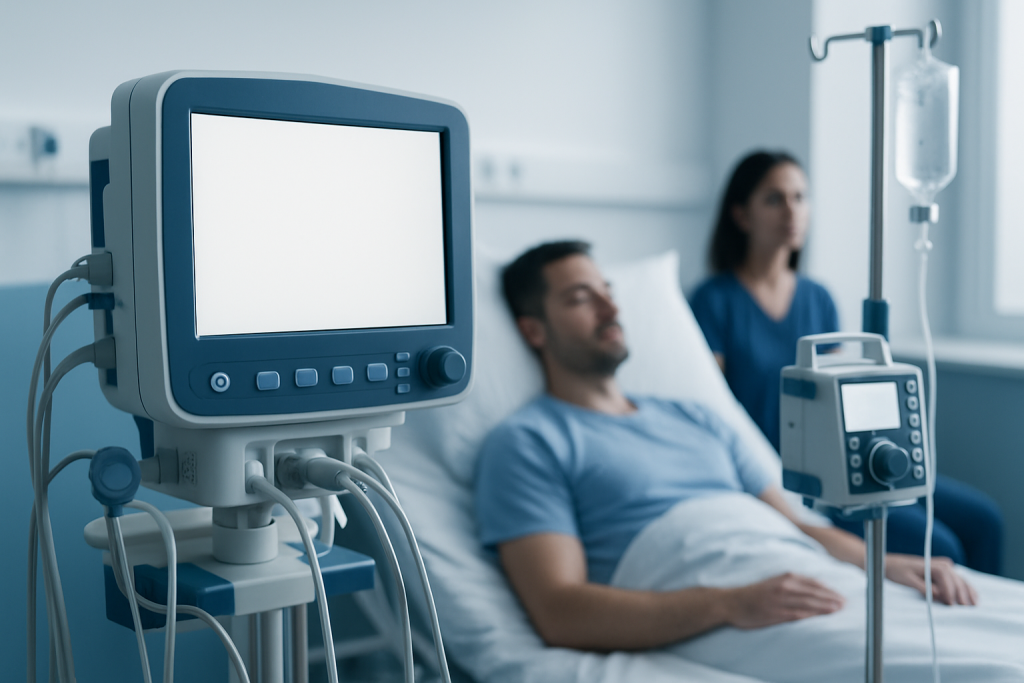
As alcohol level rises, the effects usually move from relaxation and lowered inhibition to impaired judgment, slowed reflexes, and poor balance. With higher amounts, vomiting, confusion, and sleepiness can appear. These effects fade gradually as the body metabolizes alcohol, but the timing varies from person to person.
Some people notice a “next-day” hangover even when the alcohol itself is already falling. That is because dehydration, poor sleep, stomach irritation, and the body’s inflammatory response can continue after drinking stops. A hangover is not a sign that alcohol is still high in the bloodstream, but it is a reminder that the body is still recovering.
Serious warning signs are uncommon but important to recognize. Trouble staying awake, repeated vomiting, breathing changes, seizures, or confusion that is out of proportion to the situation can signal alcohol poisoning or another medical issue. Those symptoms need urgent medical assessment.
Causes and Risk Factors That Change How Long Alcohol Stays in the Body

No two people process alcohol in exactly the same way. The liver does most of the work, and its ability to break down alcohol depends on overall health, genetic factors, age, sex-related body composition, and whether other substances are present. A smaller body size or lower water content in the body often leads to a higher blood alcohol concentration after the same amount of alcohol.
Food intake also changes absorption. Drinking on an empty stomach generally leads to faster rises in blood alcohol level, while a meal can slow that rise. Even so, food does not speed elimination; it mainly changes how quickly alcohol enters the bloodstream. Medication use matters too, because sedatives, opioids, sleep medicines, and some antihistamines can magnify alcohol’s effects.
People with liver disease, long-term heavy alcohol use, or certain metabolic conditions may process alcohol differently. Age can matter as well, since the body’s water content and liver reserve may change over time. In practical terms, this means that the same number of drinks can have a very different effect from one person to another.
Diagnosis and Testing Windows
There is no single test that answers every alcohol-related question. Blood testing gives the clearest near-term picture of active alcohol in the body, while breath tests are often used for roadside or workplace screening. Urine, saliva, and hair tests each have different detection windows and are used for different purposes.
In general, alcohol itself is detectable for a relatively short period in blood and breath, while urine may detect alcohol-related compounds for longer. Hair testing can reflect longer-term exposure rather than recent intoxication. A clinician or testing authority chooses the method based on the question being asked, such as whether someone is currently impaired or whether there has been recent use.
When a medical team evaluates a person after drinking, testing may also include glucose, electrolytes, liver function, and other checks if symptoms suggest complications. This is especially important if there has been vomiting, fainting, an injury, or a possible interaction with medication. For patients traveling from abroad, records of what was consumed, when it was consumed, and which medicines were taken can be very helpful.
Treatment Options and What Actually Helps
There is no fast-acting method that removes alcohol from the body. The only reliable treatment for ordinary alcohol elimination is time. Medical care, when needed, focuses on monitoring breathing, supporting hydration if appropriate, correcting low blood sugar or electrolyte problems, and protecting the person from injury while the body clears the alcohol.
If symptoms are mild, rest and avoiding more alcohol are often enough. If a person is very drowsy, hard to wake, having trouble breathing, or cannot keep fluids down, urgent medical attention is needed. In the hospital, treatment may include observation, fluids when clinically appropriate, anti-nausea care, vitamin support in selected cases, and investigation for trauma or aspiration.
For people who find it hard to control drinking, treatment should not be limited to one evening’s symptoms. Assessment for alcohol use disorder, counseling, medication options, and long-term support can reduce health risks and improve day-to-day functioning. A compassionate, individualized plan is especially valuable when the person is arranging care from another country and needs coordinated follow-up after leaving the clinic.
Prevention and Self-care Before and After Drinking
The most practical way to shorten alcohol’s impact is to drink less in the first place. Spacing drinks, choosing lower-alcohol options, and setting a clear limit before starting are simple strategies that reduce risk. Eating before or while drinking can slow absorption, which may soften the peak effect, but it does not make drinking safe in every situation.
After drinking, the focus should be on safety rather than “sobering up” quickly. Water can help with hydration, but it does not eliminate alcohol. A warm shower, strong coffee, exercise, or sleep may change alertness, yet none of these remove alcohol from the bloodstream. If there is any chance of impairment, it is safer not to drive, make major decisions, or take medicines that can cause drowsiness.
- Plan transportation ahead of time if alcohol may be involved.
- Avoid mixing alcohol with sedating medicines or recreational drugs.
- Do not use alcohol as a sleep aid, especially before medical appointments.
- If a procedure or scan is scheduled, ask the care team in advance about alcohol restrictions.
For international patients, a little planning goes a long way. When medical travel is involved, it is sensible to confirm pre-procedure instructions, medication restrictions, and any required fasting or abstinence windows before boarding a flight or arriving at the hospital.
When to See a Doctor
A doctor should be consulted if alcohol use is causing repeated blackouts, injuries, missed responsibilities, or concerns from family members. It is also wise to seek medical advice if drinking is regular enough that stopping suddenly might cause withdrawal symptoms, since withdrawal can be serious and sometimes requires supervised care.
Medical review is especially important when alcohol is combined with prescription medicines, when there is known liver disease, or when a person has symptoms that do not match a routine hangover. Chest pain, severe confusion, persistent vomiting, seizures, or difficulty breathing require urgent attention.
People preparing for surgery, imaging, fertility care, gastroenterology treatment, or any procedure with sedation should ask for clear instructions about alcohol use beforehand. At Acibadem Health Point, multidisciplinary specialists and JCI-accredited hospitals diagnose and treat alcohol-related concerns for international patients, with care coordinated across specialties when needed.
Frequently asked questions
How long does alcohol stay in your system overall?
It depends on the amount consumed, body size, liver function, and the type of test being used. Alcohol is broken down gradually by the liver, so the body needs time rather than a quick remedy to clear it. In many situations, alcohol’s effects fade before all testing windows close.
Can coffee, water, or a shower sober someone up faster?
No. These measures may make a person feel more awake or refreshed, but they do not speed up alcohol metabolism. Only time lowers the alcohol level in the body.
How long is alcohol detectable in blood or breath?
Blood and breath tests usually reflect recent alcohol use and are used to assess current impairment. The exact window varies, but these tests are generally shorter in duration than urine or hair testing. A clinician or testing authority can explain the method being used and what it means.
Does food keep alcohol from affecting the body?
Food can slow how quickly alcohol enters the bloodstream, especially if a person has eaten before drinking. It does not prevent intoxication and does not make alcohol leave the body faster. Eating should be seen as a harm-reduction measure, not a safety guarantee.
Why do some people seem to clear alcohol faster than others?
Differences in body composition, liver health, genetics, age, and drinking patterns all play a role. Medications and other health conditions can also change how alcohol is handled. This is why there is no single answer that fits everyone.
When should someone get medical help after drinking?
Urgent help is needed for trouble breathing, repeated vomiting, severe confusion, seizures, or difficulty staying awake. A doctor should also be consulted if drinking is becoming difficult to control or if there are concerns about withdrawal. When in doubt, it is safer to seek medical assessment.
References
- National Institute on Alcohol Abuse and Alcoholism
- Centers for Disease Control and Prevention
- World Health Organization
- Mayo Clinic
This article is for general information only and is not a substitute for professional medical advice. Please consult a qualified doctor about your individual situation.