Heating Pad: Uses, Benefits and Safety

Key Takeaways
- Heating pads are best for muscle tension, stiffness, and some types of mild pain.
- Heat should not be used on fresh injuries, areas with swelling, or numb skin without medical advice.
- Safe use means limiting time, checking skin often, and avoiding direct contact with the device.
- People with diabetes, poor circulation, or reduced sensation should use extra caution.
- Persistent, severe, or unexplained pain should be evaluated by a doctor rather than managed only at home.
Medically reviewed by the Acıbadem clinical team — August 19, 2026
A heating pad can be a simple way to soothe sore muscles, ease stiffness, and support comfort at home when used correctly. Understanding when heat helps, when it should be avoided, and how to use it safely can make the difference between useful relief and skin injury.
Overview
A heating pad is one of the simplest forms of heat therapy. It works by gently warming the skin and the tissues underneath, which can help muscles relax and may make an area feel less tight or achy. For many people, that warmth is comforting as well as practical, especially when pain makes rest, sleep, or daily movement harder.
Heat is often used for common, non-emergency problems such as neck tension, mild back pain, menstrual cramping, or muscle soreness after a long day of travel or sitting. The goal is not to “cure” a condition, but to support comfort and mobility while the body recovers or while a person is waiting for a medical plan.
For international patients, heating pads can also be part of a recovery routine after medical evaluation or rehabilitation, but only when the treating clinician agrees it is appropriate. That matters because different problems need different care: what feels soothing for a strained muscle may be unhelpful for an inflamed joint, a fresh injury, or a nerve-related problem.
Symptoms It May Help Ease
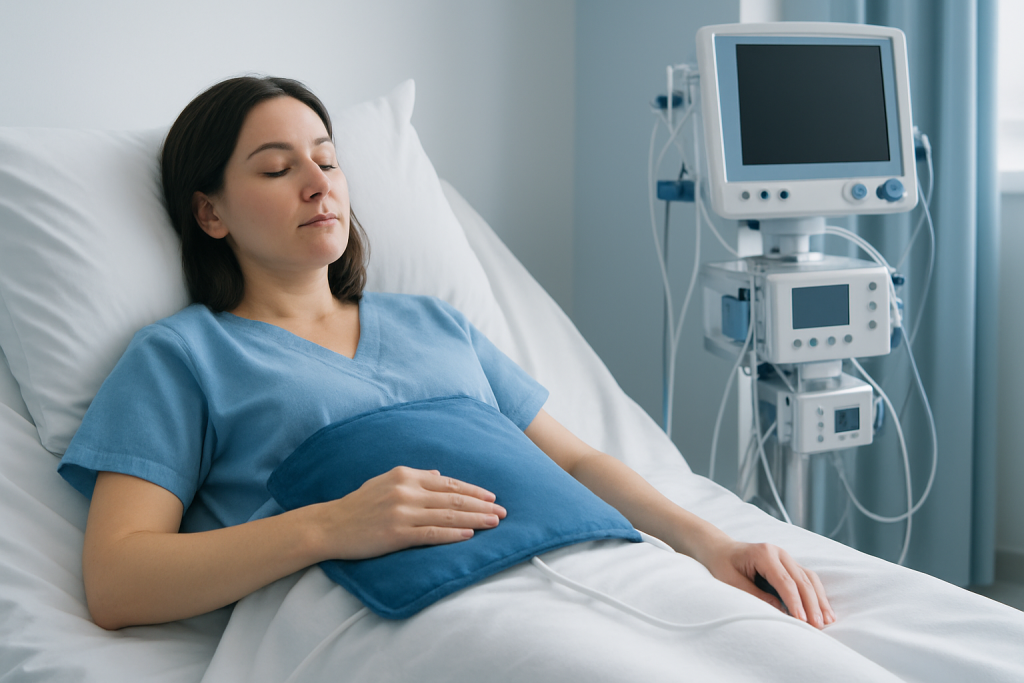
Heating pads are most often used when discomfort feels tight, crampy, or stiff rather than sharply inflamed. The warmth can reduce the sense of muscle guarding, which is the body’s tendency to “brace” around an area that hurts. That is why many people find heat helpful for morning stiffness or pain that worsens after inactivity.
Common situations where heat may provide relief include:
- Muscle tightness in the neck, shoulders, or lower back
- Menstrual cramps
- Joint stiffness that improves with gentle movement
- Minor aches after overuse or prolonged posture-related strain
- General soreness that is not linked to a recent injury with swelling
Heat is usually less suitable when pain is accompanied by redness, marked swelling, or a feeling of heat coming from the body already. In those settings, the problem may be more inflammatory, and a clinician may recommend a different approach such as rest, evaluation, or another form of pain management.
Causes & Risk Factors

People reach for a heating pad for many everyday reasons, but the underlying cause of pain matters. Muscle overuse, poor posture, sleeping in an awkward position, stress-related tension, and some chronic pain conditions can all create discomfort that responds well to warmth. Heat may also be useful during recovery from non-acute muscle strain when a doctor says it is safe.
Certain factors can make heating pad use riskier. Reduced sensation, neuropathy, diabetes, circulation problems, older age, and skin fragility increase the chance of a burn because the skin may not signal excessive heat quickly enough. People taking medicines or having conditions that affect awareness, balance, or judgment should also be cautious.
Fresh injuries are a different category. If pain began after a fall, twist, sports injury, or impact and the area is swollen or bruised, cold therapy is often considered first rather than heat. The best choice depends on the cause, which is why self-treatment should stay conservative until the situation is clearer.
How Doctors Evaluate Pain Before Recommending Heat
When a person seeks care for pain, a doctor usually starts by asking where it hurts, when it began, what makes it better or worse, and whether there was an injury. This history helps separate likely muscle tension from joint inflammation, nerve irritation, or something more serious. A physical examination may follow to check movement, tenderness, swelling, and any signs of nerve involvement.
Tests are not always needed for simple soreness. However, if symptoms are severe, persistent, recurrent, or linked to other concerns such as numbness, weakness, fever, or unexplained weight loss, the clinician may recommend imaging or other investigations. The purpose is to identify the real source of pain so the patient uses the right treatment instead of relying on heat alone.
For patients traveling from another country, this step can be especially important because follow-up may need to happen across time zones and health systems. Clear diagnosis up front makes it easier to continue care safely once the person returns home.
Treatment Options
Heating pads are usually just one part of a broader symptom-management plan. Depending on the cause of pain, treatment may include rest, gentle stretching, physiotherapy, posture changes, supportive exercises, or other doctor-recommended approaches. For some people, over-the-counter Sciatica Pain Relief: Treatments and Self-Care" class="ahp-ilk">pain relief may be appropriate, but medication choices should always be individualized and discussed with a clinician.
Different heat sources can be used, including electric heating pads, microwaveable packs, and warm compresses. The safest option is the one that allows the temperature to be controlled and the skin to be checked regularly. A thin layer of fabric between the pad and the skin can help reduce the risk of burns.
Heat is usually applied for short periods rather than continuously. Long, unattended use is not a good idea, especially during sleep. If the area becomes red, painful, numb, or unusually hot, the heat should be stopped and the skin should be inspected.
When pain is part of a larger condition, treatment may focus on the underlying issue instead of repeated heat use. That can include rehabilitation, injections, medication review, ergonomic adjustments, or specialist referral, depending on the diagnosis.
Prevention & Self-care
Safe heating pad use begins with a simple rule: warmth should feel comfortable, not intense. The device should never be placed directly against the skin for prolonged periods, and it should not be used while sleeping or when the person may not notice overheating. Checking the skin every so often helps catch early irritation before it becomes a burn.
A few practical habits can make heat therapy safer and more useful:
- Limit each session to a short, planned period
- Use a low or moderate setting rather than high heat
- Keep the pad flat to avoid concentrated hot spots
- Avoid use on numb, broken, or irritated skin
- Do not combine with creams, ointments, or tight wrapping unless advised by a doctor
Self-care also means knowing when heat is not the answer. If pain started suddenly, follows an injury, or keeps returning despite home care, it is better to pause self-treatment and seek medical advice. Stretching, hydration, movement breaks during travel, and ergonomic support often help alongside or instead of heat.
When to See a Doctor
Medical evaluation is important when pain is severe, lasts longer than expected, or keeps coming back. A doctor should also be contacted if the painful area is swollen, red, numb, weak, or difficult to move, or if there is fever, chest pain, shortness of breath, or pain after a significant injury. These features suggest that more than simple muscle tension may be going on.
It is also wise to ask for advice before using a heating pad if the person has diabetes, poor circulation, neuropathy, reduced sensation, or a skin condition that makes burns more likely. Children and older adults may need extra supervision as well.
For people arranging care from abroad, a trusted medical team can help determine whether heat is appropriate and what else should be included in the recovery plan. Acibadem Health Point’s multidisciplinary specialists and JCI-accredited hospitals diagnose and treat many pain-related conditions for international patients, with follow-up planning designed to be clear and manageable across borders.
Living With Ongoing Aches: Making Heat Part of a Bigger Plan
For recurring back tension, menstrual cramps, or muscle stiffness, a heating pad can be a helpful comfort tool, but it works best when paired with habits that reduce repeat strain. Regular movement, good sleep positioning, stretching recommended by a clinician, and attention to posture often matter as much as the heat itself.
If symptoms are chronic, it helps to keep a brief record of when the pain appears, what it feels like, and what makes it better. That information can guide a doctor more accurately than a vague description of “aches.” It can also show whether heat is truly helping or only masking a problem that deserves treatment.
The most useful home care is usually the care that fits the diagnosis. A heating pad can be a calm, effective part of that picture when used thoughtfully and with the right expectations.
Frequently asked questions
What does a heating pad help with most often?
Heating pads are commonly used for muscle tension, stiffness, and cramps. They may feel especially helpful when pain is due to tightness rather than swelling or a new injury. If the cause of pain is unclear, it is safest to ask a doctor before relying on heat.
Can a heating pad be used on a fresh injury?
Usually not at first, especially if the area is swollen, bruised, or painful after an impact. Fresh injuries are often managed differently, and heat may make swelling worse in some cases. A clinician can advise whether heat is appropriate later in the recovery process.
How long should a heating pad be used?
It is generally safer to use heat for short, planned sessions rather than for long stretches. The skin should be checked regularly, and the pad should never be used while sleeping. If the skin becomes too warm, red, or uncomfortable, the session should end.
Who should be extra careful with heating pads?
People with diabetes, neuropathy, poor circulation, reduced sensation, or fragile skin should be cautious because burns can happen more easily. Older adults and children may also need closer supervision. A doctor can help decide whether heat is a safe option.
What is the difference between heat and cold therapy?
Heat is usually used for stiffness, muscle tightness, and some chronic aches, while cold is more often used soon after an injury or when swelling is present. The right choice depends on the cause of the pain. When in doubt, medical advice is better than guessing.
When should pain be checked by a doctor instead of treated at home?
Pain should be assessed if it is severe, keeps returning, lasts longer than expected, or comes with swelling, numbness, weakness, fever, or breathing problems. Sudden pain after a significant injury also needs evaluation. Home treatment is best for mild symptoms that are clearly understood and improving.
References
- Mayo Clinic
- Cleveland Clinic
- National Institute of Arthritis and Musculoskeletal and Skin Diseases
- NHS
- American Academy of Family Physicians
This article is for general information only and is not a substitute for professional medical advice. Please consult a qualified doctor about your individual situation.
Joint and spine care in Turkey — expert assessment & treatment
JCI-accredited · board-certified surgeons · reply within 24h
Add us as a Preferred Source to see more of our trusted health content across Google Search, AI Overviews and Discover.