Gynecomastia Surgery Planning: What Changes If Gland, Fat, or Skin Is the Main Issue?

Key Takeaways
- The main cause of chest fullness strongly shapes the surgical plan.
- Firm gland tissue is usually treated differently from soft fat alone.
- When skin is stretched, extra steps may be needed to avoid a loose or uneven result.
- A good evaluation includes medical history, examination, and sometimes imaging or hormone testing.
- Recovery planning matters, especially for patients traveling from another country.
Medically reviewed by the Acıbadem clinical team — June 13, 2026
Gynecomastia surgery is planned around what is actually creating the chest fullness: gland tissue, fat, or stretched skin. A careful assessment helps guide whether liposuction, gland removal, skin tightening, or a combination will offer the most natural-looking result.
Overview
Gynecomastia surgery is rarely a one-size-fits-all procedure. In practice, the surgeon first asks a simple but important question: what is making the chest look enlarged — gland, fat, skin, or a combination of the three?
That distinction changes nearly every part of planning, from the incision pattern to whether liposuction is useful, and whether skin will naturally contract afterward or need a more deliberate tightening approach. For men considering treatment, especially those arranging care while traveling internationally, understanding this planning step can make the process feel far more predictable and less mysterious.
Gynecomastia refers to benign enlargement of male breast tissue. Some cases are mainly firm glandular tissue beneath the nipple, some are mostly fatty fullness across the chest, and some involve stretched skin after long-standing enlargement or major weight loss. The best surgical plan matches the underlying anatomy rather than simply reducing volume in a general way.
Symptoms and What Patients Usually Notice
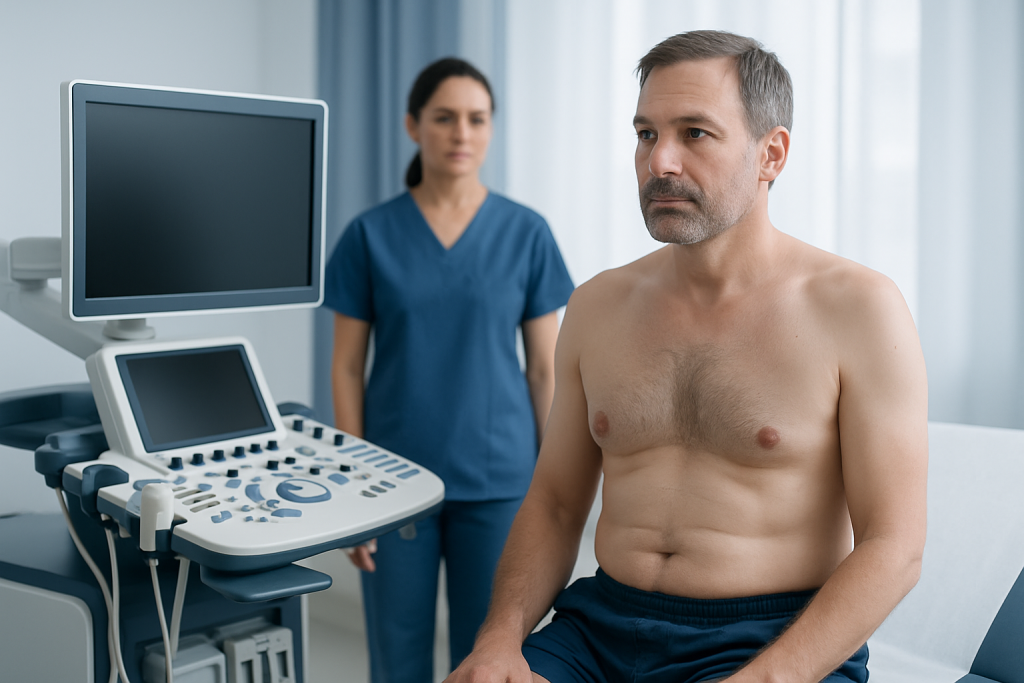
Most men seek advice because the chest no longer matches the rest of the body. The change may be subtle in clothing but more obvious in fitted shirts, swimwear, or after exercise. Some notice a rounded, puffy area around the nipple, while others feel a soft, heavy fullness extending outward over the chest.
The texture often gives a clue. Gland-related gynecomastia tends to feel firmer, sometimes rubbery, beneath the areola. Fatty enlargement is usually softer and more diffuse. When skin excess is present, the chest may look deflated, droopy, or uneven, especially when the patient bends forward or raises the arms.
Physical symptoms are often mild, but tenderness or sensitivity can occur. Emotional discomfort is also common, and many patients report avoiding certain clothes, locker rooms, or photos. A thoughtful consultation should address both the physical findings and the practical impact on daily life.
Causes and Risk Factors

Gynecomastia can develop for different reasons, and the cause often helps explain which tissue is dominant. Hormonal changes during puberty or later in adulthood may stimulate glandular growth. Certain medications, alcohol use, anabolic steroids, and some medical conditions can also contribute. In other cases, the issue is primarily fat deposition rather than true gland enlargement.
Weight changes matter as well. A patient who loses a significant amount of weight may be left with loose skin that did not shrink back fully. That situation is different from a young, lean patient with a small but firm gland under the nipple. The surgical plan should reflect that difference, because removing tissue alone does not always solve a skin problem.
Common factors that influence planning include:
- Hormonal imbalance or pubertal gynecomastia
- Overweight or obesity with fatty chest fullness
- Major weight loss with stretched or hanging skin
- Medication-related breast enlargement
- Use of anabolic steroids or certain supplements
- Underlying liver, thyroid, or testicular conditions
In many patients, more than one factor is present. A careful medical review helps distinguish true gynecomastia from generalized chest fat and identifies any health issue that should be addressed before surgery.
Diagnosis and Preoperative Assessment
Planning begins with an experienced physical examination. The surgeon will usually examine the chest while the patient is standing and lying down, feeling for the difference between gland, fat, and skin laxity. The shape of the nipple-areola complex, chest symmetry, and any signs of droop are also assessed.
Depending on the history, additional testing may be recommended. Some patients need blood work to look for hormonal or endocrine causes. Imaging is not required in every case, but ultrasound or other studies may help when the diagnosis is unclear or when a mass feels atypical. If there is pain, nipple discharge, one-sided enlargement, or a new change later in life, the doctor may investigate more carefully.
For international patients, this assessment is especially important because it helps determine whether surgery can be planned efficiently during a short visit or whether more time, follow-up, or medical workup is needed first. A clear diagnosis also reduces the chance of surprises after travel, when returning for additional procedures may be difficult.
Treatment Options and How the Plan Changes by Tissue Type
The central idea is simple: gland, fat, and skin behave differently, so they are removed or reshaped differently. When gland tissue is the main issue, surgeons often remove it through a small incision, frequently placed along the edge of the areola where it is less noticeable. If fat is the main issue, liposuction may be enough or may be combined with limited gland excision.
When both gland and fat are present, the best result often comes from a combination approach. Liposuction can refine the chest contour, while direct gland removal addresses the firmer tissue that does not respond well to suction alone. This combination is common because many patients do not have a single isolated cause.
Skin changes are what make planning more individualized. If the skin is still elastic, it may tighten gradually after tissue removal. If the skin has been stretched for a long time or after major weight loss, the surgeon may need to discuss skin excision or other tightening methods. That choice can affect scar placement, recovery time, and the final contour.
In broad terms, surgical strategies may include:
- Liposuction for soft, fatty fullness
- Direct excision for firm gland tissue
- Combined liposuction and excision for mixed cases
- Skin tightening or skin removal when laxity is significant
- Revision planning if asymmetry or prior surgery is part of the story
Patients should know that the aim is a balanced male chest contour, not an artificially flat appearance. The best plan respects natural anatomy, nipple position, and scar visibility while reducing fullness in a controlled way.
What Happens if Skin Is the Main Issue?
Skin excess changes the conversation because removing tissue alone may not be enough. A chest with loose, folded, or hanging skin can remain visibly irregular even after gland and fat are reduced. In those cases, the surgeon may recommend a procedure that also removes or re-drapes skin to restore a smoother outline.
This is especially relevant after large weight loss, where the chest may behave like other parts of the body that have lost volume but not elasticity. Skin tightening can improve shape, but it may also leave longer scars or require more extensive surgery than a smaller gynecomastia procedure. The decision depends on how much skin is present, how much natural recoil is expected, and where the nipple needs to sit after contouring.
Patients planning travel for surgery should ask how skin management affects the recovery timeline. Procedures involving skin excision may require more postoperative monitoring, more careful wound care, and a clearer plan for follow-up once the patient returns home.
Prevention and Self-care Before and After Surgery
Not every case of gynecomastia can be prevented, but certain steps may reduce worsening and support a smoother surgical result. If a medicine, supplement, alcohol pattern, or hormonal issue is contributing, addressing the cause early may prevent further enlargement. Weight stability is also helpful, because large fluctuations can change how the chest skin behaves over time.
Before surgery, patients are usually advised to discuss all medications and supplements, stop smoking if possible, and follow the surgeon’s instructions carefully. Good preparation also includes arranging time off work, planning transportation, and identifying someone who can help during the first days after the procedure. For people traveling internationally, it is wise to leave enough time in the destination country for early postoperative checks.
After surgery, the basics matter most: wear compression garments as instructed, avoid strenuous exercise until cleared, and watch for increasing swelling, fluid buildup, or changes in wound healing. Gentle walking is often encouraged early on, but chest workouts and heavy lifting should wait until the surgeon says the tissues are ready. Keeping follow-up appointments, even if they must be done via telemedicine after returning home, helps the team track healing and symmetry.
When to See a Doctor
A medical evaluation is appropriate if chest enlargement is persistent, painful, one-sided, rapidly changing, or causing distress. Men should not assume every enlarged chest is the same; some cases are related to medications, hormones, or other medical conditions that deserve attention before any cosmetic decision is made.
It is also important to seek specialist advice when there is a firm lump, nipple discharge, skin dimpling, or a change that appears after puberty or later in adult life. These findings do not automatically mean something serious, but they do justify a careful examination.
Anyone considering surgery should ask what tissue is driving the enlargement, what kind of scar to expect, whether skin will tighten on its own, and how recovery will be managed after travel. Acibadem Health Point’s multidisciplinary specialists and JCI-accredited hospitals diagnose and treat gynecomastia for international patients, with planning that can account for both surgery and the practical realities of returning home.
Frequently asked questions
How does a surgeon tell whether gynecomastia is gland or fat?
A physical examination usually provides the first clue. Gland tissue tends to feel firmer and more discrete beneath the areola, while fat is softer and spread more broadly across the chest. In some cases, imaging or lab testing is added if the diagnosis is not clear.
Can liposuction alone treat gynecomastia?
Sometimes it can, especially when soft fat is the main issue and the skin has good elasticity. If firm gland tissue is present, liposuction alone may leave a residual lump, so direct excision is often needed as well.
What happens if the skin is loose after weight loss?
Loose skin may not contract enough after gland or fat removal, so the surgeon may recommend a skin-tightening or skin-excision step. The exact plan depends on how much excess skin is present and where the nipple sits on the chest.
Will gynecomastia surgery leave scars?
Any surgical procedure leaves some scar, but surgeons usually place incisions where they are as discreet as possible. The size and location of the scar depend on whether the plan includes liposuction, gland removal, or skin excision.
How long does recovery usually take?
Recovery varies with the extent of surgery. Many patients return to light daily activity relatively soon, but swelling, compression use, and restrictions on exercise can last for several weeks, especially if skin was also addressed.
Can gynecomastia come back after surgery?
Surgically removed gland tissue does not usually regrow, but new weight gain, hormone changes, or medication effects can alter the chest appearance over time. Stable weight and attention to underlying causes help support a lasting result.
References
- American Society of Plastic Surgeons
- Mayo Clinic
- Cleveland Clinic
- Merck Manual Professional Edition
- National Institute of Diabetes and Digestive and Kidney Diseases
This article is for general information only and is not a substitute for professional medical advice. Please consult a qualified doctor about your individual situation.