Gua Sha

Key Takeaways
- Gua sha is a traditional practice that uses controlled scraping motions with a smooth-edged tool.
- It may help some people feel temporary relief from muscle tightness or discomfort, but evidence varies by use and condition.
- Bruising or redness can occur, so technique, hygiene, and appropriate pressure matter.
- It should not be used over broken skin, active rashes, or areas with bleeding risk without medical guidance.
- People with pain, chronic illness, or skin concerns should speak with a qualified clinician before trying it.
Gua sha is a traditional technique that uses a smooth tool to apply gentle scraping strokes across the skin. It is sometimes used for muscle tension, wellness routines, or facial care, but it should be done carefully and with a clear understanding of its limits.
Overview
Gua sha is a hands-on technique that comes from traditional East Asian medicine. A smooth-edged tool is moved across lubricated skin in short, repeated strokes. The skin may look red afterward, and in some cases small bruise-like marks can appear. For many people, that visual response is part of how the technique is traditionally understood, but it can also simply reflect friction and pressure on the skin.
In modern wellness settings, gua sha is used in different ways. Some people apply it to the neck, shoulders, back, or jawline for a sense of relaxation. Others use smaller tools on the face as part of a skincare routine. Because the method is often discussed online alongside beauty and self-care trends, it helps to separate its traditional roots from what is known in evidence-based medicine: gua sha may offer temporary comfort for some users, but it is not a cure-all and it is not a replacement for medical evaluation when symptoms are ongoing.
For people considering care across borders, the appeal often comes from wanting a structured, safe approach rather than following social media demonstrations. A qualified clinician can explain whether gua sha is appropriate for a specific concern, and whether another treatment would be more effective or safer.
How Gua Sha Is Used
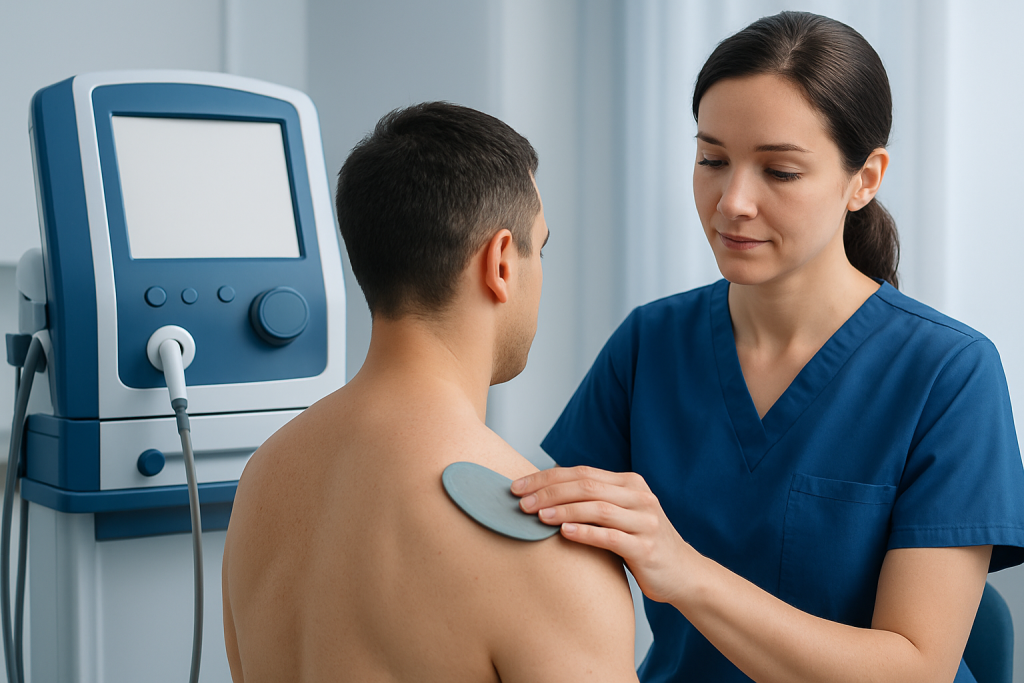
The technique is usually performed after applying oil, lotion, or another lubricant to reduce friction. A practitioner then uses a smooth tool—often made of stone, metal, horn, or resin—to glide along the skin with controlled strokes. The pressure is generally light to moderate, although the sensation and visible effect can vary based on the area treated and the person’s skin sensitivity.
Traditional use often focuses on areas that feel tense or congested, such as the upper back, shoulders, neck, or chest. In cosmetic routines, gentler facial gua sha is commonly marketed for puffiness or relaxation. These uses are not interchangeable: facial techniques are typically much lighter than body techniques, and using the same pressure in both settings can irritate delicate skin.
- Body gua sha: commonly used on muscles that feel tight or sore.
- Facial gua sha: usually lighter, slower, and designed to avoid irritation.
- Self-care routines: often combined with moisturizer, facial oil, or massage.
Technique matters. A tool that is too sharp, pressure that is too strong, or repeated use over one area may leave the skin irritated. When done by trained hands, the experience should be controlled and purposeful rather than forceful.
Possible Benefits and What the Evidence Suggests
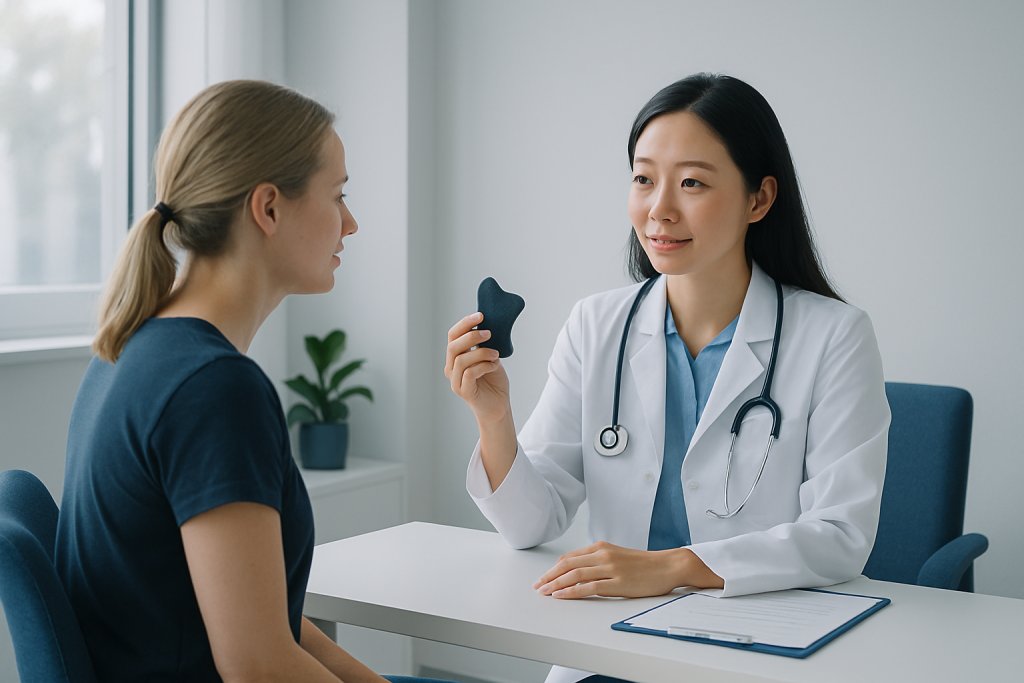
People often try gua sha because it may feel soothing. Some report less muscle tightness, improved relaxation, or a temporary sense of easier movement after treatment. For facial use, others enjoy the ritual itself, the cooling sensation of the tool, or the short-term reduction in puffiness that can happen after gentle massage-like techniques.
From a medical standpoint, the evidence is mixed and depends on the condition being studied. Gua sha may help some symptoms briefly, especially when the main issue is muscle tension or discomfort. However, it should not be expected to treat serious pain conditions, internal disease, or skin disorders. If a symptom persists, it deserves proper evaluation rather than repeated self-treatment.
It is also worth remembering that a treatment can feel beneficial even if its effect is temporary. In practice, that means gua sha may fit into a broader wellness routine for some adults, but it should be viewed as complementary care, not a substitute for diagnosis, rehabilitation, or prescribed treatment.
Causes & Risk Factors
Gua sha is not usually discussed in terms of “causes” the way an illness is, but the reasons people seek it are important. Many turn to it because of neck stiffness from desk work, shoulder tension from stress, facial puffiness, or a general wish to feel more restored. International patients sometimes ask about it after long flights, unfamiliar sleeping arrangements, or work-related strain during travel.
Certain factors make caution especially important. Sensitive skin, easy bruising, eczema, rosacea, sunburn, or active acne can make the skin more reactive. People who take blood-thinning medicines, have clotting disorders, or notice unexplained bruising should ask a clinician before trying any scraping or massage technique.
Risk also increases when gua sha is done too aggressively, too often, or on areas that are already inflamed. It should not be used on open wounds, infected skin, or places where pain has not been assessed. A technique that seems harmless online can be unsuitable for a person’s health history, which is why professional guidance matters.
Diagnosis and Professional Assessment
There is no medical diagnosis required for gua sha itself, but a professional assessment is important when someone wants to use it for pain, swelling, headaches, or skin concerns. A clinician will usually start by asking where the symptom is located, how long it has been present, what makes it better or worse, and whether there are related symptoms such as fever, numbness, weakness, rash, or shortness of breath.
If the concern is muscle-related, the provider may examine posture, range of motion, tenderness, and whether the pain pattern suggests strain, nerve irritation, inflammation, or something else. If the issue involves the face or skin, they may look for acne, rosacea, swelling, allergy, infection, or fragile skin that could worsen with pressure.
For patients traveling from another country, a careful assessment helps avoid wasted time and delayed care. If gua sha is appropriate, it should be used with clear instructions. If another treatment is safer, the clinician can explain that directly and help the patient plan follow-up after returning home.
Treatment Options
When gua sha is being considered for wellness or symptom relief, the treatment plan should be practical and individualized. A trained professional may recommend gentler pressure, fewer passes over the skin, or shorter sessions for first-time users. In many cases, the best results come from combining gua sha with other approaches rather than relying on it alone.
Depending on the underlying issue, treatment options may include rest, hydration, physical therapy, stretching, posture changes, skincare adjustment, or standard medical care. For some people, warm compresses, gentle movement, or relaxation techniques provide similar comfort with less skin irritation. If pain is persistent, structured evaluation is more useful than repeating a cosmetic or massage routine.
- Professional guidance for first-time users or people with sensitive skin
- Skin-safe lubricant and clean tools to reduce friction and contamination risk
- Complementary therapies such as physical therapy or stress management when appropriate
- Medical treatment when symptoms point to an underlying condition
Because gua sha can look intense on the skin, it is especially important that patients understand what is normal afterward. Temporary redness may occur, but significant pain, swelling, blistering, or worsening symptoms should prompt reassessment.
Prevention & Self-care
Safe self-care begins with knowing when not to use the tool. Gua sha should be avoided on broken skin, fresh bruises, active rashes, sunburn, or areas with signs of infection. It is also wise to be cautious if the person has a history of skin sensitivity or bruising easily.
For facial routines, a very light touch is usually more appropriate than the strong strokes sometimes shown in videos. Clean the tool before and after use, choose a gentle lubricant, and stop if the skin becomes sore, hot, or highly red. The goal is comfort, not visible force. If the technique is being used while traveling, cleanliness becomes even more important because access to familiar products or medical support may be limited.
General self-care can make gua sha less irritating and more predictable:
- Use clean hands and a sanitized tool.
- Apply enough lubricant to avoid tugging the skin.
- Avoid pressing directly on the throat, spine, bones, or inflamed areas.
- Limit frequency if the skin stays red or tender after treatment.
People who are unsure whether gua sha fits their situation should speak with a qualified clinician, especially if they are taking medication or managing a chronic condition.
When to See a Doctor
Medical advice is important when pain, swelling, or skin changes do not improve, or when symptoms seem out of proportion to the reason for trying gua sha. It is also sensible to seek care before using the technique if there is a history of bleeding problems, unexplained bruising, recent surgery, or complex medical conditions.
Anyone who develops severe pain, numbness, weakness, shortness of breath, dizziness, spreading rash, fever, or signs of infection should be evaluated promptly. These symptoms are not expected after a normal session and should not be managed by repeated self-treatment.
For international patients, a planned consultation can be especially reassuring. Acibadem Health Point’s multidisciplinary specialists and JCI-accredited hospitals diagnose and treat this condition for international patients, with care designed to fit both the medical need and the realities of travel and follow-up.
When in doubt, a clinician can help determine whether gua sha is a reasonable supportive practice or whether another diagnosis needs attention first.
Frequently asked questions
Is gua sha the same as massage?
It is similar to massage in that both use manual techniques to affect muscles and soft tissue, but gua sha uses a smooth tool and scraping motion. The pressure, skin response, and traditional background are different. Facial gua sha is usually much gentler than body gua sha.
Does gua sha leave bruises?
It can leave red marks or bruise-like spots, especially on the body. That is one reason technique and pressure matter. If bruising is severe, painful, or happens easily, a doctor should be asked for advice.
Can gua sha help with headache or neck pain?
Some people feel temporary relief, especially if the problem is related to muscle tension. However, headaches and neck pain have many possible causes, so persistent symptoms should be evaluated rather than repeatedly treated at home. A clinician can help identify whether gua sha is appropriate.
Is facial gua sha safe for everyone?
Not always. People with acne flare-ups, rosacea, eczema, broken skin, or very sensitive skin may find it irritating. Gentle technique and clean tools are important, and any concerning skin reaction should be reviewed by a clinician.
Can gua sha be used if someone takes blood thinners?
Caution is important because scraping can increase the chance of bruising or bleeding under the skin. A doctor or pharmacist should review the person’s medicines before they try it. If they have a clotting disorder or a history of easy bruising, professional advice is especially important.
What should someone expect after a session?
Temporary redness is common, and the skin may feel warm or tender for a short time. Discomfort should not be intense or long-lasting. If there is swelling, blistering, or worsening pain, medical advice should be sought.
References
- National Center for Complementary and Integrative Health
- Mayo Clinic
- Cleveland Clinic
- World Health Organization
- Merck Manual Consumer Version
This article is for general information only and is not a substitute for professional medical advice. Please consult a qualified doctor about your individual situation.