Foods High in Iron: Nutrition, Benefits and Risks

Key Takeaways
- Iron comes from both animal and plant foods, but the body absorbs heme iron more easily than non-heme iron.
- Pairing iron-rich foods with vitamin C can help improve absorption from plant-based meals.
- Certain people, including pregnant individuals, frequent blood donors, and those with heavy menstrual bleeding, may need extra attention to iron intake.
- A varied diet is often enough for mild prevention, but persistent symptoms of low iron should be medically assessed.
- Iron supplements should only be used under medical guidance because too much iron can be harmful.
Medically reviewed by the Acıbadem clinical team — August 19, 2026
Iron helps carry oxygen throughout the body, so getting enough from food matters for energy, growth, and overall health. This guide explains which foods are rich in iron, how the body absorbs it, and when low iron may need medical evaluation.
Overview
Iron is one of those nutrients that often stays out of sight until the body starts running low. It is essential for making hemoglobin, the protein in red blood cells that carries oxygen to tissues, and for supporting muscle function, brain activity, and immune health.
For many people, the easiest way to maintain healthy iron levels is through everyday meals rather than complicated diets. The challenge is that not all iron in food behaves the same way: animal sources are generally absorbed more efficiently, while plant sources may need a little planning to get the same benefit.
Anyone choosing foods high in iron may be doing so for prevention, to support recovery after blood loss, or to respond to a clinician’s advice. In international patient care, this often begins with a simple question: which foods can fit a person’s culture, travel routine, and medical needs without making eating feel restrictive?
Foods High in Iron
Iron-rich foods come from both animal and plant sources, and both can play a meaningful role in a balanced eating pattern. Heme iron, found in animal foods, is usually absorbed more easily by the body. Non-heme iron, found in plant foods and fortified products, is still valuable and can be especially important for people who eat little or no meat.
Common foods high in iron include:
- Red meat, such as beef and lamb
- Poultry, especially darker cuts
- Fish and seafood, including tuna, sardines, clams, mussels, and oysters
- Organ meats, such as liver, for those who eat them
- Beans and lentils, including chickpeas, kidney beans, and black beans
- Tofu and tempeh
- Dark leafy greens, such as spinach, kale, and Swiss chard
- Fortified cereals and grains
- Nuts and seeds, including pumpkin seeds and sesame seeds
- Dried fruit, such as raisins and apricots
Portion size matters, but so does consistency. A person may get useful amounts of iron by combining several moderate sources across the day rather than relying on a single “superfood.”
How the Body Absorbs Iron
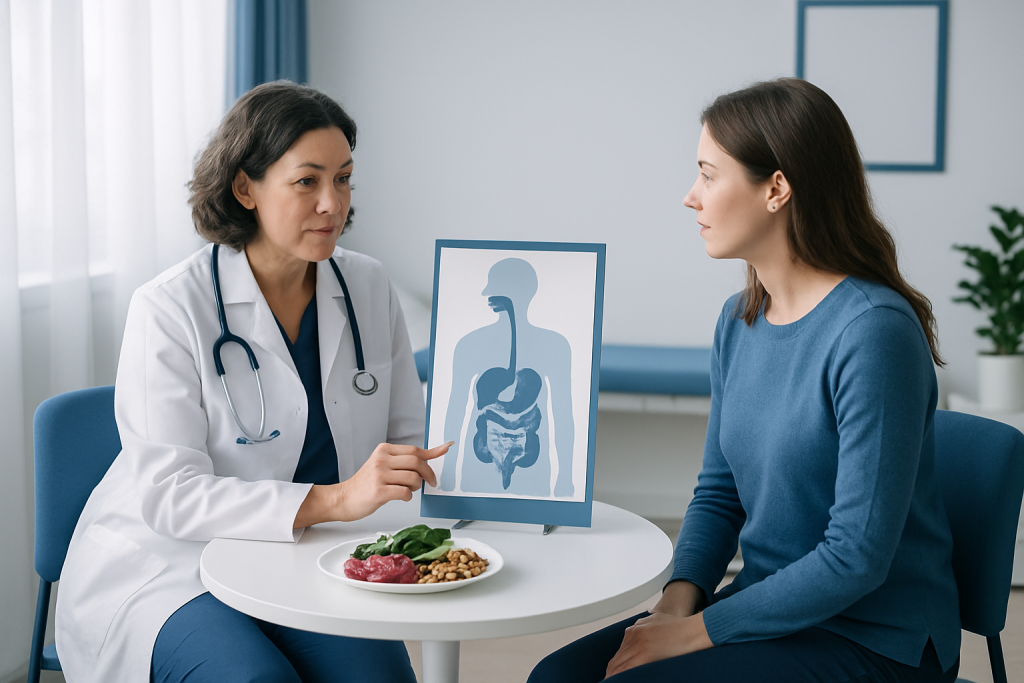
The body’s iron absorption is influenced by what is eaten alongside iron-rich foods. This is why two people can eat similar meals and absorb different amounts of iron. Heme iron from meat, poultry, and seafood is usually less affected by other foods, while non-heme iron from plants is more sensitive to meal composition.
Vitamin C can improve non-heme iron absorption, so pairing beans with tomatoes, lentils with peppers, or fortified cereal with fruit can be helpful. Cooking in cast-iron cookware may also add small amounts of iron to food, although it is not a substitute for a well-balanced diet.
Some foods and drinks can reduce absorption when taken at the same meal, including tea, coffee, and large amounts of calcium-rich foods or supplements. That does not mean they must be avoided entirely; timing them away from iron-focused meals can be enough for many people.
Causes & Risk Factors
Low iron intake is only one reason iron levels may fall. The body can also lose iron through bleeding, use iron less efficiently in certain medical conditions, or need more during periods of growth or increased demand.
People may be at higher risk of iron deficiency if they:
- Have heavy menstrual bleeding
- Are pregnant or breastfeeding
- Eat a vegetarian or vegan diet without careful planning
- Have frequent blood loss, including from digestive conditions
- Have recently donated blood repeatedly
- Have digestive disorders that affect absorption, such as celiac disease or inflammatory bowel disease
- Are infants, children, or adolescents with rapid growth needs
Travel and lifestyle can also matter. Someone managing a busy work trip, new diet, or recovery after surgery may unintentionally eat less consistently, which can make it harder to meet iron needs over time.
Symptoms and Signs of Low Iron
Low iron can develop gradually, so symptoms may be easy to dismiss at first. Fatigue is common, but it is not specific to iron deficiency on its own. The body may simply feel less resilient, especially during exercise or busy days.
Possible signs include:
- Tiredness or weakness
- Pale skin or inner eyelids
- Shortness of breath with mild effort
- Dizziness or lightheadedness
- Headaches
- Cold hands and feet
- Brittle nails or hair shedding
- Difficulty concentrating or feeling mentally “foggy”
These symptoms can also overlap with other conditions, which is why self-diagnosis is not the best path. A medical evaluation can help determine whether iron deficiency, anemia, or another issue is responsible.
Diagnosis
When a clinician suspects low iron, the evaluation usually begins with a conversation about diet, bleeding history, menstrual patterns, medications, and digestive symptoms. Blood tests are then used to assess iron status and determine whether anemia is present.
Common tests may include hemoglobin, ferritin, and other markers that help show how much iron is stored and how well red blood cells are functioning. In some cases, doctors also look for the reason iron is low, such as hidden blood loss or a condition that affects absorption.
For international patients, it is often useful to bring previous laboratory results, a medication list, and a summary of dietary habits or symptoms. That makes it easier for the treating team to build a clear picture quickly, especially when follow-up will happen across countries.
Treatment Options
Treatment depends on the cause and severity of the deficiency. In mild cases, dietary changes may be enough to improve iron intake over time. When iron stores are clearly low, clinicians may recommend oral iron supplements, and in some situations intravenous iron or treatment of the underlying cause may be needed.
Food remains a central part of long-term management. A balanced pattern might include meat or seafood a few times a week, or a well-planned plant-based menu with legumes, tofu, fortified grains, seeds, and vitamin C-rich produce. The goal is not perfection; it is a sustainable pattern the person can continue at home, while traveling, or after returning for follow-up care.
Iron supplements should only be taken under medical supervision. Too much iron can be harmful, and supplement needs can change depending on age, pregnancy status, and the reason for deficiency. A qualified doctor can advise on the safest approach and how to monitor response.
Prevention & Self-care
Preventing low iron often comes down to small routines repeated consistently. A practical plate might combine an iron source, a vitamin C source, and a regular eating schedule. For example, lentils with tomatoes, eggs with greens, or fortified cereal with berries can fit into many diets.
Helpful self-care habits include:
- Include a mix of animal and plant iron sources when possible
- Pair plant iron with vitamin C-rich foods
- Limit tea or coffee with iron-focused meals if iron levels are low
- Do not start supplements without medical advice
- Ask a clinician about iron needs during pregnancy, adolescence, or after blood loss
For people navigating treatment from another country, meal planning should be realistic rather than idealized. Local ingredients, religious dietary rules, budget, and travel schedules all matter, and a dietitian or physician can help tailor advice to everyday life.
When to See a Doctor
A doctor should be consulted if fatigue, dizziness, paleness, or shortness of breath persists, especially if symptoms are new or worsening. Medical review is also important when heavy menstrual bleeding, stomach problems, black stools, or unexplained weight loss are present, since these may point to blood loss or another underlying issue.
Children, pregnant individuals, and people with chronic medical conditions should seek guidance sooner if there is concern about iron intake or deficiency. Testing can clarify whether food changes are enough or whether treatment is needed.
Acibadem Health Point’s multidisciplinary specialists and JCI-accredited hospitals diagnose and treat iron deficiency for international patients, with care plans that can include medical assessment, nutrition support, and follow-up coordination.
Foods High in Iron: A Simple Day-to-Day Approach
Rather than trying to overhaul an entire diet at once, it is often easier to build iron awareness into meals that already feel familiar. A breakfast cereal can be checked for fortification, a sandwich can include leafy greens or turkey, and a dinner plate can feature beans, fish, or meat alongside vegetables.
The most effective approach is usually the one a person can maintain. For someone recovering after travel, surgery, or blood loss, that might mean a short-term focus on iron-rich meals plus medical monitoring. For someone following a plant-based pattern long term, it may mean learning how to combine foods strategically and checking blood tests when advised.
When iron is low, the right plan is rarely about one food alone. It is about the full picture: the source of iron, how it is absorbed, why levels are low, and whether the body needs more support than food can provide.
Frequently asked questions
What foods are highest in iron?
Red meat, liver, shellfish, lentils, beans, tofu, fortified cereals, and dark leafy greens are all good sources. Animal foods generally provide iron that is easier for the body to absorb, while plant foods still contribute meaningfully when eaten regularly.
How can iron from plant foods be absorbed better?
Pairing plant iron with vitamin C-rich foods can improve absorption, such as lentils with tomatoes or beans with peppers. It also helps to avoid tea or coffee right with the meal if iron levels are a concern.
Can someone get enough iron without eating meat?
Yes, many people do, including vegetarians and vegans. It takes more planning, especially to include legumes, tofu, fortified foods, seeds, nuts, and vitamin C-rich produce across the day.
What are common signs of low iron?
Fatigue, weakness, paleness, dizziness, shortness of breath with activity, and difficulty concentrating are common signs. Because these symptoms can have many causes, blood tests are needed to confirm whether iron is the issue.
Should iron supplements be taken just in case?
No, supplements should not be started without medical advice. Too much iron can be harmful, and the right dose or even the need for a supplement depends on test results and the underlying cause.
When should a doctor be seen about low iron?
A doctor should be seen if symptoms persist, if there is heavy bleeding, digestive symptoms, pregnancy, or a history of blood loss. Medical testing helps determine whether diet changes are enough or whether additional treatment is needed.
References
- World Health Organization
- National Institutes of Health Office of Dietary Supplements
- Mayo Clinic
- National Health Service
- American Society of Hematology
This article is for general information only and is not a substitute for professional medical advice. Please consult a qualified doctor about your individual situation.
Explore treatments in Turkey — costs, top hospitals & a free quote
JCI-accredited · board-certified surgeons · reply within 24h
Add us as a Preferred Source to see more of our trusted health content across Google Search, AI Overviews and Discover.