Endomorph Body Type

Key Takeaways
- The endomorph body type is a descriptive concept, not a formal medical diagnosis.
- Body shape is influenced by many factors, including genetics, hormones, lifestyle, and age.
- Health is better assessed with medical measures than by body type alone.
- Balanced eating, regular movement, sleep, and stress management support long-term wellness.
- A doctor can help if weight changes are sudden, severe, or difficult to explain.
The endomorph body type is a popular way to describe a naturally softer, rounder build that may gain weight more easily. It is not a medical diagnosis, but understanding it can help a person make realistic choices about nutrition, activity, and overall health.
Overview
The term endomorph body type is commonly used to describe someone who tends to have a softer frame, a wider waist, and a body that may store fat more readily. In everyday conversation, it is often grouped with the ideas of ectomorph and mesomorph, but these labels are simplified and do not replace a medical assessment.
For many people, the appeal of the term is that it offers a quick way to describe a familiar pattern: easier weight gain, a stockier build, or slower visible changes during exercise. Yet real bodies are more complex. Genetics, hormones, sleep, stress, medications, and daily habits can all influence how a body looks and responds to food and movement.
That is why the most helpful approach is not to “fit” perfectly into a body-type label, but to use it as a starting point for practical health planning. A person traveling for care or consulting an international specialist may find it useful to discuss not just body shape, but blood pressure, blood sugar, cholesterol, activity level, and any symptoms that point to a deeper medical issue.
Common Features and Myths
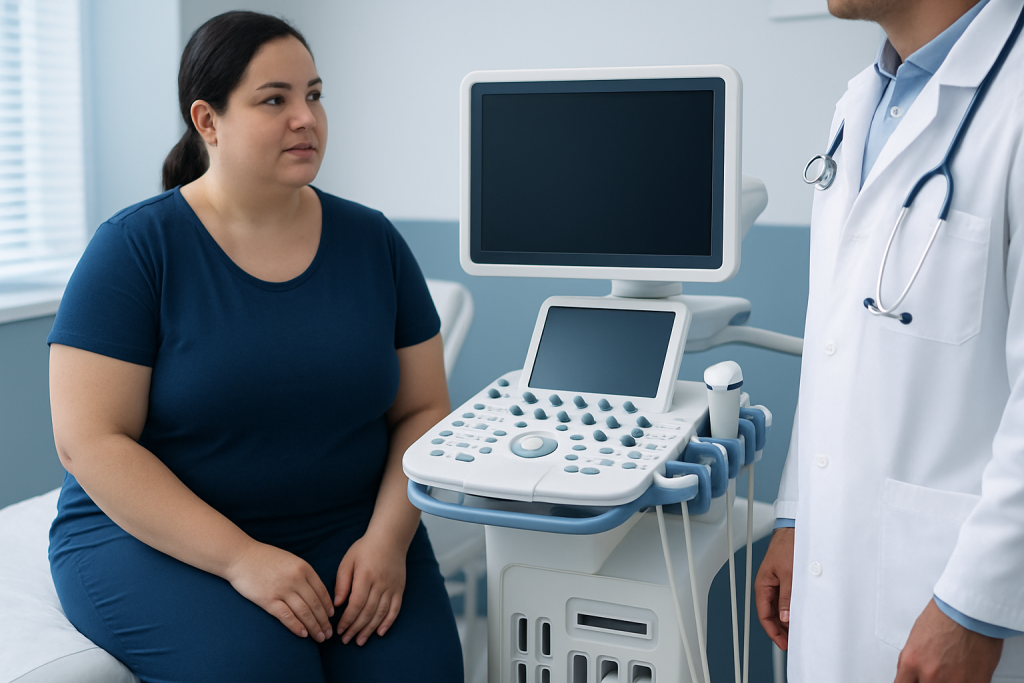
People described as endomorphs are often said to have a rounder silhouette, broader hips or shoulders, and a tendency to gain weight more easily than others. Some also notice that body fat seems to accumulate around the abdomen, which can make clothing fit differently and may affect self-image.
It is important to separate observation from assumption. Having a softer build does not mean that a person is unhealthy, lazy, or destined to struggle with weight forever. Likewise, body type does not reveal a person’s fitness level, eating habits, or medical status on its own.
Another common myth is that an endomorph body type cannot become leaner or more athletic. In reality, people with any build can improve strength, endurance, flexibility, and cardiometabolic health. The changes may simply happen in a different pattern or timeline from what social media often shows.
Causes & Risk Factors

There is no single proven medical system that defines body types in a strict way, but several influences may contribute to a more endomorph-like appearance. Genetics is one of the strongest factors. Family patterns can affect body frame, appetite regulation, fat distribution, and how the body responds to calorie intake.
Hormones and metabolism also matter. Conditions that affect thyroid function, insulin sensitivity, cortisol balance, or reproductive hormones can influence weight and body composition. In some cases, medications, such as certain antidepressants, steroids, or treatments for chronic illness, may also contribute to changes in weight.
Lifestyle factors can amplify these tendencies. A low level of physical activity, frequent highly processed foods, poor sleep, and chronic stress may make weight management more difficult. For international patients, this is often the point where a clinician reviews everyday routines alongside medical tests, because a full picture is usually more useful than a body-type label alone.
Diagnosis and Medical Assessment
An endomorph body type is not diagnosed the way diabetes, anemia, or thyroid disease is diagnosed. It is an informal description, not a clinical category. For that reason, healthcare professionals focus on measurable health markers rather than trying to assign a body type.
A doctor may assess body mass index, waist circumference, blood pressure, glucose or HbA1c, cholesterol levels, and sometimes thyroid or hormone testing if symptoms suggest a problem. They may also ask about appetite, sleep, menstrual changes, fatigue, exercise tolerance, and family history.
This broader approach helps identify whether weight changes are part of a normal body pattern or related to an underlying condition. For patients seeking care from abroad, bringing previous test results, medication lists, and a short history of weight changes can make the evaluation more efficient and more precise.
Treatment Options
Because the endomorph body type is not a disease, there is no specific treatment for the label itself. The practical goal is usually to support healthy weight, improve energy, and reduce the risk of conditions linked to excess body fat, such as high blood pressure or insulin resistance.
Nutrition plans often work best when they are sustainable rather than extreme. Many people benefit from structured meals that emphasize vegetables, protein, high-fiber carbohydrates, and healthy fats, while reducing sugary drinks and frequent ultra-processed snacks. A registered dietitian can help tailor this to culture, travel schedule, allergies, and personal preferences, which is especially helpful for international patients managing care across time zones and unfamiliar food environments.
Physical activity is equally important. A combination of aerobic exercise and resistance training can help preserve muscle mass, improve metabolism, and support body composition changes over time. If a person has joint pain, fatigue, or a medical condition, a clinician or rehabilitation specialist may suggest a gentler starting plan and gradual progression.
When an underlying medical cause is found, treatment may include medication, hormone management, or other targeted care. In some cases, weight-management programs or bariatric evaluation may be discussed, but only after a full medical assessment and shared decision-making with a qualified specialist.
Prevention & Self-care
Self-care for a person with an endomorph-like build is usually about consistency, not perfection. A steady routine often works better than short bursts of intense dieting. Regular meals, adequate protein, and mindful portion awareness can help support hunger control and long-term habits.
Movement should feel realistic and repeatable. Walking, cycling, swimming, strength training, and mobility work can all be useful. The best plan is the one a person can continue while traveling, working, or recovering from other health issues.
Sleep and stress also deserve attention. Poor sleep can affect appetite and energy, while chronic stress may make healthy routines harder to maintain. Some people find that keeping a simple food-and-activity log helps them notice patterns, but the goal is awareness, not self-criticism.
- Choose filling meals with protein and fiber.
- Keep routine movement part of the week.
- Limit long periods of sitting when possible.
- Prioritize sleep and recovery.
- Seek support early if weight changes feel out of proportion.
When to See a Doctor
A medical review is a good idea if weight gain is rapid, unexplained, or accompanied by fatigue, swelling, shortness of breath, menstrual changes, hair loss, excessive thirst, or mood changes. These symptoms may point to a condition that deserves testing rather than a lifestyle explanation alone.
It is also wise to seek help if repeated efforts at healthy eating and exercise are not leading to expected changes, or if a person is considering a very restrictive diet. A doctor can help rule out endocrine or metabolic causes and suggest a safer, more individualized plan.
For patients traveling internationally, coordinated care can be especially helpful when follow-up is needed after the first visit. Acibadem Health Point’s multidisciplinary specialists and JCI-accredited hospitals diagnose and treat this condition for international patients, with care that can include medical assessment, nutrition guidance, and ongoing monitoring when appropriate.
Living Well with a Softer Build
Living with an endomorph body type is often less about changing who a person is and more about learning what supports the body they have. Many people feel better when they move away from rigid labels and toward measurable goals such as stamina, blood sugar control, waist size, strength, or simply more stable energy across the day.
That shift can be especially valuable for patients coordinating care across borders. A clear plan, a realistic routine, and regular medical follow-up can make health management more manageable even when travel, language, or scheduling adds complexity. The most useful plan is one that respects both biology and daily life.
With the right support, a person with an endomorph-like build can pursue the same broad health goals as anyone else: strong habits, good metabolic health, and confidence in how their body is cared for over time.
Frequently asked questions
Is the endomorph body type a medical diagnosis?
No. It is an informal description used in everyday conversation, not a formal diagnosis. Doctors usually focus on health measures such as blood pressure, blood sugar, cholesterol, and waist circumference instead.
Can someone with an endomorph body type lose weight?
Yes, many people can improve weight and body composition with a realistic plan that includes nutrition, movement, sleep, and stress management. Results vary, and progress is often gradual rather than dramatic.
Does an endomorph body type mean a slower metabolism?
Not necessarily. Body shape alone does not prove that metabolism is slow. Genetics, hormones, activity level, and daily habits can all influence weight changes and energy use.
What kind of exercise is best for an endomorph body type?
A balanced routine is usually most helpful, combining aerobic exercise with strength training and enough recovery. The best plan is one that can be maintained consistently and adjusted for any medical limitations.
When should medical testing be considered?
Testing is reasonable if weight changes are sudden, unexplained, or linked to symptoms such as fatigue, swelling, thirst, or menstrual changes. A doctor may check for thyroid problems, insulin resistance, or other underlying conditions.
Can body type labels help with motivation?
They can help some people start a conversation about their habits and goals, but they should not become a fixed identity. Health is usually better guided by practical goals and medical advice than by a body-type label.
References
- National Institutes of Health
- World Health Organization
- Mayo Clinic
- Cleveland Clinic
- MedlinePlus
This article is for general information only and is not a substitute for professional medical advice. Please consult a qualified doctor about your individual situation.