Empyema: Symptoms, Causes and Treatment

Key Takeaways
- Empyema is a pleural infection that can follow pneumonia, chest surgery, or another nearby infection.
- Common symptoms include fever, chest pain, cough, shortness of breath, and feeling generally unwell.
- Diagnosis often relies on imaging, blood tests, and sampling the fluid to identify the infection.
- Treatment may include antibiotics, drainage of the infected fluid, and sometimes surgery if the collection is complex.
- Early medical attention helps lower the chance of lasting breathing problems or a prolonged recovery.
Medically reviewed by the Acıbadem clinical team — August 19, 2026
Empyema is a collection of infected fluid in the pleural space, the thin area between the lungs and chest wall. It often develops after pneumonia or another chest infection and usually needs prompt medical treatment to help the lung expand normally again.
Overview
Empyema is an infection in the pleural space, the narrow area between the lungs and the chest wall. In everyday terms, it means that pus or heavily infected fluid has built up around the lung instead of air flowing freely where it should.
This condition is different from a simple pleural effusion, which is fluid without infection. When the fluid becomes infected, it can press on the lung, make breathing harder, and create a more complicated illness that usually needs more than routine antibiotics alone.
For international patients, empyema can become especially disruptive because symptoms may begin during travel, after a recent illness, or while recovering far from home. Clear diagnosis matters, since treatment often depends on the size, stage, and thickness of the fluid collection.
Symptoms
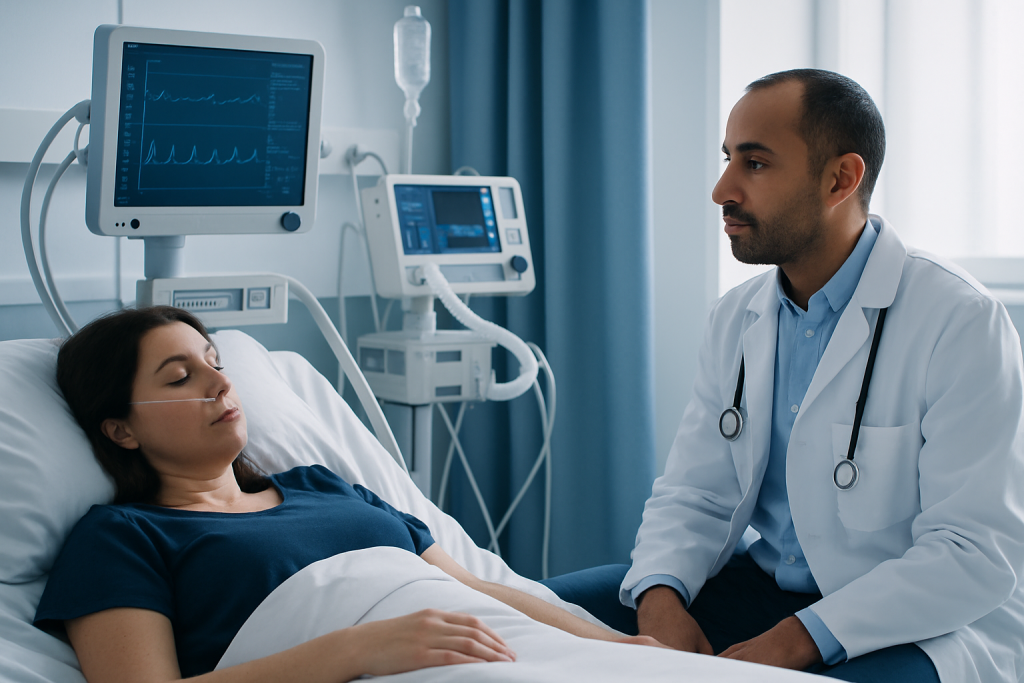
Empyema often feels like a chest infection that does not settle properly. Fever, chills, fatigue, and a general sense of being unwell are common, and many people also notice a cough that becomes persistent or more painful over time.
Breathing symptoms can range from mild tightness to clear shortness of breath, especially during activity. Chest pain may worsen with deep breathing or coughing, and some people describe a dull ache on one side of the chest.
- Fever or ongoing temperature
- Shortness of breath
- Chest pain that worsens with breathing
- Persistent cough
- Tiredness, poor appetite, or sweating
In older adults, symptoms may appear less dramatic. Instead of a strong fever, there may be weakness, confusion, or slower recovery from a recent pneumonia.
Causes & Risk Factors
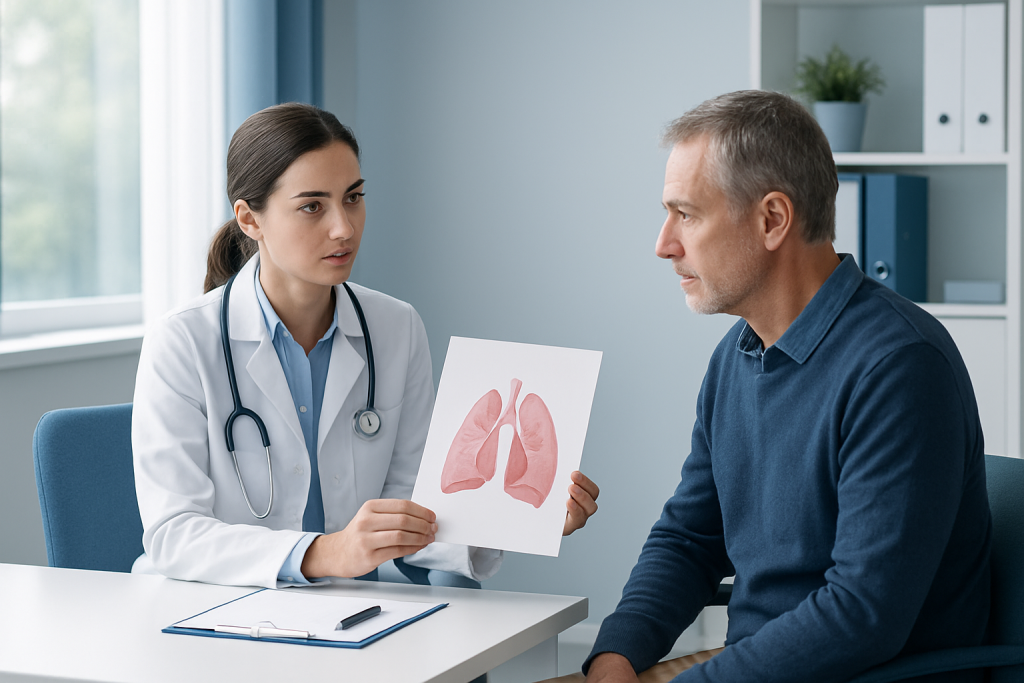
Most cases of empyema begin after pneumonia, when infection spreads from the lung to the pleural space. It can also occur after chest surgery, injury to the chest, or less commonly from infections in nearby areas that extend into the chest.
Certain factors make empyema more likely. These include weakened immunity, aspiration, chronic lung disease, delayed treatment of pneumonia, and infections caused by more aggressive bacteria or mixed organisms.
The fluid usually passes through stages. Early on, it may be thin and easier to treat; later it can become thicker, more loculated, and harder to drain. That is one reason prompt evaluation is so important when symptoms do not improve as expected.
Diagnosis
Doctors usually start with a careful history and physical examination, then move quickly to imaging. A chest X-ray may show fluid around the lung, while ultrasound or CT scanning can help define how much fluid is present and whether it is divided into pockets.
Blood tests can support the diagnosis by showing signs of infection and inflammation. However, imaging alone is not enough to confirm empyema, because infected fluid and noninfected fluid can look similar at first glance.
The most useful step is often sampling the pleural fluid with a needle, a procedure called thoracentesis. The fluid is examined for bacteria, pus, acidity, glucose levels, and other markers that help guide treatment. In some cases, a chest specialist may recommend a small tube or further procedures to evaluate and drain the space safely.
Treatment Options
Treatment usually combines antibiotics with drainage of the infected fluid. Antibiotics are chosen based on the likely source of infection and may be adjusted once fluid culture results are available.
Drainage is often essential because antibiotics alone may not reach all the infected material. Depending on the amount and thickness of fluid, this may involve a chest tube, image-guided drainage, or a procedure to break up loculated pockets.
Some patients need surgery if the infection is organized or does not improve with drainage. A minimally invasive approach such as video-assisted thoracoscopic surgery may be used to remove infected material and help the lung re-expand. The right plan depends on timing, the stage of the empyema, and the patient’s overall health.
Supportive care also matters. Oxygen, pain control, hydration, and breathing exercises may all help recovery while the infection is being treated.
Prevention & Self-care
Not every case of empyema can be prevented, but prompt treatment of chest infections lowers risk. Pneumonia, especially if symptoms linger or worsen, should not be ignored or self-managed for too long.
People recovering from a chest infection can help themselves by taking prescribed medicines as directed, resting, staying hydrated, and returning for review if breathing becomes harder or fever persists. If a doctor recommends follow-up imaging or a repeat visit, that step should be completed even if symptoms have eased.
- Seek care early for pneumonia or a chest infection that is not improving
- Follow treatment plans closely, including antibiotics if prescribed
- Avoid smoking, which can slow lung recovery
- Keep up with recommended vaccines and routine health checks
For those traveling for care, it can be helpful to plan recovery time before returning home. A clear discharge summary, medication list, and follow-up instructions make it easier to continue care safely with a local clinician if needed.
When to See a Doctor
Medical evaluation should not be delayed if chest symptoms are getting worse instead of better. Persistent fever, increasing shortness of breath, worsening chest pain, or fatigue after a pneumonia diagnosis may suggest that the infection is more complicated.
Emergency attention is especially important if breathing becomes difficult at rest, lips look bluish, confusion develops, or the person is too weak to drink fluids. These signs need prompt assessment in a hospital setting.
Because empyema often needs imaging and fluid drainage, patients sometimes benefit from a center that can coordinate pulmonology, thoracic surgery, radiology, and infectious disease input. Acibadem Health Point provides multidisciplinary specialists and JCI-accredited hospitals for international patients who need diagnosis and treatment of this condition.
Recovery and Follow-up
Recovery depends on how early the empyema is treated and whether the fluid was easy to drain. Some people improve steadily after antibiotics and drainage, while others need a longer hospital stay and more than one procedure before the lung fully re-expands.
Follow-up visits often include repeat imaging and symptom review to make sure the infection is resolving. Doctors may also check breathing capacity and advise gradual return to normal activity, especially if the illness caused deconditioning or if surgery was needed.
It is normal for stamina to return more slowly than expected. A paced recovery, good communication with the care team, and attention to any new fever, chest pain, or breathing difficulty can help prevent setbacks and support a safer transition back home.
Frequently asked questions
Is empyema the same as pneumonia?
No. Pneumonia is an infection in the lung tissue, while empyema is infected fluid in the pleural space around the lung. Empyema can develop as a complication of pneumonia.
How is empyema different from a pleural effusion?
A pleural effusion is fluid around the lung, but it is not always infected. Empyema means the fluid has become infected and usually requires more urgent treatment.
Does empyema always need surgery?
Not always. Some cases improve with antibiotics and drainage alone, especially when treated early. Surgery is considered when the fluid is thick, trapped in pockets, or does not respond well to initial treatment.
Can empyema be treated without going to the hospital?
Usually not. Because empyema often needs imaging, fluid sampling, intravenous antibiotics, or drainage, hospital-based care is commonly required at least at the start.
How long does recovery take?
Recovery varies depending on the severity of the infection and whether procedures were needed. Some people improve in days, while others need weeks of follow-up and gradual return to full activity.
What should a patient do if symptoms return after treatment?
They should contact a doctor promptly, especially if fever, chest pain, or breathlessness returns. Recurrent symptoms may mean the infection has not fully cleared or that fluid has built up again.
References
- World Health Organization
- Mayo Clinic
- Cleveland Clinic
- British Thoracic Society
- American Thoracic Society
This article is for general information only and is not a substitute for professional medical advice. Please consult a qualified doctor about your individual situation.
Explore treatments in Turkey — costs, top hospitals & a free quote
JCI-accredited · board-certified surgeons · reply within 24h
Add us as a Preferred Source to see more of our trusted health content across Google Search, AI Overviews and Discover.