Do You Need a Cardiovascular Checkup If You Feel Fine?

Key Takeaways
- Heart disease can develop quietly before any symptoms appear.
- A cardiovascular checkup is often most useful for people with risk factors or a family history of heart disease.
- Basic screening may include blood pressure, blood tests, an electrocardiogram, and sometimes an echocardiogram or stress test.
- Healthy habits and follow-up care can lower long-term heart risk.
- A doctor can help decide how often screening is needed based on age, history, and overall health.
Feeling well does not always mean the heart is free of risk. A cardiovascular checkup can help identify silent problems early, especially in people with risk factors, family history, or upcoming surgery or travel.
Overview
Many people assume a healthy heart would make itself known through chest pain, shortness of breath, or obvious fatigue. In reality, some cardiovascular conditions stay quiet for years. That is why a cardiovascular checkup can be worthwhile even when a person feels entirely fine.
The goal of preventive heart care is not to turn everyday life into a medical project. It is to spot risk early, before a problem becomes harder to reverse. For some people, that means a routine visit with a primary care clinician. For others, especially those with diabetes, high blood pressure, smoking history, high cholesterol, or a family history of early heart disease, it may mean a more focused evaluation with a cardiologist.
International patients often think about this question when preparing for an overseas trip, surgery, fertility treatment, or a major life change. In those moments, a heart checkup can provide useful reassurance and a clearer picture of safety. The right screening plan is individualized rather than automatic, because age, medical history, and lifestyle all shape the level of risk.
Symptoms Are Not the Only Clue
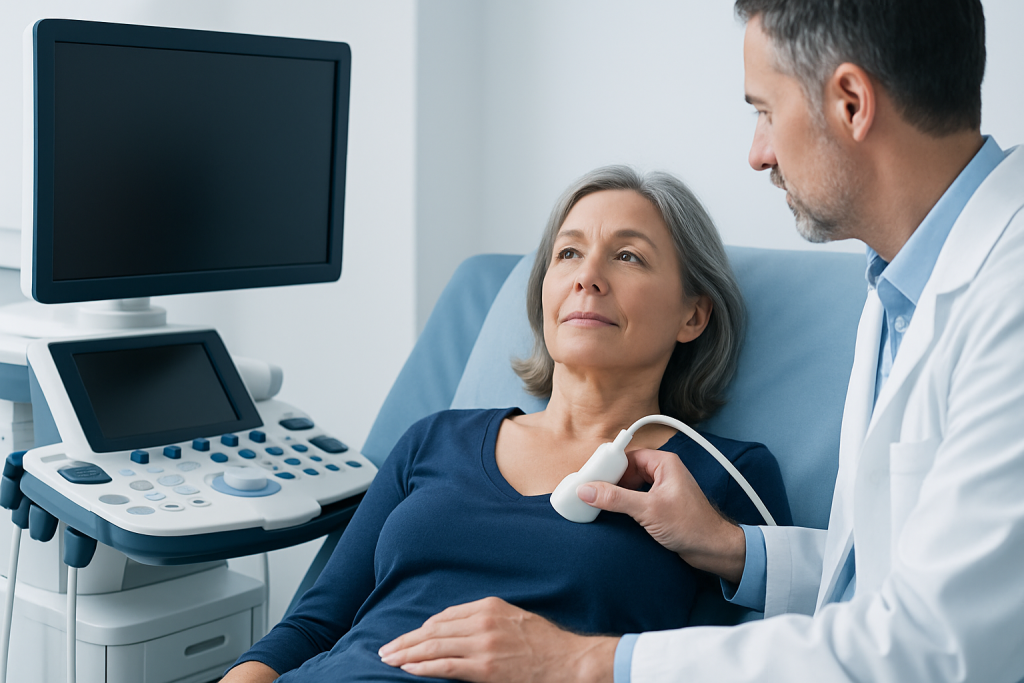
Heart disease does not always announce itself with a dramatic warning sign. High blood pressure, early coronary artery disease, abnormal cholesterol, and some rhythm problems may cause no symptoms at all. A person may feel energetic, exercise regularly, and still have risk factors that deserve attention.
When symptoms do appear, they can be subtle. Some people notice reduced stamina, mild pressure in the chest, breathlessness with activity, palpitations, dizziness, swelling in the legs, or unusual tiredness. These signs do not always mean a serious heart condition, but they are worth discussing with a doctor, especially if they are new or recurring.
A checkup is not only about finding disease. It is also a chance to understand one’s baseline. Knowing blood pressure, cholesterol, heart rhythm, and metabolic markers can make future changes easier to interpret and can support more confident decisions about exercise, travel, and treatment planning.
Who May Benefit Most From Screening

Not every adult needs the same level of cardiovascular testing. A healthy person with no risk factors may only need periodic blood pressure checks and routine medical care. However, screening becomes more relevant when the chance of hidden disease is higher.
People who may benefit from a cardiovascular checkup include those with:
- High blood pressure or a history of elevated readings
- High cholesterol or triglycerides
- Diabetes or prediabetes
- Smoking or past tobacco use
- Obesity or central weight gain
- A family history of heart attack, stroke, or sudden cardiac death at a young age
- Chronic kidney disease, sleep apnea, or autoimmune disease
- Plans for major surgery, pregnancy, or intensive travel
Age also matters. Heart and blood vessel changes become more common over time, so many doctors become more proactive with screening as patients get older. Still, younger adults with strong family history or multiple risk factors should not assume they are automatically low risk.
What Causes Heart Risk to Build Quietly?
Cardiovascular risk usually develops from a mix of biology and daily habits. Some people inherit a stronger tendency toward high cholesterol or high blood pressure. Others accumulate risk slowly through long work hours, poor sleep, stress, inactivity, smoking, or diets high in sodium and saturated fats.
Conditions such as diabetes and kidney disease can strain the cardiovascular system over time. Hormonal changes, certain inflammatory illnesses, and some medications may also influence heart and blood vessel health. Even when a person feels well, these factors can quietly change the arteries, heart muscle, or electrical system.
The encouraging part is that risk is not fixed. Knowing what is contributing to it makes prevention more practical. A doctor can help identify which parts of risk are modifiable, which need ongoing monitoring, and which require treatment rather than observation alone.
How a Cardiovascular Checkup Is Usually Done
A cardiovascular checkup often begins with a conversation. The doctor will ask about family history, symptoms, medications, sleep, activity level, smoking, blood pressure trends, and past test results. This discussion helps determine whether the person needs basic screening or a more detailed workup.
Common tests may include blood pressure measurement, cholesterol testing, blood sugar or HbA1c, and a physical examination of the heart and circulation. An electrocardiogram can show rhythm abnormalities or signs of prior strain. Depending on the situation, a clinician may also recommend an echocardiogram, stress test, coronary calcium scoring, or other imaging-based assessment.
The exact combination of tests should match the person, not a checklist. For example, someone preparing for a demanding treatment abroad may need different testing than someone who simply wants preventive reassurance during an annual health review. A thoughtful plan avoids unnecessary procedures while still addressing meaningful risk.
Treatment Options and What Follow-Up May Look Like
If screening reveals no major concerns, the outcome may simply be reassurance and a plan for routine follow-up. If risk factors are found, treatment usually focuses on prevention first. That can include lifestyle changes, blood pressure management, cholesterol-lowering therapy, diabetes care, or smoking cessation support.
When a more specific heart condition is detected, treatment depends on the diagnosis. Some rhythm issues require monitoring only, while others may need medication or a procedure. Structural problems, reduced heart function, or significant artery disease may lead to referral for specialized cardiology care.
For international patients, follow-up planning is especially important. It helps to leave with a clear understanding of which results need repeat testing, which warning signs should prompt medical review, and how records will be shared with the home-country doctor. Good follow-up turns a single appointment into a useful long-term plan.
Prevention and Self-Care Between Checkups
Healthy habits matter even when screening looks reassuring. Regular physical activity, a balanced diet rich in vegetables, fruit, legumes, whole grains, and lean proteins, and attention to sleep all support cardiovascular health. Reducing tobacco exposure and moderating alcohol intake can also lower risk.
Home blood pressure monitoring may be useful for some people, especially those with borderline or known high readings. Staying consistent with prescribed medication is equally important, because many heart risk factors improve only when treatment is taken regularly. Stress management deserves a place in prevention as well, since long-term stress can affect sleep, eating patterns, and blood pressure.
Useful self-care habits include:
- Keeping routine medical appointments
- Tracking blood pressure if advised
- Maintaining a healthy weight range
- Moving regularly, even with short daily walks
- Following up on abnormal lab results instead of waiting for symptoms
These steps do not replace screening, but they make screening more effective by giving the doctor a clearer picture of day-to-day cardiovascular health.
When to See a Doctor
A person should consider a cardiovascular checkup if they have risk factors, a strong family history, or questions about whether they are truly low risk. It is also sensible to ask before starting a very demanding exercise program, planning surgery, or preparing for travel that may make access to care difficult.
Medical attention should be sought sooner if chest discomfort, fainting, new shortness of breath, a racing or irregular heartbeat, unexplained swelling, or sudden reduced exercise tolerance occurs. These symptoms do not always indicate heart disease, but they should not be ignored.
Many people first reach out because they want clarity rather than because something feels wrong. That is a reasonable reason to see a doctor. A cardiovascular review can help separate everyday worries from meaningful risk and give the person a practical path forward. For international patients who need coordinated assessment, Acibadem Health Point’s multidisciplinary specialists and JCI-accredited hospitals can diagnose and treat cardiovascular conditions within a structured care pathway.
Frequently asked questions
If I feel fine, do I still need a heart checkup?
Possibly, yes. Some heart and blood vessel problems develop without symptoms, especially when risk factors are present. A doctor can help decide whether routine screening is enough or whether a more complete cardiovascular checkup is appropriate.
What tests are commonly included in a cardiovascular checkup?
Common tests include blood pressure measurement, cholesterol and blood sugar tests, and an electrocardiogram. Depending on age, risk factors, and history, a doctor may also suggest an echocardiogram, stress test, or other imaging.
How often should someone get screened?
There is no single schedule for everyone. Frequency depends on age, family history, existing conditions, and the results of previous testing. A clinician can recommend a follow-up interval that fits the individual’s risk profile.
Can a normal checkup guarantee that my heart is healthy?
No test can guarantee that future heart problems will never develop. However, a normal evaluation can provide a useful baseline and may show that current risk is low. Ongoing healthy habits and periodic review still matter.
Should younger adults worry about cardiovascular screening?
Younger adults are often at lower risk, but not always. Strong family history, smoking, diabetes, high blood pressure, or high cholesterol can make screening worthwhile earlier than expected.
What should someone bring to a cardiovascular appointment?
It helps to bring a list of medications, previous test results, family history details, and any blood pressure readings if they have been tracked at home. Sharing travel plans or upcoming procedures is also useful because it can affect the screening plan.
References
- American Heart Association
- European Society of Cardiology
- National Heart, Lung, and Blood Institute
- World Health Organization
This article is for general information only and is not a substitute for professional medical advice. Please consult a qualified doctor about your individual situation.