

Dilated Pore Of Winer

Key Takeaways
- A dilated pore of Winer is a noncancerous enlarged follicular opening that can trap keratin and sebum.
- It often appears as a solitary, visible black or dark pore, usually on the face, neck, or trunk.
- Diagnosis is typically clinical, but a dermatologist may examine or remove it if the appearance is unclear.
- Definitive treatment usually involves complete removal of the pore and its contents; squeezing at home is not advised.
- Warm compresses and gentle skin care may reduce irritation, but they do not remove the lesion.
- A doctor should assess any changing, painful, bleeding, or fast-growing skin lesion.
Medically reviewed by the Acıbadem clinical team — July 13, 2026
A dilated pore of Winer is a benign, enlarged skin pore that often appears as a single dark opening on the face, neck, or back. It is usually harmless, but a dermatologist may recommend removal if it becomes irritated, recurrent, or cosmetically bothersome.
Overview
A dilated pore of Winer is a benign skin finding that usually shows up as one unusually large pore with a dark center. It is most often made of compacted keratin, the same protein that helps form the outer layer of skin, and it develops around a hair follicle.
Although the name sounds technical, the lesion is common in dermatology practice and is usually harmless. People often notice it on the face, neck, upper trunk, or back because it can stand out visually, especially when the opening is broad and filled with a dark plug.
In many cases, the concern is not pain but appearance or repeated clogging. For international patients planning care away from home, it is helpful to know that this condition is usually straightforward to evaluate in person, and treatment decisions are often based on skin location, cosmetic goals, and whether the pore is inflamed or recurrent.
Symptoms and What It Looks Like
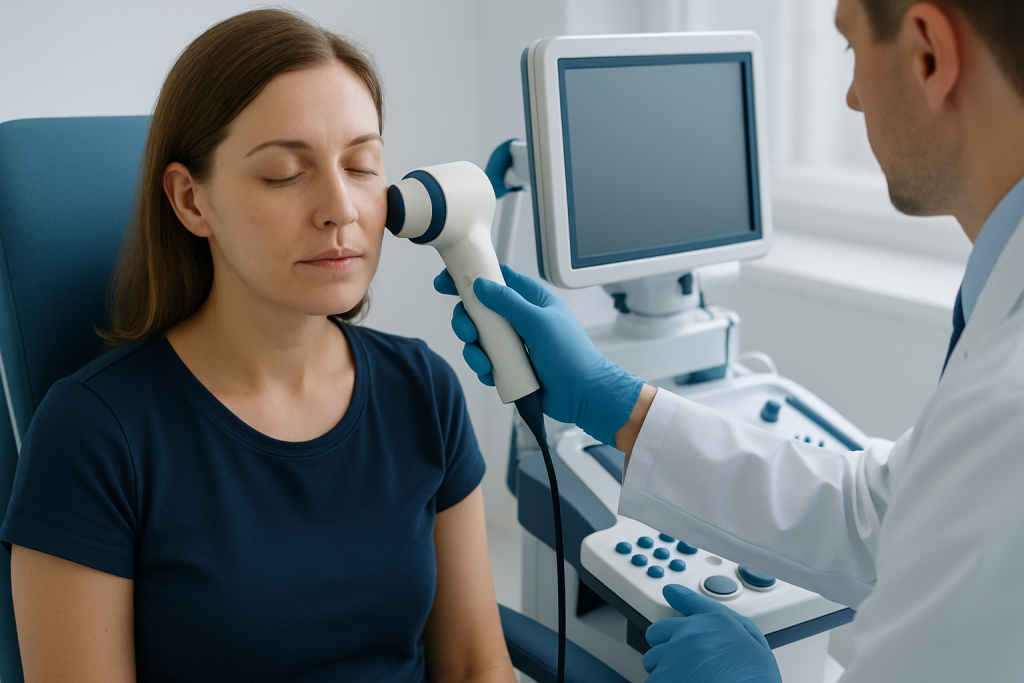
The classic sign is a single enlarged pore or opening that looks like a dark dot in the skin. The opening may contain a firm plug, and the surrounding skin is typically normal unless the area has been irritated by picking or pressure.
Some people describe it as a stubborn blackhead that does not behave like a regular clogged pore. Unlike acne lesions, a dilated pore of Winer is often isolated rather than part of a broader breakout pattern.
- One visible enlarged pore, often with a dark center
- Usually painless unless irritated
- Most often found on the face, neck, chest, shoulders, or back
- May refill after being squeezed
- Can occasionally become inflamed or resemble another skin growth
Because it can look similar to other skin conditions, any lesion that changes quickly, bleeds, hurts, or develops an unusual color should be reviewed by a clinician rather than assumed to be a simple clogged pore.
Causes and Risk Factors

The exact cause is not always clear, but a dilated pore of Winer is thought to arise from a widened hair follicle that fills with keratin and debris over time. The pore stays open and becomes visibly enlarged, which is why the lesion often has a central opening that seems more pronounced than an ordinary blackhead.
These lesions are more often seen in adults and may be associated with oily skin, prior acne, or other factors that contribute to follicular plugging. They are not usually caused by poor hygiene, and they are not something a person “causes” by forgetting to cleanse properly.
Risk is not about one single trigger. In practice, dermatologists consider age, skin type, the lesion’s location, and whether there is repeated blockage or manipulation of the area. Frequent squeezing can irritate the skin and make the pore look more inflamed, but it is not the original cause.
Diagnosis
Diagnosis is often made by visual examination. A dermatologist can usually recognize the pattern of a solitary, enlarged pore with a plug and distinguish it from a routine blackhead or acne lesion.
If the appearance is not completely typical, the clinician may recommend removal or a small biopsy so the tissue can be examined under a microscope. This is especially helpful if the lesion has changed, is firm, has an unusual surface, or is causing symptoms that do not fit a simple pore.
For patients traveling for care, the evaluation is usually efficient and can often be completed during one visit. In some cases, the doctor may ask about how long the lesion has been present, whether it has grown, and whether it has ever been inflamed or drained.
Treatment Options
Treatment is not always medically necessary, but many people choose it for comfort or cosmetic reasons. The most definitive option is complete removal of the pore and its contents, usually performed by a dermatologist or skin surgeon.
Depending on the size and site, the doctor may use a minor surgical excision or another office-based procedure. The goal is to remove the lining of the pore as well as the keratin plug, because partial removal may allow the lesion to return.
Conservative measures are limited. Gentle cleansing and avoiding trauma may reduce irritation, but they do not eliminate the lesion. Squeezing, poking, or using harsh extraction tools at home can damage the skin and increase the chance of scarring or inflammation.
- Observation if the lesion is stable and not bothersome
- Office removal for cosmetic or recurrent concerns
- Biopsy if the diagnosis is uncertain
- Aftercare to support healing and minimize scarring
When treatment is performed abroad, patients are usually advised to plan for a follow-up visit or virtual review to check healing, especially if stitches are used or if the area is on the face.
Prevention and Self-Care
There is no guaranteed way to prevent a dilated pore of Winer, but skin-friendly habits may help reduce irritation around the area. A gentle routine is usually better than aggressive scrubbing or repeated extraction attempts.
If the pore becomes slightly irritated, a warm compress may help soften surface debris and ease discomfort. However, a warm compress is not a cure, and it should be used carefully so the skin is not burned or overhandled.
Helpful self-care usually focuses on protecting the skin rather than trying to force the pore closed:
- Cleanse gently with non-irritating products
- Avoid picking, squeezing, or using sharp tools
- Protect the area from repeated friction
- Follow post-procedure instructions carefully if the lesion is removed
- Use sun protection if the site is healing and exposed
For international patients, it can be useful to arrange treatment when there is enough time for wound care and any necessary check-in before returning home. A clear aftercare plan makes recovery simpler and helps support a neat cosmetic result.
When to See a Doctor
A dermatologist should evaluate any skin lesion that is new, changing, painful, bleeding, or repeatedly inflamed. Even when a dilated pore of Winer is the likely explanation, it is important to confirm the diagnosis if the appearance is not classic.
Medical review is especially sensible if the lesion is on the face, if it has become more noticeable over time, or if the person would like it removed for cosmetic reasons. A doctor can also explain whether a simple office procedure is appropriate or whether further testing is needed.
If a patient is traveling for care, early planning helps. Bringing prior skin history, a list of current medications, and photos of how the lesion has changed can make the consultation more efficient. At Acibadem Health Point, multidisciplinary specialists and JCI-accredited hospitals can diagnose and treat this condition for international patients in a coordinated way, when that level of care is being sought.
Frequently asked questions
Is a dilated pore of Winer a type of acne?
Not exactly. It can resemble a large blackhead, but it is usually a separate benign follicular lesion rather than a typical acne spot. A dermatologist can help distinguish it from acne, comedones, or other skin growths.
Can I squeeze out a dilated pore of Winer at home?
It is not recommended. Squeezing may remove some material temporarily, but the pore often refills and the skin can become irritated or scarred. Professional removal is more definitive if treatment is desired.
Does a dilated pore of Winer turn into skin cancer?
It is generally considered benign and not cancerous. However, any lesion that changes in appearance, bleeds, or behaves unusually should be checked so the diagnosis can be confirmed.
What is the usual treatment if it keeps coming back?
Complete removal of the lesion is usually the most effective option when recurrence is a problem. A dermatologist can choose the most appropriate procedure based on the size and location of the pore.
Will it go away on its own?
It usually does not disappear on its own once it is established. Some people choose to leave it alone if it is stable and not bothersome, while others prefer removal for cosmetic reasons.
Is recovery after removal complicated?
Recovery is often straightforward, but it depends on the procedure and the site. Patients are typically advised to keep the area clean, avoid friction, and return for follow-up if stitches or wound checks are needed.
References
- American Academy of Dermatology
- Mayo Clinic
- DermNet NZ
- StatPearls
- National Institutes of Health
This article is for general information only and is not a substitute for professional medical advice. Please consult a qualified doctor about your individual situation.
More from the Health Library



Related Specialists

Prof. Dr. Kutsal Turhan
Thoracic Surgery
Dr. Alp Mustaf A Günay
Gastroenterology
Dr. Senem Almaç Deniz
Otorhinolaryngology
Assoc. Prof. Dr. F. Arda Atar
Urology