Dextrose: Uses, Dosage and Side Effects

Key Takeaways
- Dextrose is glucose and is used in medicine for rapid energy support and blood sugar correction.
- It may be given by mouth, through an IV, or as part of nutrition and dehydration care.
- The right use depends on the person’s condition, blood sugar level, and overall medical plan.
- Possible side effects include changes in blood sugar, vein irritation, and fluid-related issues.
- People with diabetes or other chronic conditions should ask how dextrose fits into their treatment plan.
Medically reviewed by the Acıbadem clinical team — August 19, 2026
Dextrose is a simple sugar used in medicine and nutrition support for specific situations, especially when the body needs a quick source of glucose. Understanding why it is given, how it is monitored, and what side effects to watch for can help patients feel more confident about care.
Overview
Dextrose is the medical name for glucose, a simple sugar that the body uses as a quick source of energy. In everyday care, it may be given as a drink, a tablet, a gel, or an intravenous (IV) fluid, depending on why it is needed and how urgently glucose must be restored.
Clinicians use dextrose in several settings. It can help treat low blood sugar, support patients who cannot eat normally, and form part of hospital fluids when a person needs both hydration and carbohydrate support. Because the body responds differently to dextrose in different forms, the dose and route are chosen carefully by a healthcare professional.
For international patients, dextrose often comes up during emergency care, surgery recovery, diabetes management, or nutrition planning after travel or illness. A clear explanation from the medical team usually makes the treatment feel less mysterious and easier to follow after returning home.
Symptoms and Common Situations Where Dextrose Is Used
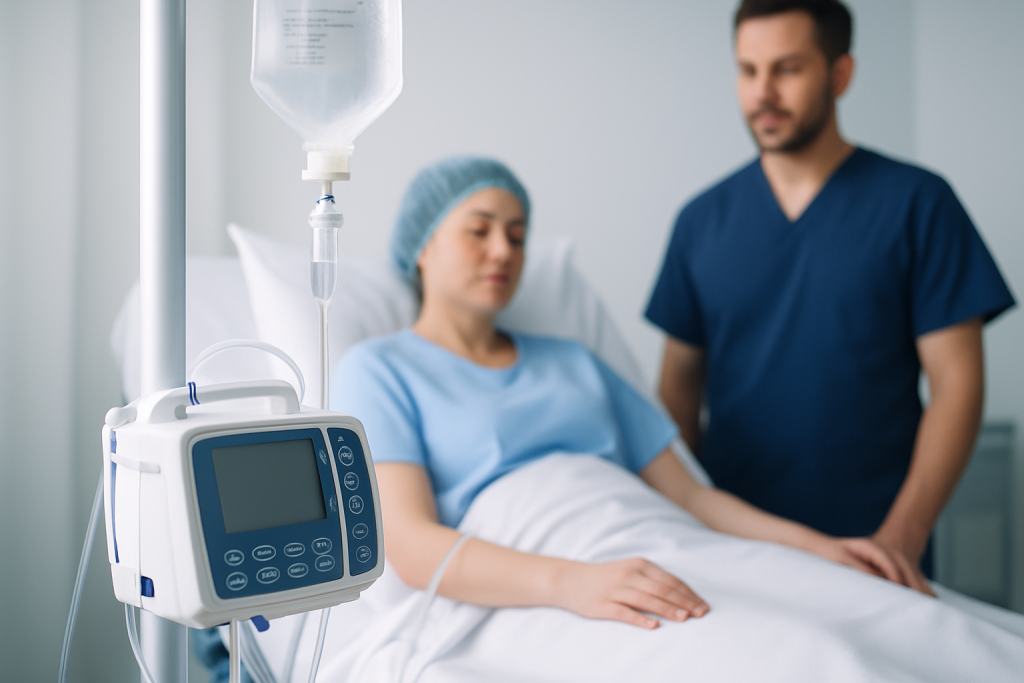
Dextrose itself does not usually cause a “symptom” in the way an illness does. Instead, it is given when a patient has a problem that needs glucose support, most often low blood sugar. People with hypoglycemia may feel shaky, sweaty, anxious, weak, confused, or lightheaded, and in more severe cases they may become drowsy or have difficulty speaking or concentrating.
Hospitals also use dextrose when patients are unable to eat enough because of surgery, illness, swallowing difficulties, nausea, or fasting before procedures. In these situations, dextrose can help prevent the body from running low on carbohydrates while the underlying issue is treated.
Some patients receive dextrose as part of IV fluids when they need hydration and calorie support at the same time. This may be especially relevant during recovery after surgery, after long travel with illness, or when intake has been limited for several days.
- Low blood sugar in people with diabetes or other metabolic conditions
- Reduced oral intake due to illness, surgery, or procedures
- Fluid replacement that includes a carbohydrate source
- Nutrition support when normal eating is temporarily not possible
Causes and Risk Factors

Dextrose is not a disease, so the “causes” here refer to the reasons a person may need it. The most common reason is low blood glucose, which can happen if someone has taken diabetes medication, skipped meals, exercised more than usual, or developed an acute illness that affects eating and absorption.
People at higher risk of needing dextrose include those with diabetes, newborns, patients recovering from surgery, individuals with vomiting or prolonged fasting, and those receiving certain hospital treatments that can reduce food intake. Older adults and people with multiple health conditions may also need closer monitoring because blood sugar changes can happen more quickly or be harder to recognize.
In some cases, the concern is not only low blood sugar but also the need for controlled carbohydrate delivery. A patient’s kidney function, heart status, fluid balance, and nutrition goals all influence whether dextrose is helpful and how it should be administered.
Diagnosis and Medical Assessment
Before dextrose is given, clinicians usually check the reason for the treatment and assess whether the patient needs urgent support. If low blood sugar is suspected, a bedside glucose test is often the first step, because treatment decisions may need to be made quickly.
In non-emergency situations, the medical team may review the person’s medications, eating pattern, recent illness, diabetes history, and any symptoms such as confusion or weakness. Blood tests may also be used to look at overall glucose control, electrolyte balance, hydration status, and organ function.
For patients traveling from another country, it helps to bring a list of medications, insulin schedules, recent test results, and any prior episodes of hypoglycemia. That information allows the team to interpret dextrose needs in context and avoid treating one problem while missing another.
Treatment Options
Dextrose treatment is selected according to urgency and the patient’s ability to take sugar by mouth. If a person is awake, able to swallow safely, and has mild low blood sugar, a healthcare professional may recommend an oral form such as a glucose drink, gel, or tablet. This is often the simplest approach when the gut is working and the situation is not severe.
When blood sugar is very low, the patient cannot swallow, or rapid correction is needed, IV dextrose may be used. In a hospital setting, the team monitors response closely and may repeat glucose checks to make sure levels rise safely without overshooting. Dextrose may also be included in IV fluids or nutrition plans when longer support is needed.
Because treatment needs differ, dextrose is not “one-size-fits-all.” A patient with diabetes, heart disease, kidney disease, or a recent procedure may need a more individualized plan to balance glucose correction with fluid and electrolyte management.
- Oral glucose for mild, conscious episodes of low blood sugar
- IV dextrose for urgent correction or when swallowing is not safe
- Fluids that include dextrose for selected hydration and nutrition needs
- Ongoing monitoring to confirm that the cause of the low sugar is addressed
Possible Side Effects and Safety Considerations
Dextrose is widely used, but like any medical treatment it can have side effects. The most common concern is a change in blood sugar that is either too low or too high, especially if the patient’s condition changes quickly or if monitoring is not frequent enough.
IV dextrose can sometimes irritate a vein, and in some cases it may cause discomfort at the injection site. If fluid is given too quickly or in a person with limited heart or kidney reserve, there can also be a risk of fluid overload, which is why clinicians consider the whole clinical picture before starting treatment.
People with diabetes may need special attention because dextrose can temporarily raise glucose levels and affect insulin planning. In rare situations, electrolyte shifts can occur, so healthcare teams may check related blood tests when patients need ongoing IV support.
Patients should let the care team know about diabetes, pregnancy, kidney disease, heart failure, or past episodes of severe hypoglycemia. These details help clinicians choose the safest form of treatment and the best monitoring schedule.
Prevention and Self-care
Good self-care around dextrose is mostly about preventing the problem that made it necessary in the first place. For people who are prone to low blood sugar, regular meals, medication timing, and awareness of exercise-related changes can make a meaningful difference.
Patients with diabetes are often advised to learn the early signs of hypoglycemia and to keep a fast-acting carbohydrate source available if their doctor recommends it. They should also know when home treatment is appropriate and when medical help is needed instead of trying to manage alone.
For those recovering after surgery or illness, following instructions on eating, drinking, and medication use is important. If a person has been discharged after receiving dextrose, it is sensible to ask what to do if appetite remains poor, vomiting continues, or blood sugar readings fluctuate.
- Do not skip meals when taking diabetes medicines unless a clinician has advised it.
- Carry a source of glucose if at risk for hypoglycemia.
- Follow post-procedure instructions on eating and drinking carefully.
- Ask how to monitor blood sugar at home if dextrose was part of hospital care.
When to See a Doctor
Medical advice is needed promptly if low blood sugar symptoms are severe, unusual, or do not improve after the recommended first aid steps. Confusion, fainting, seizure activity, inability to swallow, or marked drowsiness should be treated as urgent concerns.
People who are repeatedly needing dextrose, or who have new episodes of hypoglycemia without an obvious reason, should be evaluated by a doctor. Recurrent low sugar can point to medication issues, eating problems, infection, endocrine conditions, or other medical causes that deserve attention.
After travel or Varicose Vein Treatment Abroad: When Stockings Are Enough and When Procedures Help More" class="ahp-ilk">treatment abroad, it is especially helpful to arrange follow-up if blood sugar remains unstable, appetite stays poor, or IV fluids were recently needed. Acibadem Health Point’s multidisciplinary specialists and JCI-accredited hospitals can help diagnose and treat dextrose-related needs for international patients within a coordinated medical plan.
Anyone who is unsure whether a symptom is related to low blood sugar should seek professional assessment rather than guessing. A careful review is the safest way to determine whether dextrose, another treatment, or further testing is appropriate.
Frequently asked questions
Is dextrose the same as sugar?
Dextrose is a form of glucose, which is a simple sugar the body uses for energy. In medical care, it is used because it can raise blood glucose quickly when needed.
Why would a doctor give dextrose through an IV?
IV dextrose is used when blood sugar needs to be corrected quickly or when a person cannot safely swallow. It can also be part of fluid or nutrition support in the hospital.
Can dextrose raise blood sugar too much?
Yes, if it is not used appropriately or if blood sugar is monitored poorly, levels can rise higher than intended. That is why clinicians check glucose and adjust treatment based on the individual situation.
Is dextrose safe for people with diabetes?
It can be safe when used for a clear medical reason and monitored carefully. People with diabetes should tell the care team about their medications and usual glucose patterns so treatment can be tailored.
What should someone do after a low blood sugar episode treated with dextrose?
They should follow the care plan given by the medical team and eat or drink as advised once it is safe. If episodes keep happening, a doctor should review the cause and adjust treatment if needed.
Does dextrose have to be given only in hospitals?
No, dextrose can also be taken by mouth in certain forms if a clinician recommends it. IV dextrose, however, is generally given in medical settings where monitoring is available.
References
- World Health Organization
- Mayo Clinic
- National Institute of Diabetes and Digestive and Kidney Diseases
- MedlinePlus
- American Diabetes Association
This article is for general information only and is not a substitute for professional medical advice. Please consult a qualified doctor about your individual situation.
Explore treatments in Turkey — costs, top hospitals & a free quote
JCI-accredited · board-certified surgeons · reply within 24h
Add us as a Preferred Source to see more of our trusted health content across Google Search, AI Overviews and Discover.