

Can You Fly Home After Facelift or Eyelid Surgery?

Key Takeaways
- The safest time to fly depends on the exact operation, the extent of healing, and whether there are any complications.
- Swelling, bruising, dryness, and fatigue are common early after facelift or eyelid surgery and can make travel uncomfortable.
- Compression garments, eye protection, hydration, and a calm travel plan may help during the trip home.
- A surgeon should confirm when it is safe to travel, especially after a combined procedure or if drains, vision changes, or pain are present.
- Long-haul travel after surgery may require extra precautions to reduce the risk of strain, dehydration, and blood clots.
Medically reviewed by the Acıbadem clinical team — July 13, 2026
Flying home after facelift or eyelid surgery is often possible, but the right timing depends on the procedure, the person’s healing, and the surgeon’s advice. Careful planning can help reduce discomfort, support recovery, and make the journey safer and more manageable.
Overview
For many people considering cosmetic surgery abroad, the question is not only how the face will heal, but also when it will be comfortable and safe to board a plane. After a facelift or eyelid surgery, the answer is rarely the same for everyone. It depends on the extent of the procedure, whether it was done alone or with another operation, how the body is healing, and how far the journey home will be.
In the first few days after facial surgery, the body is doing a great deal of repair work. Swelling, bruising, tightness, and tiredness are common. Air travel adds practical challenges: sitting for long periods, carrying luggage, managing dryness in the cabin, and reaching medical help quickly if something unexpected happens. For that reason, the best travel plan is one made with the operating surgeon rather than based on a fixed calendar alone.
International patients often benefit from building time into the trip for early follow-up, wound checks, and rest before returning home. That extra buffer can make the journey less rushed and gives the surgical team time to look for early signs of normal healing as well as any problems that need attention.
What recovery can feel like after facelift or eyelid surgery
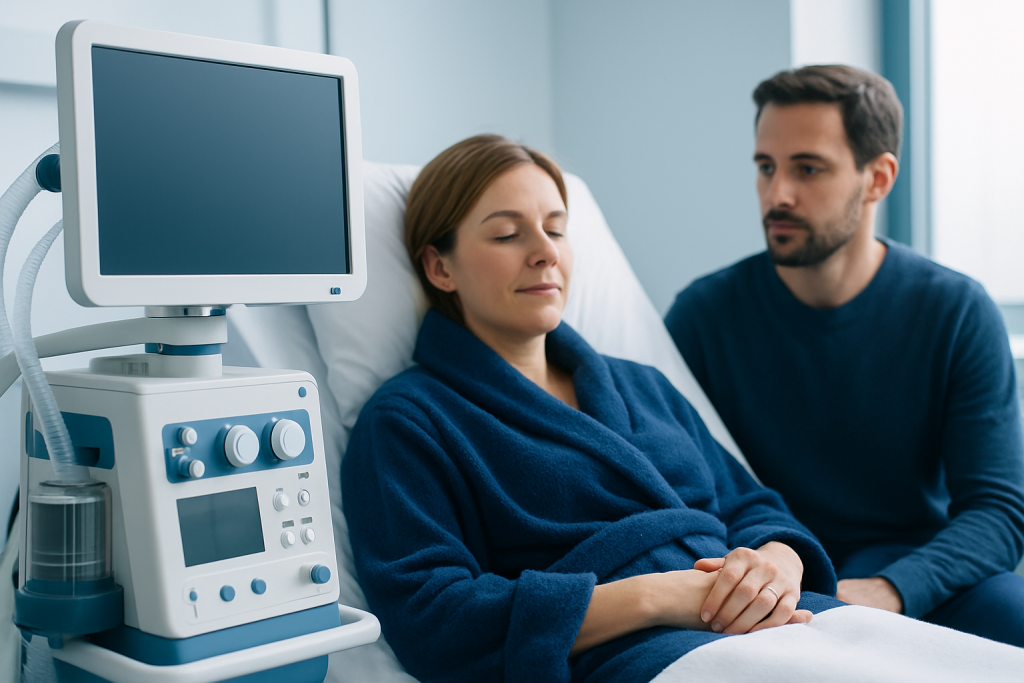
A facelift usually involves tissue lifting and repositioning in the lower face, jawline, and neck. Eyelid surgery, also called blepharoplasty, focuses on the upper lids, lower lids, or both. Because these procedures affect delicate facial tissues, the early recovery period often comes with visible changes that can make traveling less comfortable than expected.
Swelling commonly peaks in the first days after surgery and then gradually improves. Bruising may spread downward with gravity, and the face can feel tight or numb. After eyelid surgery, the eyes may be dry, watery, sensitive to light, or more easily irritated. Some people also notice temporary blurred vision from ointment or swelling, which is one reason travel should not be rushed if there is any concern about sight.
Other common early recovery experiences include mild fatigue, difficulty sleeping comfortably, and a sense of heaviness in the face or neck. These symptoms are usually temporary, but they matter when deciding whether a person can handle the stress of a flight, airport transfers, and luggage. A careful recovery plan gives the body time to settle before a long journey.
- Swelling and bruising are expected early after surgery.
- Eye dryness or light sensitivity may affect comfort after blepharoplasty.
- Tightness, numbness, and fatigue can make travel feel harder than usual.
- Recovery pace varies from person to person.
What affects whether flying is safe

The decision to fly home is influenced by more than the name of the operation. Surgeons usually consider whether the procedure was straightforward or more extensive, whether it was combined with another treatment such as a brow lift or neck lift, and whether drains, dressings, or sutures still need close monitoring. A person who had a small, uncomplicated eyelid procedure may be able to travel sooner than someone recovering from a more extensive facelift.
General health also matters. Factors such as a history of blood clots, smoking, reduced mobility, high blood pressure, diabetes, or problems with wound healing can change the advice. Age alone does not decide anything, but it can shape how quickly swelling settles and how long it takes to feel steady enough for a long flight.
Distance is another practical issue. A short regional flight is not the same as an overnight international trip with multiple connections. The longer the journey, the more important it becomes to plan walking breaks, hydration, medication timing, and help with baggage. People who travel alone may need more support than those accompanied by a companion.
Perhaps the most important point is this: flying should not begin while a person is having active complications. Increasing pain, heavy bleeding, significant swelling on one side, fever, shortness of breath, or any change in vision should be assessed first, even if travel plans are already in place.
How surgeons decide on timing
There is no single number of days that fits every facelift or eyelid surgery patient. Instead, surgeons look at the healing picture during follow-up visits. They check the incision lines, the amount of swelling and bruising, eye comfort, symmetry, and whether the person can move around safely without dizziness or significant discomfort.
After facial surgery, the first review may happen within a few days. This appointment is especially important for international patients, because it can clarify whether travel can proceed as planned or whether a short delay would be wiser. If stitches or drains need to be removed, or if the surgeon wants one more observation period, it is usually better to adjust the itinerary than to force the trip.
People sometimes ask whether they can decide based on appearance alone. That is not reliable. A face may still look swollen while the deeper healing is progressing well, or it may look relatively calm while the skin is not ready for pressure, strain, or long sitting. The surgeon’s exam gives the most useful answer.
- Clear incision healing is reassuring, but it is not the only factor.
- Drain removal or stable wound care may need to happen before flying.
- Vision and eye comfort are especially important after eyelid surgery.
- Any sign of complication should delay travel until reviewed.
Travel risks to think about before the flight
Air travel after surgery is usually considered from two angles: comfort and safety. Comfort issues are common and may include facial pressure, dry eyes, sleep disruption, and the awkwardness of trying to protect the face in a crowded airport. Safety issues are less common but deserve attention, especially when the flight is long or the person is still quite immobile.
Sitting for long periods can slow circulation. That matters because surgery and reduced movement can both contribute to clot risk in some people. Hydration is also important, since cabin air is dry and dehydration can worsen headaches, fatigue, and swelling. In addition, the changes in pressure during flying may feel uncomfortable when the face is still tender or congested.
For eyelid surgery, eye care during the trip is a major consideration. Dryness and irritation may become more noticeable in the cabin. Sunglasses, lubricating drops if approved by the surgeon, and a window seat away from drafts can make the journey easier. For facelift patients, pillows or a travel neck support may help maintain a comfortable upright posture without putting pressure on the healing areas.
People should also avoid carrying heavy bags or lifting luggage overhead too soon, because straining may increase discomfort and swelling. Assistance at the airport is a practical, not luxurious, part of recovery planning.
How to prepare for flying home
Preparation starts before the airport, ideally with written instructions from the surgical team. These instructions may cover wound care, bathing, showering, medication timing, and which symptoms should trigger an urgent call. For international patients, it helps to keep copies of these instructions, prescriptions, and the surgeon’s contact details easily available during travel.
Clothing should be loose, comfortable, and easy to change in and out of. Anything that needs to be pulled over the head may be inconvenient after facial surgery. A companion can help with luggage, paperwork, and navigating the airport without rushing. If the surgeon recommends a specific head position, dressings, or protective eyewear, the travel plan should respect that advice.
During the flight, simple habits can make the trip smoother: drinking water regularly, standing or walking when allowed, avoiding alcohol, and keeping the face protected from bumps or accidental pressure. Rest is important, but complete immobility is not ideal. Gentle movement, within the surgeon’s guidance, supports circulation and comfort.
- Carry discharge instructions and emergency contact information.
- Use loose clothing and avoid overhead lifting.
- Ask for airport assistance if needed.
- Stay hydrated and move around when safe.
Prevention & self-care after you arrive home
Once the person is back home, the focus shifts from travel itself to steady healing. The first priorities are usually rest, wound care, and keeping follow-up appointments. Even when the flight was smooth, recovery may still be active for several days or weeks, and the face may continue to look uneven or puffy for a while. That is normal and should be expected rather than judged too early.
Self-care after flying home includes following the surgeon’s instructions for cleaning incisions, using any recommended eye drops or ointments, protecting the skin from sun exposure, and sleeping in the suggested position. Avoiding smoking and limiting strenuous activity are common recommendations because both can interfere with healing. People should also be patient with the timeline: facial surgery results usually refine gradually, not overnight.
Follow-up with a local physician or the operating team may be helpful if travel makes virtual review necessary. For patients who return to another country, it is wise to know in advance where they would seek urgent care if symptoms worsen. Planning for that possibility is part of responsible aftercare, not a sign that trouble is expected.
Acibadem Health Point’s multidisciplinary specialists and JCI-accredited hospitals support international patients through diagnosis, surgery, and follow-up planning, which can be especially useful when travel is part of the recovery journey.
When to see a doctor
A surgeon should be contacted promptly if the recovery seems to be moving in an unexpected direction. A small amount of swelling, bruising, and discomfort is common, but symptoms that worsen instead of gradually improving deserve review. If travel has already occurred, the person should not wait for the next scheduled appointment if a new concern appears.
After facelift or eyelid surgery, it is important to seek medical advice for heavy bleeding, increasing redness or warmth around the incision, fever, sudden swelling on one side, shortness of breath, chest pain, severe headache, or any change in vision. These are not symptoms to ignore or “watch for a few more days.” They need prompt assessment.
People should also check in if pain becomes difficult to control, if a drain is not functioning properly, if the wound opens, or if eye dryness becomes severe enough to affect vision or comfort. Clear communication is especially important for patients who have already returned home and may be coordinating care across countries and time zones.
A practical answer for international patients
So, can a person fly home after facelift or eyelid surgery? Often, yes — but only when the operating surgeon feels the healing is sufficiently stable. The right moment depends on the procedure, the person’s overall health, and whether the trip is short or long haul. Rushing to the airport before the body is ready can turn a manageable recovery into a more difficult one.
For many international patients, the safest path is to build flexibility into the itinerary, attend the first follow-up visit, and leave room for a short delay if healing needs more time. That approach is usually more comfortable, more reassuring, and more respectful of how facial Plastic Surgery Recovery At Home: Monitoring and Care" class="ahp-ilk">surgery recovery actually unfolds.
When the timing is planned thoughtfully, flying home after facelift or eyelid surgery can be a normal part of the treatment journey rather than a source of stress. The key is to let the healing process set the pace, and to ask the surgical team for clear, individualized guidance before boarding.
Frequently asked questions
How soon can someone fly after facelift surgery?
There is no universal timeline. Many surgeons allow travel only after an early follow-up visit confirms that swelling, bleeding risk, and wound healing are on track. The exact timing depends on how extensive the facelift was and whether any drains or special dressings are still in place.
Is eyelid surgery easier to travel after than a facelift?
Often it is, especially if the procedure was limited and uncomplicated. Even so, dry eyes, blurred vision from ointment, and light sensitivity can make flying uncomfortable, so the surgeon’s advice still matters.
Why can flying be a concern after facial surgery?
Flying can add long periods of sitting, cabin dryness, pressure changes, and limited access to care if a problem appears. These factors may increase discomfort and, in some people, affect recovery safety.
What should a person pack for the flight home after surgery?
It helps to bring discharge instructions, approved medications, sunglasses, tissues, water, and anything the surgeon recommends for wound or eye care. A companion can also help with luggage and airport navigation.
Can swelling get worse after a flight?
Yes, swelling can sometimes feel more noticeable after sitting for a long time or after a long trip. This does not always mean something is wrong, but new or rapidly increasing swelling should be discussed with a doctor.
Is it safe to travel alone after facial surgery?
Some people can manage with careful planning, but having a companion is often safer and more comfortable, especially after a longer or more involved procedure. A companion can help if fatigue, dizziness, or discomfort makes travel harder.
References
- American Society of Plastic Surgeons
- American Academy of Ophthalmology
- Centers for Disease Control and Prevention
- World Health Organization
- National Health Service
This article is for general information only and is not a substitute for professional medical advice. Please consult a qualified doctor about your individual situation.
Explore treatments in Turkey — costs, top hospitals & a free quote
JCI-accredited · board-certified surgeons · reply within 24h
Add us as a Preferred Source to see more of our trusted health content across Google Search, AI Overviews and Discover.
More from the Health Library

Blepharoplasty and Dry Eyes: What Needs Checking Before Eyelid Surgery Abroad

Eyelid Surgery Planning: When Puffiness, Hooding, or Brow Position Changes the Recommendation

Eyelid Surgery Planning: What Makes a Patient a Better Fit for Upper, Lower, or Both
Related Specialists
Dr. İlker Altundağ
Aesthetic Plastic & Reconstructive Surgery
Dr. Serkan Tokgönül
Aesthetic Plastic & Reconstructive Surgery
Dr. Ömercan Yağız Öksüz
Aesthetic Plastic & Reconstructive Surgery
Prof. Dr. Mehmet Veli Karaaltın
Aesthetic Plastic & Reconstructive Surgery