Breast Lift With or Without Implants: Which Result Fits Your Starting Point?

Key Takeaways
- A breast lift reshapes and raises the breasts, but it does not add much volume on its own.
- Implants can be combined with a lift when fullness, projection, or size increase is also desired.
- The starting point matters: skin laxity, breast volume, and nipple position help guide the choice.
- Scars, recovery time, and long-term maintenance differ between lift-only and lift-plus-implant surgery.
- A consultation with a board-certified plastic surgeon helps match expectations to anatomy and safe surgical planning.
A breast lift can restore a more elevated, youthful breast position, while implants add volume and upper fullness. The best option depends on breast tissue, skin quality, nipple position, and the look the person hopes to achieve.
Overview
There is no single “best” operation for every patient. The right choice depends on what is missing most: lift, volume, or both. A detailed assessment helps separate a breast that is simply deflated from one that is also significantly descended. That distinction often determines whether a lift alone will meet the goal or whether implants are needed for a fuller upper pole and a more rounded profile.
It is also helpful to think about how the result should feel in daily life. Some people prefer a natural, lighter outcome and want to avoid implants. Others specifically want more cleavage or a larger cup size. A careful, patient-centered discussion can make those preferences part of the planning rather than leaving them to guesswork.
Symptoms and signs that may point to surgery
People usually seek a breast lift not because of pain, but because of a change in shape that feels difficult to ignore. Breasts may look lower on the chest, nipples may point downward, bras may no longer fit the same way, or one side may sit noticeably differently from the other. Clothes can begin to hang differently, especially fitted tops and swimwear.
When breasts have lost both volume and firmness, the change can be more pronounced. The upper part of the breast may look empty, the lower part may feel stretched, and the skin may appear lax. In these cases, implants may be considered if a lift alone would not create enough fullness.
- Breasts appear deflated or flattened in the upper pole
- Nipples sit low or point downward
- Breasts feel heavy but lack upper fullness
- Asymmetry has become more noticeable over time
- Clothing and bras no longer provide the desired shape
Symptoms in this setting are usually cosmetic rather than medical, but they can still affect confidence and body image. A surgeon’s role is to determine which changes are structural and which are best addressed by volume restoration, tissue repositioning, or both.
Causes and risk factors
Breast shape changes are common over time and are usually related to normal tissue stretch rather than a single cause. Pregnancy and breastfeeding can enlarge the breasts and then leave them with less firmness afterward. Weight loss may reduce breast volume, while aging gradually affects skin elasticity and internal support.
Genetics also play a role. Some people naturally have lighter skin support or breast tissue that descends earlier than expected. Smoking, repeated weight fluctuations, and larger breast size can contribute to faster stretching of the skin and supporting ligaments. Gravity is always part of the story; over years, it simply has more time to act on the tissue.
When deciding between a lift and implants, the surgeon looks at several risk factors and physical features:
- Degree of sagging, including nipple position
- Amount of existing breast volume
- Skin quality and elasticity
- Chest width and body proportions
- History of pregnancy, breastfeeding, or weight change
- Personal goals for size, shape, and upper fullness
These factors help identify whether the breasts mainly need repositioning, more volume, or both. The goal is not to force one standard technique, but to choose the operation that best matches the current anatomy.
How the diagnosis and consultation work
There is no lab test that decides between a breast lift and implants. Diagnosis is based on clinical examination, conversation, and careful planning. During consultation, the surgeon assesses breast size, nipple position, symmetry, skin quality, and the degree of droop. Photographs may be taken for planning and comparison, depending on clinic policy and patient consent.
Equally important is the discussion of expectations. Some patients want a subtle improvement that preserves a natural outline. Others want more visible fullness and a different bra size. The surgeon can explain what is achievable with a lift alone, what implants add, and where combined surgery may create the most balanced result.
For international patients, consultations may also include practical topics such as length of stay, the timing of preoperative tests, and the availability of follow-up appointments before departure. This matters because breast surgery planning is not finished when the operation date is chosen; recovery arrangements should be realistic from the start.
Patients are often encouraged to ask about incision patterns, scar placement, implant type if implants are being considered, and how breastfeeding or future weight changes may affect long-term results. A clear consultation usually makes the eventual choice feel more grounded and less intimidating.
Treatment options: lift only, implants only, or both
A breast lift reshapes the existing breast tissue and elevates the nipple to a more centered position. It can improve contour and firmness without changing breast size much. This is often the preferred path when the breast volume is still adequate but has shifted lower on the chest.
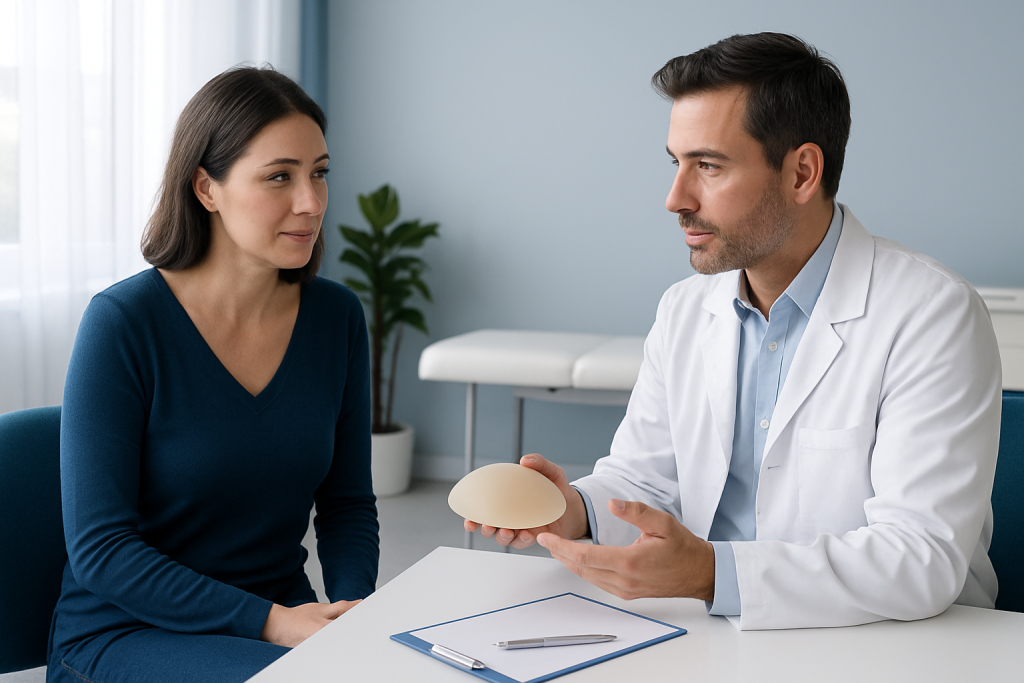
Breast implants increase size and projection. They may be chosen when the person wants larger breasts, better upper fullness, or more visible cleavage. Implants alone are sometimes enough for a person who has good skin support and minimal sagging, but they do not correct significant droop on their own.
When both sagging and volume loss are present, a combined lift with implants may offer the most complete correction. The lift places the breast higher and reshapes it, while the implant adds fullness. That said, the combination is not ideal for everyone. The surgeon must consider tissue thickness, skin tension, scar burden, and the person’s tolerance for a more involved operation.
Common surgical planning considerations include:
- How much lift is needed to reposition the nipple and tissue
- Whether an implant is necessary to restore lost volume
- How to balance size, upper pole fullness, and natural appearance
- How scars will be placed for the safest reshaping
Each option has trade-offs. A lift alone avoids implant-related maintenance but may not restore volume. Implants can create fuller breasts, but they come with device-related considerations over time. Combined surgery can provide a more comprehensive change, yet recovery may be somewhat more involved.
What to expect during surgery and recovery
Breast lift and implant procedures are typically performed under anesthesia in a surgical setting. The exact technique depends on the amount of sagging and the type of correction planned. Incisions are placed to allow the surgeon to remove excess skin, reshape tissue, and reposition the nipple as needed. If implants are used, they are placed in a pocket determined by anatomy and surgical judgment.
Recovery often includes swelling, bruising, and a feeling of tightness or pressure across the chest. A support bra is commonly worn to help reduce movement and support healing tissues. Daily activities are usually limited at first, especially lifting, overhead reaching, and exercise involving the upper body.
Traveling home after surgery requires extra planning. International patients may need a longer local recovery period so early checks can be completed before flying. The surgeon may advise on wound care, activity restrictions, and the best timing for return travel based on the individual’s healing progress.
Although many people feel improved soon after surgery, the final shape takes time to settle as swelling decreases and tissues soften. Follow-up is important for monitoring scars, incision healing, and implant position if implants were used. Clear discharge instructions are particularly helpful when the patient will continue recovery in another country.
Prevention and self-care after surgery
People cannot prevent all breast shape changes, but they can support the best possible surgical outcome. Before surgery, maintaining a stable weight and stopping smoking, if relevant, can improve healing conditions. Good general health makes recovery easier and may reduce avoidable complications.
After surgery, self-care is mainly about protecting the repair. Wearing the recommended support garment, avoiding strain, and following wound-care instructions help tissues settle properly. Sleep positioning may also matter, especially in the early weeks when chest pressure should be minimized.
- Attend all scheduled postoperative reviews
- Keep incisions clean and dry as instructed
- Avoid heavy lifting until cleared by the surgeon
- Use the recommended support bra consistently
- Contact the clinic if swelling, redness, or pain changes unexpectedly
Long-term, breast shape can still change with aging, pregnancy, or weight fluctuations. A stable lifestyle helps preserve results, but no surgery can fully stop the body’s natural changes. That is why surgeons often frame the goal as long-lasting improvement rather than permanent suspension of time.
When to see a doctor
A consultation with a board-certified plastic surgeon is appropriate when breast changes are affecting comfort, clothing fit, or self-image and the person wants to understand available options. The earlier the discussion happens, the easier it is to compare lift-only and combined approaches without pressure. Someone who is still planning pregnancy or major weight loss may also benefit from waiting or revisiting the decision later.
After surgery, medical review is needed if healing does not seem to be progressing normally. Increasing redness, fever, unusual drainage, marked asymmetry, or sudden swelling should be assessed promptly. These findings do not always indicate a serious problem, but they should not be ignored.
Acibadem Health Point’s multidisciplinary specialists and JCI-accredited hospitals diagnose and treat breast lift and implant concerns for international patients with an emphasis on coordinated care and clear follow-up planning. For anyone traveling for surgery, that kind of structured pathway can make the process more manageable from first consultation to recovery.
A practical way to choose the right result
The most useful question is often not “Which surgery is better?” but “What does the breast need most to look balanced on this body?” If the main issue is droop with enough natural volume, a lift may be enough. If the breast is low and also noticeably empty, implants may help create the fullness that a lift alone cannot provide.
Surgeons usually make the decision by combining physical findings with the patient’s priorities. A good plan respects proportions, scar tolerance, and long-term expectations. That approach tends to produce a result that feels appropriate rather than overdone.
For patients coming from abroad, it helps to think beyond the operation itself: timing, support at home, and the ability to return for follow-up should all be part of the choice. A well-planned consultation can turn an uncertain decision into a clear, individualized surgical path.
Frequently asked questions
What is the main difference between a breast lift and implants?
A breast lift raises and reshapes the breasts, while implants add volume and projection. Some people need only repositioning, while others need both lift and fullness to reach their goals.
Can a breast lift make the breasts look larger?
A lift can make the breasts look fuller by improving position and contour, but it does not add much volume. If the breast tissue is sparse, implants may be needed to create a noticeably larger size.
How does a surgeon decide whether implants are necessary?
The decision is based on breast volume, skin laxity, nipple position, and the desired final shape. If sagging is the main issue, a lift alone may be enough; if volume loss is significant, implants may be recommended.
Will there be scars after a breast lift or lift with implants?
Yes, both procedures involve scars, although their placement and length vary with the technique used. Surgeons try to position incisions so they are as discreet as possible while still allowing safe reshaping.
Can someone breastfeed after a lift or implant surgery?
Breastfeeding may still be possible for some people, but surgery can affect milk ducts or nipple sensation in some cases. Anyone who hopes to breastfeed in the future should discuss this carefully with the surgeon before deciding.
How long does recovery usually take?
Recovery time varies, but most people need to limit activity for several weeks and follow their surgeon’s instructions closely. Swelling and settling of shape continue beyond the first few weeks, so final results take time to appear.
References
- American Society of Plastic Surgeons
- International Society of Aesthetic Plastic Surgery
- U.S. Food and Drug Administration
- Mayo Clinic
- NHS
This article is for general information only and is not a substitute for professional medical advice. Please consult a qualified doctor about your individual situation.
More from the Health Library

How Long Does Cosmetic Surgery Swelling Really Last? A Week-by-Week Look

Choosing Between Local Anesthesia, Sedation, and General Anesthesia in Aesthetic Surgery