

Breast Augmentation

Key Takeaways
- Breast augmentation can address volume loss, asymmetry, or a long-standing preference for fuller breasts.
- Implant type, size, placement, and incision choice are individualized rather than one-size-fits-all.
- Recovery is usually gradual, with most daily activities returning before strenuous exercise or lifting.
- Like any surgery, breast augmentation has benefits and risks that should be reviewed in detail before deciding.
- Long-term follow-up matters because implants are not considered lifetime devices.
- A board-certified plastic surgeon can help align goals with anatomy, safety, and realistic expectations.
Breast augmentation is a surgical procedure used to increase breast volume, improve symmetry, or restore shape after pregnancy, weight change, or surgery. A careful consultation helps patients understand implant choices, expected recovery, and the safety considerations that matter most.
Overview
Breast augmentation is a surgical procedure designed to increase breast volume or refine breast shape. For some patients, the goal is to restore fullness lost after pregnancy, weight change, or aging; for others, it is to improve long-standing asymmetry or achieve a figure that feels more proportionate to the body.
The operation is usually planned in detail before surgery. That planning matters because breast augmentation is not simply about choosing a larger size. It also involves deciding on implant type, implant placement, incision location, and how the final result should fit the patient’s frame and lifestyle.
Many people exploring this surgery are traveling from another country and want clarity before committing to care. In that setting, a thorough consultation, image review, and discussion of recovery logistics can help the patient decide whether the timing, travel plan, and follow-up schedule are realistic and safe.
Symptoms and Reasons Patients Consider It
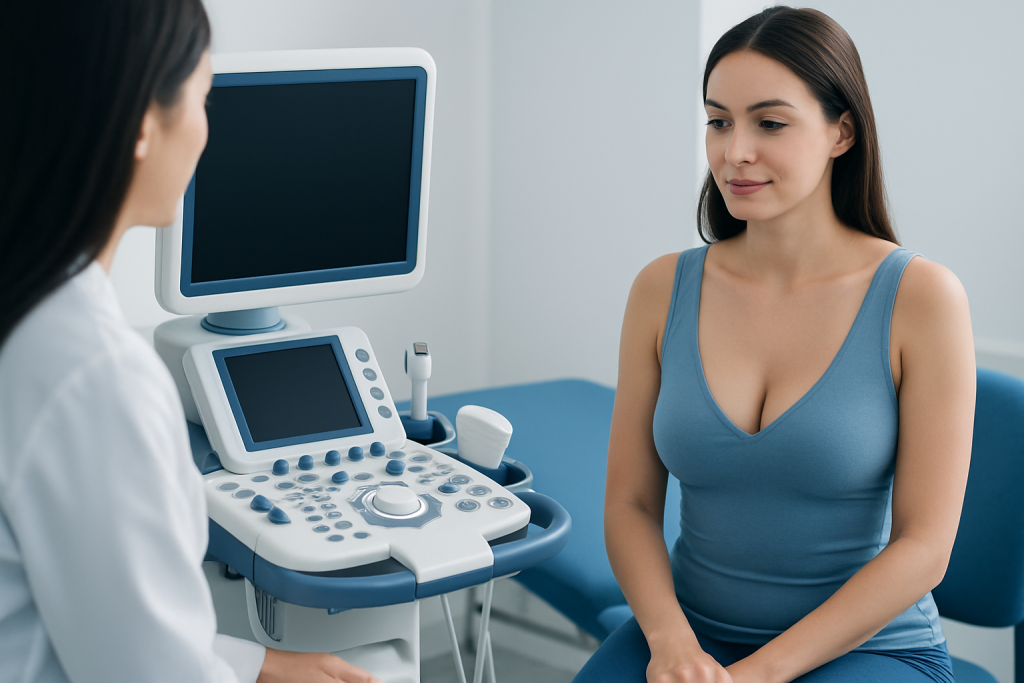
Breast augmentation is not performed for a disease in the usual sense, so the “symptoms” are often functional or emotional concerns rather than medical warning signs. A patient may feel that their breasts are smaller than they would prefer, uneven in size, or noticeably changed after breastfeeding, weight loss, or previous breast surgery.
Some patients seek augmentation to improve balance in clothing or swimwear, while others want reconstruction of shape rather than size alone. In certain situations, augmentation is combined with a breast lift when the breasts are not only smaller but also lower on the chest.
It is important that the decision be based on personal goals that are stable over time. A good surgical discussion usually includes questions about motivation, body image, and expectations so the patient can distinguish a well-considered preference from a passing trend.
Causes and Risk Factors
There is no single cause for choosing breast augmentation, but several life events commonly lead patients to consider it. Pregnancy, breastfeeding, aging, and major weight changes can reduce breast fullness or change breast position. Some patients have congenital asymmetry or naturally smaller breast volume that they have wanted to address for years.
Medical history also shapes candidacy. Previous breast surgery, radiation, autoimmune concerns, smoking, clotting problems, and certain medications may affect wound healing or surgical planning. A surgeon will also look at skin quality, chest width, breast tissue thickness, and nipple position before recommending an approach.
For international patients, logistics matter too. If the trip is short, the care plan should allow enough time for preoperative evaluation, the procedure itself, and early postoperative checks. Returning home too quickly can make it harder to manage early healing or address questions in a timely way.
Diagnosis and Preoperative Evaluation
Breast augmentation begins with a consultation, not the operating room. The surgeon evaluates the breast shape, skin elasticity, asymmetry, chest proportions, and the patient’s goals. Photographs may be taken for planning, and the team may discuss implant options using sizing tools or temporary sizers.
Health review is a key part of preparation. Patients are usually asked about medications, allergies, prior surgeries, pregnancy plans, personal or family breast history, and any symptoms that need further assessment. Depending on age and medical background, the doctor may recommend breast imaging or review recent screening results before surgery.
Clear preoperative instructions are also important. These may cover smoking cessation, medication adjustments, arranging a companion after surgery, and planning time off work. For patients traveling for care, the plan should include where follow-up visits will happen, how to reach the team after discharge, and what to do if a concern appears after returning home.
Treatment Options
Breast augmentation can be performed using implants, and in some settings, fat transfer may be considered for modest volume enhancement. The most common implants are saline and silicone, and each has advantages that are best discussed with a surgeon based on the patient’s anatomy and goals. Saline implants are filled with sterile salt water, while silicone implants are prefilled with a cohesive gel that many patients find feels more similar to natural breast tissue.
Placement is another major choice. An implant may be placed above the chest muscle or partially beneath it, depending on tissue thickness, activity level, and the desired contour. The incision may be made in the fold beneath the breast, around the areola, or, less commonly, in another location selected by the surgeon.
Some patients benefit from combining augmentation with a lift when there is sagging as well as volume loss. This is especially relevant after pregnancy or weight change. The surgeon will explain whether a single operation or a staged approach is safer and more likely to produce the result the patient wants.
- Implant-based augmentation: most common option for predictable volume increase.
- Fat transfer: uses the patient’s own fat for smaller enhancements and contour refinement.
- Augmentation with lift: addresses both size and breast position.
Recovery and Follow-up
Recovery after breast augmentation is usually gradual. Many patients feel tired and sore for the first few days, and the breasts may feel tight, swollen, or high on the chest at first. These early changes are expected and do not reflect the final result.
Most people can return to light daily activities relatively soon, but lifting, strenuous exercise, and chest-heavy movements are usually restricted until the surgeon says it is safe. Supportive clothing, wound care, and sleep positioning may be recommended to reduce strain on the healing tissues.
Follow-up visits help the surgeon monitor incision healing, swelling, implant position, and overall recovery. For international patients, this part of the plan deserves special attention. Before traveling, the patient should know which symptoms are normal, which warning signs need prompt attention, and how postoperative communication will continue once they are back home.
It is also helpful to understand that the final appearance may take time to settle. Breast tissue and implants often soften and shift over weeks to months, so the early look is not the finished outcome.
Prevention and Self-care
Breast augmentation itself cannot be “prevented” because it is a planned choice, but patients can reduce avoidable complications by preparing carefully. Stopping smoking, following medication guidance, attending all preoperative assessments, and choosing an experienced surgeon all support safer surgery.
After the procedure, self-care is centered on protecting the incision, respecting activity limits, and watching for changes that should be reviewed by the care team. Gentle movement, hydration, and rest are usually encouraged, while sudden increases in activity are best avoided until healing is farther along.
Patients planning to travel should be especially thoughtful about timing. Long flights, heavy luggage, and limited access to follow-up can complicate early recovery. It is wiser to build in enough days for the first postoperative check and to have a clear plan for medical contact after returning to the home country.
- Follow the surgeon’s instructions exactly, especially for wound care and activity limits.
- Keep all follow-up appointments, even if recovery feels straightforward.
- Wear recommended support garments if advised.
- Seek prompt advice for fever, increasing redness, significant swelling, or sudden change in breast shape.
When to See a Doctor
Patients should contact their surgeon if pain becomes worse instead of gradually improving, if one breast changes shape suddenly, or if there is increasing redness, warmth, drainage, or fever. These symptoms do not always mean a serious problem, but they deserve medical review.
Medical advice is also appropriate if the patient notices unusual firmness, persistent swelling, implant shifting, or concerns about the incision. Some issues are minor and temporary, while others need an in-person assessment so the surgeon can confirm that healing is on track.
Anyone considering breast augmentation should seek a qualified plastic surgeon before making a decision. A careful consultation helps the patient understand whether the procedure is suitable, what kind of result is realistic, and how to plan safely for recovery at home or abroad. At Acibadem Health Point, multidisciplinary specialists and JCI-accredited hospitals diagnose and treat this condition for international patients with coordinated care.
Frequently asked questions
How long does breast augmentation surgery take?
The procedure length varies depending on the implant choice, incision plan, and whether a breast lift is being done at the same time. The surgeon can give a more accurate estimate after the consultation and exam. Planning should also include time for preparation and early recovery after surgery.
Will breast implants look natural?
A natural look depends on the patient’s starting anatomy, implant size, implant type, and placement. A careful surgeon will balance the desire for fuller breasts with the chest width and available tissue so the result does not appear overly large for the body. Expectations should be discussed openly during planning.
Is breast augmentation painful?
Most patients feel soreness, tightness, and pressure in the first days after surgery. The discomfort usually improves gradually as swelling settles. The surgeon may recommend comfort measures and activity limits to help recovery feel more manageable.
How long do breast implants last?
Breast implants are not considered lifetime devices, so they may need to be replaced or revised at some point. Some people go many years without problems, while others require surgery sooner because of rupture, shape changes, or personal preference. Regular follow-up helps monitor implant status over time.
Can breast augmentation be combined with other procedures?
Yes, it is sometimes combined with a breast lift or other body-contouring procedures if the patient is an appropriate candidate. Combining procedures can be useful, but safety and recovery time must be considered carefully. The surgeon will advise whether a combined or staged plan is better.
When can someone travel after breast augmentation?
Travel timing depends on the surgery performed, the patient’s healing, and the surgeon’s advice. It is generally best to allow enough time for early follow-up before long-distance travel, especially after an international procedure. The care team should confirm when flying and extended sitting are reasonable.
References
- American Society of Plastic Surgeons
- International Society of Aesthetic Plastic Surgery
- U.S. Food and Drug Administration
- NHS
- Mayo Clinic
This article is for general information only and is not a substitute for professional medical advice. Please consult a qualified doctor about your individual situation.
More from the Health Library



Related Specialists

Dr. Mahir Kenduşim
Ophthalmology
Dt. Beril Karakaya Gökçimen
Oral & Dental Health
Assoc. Prof. Dr. Ahmet Yeşilyurt
Medical Genetics
Defne Sürek
Physical Medicine & Rehabilitation