

Bottom Back Stretches

Key Takeaways
- Gentle stretching can help loosen tight muscles around the lower back, hips, and pelvis.
- Not every back pain problem should be stretched; sharp, worsening, or nerve-related pain needs medical review.
- A balanced routine usually works better than one single stretch repeated often.
- Good posture, walking, and core-friendly movement often complement stretching.
- International patients can usually discuss symptoms with a specialist before traveling so the right plan is in place from the start.
Bottom back stretches are gentle movements that may help reduce stiffness, improve flexibility, and support everyday comfort in the lower spine and surrounding muscles. When chosen and performed safely, they can be part of a practical self-care plan for many people with mild, non-urgent back discomfort.
Overview
When people say their bottom back feels tight, they are often describing the lower part of the spine, the muscles beside it, and the nearby hips and pelvis. That area does a great deal of daily work: sitting, bending, lifting, getting out of bed, and even turning in place all depend on it. Because of that, mild stiffness can become noticeable very quickly.
Bottom back stretches are usually simple, slow movements designed to ease that tight feeling and restore easier motion. They are not meant to “push through” pain. Instead, they aim to calm irritated muscles, keep joints from becoming stiff, and support the body’s natural ability to move comfortably.
For many people, stretching is one part of a wider plan that may also include walking, posture changes, better workstation setup, and sometimes physical therapy. For travelers seeking care abroad, it can be especially useful to understand which stretches are appropriate before the trip and which movements should wait until a clinician has examined the back.
Symptoms
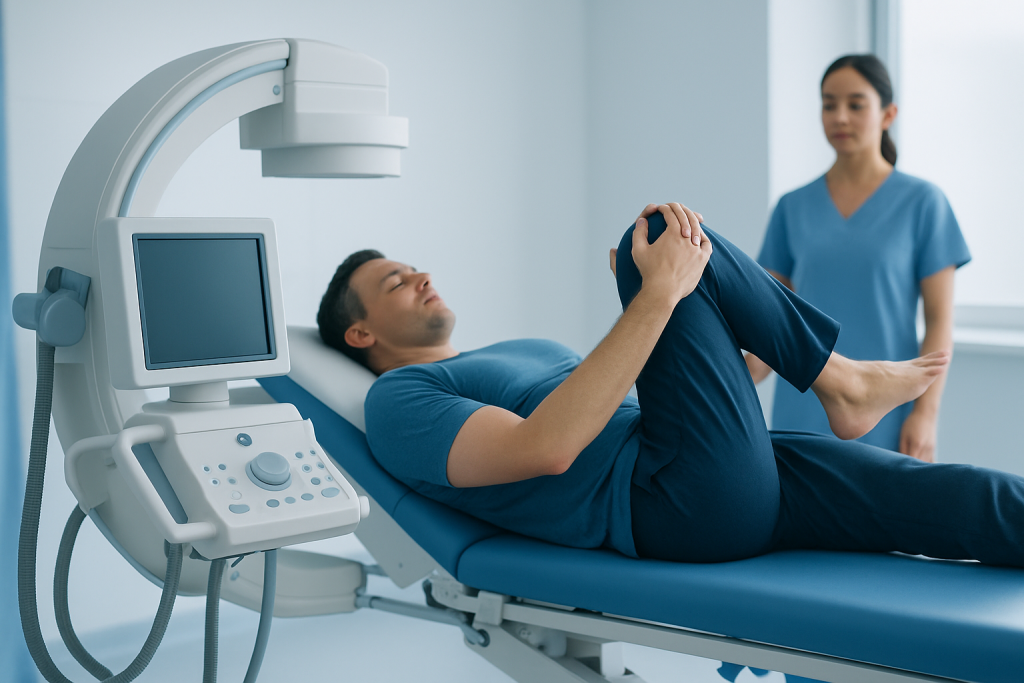
Not all lower back discomfort feels the same. Some people notice a dull ache after sitting for a long time, while others feel a pulling sensation when they stand up, bend forward, or get out of a car. The pain may stay in the center of the lower back or spread into the buttocks, hips, or upper thighs.
Common signs that stretching may be helpful include morning stiffness, muscle tightness after travel, a sense that the back “locks up” after sitting, or discomfort that eases with gentle movement. In many cases, symptoms are worse after inactivity and improve gradually once the body starts moving.
Symptoms that need medical attention rather than stretching include numbness, leg weakness, pain that shoots below the knee, fever, unexplained weight loss, loss of bladder or bowel control, or pain after a fall or major injury. These may point to a more serious cause that should be assessed promptly.
Causes & Risk Factors

Bottom back tension often develops for everyday reasons rather than from one dramatic event. Long periods of sitting, awkward lifting, sudden twisting, poor sleep positions, weak core support, and repetitive strain can all contribute. Muscles around the lower back and hips may tighten in response, making movement feel restricted.
Some people are more likely to develop lower back discomfort because of age-related changes in the spine, reduced activity, excess body weight, pregnancy, or jobs that involve lifting, driving, or standing for long hours. Stress can also play a role, since tension in the body often shows up most clearly in the lower back.
It is important to remember that back pain may come from many different sources. Disc problems, arthritis, spinal narrowing, muscle spasm, or nerve irritation can all feel similar at first. That is why a stretch routine should be chosen carefully and adjusted if symptoms change.
Diagnosis
When lower back pain lasts more than a short time, keeps returning, or interferes with daily life, a clinician may look for the underlying reason before recommending a stretching plan. The discussion usually begins with the person’s symptoms, recent activities, travel history, work habits, and whether pain changes with rest, movement, sitting, or sleeping.
A physical examination may include checking posture, walking pattern, flexibility, muscle strength, reflexes, and whether certain movements reproduce the pain. In many cases, this is enough to guide treatment. If the doctor suspects a nerve problem, fracture, infection, or other specific condition, imaging or additional tests may be advised.
For international patients, bringing previous reports, medication lists, and information about prior therapies can save time and help specialists compare old and new findings. A clear diagnosis matters because the safest stretches for a simple muscle strain may be very different from the plan for a spinal joint or disc problem.
Treatment Options
Stretching is usually most helpful when it is part of a broader, individualized plan. For mild muscle tightness, clinicians may suggest gentle mobility work, short walks, heat, posture correction, and gradual return to normal activity. Physical therapy can also teach safer movement patterns and strengthen the muscles that support the spine.
Common bottom back stretches may include knee-to-chest movements, pelvic tilts, cat-cow motions, hamstring stretches, hip flexor stretches, and gentle seated or standing side bends. The exact choice depends on what feels tight, what movements worsen pain, and whether symptoms involve the hips, hamstrings, or spine itself. Each stretch should be slow, comfortable, and controlled.
A few safety principles help keep stretching beneficial rather than irritating:
- Move into a stretch gradually and stop before sharp pain.
- Hold steady rather than bouncing.
- Keep breathing normally.
- Reduce range of motion if symptoms flare.
- Avoid stretches that worsen leg pain, numbness, or tingling.
In some situations, treatment may also include anti-inflammatory medicines, muscle relaxants, injections, or other procedures, but these are considered only when appropriate and after medical evaluation. Stretching should not replace care for a fracture, nerve compression, or other structural problem.
Prevention & Self-care
Many people find that the lower back responds well to steady, everyday care rather than occasional intense exercise. Short movement breaks during long sitting periods, regular walking, and maintaining a comfortable sleeping position can all reduce stiffness. A supportive chair, better desk setup, and attention to lifting technique may also help.
Warm-up matters. A few minutes of easy movement before stretching often makes the lower back more receptive and less guarded. After travel, a long meeting, or a flight, gentle walking and light mobility work can be more useful than forcing a deep stretch immediately.
Self-care is also about noticing patterns. If pain reliably worsens after a certain movement, that movement may need to be modified rather than repeated. People recovering in another country should ask their care team which activities are safe during flights, hotel stays, and the days after treatment, especially if they have had a procedure or a flare of symptoms.
When to See a Doctor
Medical review is a good idea when lower back pain lasts longer than expected, keeps returning, or begins limiting work, sleep, or travel. A clinician can help determine whether stretching is the right tool, whether the routine should be changed, or whether another treatment is more appropriate.
Prompt care is especially important if pain follows an injury, spreads below the knee, or comes with numbness, weakness, fever, or loss of bladder or bowel control. These symptoms do not mean something serious is certain, but they do mean the back should be assessed without delay.
If care is being planned from abroad, it can help to arrange an orthopedic or rehabilitation consultation before travel or soon after arrival. Acibadem Health Point’s multidisciplinary specialists and JCI-accredited hospitals diagnose and treat back conditions for international patients, helping patients coordinate evaluation, treatment, and follow-up with confidence.
Practical Bottom Back Stretches to Try Safely
People often want a short, reliable list rather than a long exercise library. The most useful approach is to start with one or two gentle movements and see how the back responds over the next several hours, not just during the stretch itself. If symptoms settle or remain stable, the routine may be appropriate; if pain increases, the stretch may need adjustment.
Two commonly tolerated options are the single knee-to-chest stretch and the cat-cow motion. The knee-to-chest stretch may ease tightness in the lower back and hips when performed one leg at a time. Cat-cow can encourage smooth spinal movement and is often easier for people who do not tolerate deeper forward bending.
Some people also benefit from hip-focused stretches, because the lower back and hips work as a team. Tight hip flexors, hamstrings, or gluteal muscles can make the bottom back feel strained even when the spine itself is not the main issue. A physical therapist can help decide whether the problem is truly in the back or starts elsewhere in the movement chain.
Frequently asked questions
Are bottom back stretches good for everyone with low back pain?
No. Gentle stretching can help many people with muscle tightness or stiffness, but it is not the right choice for every cause of back pain. If pain is sharp, worsening, or linked to leg numbness or weakness, a doctor should evaluate it first.
How often should lower back stretches be done?
That depends on the person’s symptoms and the clinician’s advice. Many people do better with short, regular sessions rather than long or intense stretching, especially when they are just starting.
Should stretching cause discomfort?
A mild pulling sensation is common, but stretching should not produce sharp, stabbing, or radiating pain. If symptoms become worse during or after the movement, the stretch should be stopped and reviewed.
Can walking help along with stretches?
Yes. Walking is often a helpful companion to stretching because it keeps the spine and hips moving without forcing them. For many people, a combination of walking, posture changes, and gentle mobility works better than stretching alone.
What if the pain started after a long flight or car ride?
Long sitting can make the lower back feel tight and stiff. Gentle walking, hydration, and low-intensity stretching may help, but new or severe pain after travel should be assessed if it does not settle soon.
When should someone avoid trying stretches on their own?
They should avoid self-directed stretching if the pain followed an accident, if there is numbness or weakness, or if bowel or bladder changes occur. In those cases, medical assessment is more important than exercise.
References
- American Academy of Orthopaedic Surgeons
- National Institute of Arthritis and Musculoskeletal and Skin Diseases
- National Health Service
- World Health Organization
- Mayo Clinic
This article is for general information only and is not a substitute for professional medical advice. Please consult a qualified doctor about your individual situation.
More from the Health Library



Related Specialists

Dr. Asena Selbes
Anesthesiology and Reanimation
Assoc. Prof. Dr. Erdem Güven (m) (g)
Plastic, Reconstructive and Aesthetic Surgery
Dr. Melih Ömür
Otorhinolaryngology
Dr. Burcu Yilmaz
Gynecology & Obstetrics