Apd

Key Takeaways
- APD can make sound clear enough to hear but hard to interpret, especially in complex listening environments.
- Symptoms often appear in school, work, or social situations where speech needs to be followed quickly.
- Diagnosis usually involves hearing tests and specialist assessment to rule out other causes.
- Support may include communication strategies, classroom or workplace accommodations, and speech-language or auditory-based therapy.
- Early evaluation can help patients and families choose practical ways to improve daily communication.
APD, often called auditory processing disorder, affects how the brain interprets sound rather than how the ears hear. People may hear speech but still struggle to understand it, especially in noisy settings or fast-moving conversations.
Overview
APD is short for auditory processing disorder, a condition in which the brain has difficulty making sense of sounds. The ears may detect speech normally, yet the message can arrive in a scrambled or delayed way once it reaches the listening centers of the brain.
That difference matters in daily life. A person with APD may hear someone talking but miss parts of the sentence, especially in a busy room, during group discussions, or when instructions are given quickly. Because the challenge is often subtle, APD can be mistaken for inattention, language difficulty, or simple distraction.
For families and adults trying to understand persistent listening problems, an accurate assessment is helpful. It can clarify whether the issue is APD, another hearing concern, a language-based difficulty, or a combination of factors that needs a tailored plan.
Symptoms
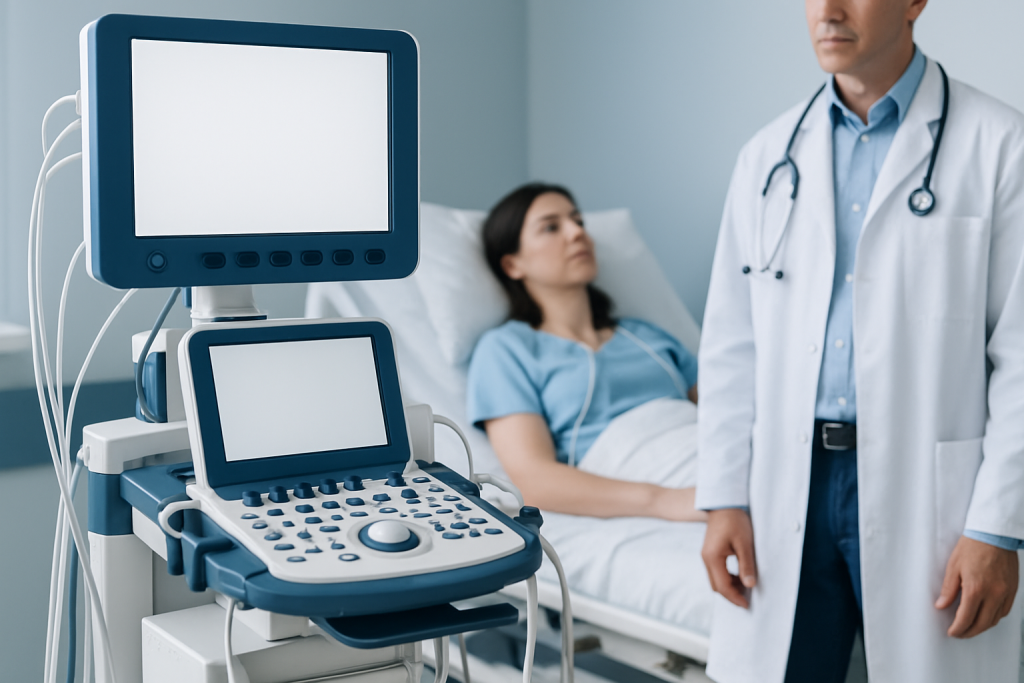
APD symptoms often become most noticeable when listening conditions are not ideal. The person may hear sounds but struggle to separate speech from background noise, follow multi-step directions, or keep up when several people speak at once.
Children may seem to ignore verbal instructions, ask for repetition often, or have trouble learning through spoken explanation alone. Adults may notice similar difficulties in meetings, phone calls, lectures, or social settings where background noise competes with speech.
- Frequent requests for repetition
- Difficulty understanding speech in noisy places
- Problems following long or complex directions
- Misunderstanding words that sound similar
- Listening fatigue after prolonged conversation
- Challenges with reading, spelling, or language learning in some cases
These signs do not confirm APD on their own, because several other conditions can look similar. A careful evaluation helps distinguish listening difficulties from hearing loss, language delay, attention concerns, or learning differences.
Causes & Risk Factors

APD does not usually come from a problem with the ear itself. Instead, it is related to how the central auditory system processes sound. In practical terms, the brain may receive sound information but not organize it efficiently enough for easy understanding.
The exact cause is not always clear. Some people may have APD after early ear infections, head injury, neurological conditions, or developmental differences, while others have no single obvious trigger. APD can also appear alongside language disorders, attention-deficit/hyperactivity disorder, dyslexia, or other learning differences.
Risk factors are not the same for everyone, but clinicians may look more closely when a person has a history of:
- Frequent middle ear infections in early childhood
- Neurological injury or illness affecting the brain
- Developmental or learning concerns
- Difficulty hearing in noise despite normal basic hearing tests
Because APD may overlap with other conditions, the cause-and-effect story is often more complex than a single diagnosis. That is one reason specialist assessment is so important.
Diagnosis
Diagnosis begins with listening carefully to the person’s symptoms and history. A hearing specialist or multidisciplinary team usually starts by checking for hearing loss, because ordinary hearing problems can look very similar to APD.
If basic hearing is not the main issue, more detailed tests may be used to explore how the brain processes speech and sound patterns. These assessments can include listening tasks in quiet and noisy settings, sound discrimination exercises, and tests that evaluate how well the person follows verbal information.
For some patients, especially children, the process also includes speech-language evaluation, educational review, and attention screening. This broader view helps identify whether APD is present alone or alongside another condition that should be addressed at the same time.
A good diagnosis is not only about labeling the problem. It is about understanding how the person listens in real life, so recommendations fit school, work, travel, and home communication needs.
Treatment Options
There is no single treatment that suits every person with APD. Care is usually built around the specific listening challenges identified during evaluation, with the goal of making communication easier and less tiring.
Support may include auditory training, speech-language therapy, and strategies that improve how information is delivered. In children, schools may offer accommodations such as seating closer to the teacher, written instructions, or reduced background noise. Adults may benefit from similar adjustments in offices, classrooms, or virtual meetings.
Some patients also use assistive listening devices or hearing technology recommended by a specialist. These tools do not “cure” APD, but they can improve the clarity of speech in certain environments and reduce the effort needed to follow conversation.
When APD occurs together with another condition, treatment plans usually address each part of the problem. For example, someone with language or attention concerns may need coordinated care rather than a single therapy approach.
Prevention & Self-care
APD itself cannot always be prevented, especially when it is linked to development or neurological factors. Even so, a person can reduce everyday strain by changing how information is shared and by asking for communication conditions that are easier to manage.
Simple habits can make a meaningful difference. Speaking face-to-face, reducing background noise, pausing between instructions, and checking that a message was understood can all help. For children, these adjustments often work best when teachers, parents, and therapists use the same approach consistently.
- Choose quieter places for important conversations when possible
- Ask speakers to repeat or rephrase rather than simply talk louder
- Use written notes, reminders, or visual cues
- Break long instructions into smaller steps
- Allow extra time for processing and responses
Fatigue can make listening harder, so pacing the day and building in breaks may also help. For international patients who are navigating care away from home, having written summaries and clear follow-up instructions can be especially valuable.
When to See a Doctor
Medical evaluation is a good idea when listening problems persist, interfere with school or work, or cause regular misunderstandings. This is especially true if hearing seems “normal” but understanding speech remains difficult in real-life settings.
Parents may want an assessment if a child often misses verbal instructions, struggles in noisy classrooms, or appears to learn better from visual than spoken information. Adults should seek evaluation if they notice new or longstanding difficulty following conversation, particularly if it affects safety, job performance, or confidence in social situations.
Prompt assessment is also important if symptoms appear after a head injury, neurological illness, or a noticeable change in hearing. A clinician can help determine whether APD is present and whether another cause needs attention.
Acibadem Health Point’s multidisciplinary specialists and JCI-accredited hospitals can help diagnose and treat APD for international patients as part of coordinated, patient-centered care. The aim is to build a practical plan that supports communication long after the initial appointment.
Living Well with APD
Many people with APD do best when the diagnosis is paired with everyday tools they can actually use. Clear routines, written backup information, and realistic expectations can reduce frustration and make conversations more successful.
Progress is often gradual rather than dramatic. A person may still prefer quieter settings, need repetition sometimes, or rely on notes more than others do. That does not mean care has failed; it usually means the communication plan is being used in a way that matches the person’s needs.
When follow-up is available, it can be helpful to review what is working at school, at work, and during travel or remote consultations. Small adjustments over time often matter more than a single one-size-fits-all solution.
Frequently asked questions
Is APD the same as hearing loss?
No. With APD, the ears may pick up sound normally, but the brain has trouble processing what was heard. A hearing test is still important because hearing loss can cause similar symptoms and may occur at the same time.
Can children outgrow APD?
Some children improve as their communication, language, and coping skills develop, especially when they receive appropriate support. Others continue to have some listening difficulty and benefit from long-term strategies and accommodations.
How is APD different from attention problems?
The two can look alike because both may lead to missed instructions or seeming not to listen. APD is specifically related to processing sound, while attention concerns affect focus more broadly; a specialist assessment helps sort this out.
What kind of doctor diagnoses APD?
An audiologist often plays a central role, sometimes with input from speech-language pathologists, ENT specialists, neurologists, or educators. The exact team depends on the patient’s age, symptoms, and any other conditions that may be involved.
Can APD be treated with medicine?
There is no medicine that directly treats APD itself. Care usually focuses on communication strategies, therapy, environmental changes, and sometimes assistive devices, depending on the person’s needs.
Should an adult seek help if APD symptoms have always been present?
Yes, if the symptoms affect work, relationships, or daily life. An evaluation can still be useful later in life because it may lead to practical supports that make communication easier.
References
- National Institute on Deafness and Other Communication Disorders
- American Speech-Language-Hearing Association
- World Health Organization
- Mayo Clinic
This article is for general information only and is not a substitute for professional medical advice. Please consult a qualified doctor about your individual situation.