

What a Safe Follow-Up Plan Looks Like After You Leave Turkey

Learn what a safe follow-up plan includes after treatment in Turkey: records, meds, warning signs, timing, and remote check-ins.
Leaving Turkey after treatment is only one part of the journey; the next step is making sure your recovery continues smoothly at home. A safe follow-up plan gives you clear instructions, records, and support so you know what to do, who to contact, and when to seek help.
At a glance
- Best for: International patients preparing to continue care after discharge
- Typical plan includes: Medication instructions, wound care, red-flag symptoms, and scheduled check-ins
- Who helps coordinate: International patient services, your treating team, and your local doctor
- Where support continues: By phone, email, or telehealth depending on your case
- What you should leave with: Discharge summary, medication list, test results, and next-step timeline
The safest discharge plans are built before you pack
A good follow-up plan does not begin at the airport. It starts while you are still in the hospital, when your team can explain what happens after discharge and confirm that you understand each step in plain language.
At Acibadem Health Point, that handover is usually coordinated with the international patient services team so your instructions are not lost in translation or scattered across paper notes. You should leave with a clear summary of what was done, what medicines you need, what you should avoid, and which changes mean you should contact a clinician right away.
For many international patients, the biggest risk is not the treatment itself but the gap between discharge and the first follow-up at home. A safe plan closes that gap by making the next few days, weeks, and months feel organized rather than uncertain.
What your follow-up paperwork should actually contain
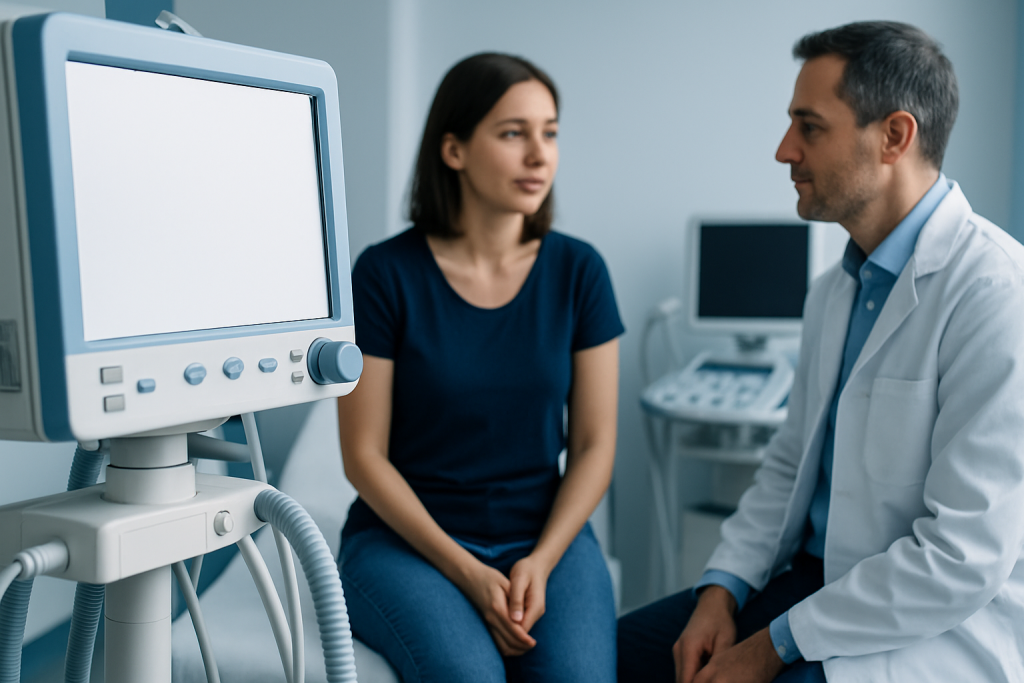
Your discharge packet should be practical, not just formal. It should tell you what to take, how to take it, when to stop, and what side effects deserve a call. It should also include the name or type of procedure, key test results, and any relevant imaging or pathology summaries.
If you are traveling home soon after treatment, ask for copies in a format your local doctor can use easily. A useful packet often includes a discharge summary, medication list, wound or activity instructions, and contact details for the hospital or care coordinator.
When possible, keep both a digital and printed copy. If you need care in another country, having your records ready can save time and help the next clinician understand your history without guessing.
Your medication plan should be simple enough to follow under travel stress

Travel days can blur together, and that is exactly when medication instructions need to be crystal clear. Your plan should explain not only what each medicine is for, but also the exact schedule, whether it should be taken with food, and what to do if you miss a dose.
Ask whether any of your usual medicines should be paused, changed, or restarted after discharge. This matters if you take blood thinners, diabetes medication, pain relief, antibiotics, or anything that may interact with your treatment or recovery.
If you are flying home, ask how to store your medicines during the trip and whether any prescription documents should stay in your hand luggage. Acibadem Health Point’s team can help you organize this before you leave so you are not trying to interpret instructions in transit.
The first signs of trouble should be written down before you leave
One of the most reassuring parts of a follow-up plan is knowing what is normal and what is not. You should receive a short list of warning signs that deserve medical attention, such as unusual bleeding, fever, increasing pain, shortness of breath, wound changes, or sudden swelling.
This list should be specific to your treatment, because the signs that matter after one procedure may be different after another. If you are unsure whether a symptom is urgent, your plan should tell you who to contact first and how quickly to do it.
Do not rely on memory for this part. Keep the warning signs on your phone, in your travel documents, and in a place where the person traveling with you can also see them.
Follow-up is easier when your local doctor is looped in early
Good aftercare works best when your care in Turkey and your care at home are connected. Before you fly, ask for a note that your local physician, specialist, or clinic can review without extra explanation.
This is especially useful if you will need stitches removed, laboratory checks, repeat imaging, rehabilitation, or medication adjustments after you return. A handover message that clearly states what was done and what needs follow-up helps prevent delays and repeated tests.
Acibadem Health Point can support this transition by preparing your records and helping you understand what type of follow-up should happen locally versus what can be reviewed remotely by your Turkish team.
Remote check-ins can be part of a safe plan, not a substitute for local care
For many international patients, the first follow-up after leaving Turkey happens through a call, email, or video appointment. That can be very helpful for reviewing symptoms, sharing photos if appropriate, confirming medication questions, or deciding whether you need in-person review.
Remote follow-up works best when it is scheduled and documented. You should know who will contact you, how to reach them, what information they will ask for, and what to do if your internet connection fails or your message is not answered right away.
That said, virtual follow-up does not replace emergency care, wound care, or tests that can only be done in person. A safe plan is honest about what can be handled from afar and what must be managed locally.
Recovery is smoother when you plan for the trip itself
Travel after treatment can be tiring, even when everything is going well. Your discharge plan should account for the journey home: how long you can sit comfortably, whether you need mobility assistance, and whether you should avoid lifting luggage or going through a rushed connection.
Ask whether you need a companion, an aisle seat, extra legroom, or a medical travel note for airport staff. If you are staying in a hotel before your flight, make sure you understand whether you are expected to attend a final review before departure.
Acibadem Health Point’s international patient services can help coordinate practical details like accommodation timing, interpreter support, and transfer planning so you can focus on recovery rather than logistics.
Step by step
- Confirm your discharge summary before leaving. Make sure you have a written summary of your treatment, diagnoses, tests, and any procedures performed. Check that it matches what your team told you verbally, and ask for clarification on anything that is abbreviated or unfamiliar.
- Review every medicine and supplement you will take. Go through each item one by one so you know the name, dose, timing, and duration. Ask whether you should restart home medications now or wait until a specific date.
- Write down your red-flag symptoms and contact route. Keep the urgent warning signs in plain language and store the correct contact details with them. Include the hospital number, your care coordinator, and your local emergency number.
- Arrange your first follow-up before you board. Know whether your next review will be remote, local, or both. If tests are needed, decide who will order them and where they should be done.
- Share your records with the clinician who will see you at home. Send your discharge documents while the details are still fresh. If language may be a barrier, ask for an English summary or translated note that your local team can use.
- Plan for rest after the journey. Give yourself time to settle in once you arrive home, especially after long-haul travel. Your follow-up plan should include when to resume work, exercise, lifting, driving, or normal routines.
Your checklist
- Discharge summary and procedure notes
- Medication list with doses and timing
- Copies of test results and imaging if relevant
- Written wound care or activity instructions
- Emergency contact details for your care team
- First follow-up appointment date or review window
- List of symptoms that require urgent attention
- Travel documents stored with your medical records
- Plan for local doctor handover
- Interpreter or translation support if needed
Key takeaways
- Your follow-up plan should start before discharge, not after you arrive home.
- You need clear medication instructions, warning signs, and contact details.
- Local care and remote check-ins should work together, not compete.
- Keep your discharge summary and test results easy to access during travel.
- Acibadem Health Point can help coordinate records, interpreters, and next steps after you leave Turkey.
01What should I receive before I leave the hospital in Turkey?
You should receive a discharge summary, medication instructions, and clear guidance on activity, wound care, and follow-up timing. If you are traveling internationally, ask for copies that your local doctor can review easily. It is also sensible to confirm the best contact method if you have questions after you leave.
02How soon should my first follow-up happen after I get home?
That depends on the type of treatment and how your recovery is going. Some patients need a review within days, while others are seen after a few weeks or through a remote check-in first. Your team should tell you the exact timing before discharge so you are not left guessing.
03Can Acibadem Health Point help after I return to my country?
Yes, support can continue after you leave, often through remote communication and record sharing. The international patient team can help you understand what follow-up is needed and what information your local doctor should receive. The aim is to make the handover feel organized rather than abrupt.
04What if my local doctor asks for more details than I have?
Contact the hospital or patient services team and ask for the missing records or a clearer summary. It is common for local clinicians to want test results, medication details, or a brief explanation of the treatment plan. Keeping your paperwork organized makes this easier to resolve quickly.
05Do I still need local care if I had treatment in Turkey?
Often yes, especially if you need wound checks, blood tests, imaging, rehabilitation, or medication monitoring. A treatment abroad and local follow-up can work together well when both teams know what has been done. Your discharge plan should explain exactly which tasks belong to your local doctor.
06What should I do if I notice a worrying symptom after I fly home?
Follow the red-flag instructions you were given and seek medical attention without delay if the symptom is urgent. Use the contact details provided by your treating team, but do not wait for a reply if your symptoms suggest an emergency. When in doubt, err on the side of getting evaluated promptly.
Add us as a Preferred Source to see more of our trusted health content across Google Search, AI Overviews and Discover.
More Patient Guides

How to Plan Your Treatment Trip to Turkey
Plan a medical trip to Turkey with confidence: documents, timing, travel, accommodation, recovery, and support from Acibadem Health Point.
8 min read
Deposit and Prepayment Guide for Treatment in Turkey
Learn how deposits and prepayments work for treatment in Turkey, what they cover, when to pay, and how to prepare safely and…
8 min read
Your Discharge Checklist After Treatment in Turkey
Use this discharge checklist to leave Turkey safely, with the right documents, medicines, follow-up plan, and travel advice.
8 min read