

How to Plan Your Treatment Trip to Turkey

Plan a medical trip to Turkey with confidence: documents, timing, travel, accommodation, recovery, and support from Acibadem Health Point.
Planning treatment abroad is easier when you break it into clear steps: confirm your medical needs, organise your travel, and line up your stay and recovery before you fly. This guide walks you through the practical parts of a treatment trip to Turkey so you can prepare with less stress and more certainty.
At a glance
- Best for: International patients organising care, travel, and recovery in Turkey
- What you need first: Medical records, passport details, and a clear treatment plan
- Typical support available: Interpretation, airport transfers, hotel coordination, and appointment scheduling
- Where to start: With a medical review and a realistic travel timeline
- Useful mindset: Plan for rest, not just appointments
- How Acibadem Health Point helps: By coordinating the patient journey across JCI-accredited hospitals and international services
Start with the medical question, not the flight search
Before you compare tickets or hotels, get clear on what you actually need medically. A treatment trip works best when the clinical plan comes first, because the right timing, length of stay, and follow-up needs all depend on your condition and the recommended care pathway.
If you are considering care in Turkey, Acibadem Health Point can help you organise the first review of your medical information and direct you to the appropriate specialist team. That early coordination matters because it reduces guesswork: you are not trying to build a trip around a vague idea, but around a realistic plan.
Gather the essentials in one place before you make decisions. Your recent test results, imaging, medication list, allergies, and a short summary of your symptoms or diagnosis are usually the most helpful starting points. If you have already received a treatment recommendation elsewhere, bring that too so your new care team can review it properly.
Build your timeline around care, rest, and follow-up
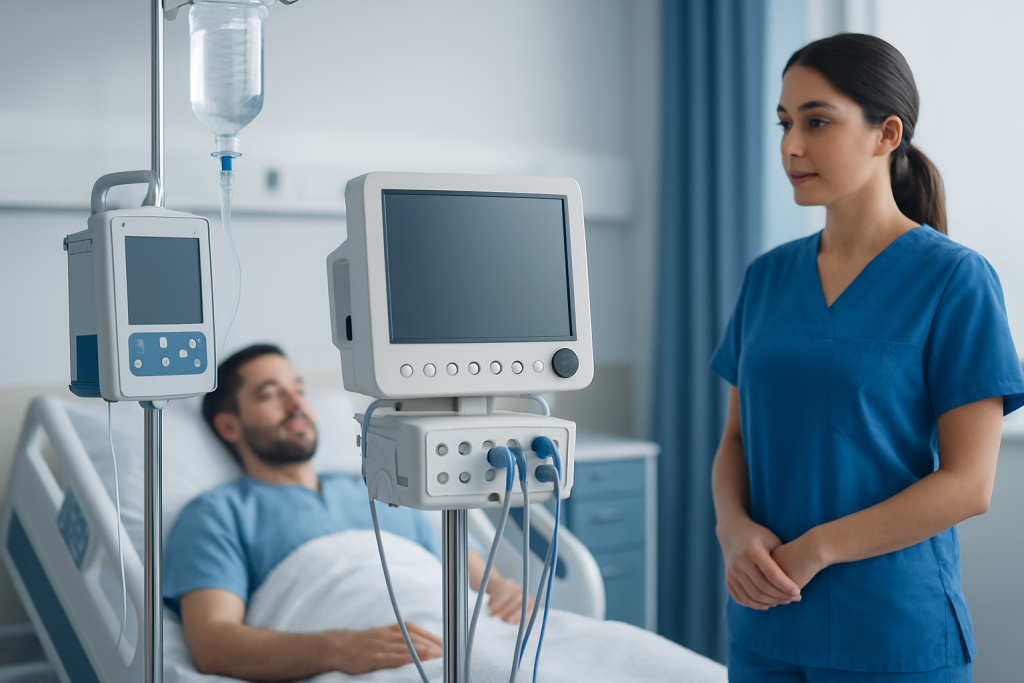
Many people underestimate how much time they need for a treatment journey. The appointment itself may only take a small part of the trip, but the practical time around it can include pre-assessment, recovery, mobility limits, and a follow-up discussion before you go home.
That is why you should think in stages: arrival, consultation or testing, treatment, short recovery, and any final review. If your care involves more than one appointment, you may need a longer stay or a flexible return date. Acibadem Health Point’s international patient services can help you map that sequence so your calendar matches the medical plan rather than the other way around.
It is also wise to leave room for ordinary travel delays. A treatment trip is less stressful when you avoid tight same-day connections, schedule arrivals with a buffer, and allow time to rest after long-haul travel. Small margins make a big difference once you add medical appointments to the mix.
Choose your documents carefully and keep them accessible

Good preparation often comes down to paperwork. Bring your passport, visa or entry documents if needed, insurance information if applicable, and any correspondence from your healthcare provider or international patient coordinator. Keep digital copies on your phone or email as a backup, but also travel with printed copies for check-ins and hospital registration.
Your medical documents should be easy to read and recent enough to be useful. If you have scans or lab reports, include the date they were taken and any notes that explain the context. If your records are in another language, ask in advance whether translated versions would be helpful for the review process.
At Acibadem Health Point, interpreters and international patient coordinators can help bridge language gaps during hospital visits. That support is especially useful if you are discussing symptoms, consent, or aftercare instructions and want to make sure nothing is lost in translation.
Plan travel and accommodation with recovery in mind
For a treatment trip, the most comfortable hotel is not always the closest one. You want accommodation that supports the kind of day you will actually have: easy access to the hospital, calm surroundings, elevator access if needed, and enough space to rest between appointments.
Think about your arrival time as well. If you land late at night after a long flight, you may want your first hospital activity to be the next day rather than the same evening. Many international patients find it helpful to arrive one day early so they can settle in, sleep properly, and start their care feeling more organised.
Transport matters too. If your treatment may affect your mobility or energy levels, pre-booked transfers are often more practical than figuring out taxis on the spot. Acibadem Health Point can assist with travel and accommodation support so you can focus on the appointment itself instead of the logistics around it.
Prepare for the practical side of being away from home
Once you are in another country for care, everyday routines become part of the plan. Pack comfortable clothing, essential medications in their original packaging, charging cables, a water bottle, and any items that help you rest, such as a neck pillow or earplugs. If you have dietary needs, make a note of those too.
You should also organise who will look after things at home while you are away. That might mean arranging pet care, pausing deliveries, updating your employer, or letting a family member know where your documents are stored. A smooth treatment trip is not just about your medical schedule; it is also about removing small sources of stress from your life before you leave.
Keep a short contact list with you. Include your international patient coordinator, hotel, airline, emergency contact, and someone back home who can help if plans change. When you are tired, having information written down saves time and energy.
Think ahead to recovery and the trip home
Recovery planning should begin before you travel, not after treatment. Ask what your first few days might look like, how much rest you will need, what symptoms are expected, and which signs mean you should seek help. You do not need every answer in advance, but you do need a clear sense of what is normal and what is not.
If you are flying home soon after treatment, confirm whether there are any limits on lifting, walking long distances, or sitting for extended periods. Some patients may need a longer stay, a companion, or a follow-up check before returning home. A good plan makes the journey home safer and more comfortable.
Acibadem Health Point’s multidisciplinary teams are used to working with patients who will continue their recovery abroad. That means discharge information, medication guidance, and follow-up instructions can be organised with your return in mind, so you are not left guessing once you leave Turkey.
Use support services so you do not have to manage everything alone
Planning a treatment trip can feel heavy when you try to hold every detail in your head. It is easier when you let the right people handle the parts they know best. That may include appointment scheduling, interpreter coordination, airport transfers, hotel suggestions, and help understanding what happens on each day of your stay.
Acibadem Health Point’s role is to keep the journey organised around your medical needs while making the process more manageable from abroad. Because the group includes JCI-accredited hospitals and coordinated international patient services, you can move through the steps with a clearer picture of where you are going and why.
The goal is not to make the trip feel complicated; it is to make it feel controlled. When you know who to contact, what to bring, and what happens next, you spend less energy on logistics and more on your actual care and recovery.
Step by step
- Send your records for an initial review. Share your medical documents, symptoms, and any previous recommendations so the team can assess what kind of care you may need. This is the point where Acibadem Health Point can help match your case with the right specialist pathway.
- Confirm the likely timeline before booking travel. Ask how many days you may need for consultations, tests, treatment, and recovery. Once you have a realistic range, you can choose flights and accommodation that fit the plan instead of squeezing the plan into fixed travel dates.
- Check entry requirements and travel documents. Make sure your passport is valid and review any visa or entry rules that apply to you. Keep both digital and paper copies of your documents so you are covered if something is misplaced during the trip.
- Arrange accommodation close enough for easy visits. Pick a place that is practical for rest and transport, not just attractive online. If mobility, fatigue, or post-treatment instructions are a factor, ask for options that support a quieter and more convenient stay.
- Prepare a simple recovery kit. Pack medications, comfortable clothing, basic toiletries, and a charger. Add any items that help you rest or move comfortably, because a treatment trip is easier when your essentials are close at hand.
- Confirm language and communication support. Ask how you will receive instructions, test results, and discharge advice. If you are not confident in the local language, interpreter support can make conversations clearer and reduce misunderstandings.
- Plan your return with follow-up in mind. Do not treat your flight home as the end of the process. Make sure you know what follow-up information you will receive, how to contact the team after you leave, and whether you need to avoid any activities during the first days back.
Your checklist
- Passport and any needed visa or entry documents
- Recent medical records, scans, lab results, and medication list
- Copies of insurance details or payment confirmations if relevant
- Comfortable clothing and any mobility aids you normally use
- Original packaging for prescription medicines
- A charger, power bank, and universal adapter if needed
- Hotel and transfer details saved offline on your phone
- Emergency contact numbers for home and Turkey
- A short list of allergies, conditions, and current medications
- Notebook or phone notes for questions during appointments
Key takeaways
- Start with a medical review before booking travel.
- Allow extra time for recovery, not only for appointments.
- Keep your records, passport, and contact details easy to reach.
- Choose accommodation and transfers with comfort and mobility in mind.
- Use interpreter and international patient support when available.
- Plan for your return home as part of the treatment journey.
01When should I start planning a treatment trip to Turkey?
Start as soon as you know you may need care abroad, ideally before you book flights. That gives you time to review records, understand the likely timeline, and avoid rushing the medical side of the trip. Early planning also makes it easier to choose suitable accommodation and support services.
02What medical documents should I bring with me?
Bring recent test results, imaging, specialist notes, a medication list, allergy information, and any previous treatment summaries. If possible, keep digital and printed copies. The more complete your records are, the easier it is for the care team to review your case efficiently.
03Do I need a companion for my treatment trip?
That depends on your condition, mobility, and how much support you expect to need. Some patients travel comfortably alone, while others prefer a companion for reassurance, transport, or practical help after treatment. If you are unsure, ask the team what is sensible for your situation.
04How do I choose accommodation for medical travel?
Look for a place that is convenient, restful, and easy to reach from the hospital. Consider lift access, quiet surroundings, flexible check-in, and transport options rather than only price or appearance. Comfort matters more than usual when your days include appointments and recovery time.
05What if I do not speak Turkish?
You can still manage the journey well if communication support is arranged in advance. Acibadem Health Point can provide interpreters and coordinated international patient services so you can understand instructions, ask questions, and feel more confident during visits. It is best to mention your language needs early.
06Can I fly home right after treatment?
Sometimes yes, but not always, and it depends on the type of care you receive and how you are feeling. Your team should tell you whether you need time to rest before flying, how to manage medications, and which activities to avoid. Never assume same-day travel is the safest option without checking.
07What makes Acibadem Health Point useful for international patients?
Acibadem Health Point helps organise the practical side of care across JCI-accredited hospitals, specialist teams, and international patient services. That can include appointments, interpretation, transfers, and accommodation support. For many patients, the value is in having one coordinated path rather than managing each detail separately.
Add us as a Preferred Source to see more of our trusted health content across Google Search, AI Overviews and Discover.
More Patient Guides

Bringing a Companion to Your Treatment Trip in Turkey
Learn how to plan travel, stay, and hospital visits with a companion in Turkey, plus what to prepare before you leave.
8 min read
What to Pack for a Medical Trip to Turkey
Pack with confidence for your medical trip to Turkey: documents, meds, comfort items, tech, and recovery essentials to keep close.
7 min read
What to Bring for a Hospital Stay in Turkey
Pack confidently for your hospital stay in Turkey with this practical checklist, travel tips, and what Acibadem Health Point can help arrange.
8 min read