Zygote or Embryo: How Early Development Is Defined

A zygote is the first single cell formed when an egg and sperm join. It becomes an embryo as it divides and develops, with the embryonic period generally lasting until the end of the eighth week after fertilisation.
Zygote or embryo: the short answer
A zygote is the earliest stage of development after fertilisation: it is one cell created when a sperm fertilises an egg. An embryo is the stage that follows, beginning as that cell divides into many cells and continuing through the end of the eighth week after fertilisation.
In everyday conversation, people may use “embryo” broadly to refer to very early development. In medical terminology, however, a zygote and an embryo are distinct stages. Understanding the difference can be useful when reading fertility reports, discussing pregnancy dating or learning about early human development.
The sequence is generally egg and sperm, zygote, embryo, then fetus. Pregnancy is often dated from the first day of the last menstrual period, which is usually about two weeks before fertilisation; this is why gestational age can be approximately two weeks greater than the age counted from fertilisation.
What does zygote mean in medical terminology?
The zygote medical meaning is a fertilised egg cell. It forms when genetic material from the egg and sperm combines, usually in a fallopian tube. The zygote contains a full set of genetic instructions that can guide development.
A typical human zygote has 46 chromosomes, with 23 usually contributed by the egg and 23 by the sperm. Chromosomes contain DNA, the material that carries many inherited characteristics. Biological development is complex, and chromosomes are only one part of the factors involved in growth and health.
After fertilisation, the zygote begins a series of cell divisions known as cleavage. It travels toward the uterus while dividing. At this point, it remains microscopic and cannot be seen without laboratory equipment.
The zygote medical term is most commonly used in embryology and reproductive medicine. In assisted reproduction, laboratory teams may describe development by the number of cells, the day after fertilisation and other observable features rather than using only one general label.
Is a zygote considered an embryo?
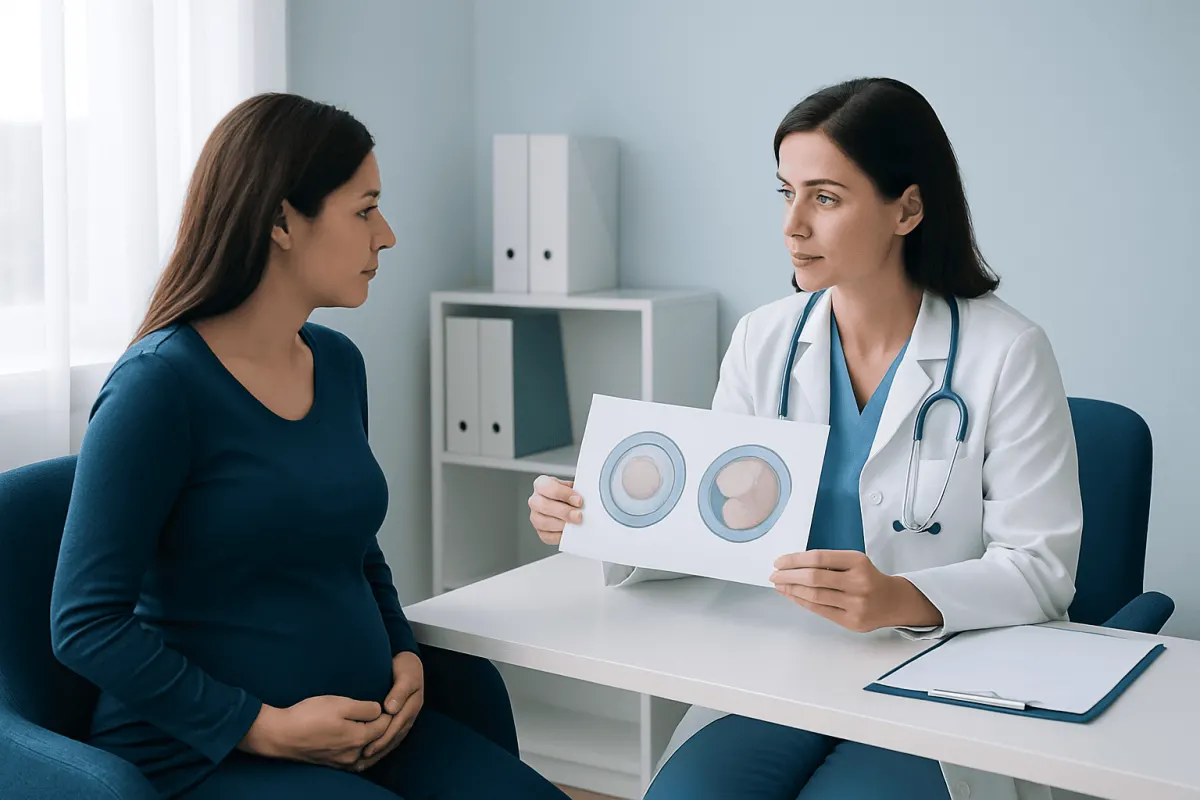
In precise medical and developmental language, a zygote is not yet an embryo. The zygote is the single-cell stage immediately after fertilisation. It becomes an embryo after it starts dividing and progresses through early developmental stages.
There can be small differences in how sources describe the exact transition in very early development, particularly when discussing laboratory stages such as the morula and blastocyst. However, the key distinction remains consistent: a zygote is one fertilised cell, whereas an embryo is multicellular and undergoing organised development.
By around five to six days after fertilisation, the developing structure may reach the blastocyst stage. It then normally implants in the lining of the uterus, although the timing can vary. Implantation is an important step in establishing pregnancy.
In fertility treatment, clinicians may use specific laboratory terms to explain how an embryo is developing before transfer or freezing. For people considering fertility assessment or treatment, in vitro fertilisation (IVF) treatment can involve detailed discussion of these stages with an embryology and fertility care team.
What is the difference between a zygote and an embryo?
The main difference between a zygote and an embryo is the developmental stage. A zygote is a single cell immediately after fertilisation. An embryo is a developing multicellular organism that has undergone cell division and is beginning to form the foundations of major body structures.
During the embryonic period, cells become specialised and form early tissues and organs. This is a period of rapid change. By the end of eight weeks after fertilisation, the major body systems have begun forming, although they continue to grow and mature substantially afterward.
After the embryonic period, the medical term changes to fetus. The fetal period begins at the start of the ninth week after fertilisation and continues until birth. This later stage is especially associated with growth, development and maturation of structures established earlier.
- Zygote: one cell formed at fertilisation.
- Embryo: early multicellular developmental stage through eight weeks after fertilisation.
- Fetus: the stage from the ninth week after fertilisation until birth.
If someone is asking whether the zygote or embryo comes first, the answer is the zygote. The embryo develops from the zygote as cell division and differentiation occur.
What does embryo mean in medical terms?
In medical terms, an embryo is the developing organism from the time after the zygote begins dividing until the end of the eighth week after fertilisation. This definition is commonly used in embryology, obstetrics and reproductive medicine.
The embryo passes through several early stages. These include cleavage, when cells divide; the morula stage, when it becomes a compact group of cells; and the blastocyst stage, when it has a fluid-filled cavity and specialised groups of cells. The blastocyst normally implants in the uterus, where development continues.
Early development does not always follow the same timetable for every pregnancy. Medical teams therefore use ultrasound findings, menstrual history, laboratory dates and clinical assessment together when estimating pregnancy age. A pregnancy ultrasound may help assess location, development and dating when clinically appropriate.
Terms used in fertility care can sometimes feel technical or emotionally significant. A clinician can explain the language used in an individual report and how it relates to a person’s particular treatment or pregnancy situation.
Is an embryo technically a human?
Biologically, a human embryo is an early developmental stage of the human species. It develops from human egg and sperm cells and has human genetic material. In medical science, “embryo” is a developmental term rather than a statement about legal status, personhood or moral beliefs.
Questions about whether an embryo is “technically a human” may involve biology, ethics, religion, law and personal values. These areas use different definitions and may reach different conclusions depending on the context. Medical professionals can explain developmental facts, while ethical and legal questions may require consideration of local laws, cultural perspectives and individual beliefs.
In clinical settings, respectful communication is important. Fertility specialists and pregnancy care teams can discuss the terms used in care, available options and the practical implications of decisions without assuming that every person holds the same values.
Why these terms matter in fertility and pregnancy care
Clear terminology can help people understand laboratory updates during assisted reproduction, pregnancy scans and conversations about reproductive health. For example, embryos created through IVF may be observed in a laboratory for several days before an embryo transfer or cryopreservation is considered.
In natural conception, fertilisation and the earliest cell divisions usually occur before a person knows they are pregnant. After implantation, pregnancy hormones begin to rise. Home pregnancy tests detect human chorionic gonadotropin, also called hCG, after it reaches a detectable level.
Pregnancy dating can be confusing because clinicians generally use gestational age, counted from the first day of the last menstrual period. Embryonic age, counted from fertilisation, is usually about two weeks less in someone with a typical menstrual cycle. Irregular cycles and uncertain dates can make ultrasound assessment particularly useful.
Some people seek specialist care because pregnancy has not occurred as expected or because of previous pregnancy loss. Infertility has many possible causes affecting either partner or both, and an evaluation can help identify appropriate next steps.
When to seek medical care
Routine early pregnancy care is recommended after a positive pregnancy test. A healthcare professional can discuss prenatal vitamins, medicines, health conditions, lifestyle factors and the appropriate timing of an ultrasound or other tests. People who are trying to conceive may also benefit from preconception advice.
Urgent medical assessment is important for severe or worsening lower abdominal pain, heavy vaginal bleeding, fainting, dizziness, shoulder pain or feeling very unwell during a possible or confirmed pregnancy. These symptoms can have different causes, including conditions that need prompt treatment, such as ectopic pregnancy.
Medical advice is also appropriate after repeated pregnancy loss, difficulty becoming pregnant, or concerns about an IVF cycle or early pregnancy test results. Acıbadem Health Point’s multidisciplinary specialists and JCI-accredited hospitals provide fertility and pregnancy-related assessment and treatment for international patients.
Information about zygotes and embryos can support understanding, but it cannot replace individual medical advice. A qualified obstetrician-gynaecologist, midwife or fertility specialist can provide guidance based on a person’s symptoms, medical history and goals.
Frequently asked questions
01Zygote or embryo: which comes first?
The zygote comes first. It is the single cell formed when an egg and sperm join at fertilisation. The embryo stage follows as the zygote divides into more cells and develops.
02How long is an embryo called a zygote?
A zygote refers to the one-cell stage immediately after fertilisation. Once cell division begins, medical descriptions generally move to subsequent early developmental stages and then to embryo. The exact language may vary slightly by clinical or laboratory context.
03When does an embryo become a fetus?
The embryo is called a fetus from the beginning of the ninth week after fertilisation. In standard pregnancy dating based on the last menstrual period, this is approximately the eleventh week of pregnancy. Healthcare professionals may use ultrasound and menstrual history to estimate timing.
04Does implantation happen during the zygote stage?
No. Implantation normally occurs after several days of cell division, when the developing structure has reached the blastocyst stage. The blastocyst attaches to and embeds in the uterine lining.
05Can a pregnancy test detect a zygote or embryo?
A pregnancy test does not directly detect a zygote or embryo. It detects hCG, a hormone that rises after implantation. Testing too early can produce a negative result even if fertilisation has occurred.
06Why do IVF reports use terms such as zygote, blastocyst and embryo?
IVF laboratories use these terms to describe observable stages of development after fertilisation. They help the care team monitor timing and discuss possible next steps. A fertility specialist can explain what the terms mean in an individual treatment cycle.
This article is for general information only and is not a substitute for professional medical advice. Please consult a qualified doctor about your individual situation.
IVF & fertility treatment in Turkey — success rates and costs
JCI-accredited · board-certified surgeons · reply within 24h
Add us as a Preferred Source to see more of our trusted health content across Google Search, AI Overviews and Discover.