What Is an Embryo? Stages of Early Development
An embryo is the developing organism in the earliest stage of pregnancy, beginning after fertilization and continuing through the end of the eighth week after fertilization. During this brief period, cells divide rapidly and the foundations of major organs and body systems form.
What is an embryo?
An embryo is the developing organism during the earliest stage of human development. In medical terms, it begins when a sperm fertilizes an egg and continues until the end of the eighth week after fertilization. In pregnancy dating, clinicians often count from the first day of the last menstrual period, which is usually about two weeks before fertilization.
This stage involves rapid, highly organized change. A single fertilized cell divides repeatedly, travels to the uterus, implants in the uterine lining, and develops the early structures that will support the brain, spinal cord, heart, limbs, and other organs. The embryo is surrounded and supported by pregnancy tissues that later contribute to the placenta and membranes.
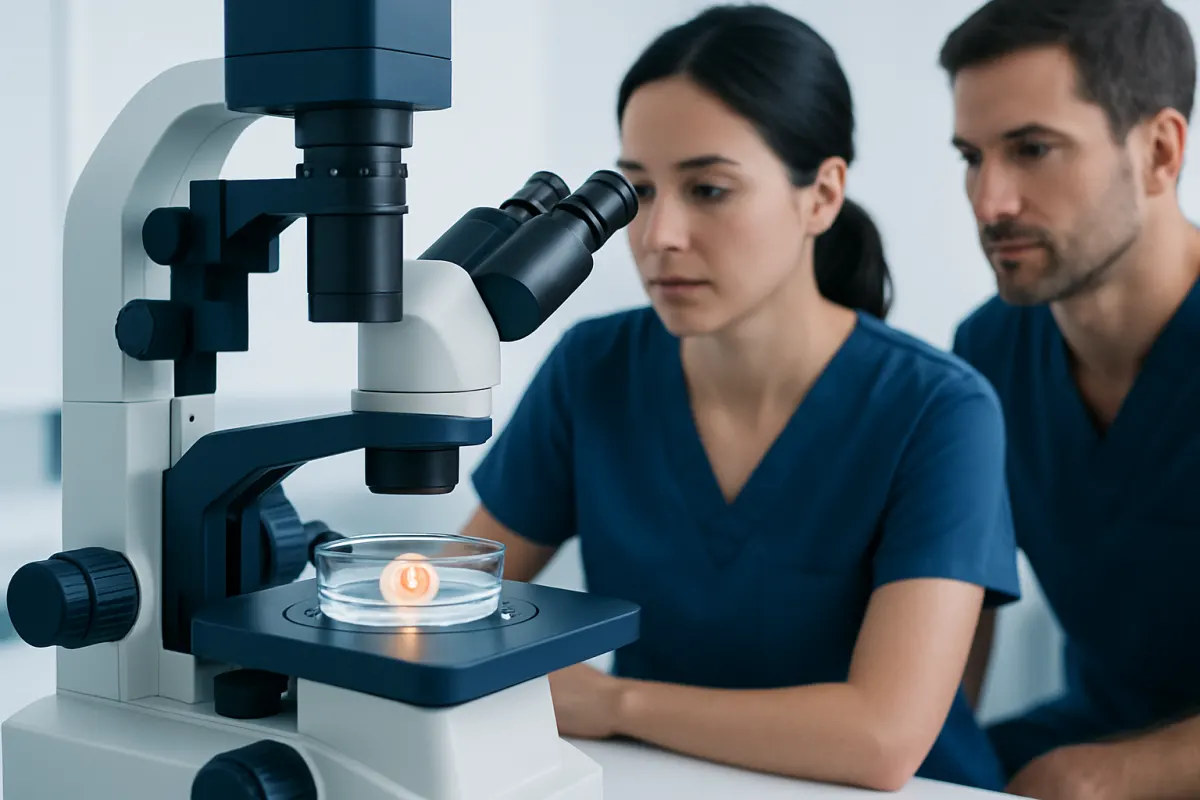
The word embryo is also used in reproductive medicine for a fertilized egg developing in a laboratory before it is transferred to the uterus during in vitro fertilization (IVF). The precise terms used can vary by clinical, scientific, legal, and ethical context, but the medical developmental stages remain important for understanding early pregnancy.
What is embryo in short answer?
An embryo is an organism in its earliest developmental stage after fertilization. In humans, this term is usually used from fertilization until the end of the eighth week after fertilization; after that, it is called a fetus.
This simple definition does not capture how much occurs in a short time. During the embryonic period, specialized cells form tissues and early organs, while structures such as the placenta and umbilical cord begin developing to support the pregnancy.
In everyday conversation, people may use “embryo” and “baby” broadly when discussing pregnancy. In healthcare, however, embryo and fetus are developmental terms that help clinicians describe timing, expected growth, ultrasound findings, and potential health considerations accurately.
What is considered an embryo?
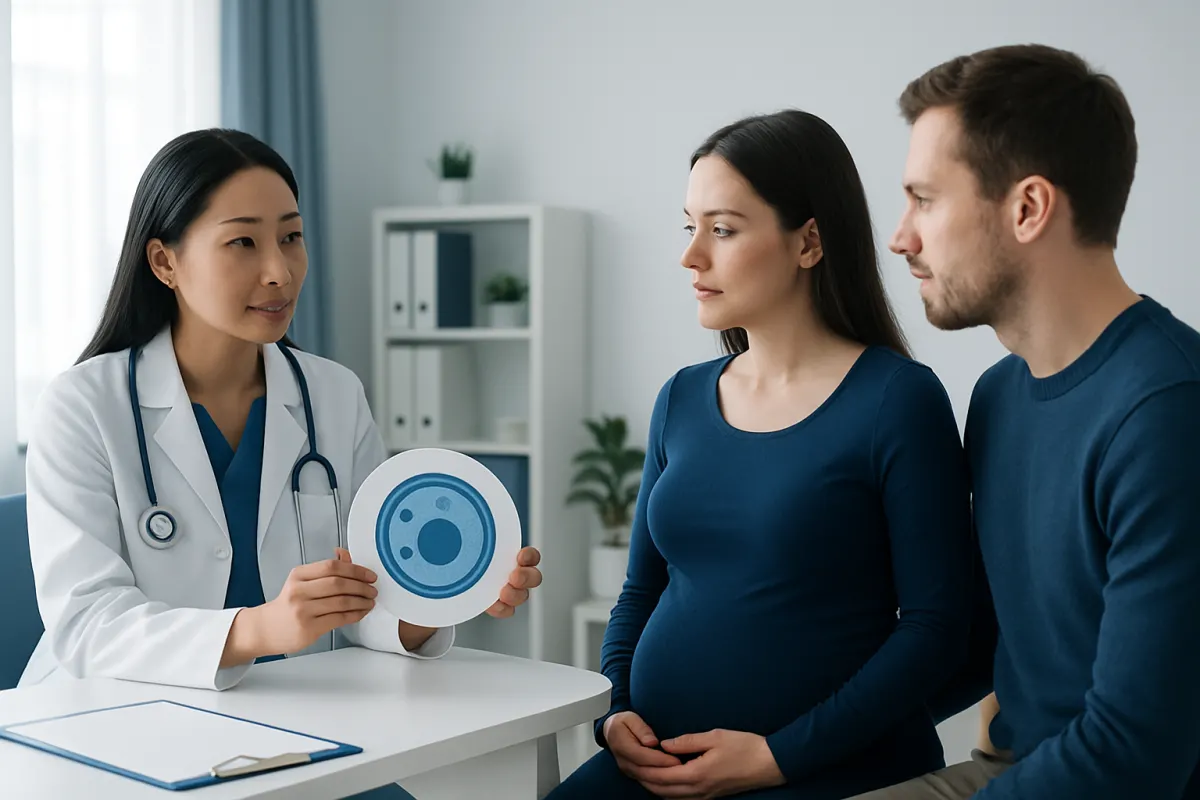
What is considered an embryo depends mainly on developmental timing. Following fertilization, the first cell is called a zygote. As it divides, it passes through early stages that include the morula and blastocyst. Once the blastocyst implants in the uterus, pregnancy-related development continues, and the term embryo is used for the developing organism through eight weeks after fertilization.
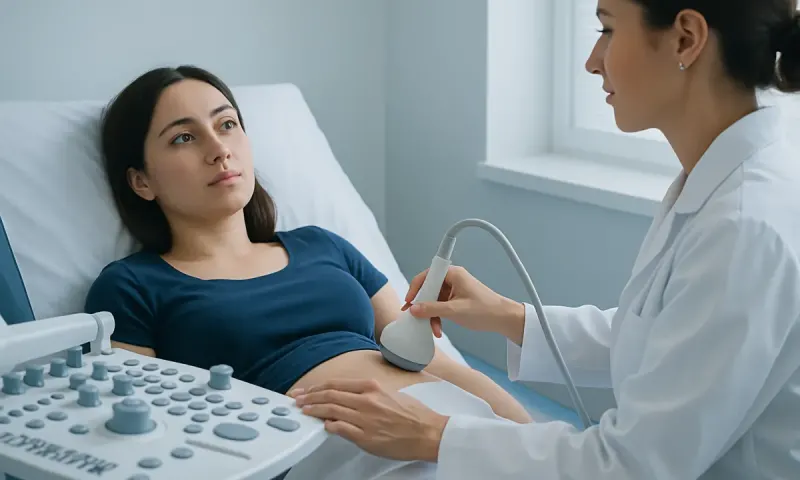
At the earliest stages, the developing embryo is extremely small and cannot be seen without specialized imaging or laboratory equipment. In early pregnancy, an ultrasound may first identify a gestational sac, then a yolk sac and embryonic pole, depending on the timing of the scan and the accuracy of pregnancy dates. A heartbeat may be detectable later in early development, but the expected timing varies.
What an embryo is composed of changes continuously. It starts from cells containing genetic material from the egg and sperm. These cells multiply and become specialized, forming three primary cell layers that give rise to different tissues and organs. Supporting structures develop alongside the embryo and are essential for nourishment, protection, and exchange with the pregnant person.
- Ectoderm contributes to the nervous system, skin, and related structures.
- Mesoderm contributes to muscle, bone, blood, kidneys, and the heart and blood vessels.
- Endoderm contributes to parts of the digestive and respiratory systems and other internal organs.
Early embryonic development: from fertilization to organs
Fertilization usually occurs in a fallopian tube when a sperm joins an egg. The resulting zygote begins dividing while moving toward the uterus. Around several days later, it may reach the blastocyst stage and attach to the uterine lining, a process called implantation. Not every fertilized egg implants, and early loss can occur before a person realizes they are pregnant.
After implantation, the embryo and supporting tissues continue to develop. In the first weeks, the neural tube, which later forms the brain and spinal cord, begins to close. The early heart structure develops and begins coordinated activity. Limb buds, facial features, and the beginnings of organs appear over the following weeks.
Because many major structures are forming during this period, early pregnancy health is important. Prenatal care can help review existing health conditions, medicines, supplements, vaccinations, and lifestyle factors. Folic acid before conception and in early pregnancy is commonly recommended because it supports normal neural tube development; an individual clinician can advise on the appropriate approach for each person.
For people using assisted reproduction, embryologists monitor embryos in a laboratory as part of in vitro fertilization treatment. Decisions about embryo culture, transfer, freezing, and any testing should be discussed with a fertility specialist, taking account of medical needs, local regulations, and personal preferences.
What is the difference between a fetus and an embryo?
The difference between a fetus and an embryo is primarily the stage of development. An embryo is the developing organism from fertilization until the end of the eighth week after fertilization. A fetus is the term used from the ninth week after fertilization until birth.
The embryonic period is characterized by the initial formation of major body structures and organ systems. During the fetal period, those structures grow, mature, and become more functional. For example, body size increases substantially, organs continue developing, and the brain, lungs, and other systems undergo important maturation.
Pregnancy weeks may be described differently in clinical settings because gestational age is typically calculated from the first day of the last menstrual period, rather than the date of fertilization. Therefore, a clinician may refer to a pregnancy as being approximately 10 weeks’ gestation when embryonic age is closer to eight weeks. Ultrasound measurements and menstrual history help estimate gestational age.
Is an embryo technically a human?
Biologically, a human embryo is a developing organism of the human species, with genetic material originating from a human egg and sperm. It is a developmental stage in the human life cycle, distinct from later stages such as fetus, newborn, child, and adult.
Questions about whether an embryo is “technically a human” can also involve personal, ethical, religious, philosophical, or legal beliefs. These perspectives may differ across individuals, communities, and jurisdictions. Healthcare professionals can explain the biology and medical terminology, while recognizing that people may hold different values regarding reproduction and embryo-related decisions.
In clinical care, respectful, nonjudgmental communication is especially important. People considering fertility treatment, pregnancy options, embryo storage, or genetic testing may benefit from discussions with a fertility specialist, obstetric clinician, genetic counselor, or mental health professional experienced in reproductive care.
Protecting health during the embryonic period
The earliest weeks of pregnancy can occur before a person knows they are pregnant. For those who could become pregnant, planning ahead can be helpful: taking folic acid as advised, managing chronic conditions, reviewing medicines with a clinician, and keeping recommended vaccinations up to date are practical steps.
Alcohol, tobacco, vaping products containing nicotine, recreational drugs, and some medicines or environmental exposures can affect pregnancy development. A person should not stop prescribed medication abruptly without medical advice, because untreated medical conditions can also pose risks. Instead, they should contact a doctor, pharmacist, or obstetric professional promptly for individualized guidance.
Balanced nutrition, adequate sleep, regular gentle activity when appropriate, and early prenatal appointments support general pregnancy health. Anyone with a prior pregnancy complication, known genetic condition, diabetes, epilepsy, thyroid disease, or another ongoing health concern may benefit from preconception or early-pregnancy counseling.
Acıbadem Health Point’s multidisciplinary specialists and JCI-accredited hospitals provide assessment and reproductive care for international patients, including fertility evaluation and early pregnancy support when medically appropriate.
When to seek medical care
Anyone who thinks they may be pregnant should consider contacting a healthcare professional to confirm the pregnancy, estimate gestational age, and discuss prenatal care. Early advice is particularly important when there are current medical conditions, regular medicines, a history of pregnancy loss, fertility concerns, or possible exposure to alcohol, drugs, infection, radiation, or harmful chemicals.
Urgent medical assessment is needed for heavy vaginal bleeding, severe or worsening abdominal or pelvic pain, fainting, shoulder pain, fever, severe dizziness, or feeling very unwell in early pregnancy. These symptoms can have different causes, including conditions that require prompt treatment, such as ectopic pregnancy.
Light spotting and mild cramping can occur in early pregnancy and do not always mean there is a problem, but they should still be discussed with a clinician. People experiencing emotional distress after a pregnancy concern or loss should also seek support; compassionate medical and psychological care can help.
Frequently asked questions
01What is an embryo in medical terms?
In medical terms, an embryo is the developing organism from fertilization through the end of the eighth week after fertilization. This is a period of rapid cell division and early formation of major body structures. From the ninth week after fertilization, the term fetus is used.
02What is an embryo also known as?
An embryo may be described by more specific terms depending on its developmental stage, such as a zygote, morula, blastocyst, or implanted embryo. These are scientific labels for different points in early development. In IVF settings, clinicians may also refer to embryos by their day of development, such as a day-3 embryo or day-5 blastocyst.
03When does an embryo become a fetus?
In human development, the embryo becomes a fetus at the beginning of the ninth week after fertilization. Because pregnancy is usually dated from the first day of the last menstrual period, this corresponds approximately to the eleventh week of gestational age. Individual dating may be adjusted using ultrasound findings.
04Can an embryo be seen on an ultrasound?
An embryo may be seen on a transvaginal ultrasound in early pregnancy, but visibility depends on timing, pregnancy dating, equipment, and individual circumstances. Before the embryo is visible, a clinician may see a gestational sac or yolk sac. A repeat scan may be recommended if the pregnancy is earlier than expected or findings are unclear.
05What is an embryo composed of?
An embryo begins as cells formed after an egg and sperm unite, carrying genetic material from both. As development progresses, the cells divide and specialize into tissues that form organs and supporting structures. The embryo develops alongside the placenta, membranes, and umbilical cord, which support the pregnancy.
06Why is the embryonic period important?
The embryonic period is important because many major organs and body structures begin forming during these weeks. It is therefore a time when prenatal health, medication review, and avoidance of harmful exposures are especially relevant. A healthcare professional can provide individualized advice for pregnancy planning and early pregnancy care.
This article is for general information only and is not a substitute for professional medical advice. Please consult a qualified doctor about your individual situation.
Joint and spine care in Turkey — expert assessment & treatment
JCI-accredited · board-certified surgeons · reply within 24h
Add us as a Preferred Source to see more of our trusted health content across Google Search, AI Overviews and Discover.