Zika Virus Is Usually Mild but Poses Risks in Pregnancy

You come back from a warm-weather trip with a few mosquito bites, a mild rash, maybe some achy joints — and then you hear the word Zika. Is it something to worry about?
For most people, the honest answer is no. Zika is a mosquito-borne viral infection that is often mild or even symptom-free. It matters medically because it can cause serious complications during pregnancy and, more rarely, affect the nervous system.
Clear, evidence-based information helps separate the common myths from the practical facts: what symptoms look like, when testing makes sense, how to prevent infection, and when you should be seen by a doctor.
Overview: what Zika virus is and why it matters
Zika virus is an infection caused by a virus mainly spread by infected Aedes mosquitoes, the same general mosquito group involved in other tropical viral illnesses. In many people, it causes no symptoms at all. When symptoms do appear, they are usually mild and short-lived, which is one reason the infection can be misunderstood or overlooked.
What makes Zika medically important is not usually the severity of the initial illness. The main concern is pregnancy, because infection during pregnancy can pass to the fetus and increase the risk of serious congenital problems, including abnormal brain development. In a smaller number of adults, Zika has also been linked to neurologic complications such as Guillain-Barré syndrome, a condition that affects the nerves.
Most myths about Zika focus on just one thing — travel, or mosquitoes. Your actual risk depends on more than that: when you were exposed, how, whether you are pregnant, and whether sexual transmission may have played a part. Knowing where you stand on each of these makes decisions about testing, travel, contraception and follow-up much easier.
How Zika virus spreads
The most common route of transmission is the bite of an infected mosquito. These mosquitoes tend to bite during the daytime as well as at dusk and dawn, and they are found in many warm or tropical regions. A person does not need to feel very ill to have been infected, which is why prevention matters even when an outbreak seems quiet.
Zika virus can also spread through sexual contact. This includes transmission from a person who has symptoms and from someone who feels completely well. The virus may remain in semen longer than in blood, so timing after travel or possible exposure can be important, especially for couples planning pregnancy.
Less commonly, Zika can pass from a pregnant person to the fetus during pregnancy or around the time of birth. Transmission through blood products has also been considered in some settings, though screening reduces this risk where it is in place. These routes matter most for public health planning and for people in higher-risk situations.
- Mosquito bites in affected areas are the primary source.
- Sexual transmission can occur with or without symptoms.
- Pregnancy-related transmission is the key reason careful medical guidance is needed.
Symptoms and possible complications

When Zika causes symptoms, they usually begin within several days to about two weeks after exposure. The typical illness is mild and may include low-grade fever, a red or blotchy rash, joint pain, muscle aches, headache, and conjunctivitis, often described as red eyes. Many people recover within a few days to a week.
Because these symptoms overlap with other mosquito-borne infections, it is not possible to diagnose Zika reliably by symptoms alone. For example, illnesses such as dengue fever can look similar early on but may require different monitoring and precautions. That is one reason clinicians may ask about travel, mosquito exposure, and the timing of symptoms in detail.
Most people do well, but complications can occur. During pregnancy, infection can lead to congenital Zika syndrome and other fetal problems. In adults, rare neurologic complications include Guillain-Barré syndrome, which can cause weakness, tingling, and difficulty walking. If new neurologic symptoms appear after a possible infection, prompt medical evaluation is important.
Pregnancy, fertility, and reproductive planning
Pregnancy is the setting in which Zika virus needs the most careful attention. A pregnant person may have mild symptoms or none at all, yet the virus can still affect the developing fetus. For this reason, possible exposure during pregnancy should be discussed with an obstetrician or infectious disease specialist, even if the illness seemed minor or never clearly happened.
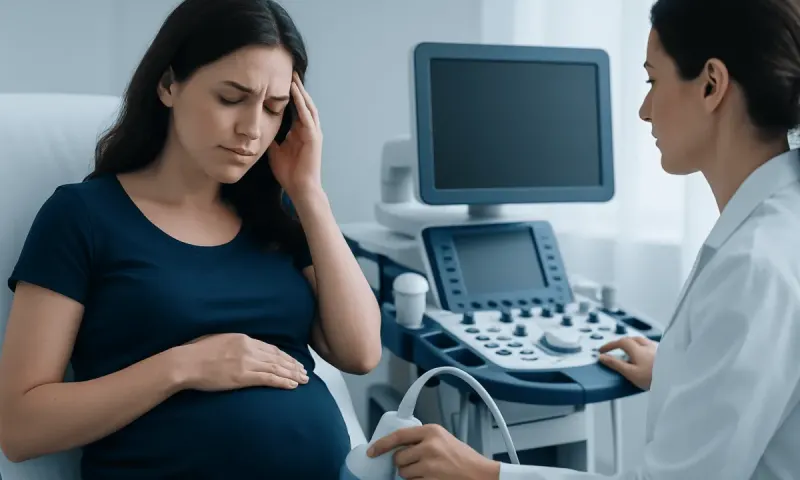
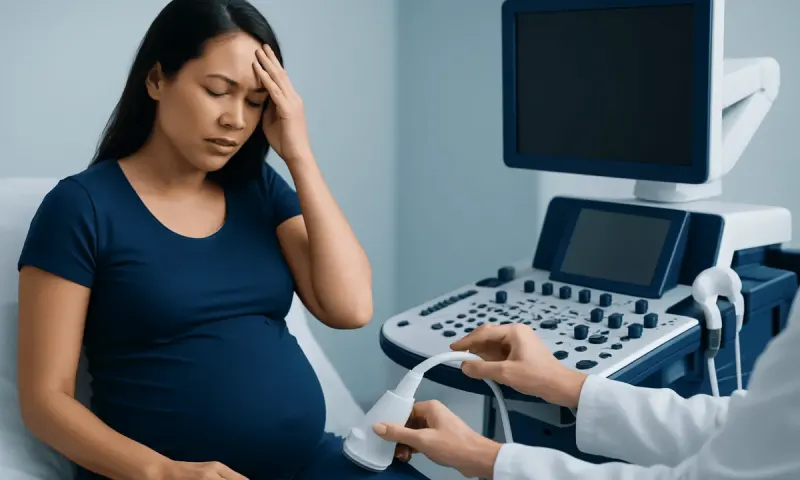
Medical follow-up may include testing when appropriate and ultrasound monitoring of fetal growth and anatomy over time. The exact approach depends on the timing of exposure, symptoms, and local guidance. Couples planning pregnancy may also need advice about how long to wait after travel to an affected area or after a confirmed infection before trying to conceive.
Zika does not appear to cause infertility itself, but it can influence reproductive timing because of the risk of transmission during or around conception. People with questions about family planning after exposure may benefit from individualized counseling, and in some cases consultation with specialists in fertility care may be helpful for broader reproductive planning discussions.
Diagnosis: how doctors confirm or rule out Zika
Doctors diagnose suspected Zika by combining symptoms, exposure history, pregnancy status, and laboratory testing. A recent trip to an area with Zika activity, mosquito bites, or sexual contact with a potentially exposed partner can all influence whether testing is recommended. Because many infections are symptom-free, the decision to test often depends on context rather than symptoms alone.
Testing may involve molecular tests that look for viral genetic material in blood or urine early in the illness, and sometimes antibody testing later on. These tests must be interpreted carefully because related viruses can sometimes affect results. The timing of sample collection matters, so patients should contact a clinician soon after symptoms begin or after a relevant exposure in pregnancy.
In some situations, clinicians also evaluate for other infections with similar symptoms, including West Nile virus or dengue. During pregnancy, diagnosis may involve a combination of maternal testing and imaging follow-up. If neurologic symptoms are present, additional assessment may be needed to look for nerve or brain involvement.
Treatment and supportive care
There is no specific antiviral medicine that cures Zika virus. Treatment is mainly supportive, which means helping the body recover while watching for complications. Most people are advised to rest, drink enough fluids, and use doctor-approved medicines for fever or pain. Self-medicating without guidance is not ideal when the diagnosis is uncertain, because some look-alike infections need different precautions.
Doctors may recommend avoiding certain pain relievers until dengue has been ruled out, since bleeding risk can be a concern in some mosquito-borne illnesses. Pregnant patients, infants, and people with underlying medical conditions should not assume that home care alone is sufficient. A clinician can decide whether testing, fetal monitoring, or specialist referral is needed.
If neurologic complications develop, you may need hospital care and expert evaluation. Depending on your symptoms, that can mean seeing a neurologist or a team working together on supportive treatment. When the picture is still unclear, follow-up imaging may help, including MRI in selected neurologic cases.
Prevention and self-care after exposure
The best prevention is to avoid mosquito bites and reduce the chance of sexual transmission after possible exposure. Practical steps include using insect repellent as directed, wearing long sleeves and trousers when possible, staying in screened or air-conditioned spaces, and removing standing water around living areas where mosquitoes can breed. These measures are useful both for travelers and for residents in areas where Zika has been reported.
After travel to a risk area, safer sex practices may be advised for a period of time, especially if a partner is pregnant or planning pregnancy. Guidance can vary by country and over time, so updated recommendations from public health authorities are important. People should not rely only on symptoms, since infection may occur without any obvious illness.
Self-care after suspected exposure includes monitoring for fever, rash, joint pain, red eyes, or unusual weakness. It also means avoiding further mosquito bites if illness develops, because reducing mosquito exposure can help limit local spread during outbreaks. Medical advice is particularly important if pregnancy is possible, symptoms are significant, or another diagnosis such as dengue is being considered.
When to seek medical care
Medical care is especially important if a person is pregnant or may be pregnant and has traveled to an affected area, had mosquito exposure, or had sexual contact with someone who may have been exposed. Early discussion with a clinician can help determine whether testing, ultrasound follow-up, or preventive guidance is needed.
Prompt evaluation is also advised if symptoms are severe, dehydration develops, or there are warning signs such as increasing weakness, numbness, trouble walking, shortness of breath, persistent vomiting, confusion, or severe headache. These symptoms may suggest a complication or a different illness that needs urgent attention.
With children, older adults, or anyone with a significant health condition, it is worth getting checked even when the illness looks mild. Acıbadem Health Point’s multidisciplinary specialists and JCI-accredited hospitals diagnose and treat infectious and neurologic conditions for Myomectomy Recovery for International Patients: The Usual Travel Timeline" class="ahp-ilk">international patients when further assessment is needed.
Frequently asked questions
01Is Zika virus always serious?
No. In most people, Zika virus causes no symptoms or only a mild, short illness. It becomes especially important medically during pregnancy and in the uncommon cases where neurologic complications occur.
02What are the first symptoms of Zika virus?
Common early symptoms include a mild fever, rash, joint pain, headache, muscle aches, and red eyes. Some people have very few symptoms, and many have none at all.
03Can Zika virus spread without mosquito bites?
Yes. Zika can also spread through sexual contact, and a person may transmit it even without symptoms. It can also pass from a pregnant person to the fetus.
04How is Zika different from dengue?
The symptoms can overlap, which is why travel and exposure history matter. Dengue may carry different risks, including bleeding complications, so doctors may test for both when the diagnosis is uncertain.
05Is there a vaccine or cure for Zika virus?
At present, there is no specific antiviral cure routinely used for Zika virus. Treatment focuses on rest, fluids, symptom relief, and monitoring for complications when needed.
06Should someone be tested for Zika after travel?
Not everyone needs testing, especially if there are no symptoms and no pregnancy-related concerns. Testing is most relevant when symptoms occur after exposure or when pregnancy or conception planning is involved.
07How can people protect themselves from Zika virus?
The most effective steps are to avoid mosquito bites and follow safer sex guidance after possible exposure. Travelers should also check current public health advice before and after visiting areas where Zika has been reported.
This article is for general information only and is not a substitute for professional medical advice. Please consult a qualified doctor about your individual situation.
Joint and spine care in Turkey — expert assessment & treatment
JCI-accredited · board-certified surgeons · reply within 24h
Add us as a Preferred Source to see more of our trusted health content across Google Search, AI Overviews and Discover.