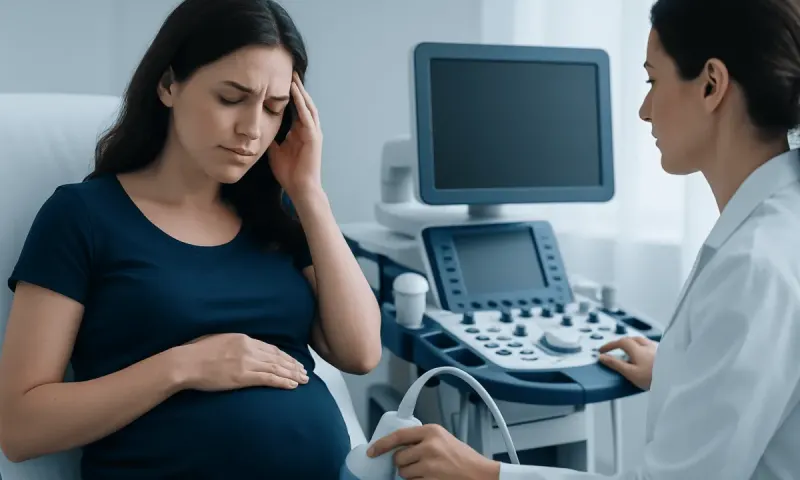
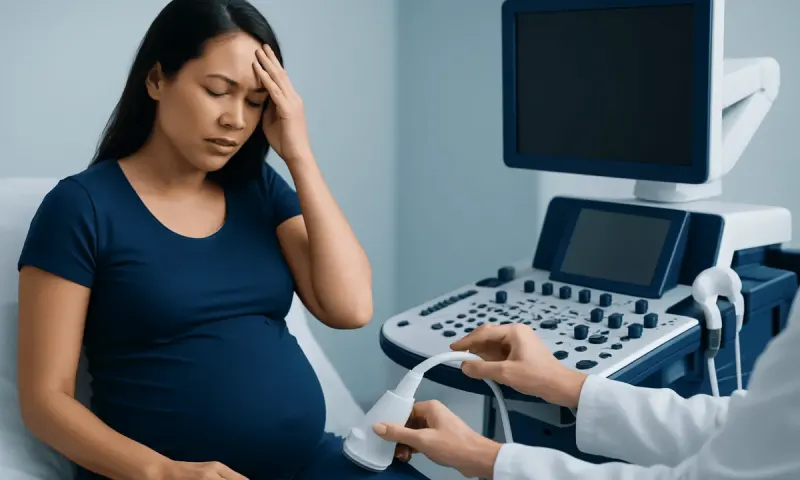
Post Pregnancy Headache: Causes and Warning Signs
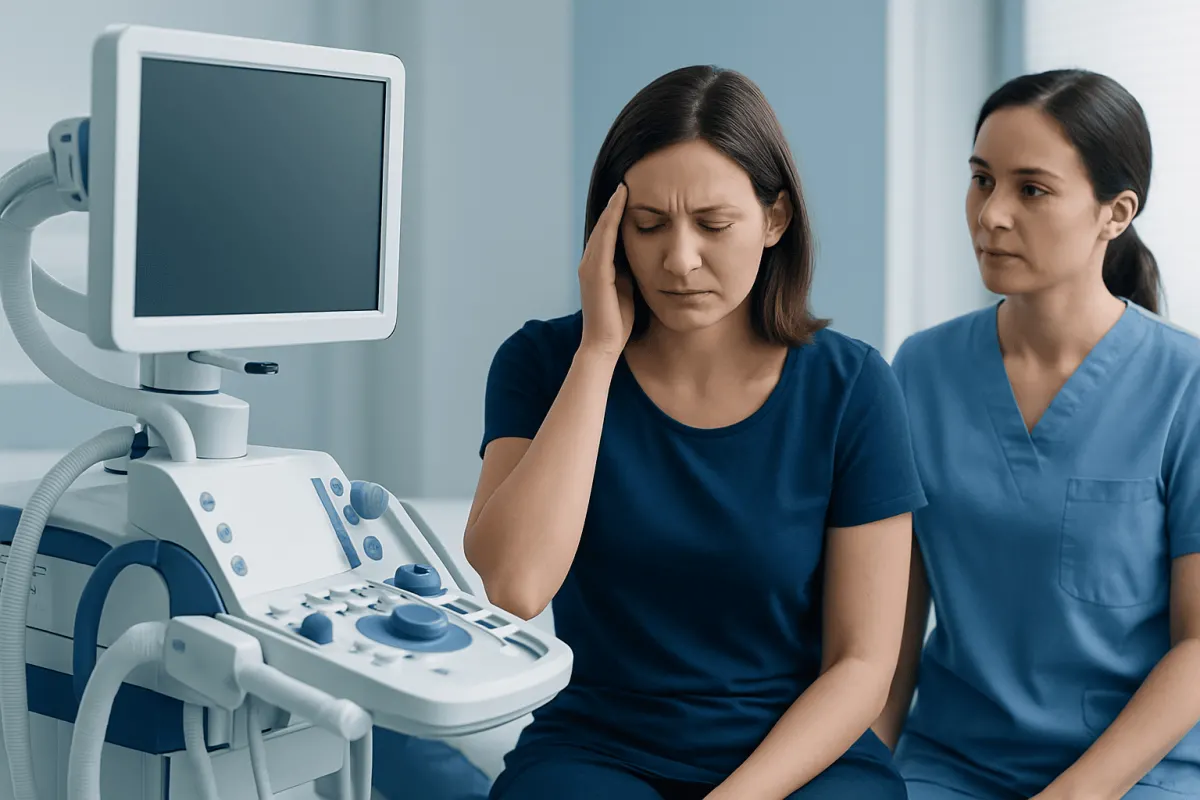
A post pregnancy headache is common in the days and weeks after childbirth and is often related to exhaustion, dehydration, missed meals, hormonal changes, or migraine. However, a new, severe, persistent, or unusual headache can occasionally signal a condition that requires prompt medical assessment.
Overview: why headaches can happen after childbirth
A post pregnancy headache is head pain that starts or changes in the period after childbirth. It may occur in the first few days, while recovering in hospital, or during the following weeks as the body adjusts to physical recovery and new routines. Many cases are tension-type headaches or migraines made more likely by interrupted sleep, stress, dehydration, irregular meals, and rapid hormonal changes.
It is important not to assume that every postpartum headache is simply part of being tired. The time after delivery has specific health considerations, including changes in blood pressure and blood clotting. A clinician should assess a headache that is new, much more severe than usual, persistent, or accompanied by other symptoms.
The pattern of the headache often provides useful clues. For example, tight pressure across the forehead or scalp may fit a tension-type headache, while throbbing pain with nausea and sensitivity to light may resemble migraine. Pain that clearly worsens when sitting or standing after spinal or epidural anesthesia has a different possible cause and should be reported.
Common triggers and everyday causes
Sleep disruption is one of the most frequent triggers of post pregnancy headache. Caring for a newborn commonly involves waking several times overnight, and fragmented sleep can lower the threshold for tension headaches and migraine. Emotional adjustment, anxiety, prolonged screen time, awkward feeding positions, jaw clenching, and neck or shoulder strain can add to this effect.
Fluid and nutrition needs can be easy to overlook during recovery. Dehydration, skipped meals, low blood sugar, excess caffeine, or suddenly stopping regular caffeine intake can all contribute to headache. Breastfeeding can increase the need for fluids and calories, although drinking beyond thirst is not necessary. Regular meals, easy-to-reach snacks, and a water bottle nearby during feeds may be helpful practical measures.
Hormone levels change quickly after delivery, particularly estrogen levels. This shift may trigger migraines in people with a personal history of migraine, although some people find that migraines improve during pregnancy and return only afterward. Blood loss during delivery can also contribute to anemia, which may cause fatigue, dizziness, palpitations, or headaches and may need medical evaluation if symptoms are significant.
Illnesses that are common in the general population, such as viral infections, sinus symptoms, dental problems, or medication side effects, can also cause head pain after pregnancy. The key is to consider the full picture rather than attributing a headache automatically to childbirth alone.
Important causes that need medical assessment

One of the most important causes to exclude is postpartum preeclampsia, a condition involving high blood pressure that can occur after delivery. It may arise even if blood pressure was normal during pregnancy. A headache related to preeclampsia is often severe or persistent and may not settle with usual measures. It can occur with visual disturbances, swelling, pain below the ribs on the right side, nausea or vomiting, sudden weight gain, or reduced urine output, although not everyone has all of these symptoms.
A headache that follows an epidural or spinal anesthetic may be a post-dural puncture headache, sometimes called a spinal headache. It typically becomes noticeably worse when the person is upright and improves when lying flat. It may also cause neck pain, nausea, hearing changes, or sensitivity to light. An anesthesiology team can assess the symptoms and discuss treatment, which may include fluids, pain relief, caffeine in selected cases, or a procedure called an epidural blood patch.
Rarely, postpartum headache can be related to a blood clot in the veins of the brain, known as cerebral venous sinus thrombosis, bleeding around the brain, stroke, meningitis, or a disorder affecting blood vessels in the brain. These conditions require urgent assessment. Warning features include a sudden “thunderclap” headache that peaks within seconds or minutes, fainting, seizure, confusion, fever with neck stiffness, weakness, numbness, trouble speaking, or loss of balance.
How clinicians assess a postpartum headache
Assessment begins with questions about when the headache started, how quickly it reached maximum intensity, where it is felt, and whether it is similar to headaches experienced before pregnancy. A clinician will also ask about delivery, blood loss, epidural or spinal anesthesia, medications, breastfeeding, sleep, fluid intake, previous migraine, high blood pressure, and any history of clotting problems.
Blood pressure measurement is especially important in the postpartum period. The examination may include checking reflexes, vision, strength, sensation, coordination, neck movement, swelling, and signs of infection. Blood and urine tests may be used to look for preeclampsia, anemia, infection, or other contributing conditions.
Not every headache requires a scan. However, urgent brain imaging, such as CT or MRI, may be recommended if a headache is sudden, severe, different from prior headaches, associated with neurological symptoms, or suggestive of a clot or bleeding. The purpose is to identify conditions for which early treatment can protect health.
Treatment options and symptom relief
Treatment depends on the cause. For a straightforward tension-type headache or migraine without warning signs, a clinician may recommend rest where possible, regular fluids and meals, a quiet dark room, gentle neck and shoulder stretches, and suitable over-the-counter pain relief. Paracetamol (acetaminophen) and ibuprofen are commonly considered compatible with breastfeeding for many people, but individual circumstances matter. Those with kidney disease, stomach ulcers, bleeding concerns, high blood pressure, medication allergies, or other health conditions should seek advice before taking medicines.
People who have migraine may benefit from a personalized plan, especially if attacks are recurrent, disabling, or accompanied by aura. Some migraine medicines are appropriate during breastfeeding and others are not, so a doctor or pharmacist should review the options. Avoid using pain medicines very frequently without guidance, as repeated use can contribute to medication-overuse headaches.
Postpartum preeclampsia needs hospital-based evaluation and treatment to control blood pressure and prevent complications. A post-dural puncture headache may be managed by the anesthesia service. If anemia is contributing, treatment may include dietary advice, iron replacement, or other care based on the degree and cause of blood loss. Treating the underlying problem is more effective than repeatedly masking symptoms.
Prevention and self-care during recovery
Not all post pregnancy headaches can be prevented, but a supportive recovery routine can reduce common triggers. When possible, the parent can aim for regular drinks, balanced meals, and brief rest periods. Accepting help with meals, household tasks, and newborn care can create opportunities for recovery. Keeping caffeine intake consistent rather than suddenly increasing or stopping it may also reduce withdrawal-related headaches.
Comfortable feeding and holding positions matter. Using pillows to support the baby, relaxing the shoulders, and changing positions regularly may reduce muscle tension in the neck and upper back. Gentle movement, such as short walks when medically appropriate, can support circulation, mood, and sleep quality. A clinician should advise on activity after a complicated delivery or cesarean birth.
It can be useful to keep a simple record of headache timing, intensity, associated symptoms, sleep, meals, fluids, blood pressure readings if available, and medicines taken. This information helps clinicians recognize patterns. Home blood pressure monitoring may be recommended for some people after delivery, but concerning symptoms should never be dismissed simply because a single home reading seems normal.
When to seek medical care
Urgent medical care is needed for a sudden and extremely severe headache; headache with seizures, fainting, confusion, fever and a stiff neck; new weakness or numbness; difficulty speaking; facial drooping; loss of vision; chest pain; shortness of breath; or severe pain in the upper abdomen. Emergency assessment is also important for a severe headache with high blood pressure or visual changes, as these may be signs of postpartum preeclampsia.
A doctor should be contacted promptly for a headache that is new after childbirth and does not improve, is getting worse, repeatedly wakes the person from sleep, feels different from previous migraines, or occurs after an epidural or spinal procedure and is worse when upright. Early assessment is a sensible precaution and can provide reassurance as well as timely treatment when needed.
For international patients, Acıbadem Health Point’s multidisciplinary specialists and JCI-accredited hospitals can assess postpartum symptoms and coordinate care when a headache needs further investigation. Any person with emergency warning signs should seek local emergency care without delay.
Frequently asked questions
01How long can a post pregnancy headache last?
A mild headache related to tiredness, dehydration, muscle tension, or missed meals may improve within hours to a day with rest, fluids, food, and appropriate pain relief. Migraine can last longer, and a persistent or worsening headache should be discussed with a clinician. A headache lasting more than a day or two without improvement deserves medical advice, particularly soon after delivery.
02Is headache normal after giving birth?
Headache can be common after giving birth because recovery often includes sleep loss, stress, changing hormones, and changes in eating and drinking habits. However, normality should not be assumed if the pain is severe, new, unusual, or paired with symptoms such as vision changes, high blood pressure, or neurological changes. Postpartum headaches should be assessed in context.
03What does a postpartum preeclampsia headache feel like?
It may feel severe, persistent, or unlike a usual headache and may not improve with usual pain medicine. It can occur with blurred vision, flashing lights, shortness of breath, swelling, nausea, or upper abdominal pain, but symptoms vary. Because postpartum preeclampsia can occur after a previously uncomplicated pregnancy, urgent medical assessment is needed when these symptoms occur.
04Can an epidural cause a headache after delivery?
Yes. A post-dural puncture headache can occur if the covering around the spinal fluid is punctured during an epidural or spinal procedure. It often becomes much worse when sitting or standing and improves when lying down. The person should contact their maternity unit or anesthesiology team, as treatments are available.
05What pain relief can be used for a headache while breastfeeding?
Paracetamol (acetaminophen) and ibuprofen are commonly used by breastfeeding parents, but the right choice depends on personal medical history and other medicines. A doctor, midwife, or pharmacist can provide individualized advice, particularly for migraine treatments or frequent headaches. Aspirin and combination products should not be started without professional guidance.
06When is a headache after a cesarean delivery concerning?
The same red flags apply after cesarean delivery as after vaginal birth: sudden severe pain, high blood pressure, visual symptoms, <a href="https://www.acibademhealthpoint.com/blog/pregnant-woman-breathing-problems-a-complete-clinical-guide-for-patients/" title="Pregnant Woman Breathing Problems: A Complete Clinical Guide for Patients" class="ahp-ilk">breathing problems, fever, confusion, seizures, or neurological symptoms require urgent evaluation. Headache after spinal or epidural anesthesia should also be reported, especially when it changes with position. Recovery medications, anemia, infection, and blood pressure changes can all be relevant.
This article is for general information only and is not a substitute for professional medical advice. Please consult a qualified doctor about your individual situation.
Hair transplant in Turkey — costs, graft counts & a free assessment
JCI-accredited · board-certified surgeons · reply within 24h
Add us as a Preferred Source to see more of our trusted health content across Google Search, AI Overviews and Discover.