MRSA Pneumonia: Symptoms, Testing, and Treatment
MRSA pneumonia is a lung infection caused by methicillin-resistant Staphylococcus aureus (MRSA), a type of bacteria that is resistant to several commonly used antibiotics. It can become serious, particularly in people who are already unwell, but timely diagnosis and carefully selected treatment can support recovery.
Overview: what is MRSA pneumonia?
MRSA pneumonia is a bacterial infection of the lungs caused by methicillin-resistant Staphylococcus aureus, usually called MRSA. Staphylococcus aureus is a bacterium that can live harmlessly on the skin or in the nose of some people. MRSA strains have developed resistance to certain standard antibiotics, which means treatment needs to be chosen carefully.
When MRSA reaches the lower airways and lung tissue, it may cause inflammation, fluid in the air sacs, and difficulty moving oxygen into the bloodstream. MRSA pneumonia may develop in the community, but it is also associated with healthcare settings, especially after a hospital stay, surgery, mechanical ventilation, or significant illness.
This infection is not the same as simply carrying MRSA on the skin or in the nose. Carrying the bacteria without symptoms is known as colonization and does not necessarily mean a person will develop pneumonia. A clinician considers symptoms, examination findings, imaging, and laboratory tests together to determine whether an active lung infection is present.
Symptoms and how MRSA pneumonia may feel
MRSA pneumonia can cause symptoms similar to other forms of bacterial pneumonia. These may begin suddenly or worsen over a short period. The severity varies considerably: some people feel moderately unwell, while others become seriously ill and require close monitoring in hospital.
- Cough, with or without mucus
- Fever, chills, or sweating
- Shortness of breath or rapid breathing
- Chest pain that may worsen with breathing or coughing
- Marked fatigue, weakness, or reduced appetite
- Confusion, drowsiness, or a decline in alertness, especially in older adults
Some people may cough up blood-streaked mucus, although this has many possible causes and should always be assessed promptly. In severe cases, oxygen levels can fall, blood pressure may drop, or infection can spread beyond the lungs. These complications are not inevitable, but they explain why suspected severe pneumonia needs urgent medical attention.
Symptoms alone cannot confirm MRSA pneumonia. Viral infections, other bacterial pneumonias, heart conditions, and inflammatory lung diseases can produce overlapping symptoms. For this reason, people should avoid using leftover antibiotics or assuming that a cough is caused by MRSA without medical evaluation.
How MRSA pneumonia develops and who is at higher risk
MRSA can be spread through direct contact with infected skin, contaminated hands, shared personal items, or contaminated surfaces. In healthcare environments, infection-control measures are particularly important because some patients have open wounds, invasive devices, weakened immune defenses, or frequent antibiotic exposure. Transmission does not always lead to infection.
Healthcare-associated MRSA pneumonia may occur when bacteria enter the airways in a person who is already vulnerable. This can happen after prolonged hospitalization or in people receiving breathing support through a ventilator. Community-associated MRSA pneumonia can also occur in people without recent healthcare exposure, sometimes following influenza or another respiratory viral illness.
Factors that can increase the likelihood of serious pneumonia include older age, chronic lung disease, smoking, weakened immunity, poorly controlled diabetes, kidney disease, recent influenza, and recent hospitalization. Recent antibiotic treatment, residence in a long-term care facility, or a previous MRSA infection may also influence a clinician’s assessment.
Having a risk factor does not mean a person will develop MRSA pneumonia. Likewise, people without obvious risk factors can still become ill. The most useful approach is to seek assessment when significant respiratory symptoms occur, particularly if they are worsening quickly or follow a recent hospital stay or flu-like illness.
How clinicians diagnose MRSA pneumonia
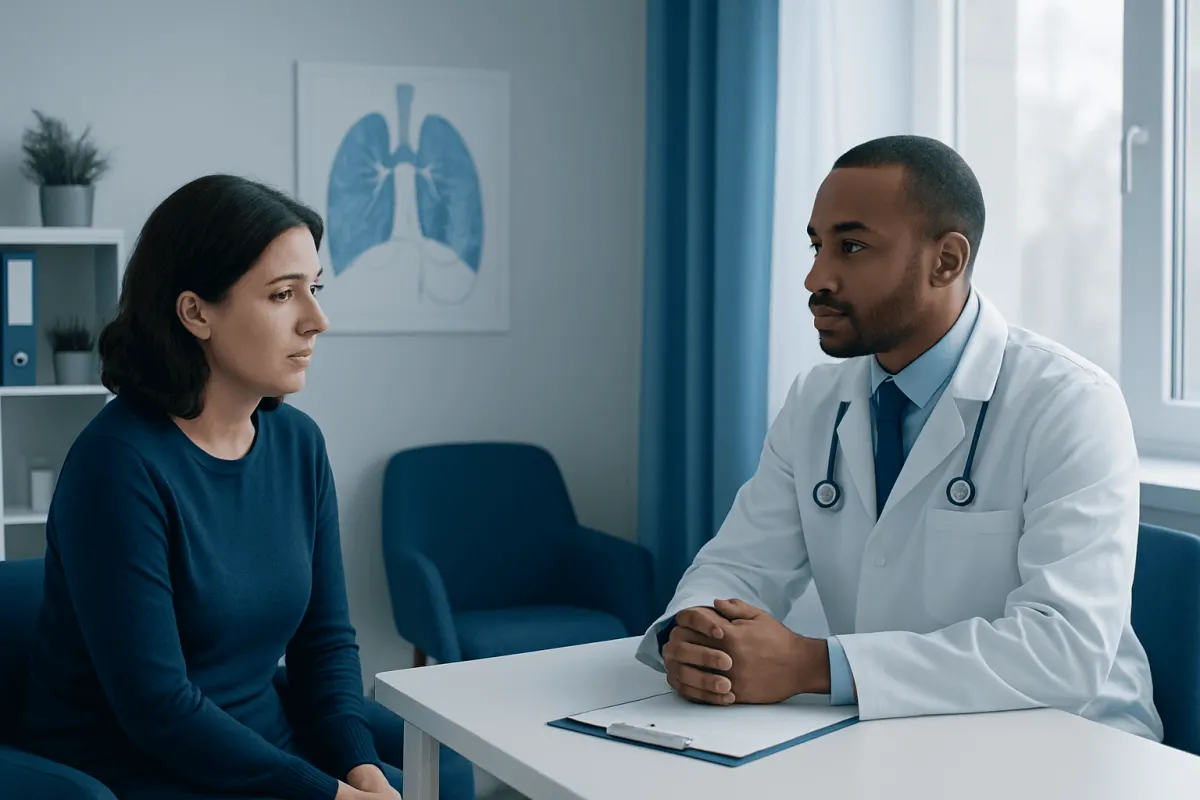
Diagnosis begins with a medical history and physical examination. A clinician will ask about cough, fever, breathing changes, recent illnesses, medication use, healthcare exposure, prior MRSA infection, and underlying conditions. They will listen to the lungs and assess breathing rate, heart rate, temperature, blood pressure, and oxygen levels.
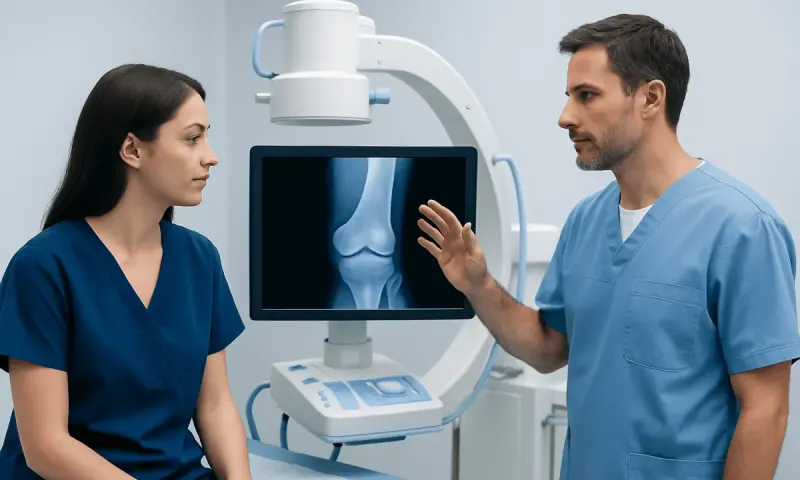
A chest X-ray is commonly used to look for areas of inflammation or fluid consistent with pneumonia. In some situations, a CT scan of the chest gives more detailed information, such as whether there are complications like an abscess, tissue damage, or fluid around the lungs. Imaging can identify pneumonia but does not by itself prove that MRSA is the cause.
Laboratory testing may include blood tests, blood cultures, and analysis of mucus or a sample obtained from the lower respiratory tract. When a suitable sample grows bacteria, the laboratory performs susceptibility testing to identify which antibiotics are likely to work. Results help clinicians narrow or adjust treatment safely.
People receiving ventilator support may need samples collected through the breathing tube. Clinicians also consider whether a positive MRSA nose swab or skin swab reflects colonization rather than infection. The overall clinical picture, rather than one test in isolation, guides diagnosis and care.
Treatment options and supportive care
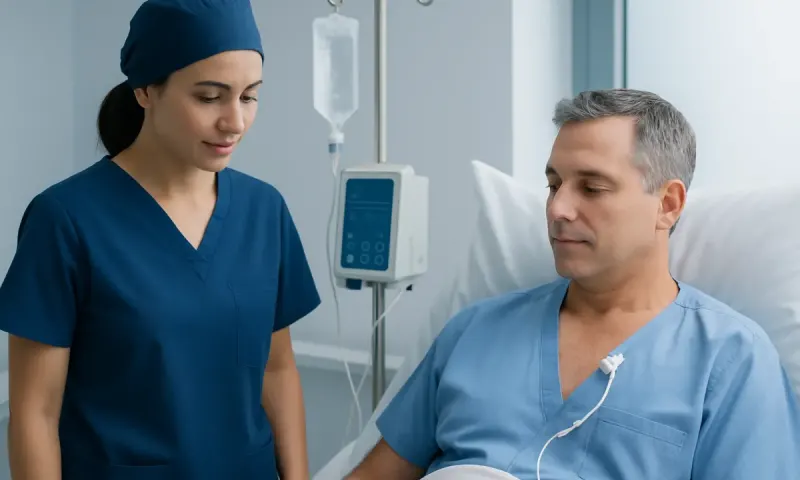
MRSA pneumonia requires prescription antibiotics that are active against MRSA. Because the illness can progress quickly, treatment is often started in hospital when MRSA is strongly suspected, then reviewed as culture and susceptibility results become available. The choice of medicine, route, and duration depends on infection severity, kidney function, other health conditions, medication allergies, and whether complications are present.
Antibiotics used for MRSA pneumonia may be given intravenously at first, particularly for severe illness. A clinician may change treatment once test results clarify the cause of pneumonia and the person is clinically improving. It is important to take antibiotics exactly as prescribed and not stop early without medical advice, even when symptoms begin to settle.
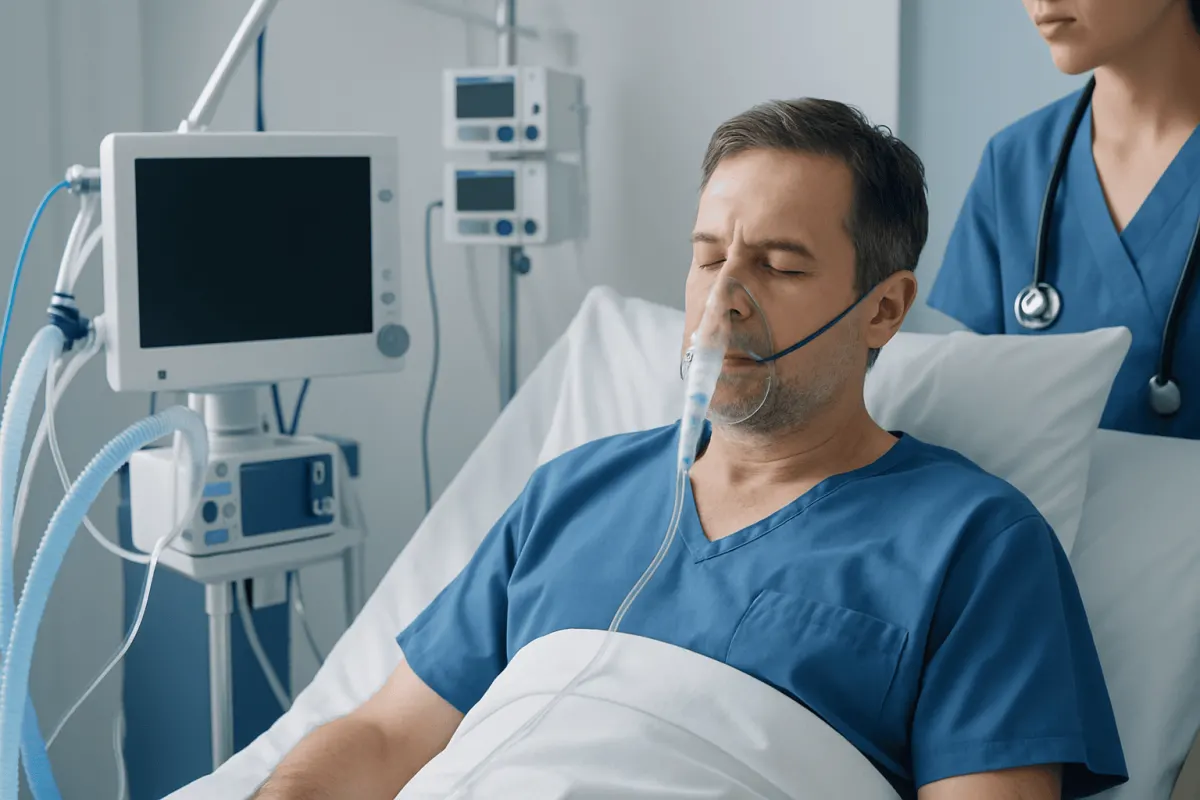
Supportive care may include oxygen for low blood oxygen levels, fluids when appropriate, fever or pain relief, and help clearing respiratory secretions. People with severe pneumonia may need intensive monitoring or breathing support. If influenza or another viral infection is present at the same time, clinicians may also consider treatments directed at that infection when appropriate.
Recovery can take time. Fever and breathing may improve before energy levels return, and cough can persist for several weeks. Follow-up may be recommended to review symptoms, repeat imaging in selected cases, assess medication effects, and make sure complications have not developed. Acıbadem Health Point’s multidisciplinary specialists and JCI-accredited hospitals diagnose and treat pneumonia, including complex infections, for international patients.
Prevention, infection control, and self-care during recovery
Hand hygiene is one of the most effective ways to reduce the spread of MRSA and many other infections. Hands should be cleaned with soap and water or an alcohol-based hand rub, particularly after coughing, touching a wound, using the bathroom, or caring for someone who is unwell. Personal items such as towels, razors, and clothing should not be shared.
Any cuts, abrasions, or draining wounds should be kept clean and covered as advised by a healthcare professional. People known to carry MRSA may occasionally be offered a decolonization plan, such as a prescribed nasal treatment and antiseptic wash, in specific circumstances. This should only be done under clinical guidance because it is not needed for everyone and resistance can develop.
During recovery from pneumonia, rest, adequate fluids if medically suitable, balanced meals, and avoiding smoking or secondhand smoke can support healing. People with chronic lung or heart conditions should continue their usual medicines unless a clinician advises otherwise. Vaccination against influenza and pneumococcal disease may reduce the risk of some respiratory infections; eligibility varies by age, health status, and local recommendations.
Family members do not usually need antibiotics simply because someone has MRSA pneumonia. However, they should follow hand hygiene guidance and speak with a clinician if they develop symptoms or have a significant wound, weakened immunity, or concerns about exposure.
When to seek medical care
Prompt medical advice is appropriate for a new or worsening cough with fever, shortness of breath, chest discomfort, or a major decline in energy, especially after a recent hospital stay, influenza, or known MRSA infection. A same-day assessment is particularly important for people who are older, pregnant, immunocompromised, or living with significant heart, lung, or kidney disease.
Emergency care is needed for severe breathing difficulty, blue or grey lips or face, new confusion, fainting, severe chest pain, coughing up more than small streaks of blood, or inability to stay awake. These signs can occur with serious pneumonia and other urgent conditions, and they should not be managed at home.
Anyone already being treated for pneumonia should contact their care team if symptoms worsen, fever returns after improvement, medication causes a concerning reaction, or there is no meaningful improvement within the timeframe their clinician discussed. Follow-up is especially important after severe infection or hospitalization.
Frequently asked questions
01Is MRSA pneumonia contagious?
MRSA bacteria can spread through contact, especially through unwashed hands, infected wounds, or shared personal items. Whether a person with MRSA pneumonia is contagious depends on the setting and the type of contact, but good hand hygiene and healthcare infection-control practices reduce risk. A treating team can provide specific advice for household members and visitors.
02Can MRSA pneumonia be cured?
MRSA pneumonia can often be treated successfully with antibiotics that are active against the specific strain and with appropriate supportive care. Recovery depends on the severity of illness, a person's overall health, and whether complications occur. Completing treatment and attending follow-up appointments are important parts of care.
03How is MRSA pneumonia different from regular pneumonia?
Pneumonia describes infection or inflammation in the lungs and can be caused by many bacteria, viruses, or other organisms. MRSA pneumonia is specifically caused by a resistant type of Staphylococcus aureus. Its antibiotic resistance makes laboratory testing and tailored treatment especially important.
04Can someone have MRSA without having pneumonia?
Yes. Some people carry MRSA on their skin or in their nose without any symptoms; this is called colonization. Colonization is different from an active infection and does not automatically require treatment. A clinician can explain whether testing or decolonization is appropriate in an individual situation.
05How long does recovery from MRSA pneumonia take?
The time needed for recovery varies. Breathing, fever, and appetite may improve over days with effective treatment, while cough and tiredness can last longer. People who had severe illness, required hospitalization, or have chronic health conditions may need a longer recovery period and closer follow-up.
06Should a person with MRSA pneumonia isolate at home?
A clinician or local public health service can give guidance based on the person's symptoms, setting, and any draining wounds. At home, regular handwashing, covering coughs, not sharing personal items, and cleaning commonly touched surfaces are sensible precautions. Hospital visitors should follow any instructions about gowns, gloves, or hand hygiene.
This article is for general information only and is not a substitute for professional medical advice. Please consult a qualified doctor about your individual situation.
Persistent digestive symptoms? Get evaluated in Turkey
JCI-accredited · board-certified surgeons · reply within 24h
Add us as a Preferred Source to see more of our trusted health content across Google Search, AI Overviews and Discover.